
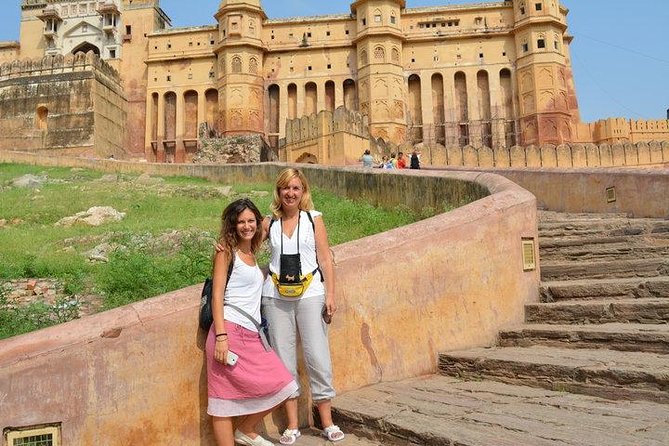
Reviewed · GOLDEN TRIANGLE TOURS
Golden triangle with Udaipur
Golden Triangle trips can be fast and loud.
This one mixes private car comfort with Udaipur by boat, so you get the big-name hits without feeling like you’re being dragged from photo spot to photo spot.
What I like most is the balance: guided history when it matters, and free time when you want to breathe. You’ll also get English-speaking guides across Delhi, Agra, Jaipur, and Udaipur, plus daily breakfast with dinner included, which helps keep your day simple.
The main catch to consider is money and timing. Monument and palace entry fees aren’t included, and the Taj Mahal sunrise plan depends on weather—great if conditions cooperate, but don’t expect it to be guaranteed.
In This Review
- Key things that make this tour a smart pick
- Why the Golden Triangle plus Udaipur works better than rushing it
- Entering Old Delhi by foot and rickshaw, then stepping into New Delhi’s monuments
- Agra’s fort-and-view strategy, then a Taj Mahal sunrise you’ll watch for the weather
- Jaipur’s royal highlights: Amer Fort, Jantar Mantar, and the selfie wall (Hawa Mahal)
- Pushkar as a breather before Udaipur’s lake-city pace
- Udaipur on foot and by boat: City Palace, temples, and Lake Pichola at sunset
- Price and value: what you’re really paying for at $750.34 per person
- Practical details that make the trip smoother (and less annoying)
- Should you book this Golden Triangle plus Udaipur private tour?
- FAQ
- How long is the tour?
- Is this tour private?
- What meals are included?
- Are entrance fees to monuments included?
- Do you include airport pickup and drop-off?
- Is a boat ride included in Udaipur?
- What kind of transportation is used?
- Do I need to bring a passport?
- Can the guide provide languages other than English?
Key things that make this tour a smart pick
- Private, air-conditioned car with airport pickup and drop so you’re not negotiating India logistics each day
- Delhi built for variety: Old Delhi by foot and rickshaw, then New Delhi’s major landmarks
- Agra’s two-perspective approach: Agra Fort + Mehtab Bagh views, then Taj Mahal at sunrise if possible
- Jaipur’s top list, paced well: Amer Fort, City Palace, Jantar Mantar (UNESCO), Jal Mahal, Hawa Mahal
- Pushkar stop en route to Udaipur for a calmer spiritual break before lake-city sightseeing
- Udaipur’s Pichola sunset boat ride plus City Palace and temple time
Why the Golden Triangle plus Udaipur works better than rushing it
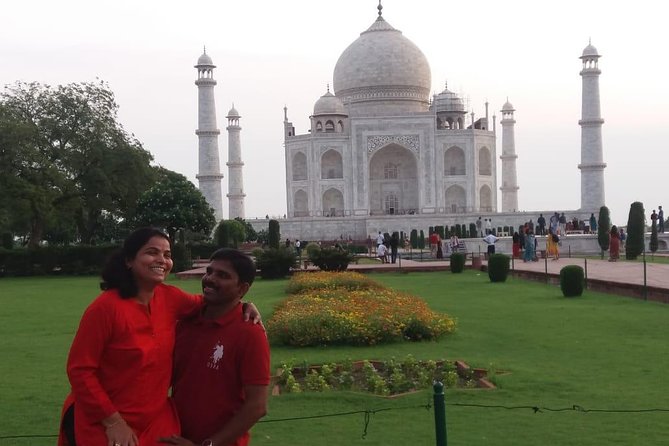
The Golden Triangle (Delhi, Jaipur, Agra) is iconic for a reason. Big monuments. Strong neighborhoods. Lots of sensory overload. But if you only do the triangle, you can feel like you spent a week collecting landmarks instead of experiencing places.
Adding Udaipur changes the pace. You shift from forts and royal cities to a lake setting where walking paths, temple stops, and boat time make the whole trip feel less like a checklist. The car-based layout also matters: you’re not changing drivers, timing multiple transfers, or trying to “optimize” routes while jet lagged.
This tour keeps the day-to-day structure clear: breakfast, a guided sightseeing block, then a hotel night where you reset. That rhythm helps most travelers—especially if you’re here for the first time and don’t want to guess your way through crowded streets.
Delhi, Agra and Jaipur: more full circuits



Entering Old Delhi by foot and rickshaw, then stepping into New Delhi’s monuments
Your first full sightseeing day starts in Old Delhi, which is where India feels most immediate. You’ll visit Raj Ghat, Red Fort, and Jama Masjid—major stops that help you understand the city’s layers fast. Then the tour shifts into neighborhood energy with time for Chandni Chowk and the spice market, plus rickshaw rides.
This combo is practical. Old Delhi is not the place to try to “figure it out” alone on day one. With a guide, you get oriented quickly and spend more time where it’s meaningful. You also avoid the trap of wandering randomly while you’re trying to remember which street leads where.
Later, you move into New Delhi, where the vibe is more spread out and monumental. Expect stops like Qutub Minar, India Gate, Rashtrapati Bhawan, Lakshmi Narayan Temple, and the Lotus Temple. I like this contrast. The morning is close, dense, and hands-on. The afternoon is broad, architectural, and calmer—perfect for taking photos without shoulder-to-shoulder crowd pressure.
One practical note: the itinerary includes a lot of landmark time in a single day. Wear comfortable shoes and plan to slow down for photos, not for long breaks. If you want maximum enjoyment, bring water and keep small snacks in your day bag.
Agra’s fort-and-view strategy, then a Taj Mahal sunrise you’ll watch for the weather
Agra is the city most people come for, but it’s also easy to do it wrong. Many trips treat Agra as “Taj only,” which wastes the rest of the city’s storytelling.
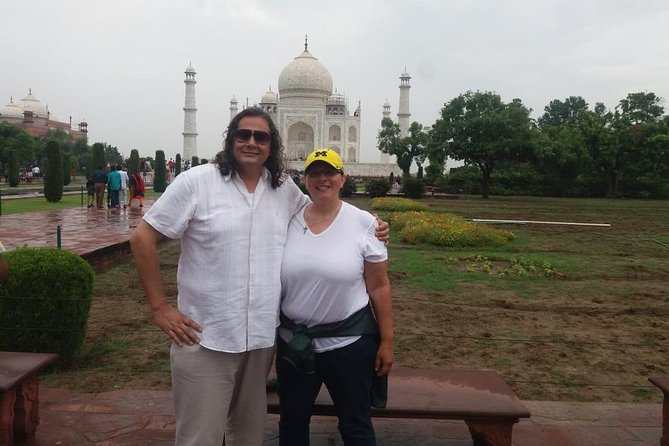
Here, day three gives you the Agra Fort—a UNESCO monument—and then the view-point experience at Mehtab Bagh across the Yamuna. Mehtab Bagh is all about perspective: you’re looking back toward the Taj Mahal from the opposite side. The tour notes that it’s tied to a very old Mughal-era planning idea (it even mentions dates back to 1080 AD), but the real reason to go is simple: it’s one of those “now I see it differently” moments.
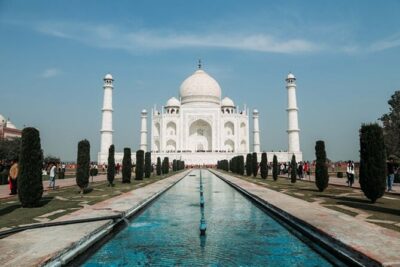
Day four is where the trip becomes emotional. You’ll head out for Taj Mahal sunrise (weather permitting). When conditions align, sunrise is the best light for the white marble look—soft, not harsh. The Taj Mahal is described as the Mughal emblem of eternal love, built in 1653 by Shah Jahan, and listed as UNESCO World Heritage. Even if you’ve seen it in photos a hundred times, the real thing hits differently when the light is doing the work.
Then it’s back to breakfast and onward travel to Jaipur, with hotel check-in and a more relaxed rest-of-day.
If you’re sensitive to schedule changes, plan for this: sunrise plans can shift when weather doesn’t cooperate. The good news is you still get Taj Mahal time—so you’re not arriving and leaving empty-handed. Just be flexible in your expectations for the exact timing.
Jaipur’s royal highlights: Amer Fort, Jantar Mantar, and the selfie wall (Hawa Mahal)
Jaipur is often called the Pink City, but the better way to think of it is as a city of design choices. Colors, geometry, and forts all show up in how you move through town.
You’ll start with Amer Fort, listed as the main must-see. This is where the royal-era scale becomes real. Next are stops that keep the sightseeing varied instead of repetitive: Jal Mahal, sitting in the middle of a lake; City Palace, tied directly to the royal family’s official residence history; and Jantar Mantar, a UNESCO World Heritage Site with 19 large astronomical instruments.
I like the way this itinerary spreads the “why” behind the monuments. Amer Fort gives you power and defense. Jantar Mantar gives you science and measurement. City Palace gives you daily rule and symbolism. And then you get Hawa Mahal, often treated as a “selfie point,” but it’s still a striking facade—especially when you see how the building’s structure is meant for light and viewing.
Time may include the Marigold Market if the schedule allows, and the evening is kept free for you to wander, snack, or pace yourself.
One small planning tip: Jaipur can be hot. Amer Fort is a highlight, but it’s also a time where heat can slow you down. If you’re sensitive, ask your guide about the best pacing and shade breaks during the fort portion.
Pushkar as a breather before Udaipur’s lake-city pace
On the drive from Jaipur to Udaipur, the tour stops in Pushkar, which is a helpful change of scenery. Instead of jumping straight from one tourist-heavy city to another, you get a short reset that feels spiritual and slower.
You’ll visit the Brahma temple, Pushkar Lake, Man Mahal, and Savitri Temple. I like stopovers like this because they break the “car day monotony.” You’re still traveling, but you’re not just watching highways pass by.
Then you continue to Udaipur and check in. By the time you’re done, you’ll be ready for an evening that doesn’t require another early start.
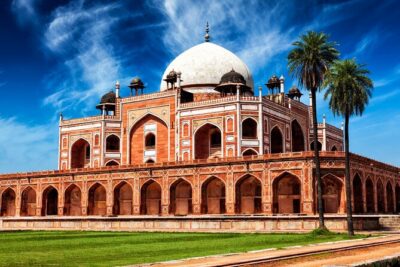

Udaipur on foot and by boat: City Palace, temples, and Lake Pichola at sunset
Udaipur is where the trip earns its reputation for mood. The city feels made for walking, and the lake ties everything together.
Your local tour includes City Palace on the bank of Pichola Lake, Jagdish Temple, and Sahelion-ki-Bari. These stops give you a clear sense of the old city layout: royal power at City Palace, devotion at the temple, and garden/courtyard style at Sahelion-ki-Bari.
Then you get the moment many people remember most: a sunset boat cruise on Lake Pichola. This is not just a pretty add-on. It changes how you understand the city. You go from “buildings and streets” to “waterline views,” and the white-and-stone look of Udaipur reads differently when it’s framed by the shoreline and moving light.
After the boat ride, you return to the hotel for a night that’s less structured. That matters. By this point you’ve already seen major monuments across several cities. Udaipur gives you space to let it all settle.
Price and value: what you’re really paying for at $750.34 per person
At $750.34 per person, the value depends on what you compare it to. If you were planning this yourself, you’d spend time juggling hotels, guides, intercity logistics, and entry tickets. This package tries to cover the heavy lifting.
Here’s what’s clearly included based on the provided details:
- 7 nights of accommodation with breakfast (daily continental breakfast)
- Dinner (listed as included)
- Professional English-speaking guides for the days in Delhi, Agra, Jaipur, and Udaipur
- Private luxury air-conditioned cab for the intercity driving and local transfers
- Airport pickup and drop
- One Udaipur boat ride
- Rides and sightseeing included as per the itinerary, including rickshaw rides in Old Delhi
- Daily packed water bottle per person
- Parking, tolls, and inter-state taxes, plus driver allowance and hotel taxes
What’s not included:
- Entry fees to monuments and palaces
- Meals not explicitly mentioned
- Tips, insurance, laundry, alcohol, and personal items
- Anything caused by natural disruptions like landslides or roadblocks
- Any extra hotel charges for X-mas/New Year periods, paid directly
So the real “value math” is this: you’re paying to remove uncertainty and reduce planning stress, while still getting guides who can explain what you’re seeing. If you hate negotiating transport and want clear daily structure, this is a good fit. If you’re a hardcore budget traveler who likes building their own itinerary and already knows entrance fees in advance, you might feel the package cost more.
Practical details that make the trip smoother (and less annoying)
A few small things make a big difference on this kind of route.
- Dress code: smart casual. You don’t need to dress up like you’re going to a wedding, but skip sloppy athletic wear for temple and palace days.
- Dietary needs: vegetarian option is available, and you should advise dietary requirements at booking.
- Group size: this is private for your group, but the minimum is two people per booking.
- Passport required: you’ll need a current valid passport on the day of travel.
- Timing: the start point is Indira Gandhi International Airport with a listed start time of 8:00 am.
Also, plan for the driving rhythm. The Golden Triangle days stack landmarks. The Udaipur days are more scenic and slower-feeling, especially with the boat cruise. But you’ll still spend time in a car on the longer legs. Pack a small day bag with water, power bank, and something you can snack on if dinner timing runs late.
One service detail I appreciate: the driver support. One driver name shared from a past trip is Chiku, described as helpful, courteous, and well behaved throughout. When you’re doing long road days, driver temperament matters. It affects your mood as much as the sights.
Should you book this Golden Triangle plus Udaipur private tour?
Book it if you want:
- A private car with fewer logistical headaches
- English guides who handle the big-ticket explanations
- A balanced mix of city energy (Delhi), landmark intensity (Agra), royal structure (Jaipur), and lake calm (Udaipur)
- Included comforts like hotel breakfast, dinner, water bottles, and the Lake Pichola boat ride
Consider a different option if:
- You strongly prefer to plan your own days and time monument entries yourself
- You’re on a tight budget for entrance fees and tips (since those are not included)
- You’re not comfortable with schedule dependence around sunrise timing, because weather can affect it
For most people, this is a “good structure, strong highlights” kind of trip. You’ll see the major sites, but you won’t feel like you’re sprinting the whole time.
FAQ
How long is the tour?
The tour is about 8 days (7 nights), covering Delhi, Agra, Jaipur, and Udaipur.
Is this tour private?
Yes, it’s private. Only your group participates.
What meals are included?
Breakfast is included daily for the 7 days, and dinner is listed as included. Meals not mentioned aren’t included.
Are entrance fees to monuments included?
No. Entry fees to monuments and palaces are not included.
Do you include airport pickup and drop-off?
Yes. Airport pickup and drop-off are included.
Is a boat ride included in Udaipur?
Yes. The itinerary includes one boat ride in Udaipur.
What kind of transportation is used?
You travel by private, luxury air-conditioned cab for the sightseeing and intercity driving.
Do I need to bring a passport?
Yes. A current valid passport is required on the day of travel.
Can the guide provide languages other than English?
The tour includes an English-speaking guide in the main cities. Other languages can be arranged on prior notice.
More Tour Reviews in New Delhi
- Old & New Delhi City Tour – Half or Full Day Options Available
★ 5.0 · 4,811 reviews - Half Day Private Delhi City Tour
★ 5.0 · 4,474 reviews - Same Day Taj Mahal, Agra Fort & Baby Taj Tour from Delhi by Car
★ 5.0 · 4,304 reviews - Taj Mahal Day Tour from Delhi by Superfast Train – TOP RATED TOUR
★ 5.0 · 4,166 reviews - Delhi: Old and New Delhi Private Full or Half-Day Tour
★ 4.9 · 3,776 reviews
The Full Golden Triangle, More Options
- 3-Days Private Golden Triangle Tour: Delhi, Agra & Jaipur by Car
★ 5.0 · 1,107 reviews - 3-Days Private Golden Triangle Tour: Delhi, Agra & Jaipur by Car
★ 5.0 · 1,098 reviews - 3-Day Delhi, Agra and Jaipur Private Tour – India Golden Triangle
★ 5.0 · 812 reviews - Four-Day Private Luxury Golden Triangle Tour to Agra and Jaipur From New Delhi
★ 5.0 · 807 reviews - 5 Nights 6 Days Private Golden Triangle Tour – Delhi Agra Jaipur
★ 5.0 · 574 reviews
Just added: more New Delhi reviews to browse
- 4 days Golden Triangle Tour★ 5.0 · 3 reviews
- Discover Old & New Delhi: Private Tour with Street Food★ 5.0 · 3 reviews
- Taj Mahal Tour From Delhi By Private Car★ 4.5 · 3 reviews
- Golden Triangle Tour 5 Days★ 5.0 · 3 reviews
- Taj Mahal: Express Entry Ticket For Sunset Tour with guide★ 5.0 · 3 reviews
- Agra Taj Mahal Sunrise & Sunset Tour from Delhi★ 5.0 · 3 reviews
Golden Triangle Tours, compared.
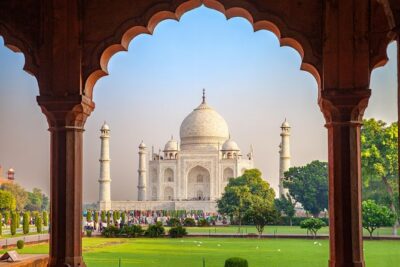 ★ 5.03-Days Private Golden Triangle Tour: Delhi, Agra & Jaipur by CarFrom $1271,107 reviews
★ 5.03-Days Private Golden Triangle Tour: Delhi, Agra & Jaipur by CarFrom $1271,098 reviews
★ 5.03-Days Private Golden Triangle Tour: Delhi, Agra & Jaipur by CarFrom $1271,107 reviews
★ 5.03-Days Private Golden Triangle Tour: Delhi, Agra & Jaipur by CarFrom $1271,098 reviews
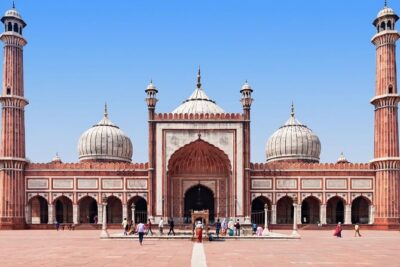 ★ 5.03-Day Delhi, Agra and Jaipur Private Tour – India Golden TriangleFrom $110812 reviews
 ★ 5.0Four-Day Private Luxury Golden Triangle Tour to Agra and Jaipur From New DelhiFrom $160807 reviews
 ★ 5.05 Nights 6 Days Private Golden Triangle Tour – Delhi Agra JaipurFrom $240574 reviews
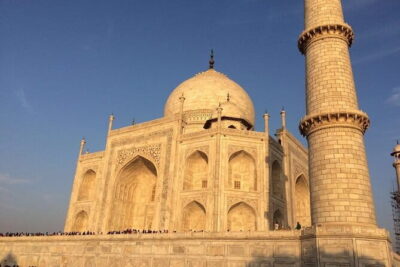 ★ 5.04 Days Golden Triangle TourFrom $146499 reviews
 ★ 5.0Private Car and Drive for Golden Triangle (4N/5D)From $167451 reviews
 ★ 5.0Private Golden Triangle Tour Delhi Agra Jaipur ( Top Rated )From $148436 reviews