
Reviewed · OLD DELHI TOURS
Most Popular Delhi Tour – Best of Old Delhi & New Delhi in One Day
The lanes of Old Delhi aren’t for fast thinking. This one-day tour is built for speed-with-understanding: you bounce between Old Delhi and New Delhi with hotel pickup, an English guide, and the kind of route that helps you get your bearings fast.
What I really like is the long cycle rickshaw time around Chandni Chowk, starting near Jama Masjid, plus the way you still get major New Delhi highlights like Humayun’s Tomb and Qutub Minar without turning your day into a scavenger hunt.
The one thing to consider is that meals and monument entrance charges are extra, so your final spend will be higher than the base price. Also, you’ll be on your feet and in and out of religious sites, so comfy shoes and respectful clothing matter.
In This Review
- Key Points You’ll Feel in Your Day
- Why This One-Day Mix Works: Old Delhi Lanes + New Delhi Landmarks
- Pickup, Timing, and How the Day Actually Flows
- Jama Masjid to Chandni Chowk: The Cycle Rickshaw Segment You’ll Remember
- Khari Baoli Spice Market and the Bazaar Stops That Add Color
- Old Delhi Worship Places: Temples, Mosques, and How the Streets Hold Them Together
- Havelis, Facades, and the Mughal-Style Details You’ll Want to Look Twice At
- New Delhi Anchor Stops: Humayun’s Tomb and the Garden-Tomb Idea
- Qutub Minar, India Gate, and Presidents House Outside Views
- Price and Value: What You Pay For, What Costs Extra
- Who Should Book This Tour (and Who Might Skip It)
- Should You Book This Best of Delhi Tour?
- FAQ
- What’s the tour duration?
- Is hotel pickup and drop-off included?
- Are monument entrance charges included?
- Do we visit Old Delhi using cars?
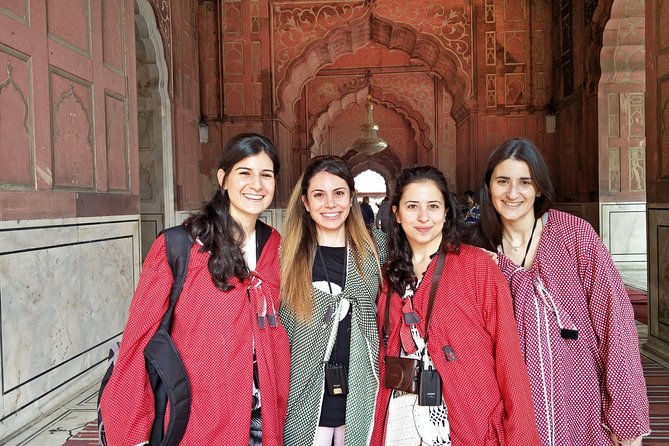
- What should I wear for the religious sites?
- Is this tour private?
Key Points You’ll Feel in Your Day
- Cycle rickshaw in Old Delhi: the streets are too tight for cars, so you get around the right way.
- Old-to-New contrast: narrow bazaars and worship places, then broad government avenues and big memorials.
- Hotel pickup and drop-off: you don’t waste time figuring out meeting points.
- UNESCO stops: Humayun’s Tomb and Qutub Minar are both included as major anchors.
- Billed as an overview day: ideal when you want the essentials first, not a slow deep dive.
Why This One-Day Mix Works: Old Delhi Lanes + New Delhi Landmarks
Delhi can feel like two different cities stitched together. Old Delhi is all narrow streets, markets, and religious buildings packed close to each other. New Delhi is planned and spacious, with government monuments, wide roads, and grand architecture that looks like it belongs to another century.
This tour works because it respects that reality. You don’t just “see Delhi”; you move between the two worlds in a structured order, with an English-speaking guide to connect what you’re looking at. The value isn’t only the list of famous names. It’s that the route is designed to help you understand why the city looks the way it does today.
The old and the new, covered a few more ways




Pickup, Timing, and How the Day Actually Flows
The day starts in the morning (a listed start time is 9:00 am), and pickup is from your Delhi hotel in an AC sedan. The plan is about 8 hours (roughly 8–9 hours total from pickup to your return).
This matters more than it sounds. In Delhi, travel time can shift fast depending on traffic and where you’re going. A built-in pickup/drop-off means you’re not guessing how to get from one district to another, and the driver plus guide can stay flexible while keeping you on track for the big stops.
You’ll also get bottled water and you’ll be traveling with a trained driver, with parking and fuel charges handled. That removes the small daily hassles that can add up on a short visit.
Jama Masjid to Chandni Chowk: The Cycle Rickshaw Segment You’ll Remember
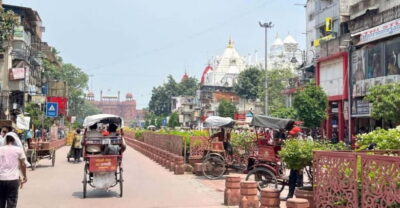
The best part of the day is the Old Delhi movement by cycle rickshaw. Cars can’t go into the tight lanes, so the tour uses rickshaws for the heart of the old city. That’s exactly why this feels different from the usual bus-and-photo approach.
You typically begin near Jama Masjid and then work your way into the lanes around Chandni Chowk. This is where the city’s energy shows up in real life: shopfronts close together, people moving with purpose, and small details like carved facades and older-style residential buildings (havelis) visible along the route.
What I like about this setup is that it keeps you close to the textures of the area. You’re not just driving past landmarks; you’re going at a speed that lets you notice the street rhythm. You also get your bearings for the rest of Old Delhi, because you experience the geography rather than only seeing it from one angle.
Practical note: it’s still a lot of moving in a compressed area. You’ll want comfortable shoes and a willingness to navigate crowds.
Khari Baoli Spice Market and the Bazaar Stops That Add Color
After the mosque-to-market introduction, the route turns toward the famous shopping streets and specialty areas. One of the standout stops is Khari Baoli, described as Asia’s largest spice market. Even if you don’t plan to buy spices, this is the kind of place where your senses do the interpreting—where the scale and variety tell you something about trade in the city.
Then you’ll shift into the bazaar network, with stops that can include:
- Chandni Chowk (major landmark street area)
- Kinari bazaar, known for wedding items and traditional outfits
- Dariba kalan, often called silver street
The “bazaar” portion isn’t just shopping time. It’s a way to see how different communities and crafts cluster in Old Delhi. You’re seeing how the city functions as a set of specialized zones rather than as one generic tourist area.
One consideration: if you dislike market crowds or pressure to buy, go into this part with a simple plan—look, ask questions, take photos, and decide on purchases later (or skip them entirely). Shopping is noted as not included, so you’re never forced to buy anything to justify the ticket.
Old Delhi Worship Places: Temples, Mosques, and How the Streets Hold Them Together
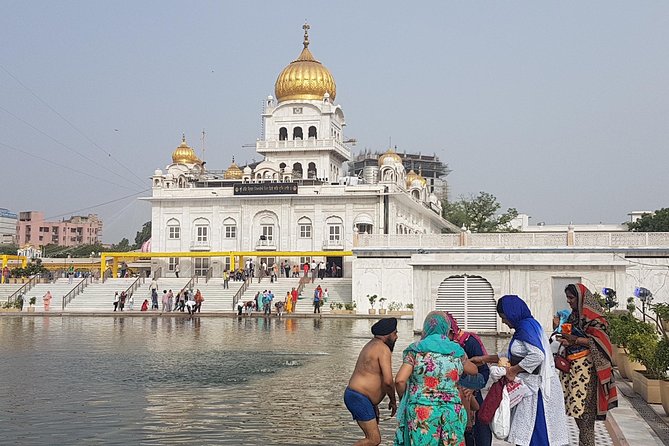
Old Delhi’s religious buildings are not set apart from daily life. They sit in the same neighborhoods as markets and residential streets. That’s what makes the visits meaningful, especially when your guide connects what you see.
Depending on time and the day’s flow, you may visit or see from the route a mix of worship places such as:
- a Hindu temple
- a Jain temple
- a Christian Baptist church
- Fatehpuri Mosque
- a Sikh temple
The tour also includes major historic sites like Red Fort and Town Hall as part of the Old Delhi arc. In some cases, you may go inside; in others, you may drive past. The key is that your guide helps you understand the role each site played, so you’re not collecting random photos.
Clothing tip: the tour warns you to dress appropriately for religious places. This usually means shoulders and legs should be covered enough to be respectful. Bring a light layer if you’re uncertain—Delhi sun can be intense, and you’ll want to avoid a last-minute scramble.
More hours to spend in Old Delhi
Havelis, Facades, and the Mughal-Style Details You’ll Want to Look Twice At
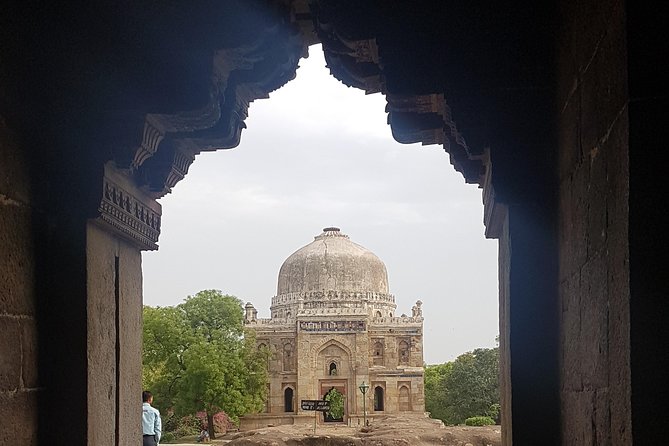
Old Delhi also shines through the more “architectural in the background” details, especially havelis with original Mughal architecture. Even when you don’t enter them, you’ll often see intricately carved facades and older building shapes that don’t look like typical modern structures.
This is where the guide’s context matters. If you know what you’re looking at, carvings and design details stop feeling like decoration and start reading like a history lesson in stone and wood.
The tour notes that you may either go inside heritage havelis or see them from the route. Either way, the goal stays the same: you come away with a clearer sense of how Mughal-era urban life influenced what’s still standing in Old Delhi today.
New Delhi Anchor Stops: Humayun’s Tomb and the Garden-Tomb Idea
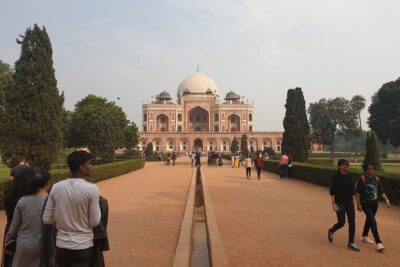
Once you leave the old city’s tight grid, New Delhi’s architecture makes a very different impression. The tour’s major anchor here is Humayun’s Tomb, a UNESCO World Heritage site.
Humayun’s Tomb is often discussed as an inspiration for the later idea of a great garden-tomb in India. Even if you only remember that as a starting point, it helps you notice the garden design, symmetry, and how the structure frames the landscape.
What I like about including this stop is that it gives you a slower, more contemplative moment after the intensity of Old Delhi. It’s not just a photo stop; it’s a place where you can stand back, look at the layout, and feel how the city’s power and aesthetics were expressed in stone and gardens.
Qutub Minar, India Gate, and Presidents House Outside Views
Next comes Qutub Minar, also a UNESCO World Heritage site. It’s often described as a victory tower built around 1200 AD, and it’s one of the most recognizable tall monuments in Delhi. This is where you can look upward and understand Delhi’s long timeline—because the structure literally points to earlier eras.
Then you move toward civic and national memorial landmarks, including:
- Raj Ghat, the burial place of Mahatma Gandhi
- India Gate, a war memorial built in memory of soldiers who died in World War I
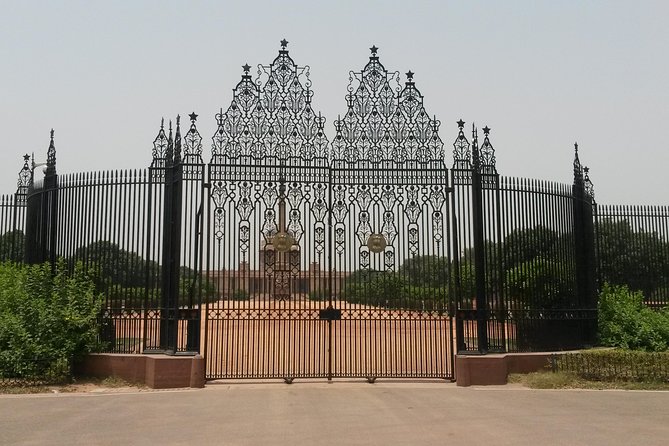
- Presidents House, visited from outside only
Even with outside-only views, these stops are worth it because they show a different kind of “Delhi importance.” Instead of trade and empire building concentrated in one old district, you see the modern narrative of nationhood and state power.
If you’re sensitive to crowds, try to stay patient here too. Memorial areas can get busy, and the timing of photos depends on how many groups arrive together.
Price and Value: What You Pay For, What Costs Extra
The tour price is listed at $141.67 per person for about 8 hours. The value comes from the structure:
- Hotel pickup and drop-off
- an English-speaking guide
- Airconditioned vehicle
- Bottled water
- Parking and fuel charges
That’s a lot that people often forget when comparing “cheap” tours. In Delhi, getting a driver for the day isn’t free, and a guide who can connect Old Delhi religious sites, bazaars, and historic monuments saves you from feeling lost.
The trade-off is clear: meals and monument entrance charges are extra. The tour also notes that gratuities are optional. So when you budget, think of the base price as transportation + guiding, then add expected ticket fees and at least one meal plan.
One more value point: the day is designed for first-time visitors who want an overview. If you’re only in Delhi for a short time, this kind of concentrated itinerary can be the difference between remembering landmarks and actually understanding how the city is organized.
Who Should Book This Tour (and Who Might Skip It)
This tour is a strong match if:
- it’s your first trip to Delhi and you want Old Delhi + New Delhi in one day
- you like history explained in plain language while you walk and ride
- you want a structured route with pickup/drop-off and minimal planning stress
It may not be the best fit if:
- you hate religious-site rules and prefer only secular sightseeing
- you want a day with time for long meals and slow pacing (this plan is an “overview day,” not a linger-and-relax day)
- you’re trying to keep every cost strictly inside the ticket price, because entrance fees and food aren’t included
Should You Book This Best of Delhi Tour?
I’d book it if you want a practical first pass at Delhi with the right transportation choices. The cycle rickshaw segment makes Old Delhi feel real, not staged, and the pairing with Humayun’s Tomb and Qutub Minar keeps the day balanced rather than one-sided.
If you do book, plan for the extras: reserve some cash for entrance charges and food, wear respectful clothes for religious stops, and bring comfortable shoes you can trust for a full morning into afternoon. With that, you’ll finish the day with the city sorted in your head: Old Delhi’s street life and New Delhi’s monument scale.
FAQ
What’s the tour duration?
The tour runs for about 8 hours (approximately 8–9 hours from pickup to return).
Is hotel pickup and drop-off included?
Yes. You get pick & drop from your Delhi hotel by airconditioned vehicle.
Are monument entrance charges included?
No. Monument entrance charges cost extra.
Do we visit Old Delhi using cars?
No. In Old Delhi, you typically use cycle rickshaws because motor vehicles can’t go into the narrow streets.
What should I wear for the religious sites?
You’ll visit religious places, so you should wear appropriate clothing and comfortable shoes.
Is this tour private?
Yes. It’s listed as a private tour/activity, and only your group participates.
More Tour Reviews in New Delhi
- Old & New Delhi City Tour – Half or Full Day Options Available
★ 5.0 · 4,811 reviews - Half Day Private Delhi City Tour
★ 5.0 · 4,474 reviews - Same Day Taj Mahal, Agra Fort & Baby Taj Tour from Delhi by Car
★ 5.0 · 4,304 reviews - Taj Mahal Day Tour from Delhi by Superfast Train – TOP RATED TOUR
★ 5.0 · 4,166 reviews - Delhi: Old and New Delhi Private Full or Half-Day Tour
★ 4.9 · 3,776 reviews
More of Old Delhi
- The Great Indian Food Tour: Old Delhi Food and Heritage Walk
★ 5.0 · 1,698 reviews - Old Delhi Food, Heritage&Cultural Walk with Rickshaw ride to Masterji Kee Haveli
★ 5.0 · 742 reviews - Old Delhi Bike Tour
★ 5.0 · 616 reviews - Old Delhi Street Food Tour
★ 5.0 · 497 reviews - Breakfast Walk in Old Delhi
★ 5.0 · 449 reviews
Old and New Delhi, Keep Exploring
- Old & New Delhi City Tour – Half or Full Day Options Available
★ 5.0 · 4,811 reviews - Delhi: Old and New Delhi Private Full or Half-Day Tour
★ 4.9 · 3,776 reviews - Delhi: Private Old & New Delhi Guided Half- or Full-Day Tour
★ 4.9 · 2,309 reviews - Old & New Delhi Private Tour – Half or Full Day (Rated Excellent)
★ 5.0 · 2,226 reviews - Old & New Delhi Full or Half Day Sightseeing Tour
★ 5.0 · 1,900 reviews
Just added: more New Delhi reviews to browse
- 4 days Golden Triangle Tour★ 5.0 · 3 reviews
- Discover Old & New Delhi: Private Tour with Street Food★ 5.0 · 3 reviews
- Taj Mahal Tour From Delhi By Private Car★ 4.5 · 3 reviews
- Golden Triangle Tour 5 Days★ 5.0 · 3 reviews
- Taj Mahal: Express Entry Ticket For Sunset Tour with guide★ 5.0 · 3 reviews
- Agra Taj Mahal Sunrise & Sunset Tour from Delhi★ 5.0 · 3 reviews
Old Delhi Tours, compared.
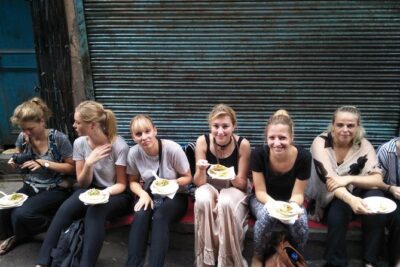 ★ 5.0The Great Indian Food Tour: Old Delhi Food and Heritage WalkFrom $431,698 reviews
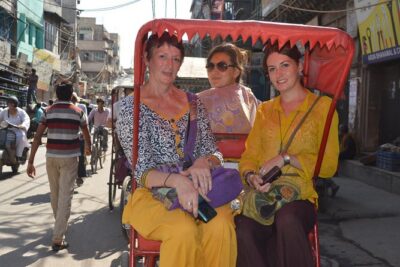 ★ 5.0Old Delhi Food, Heritage&Cultural Walk with Rickshaw ride to Masterji Kee HaveliFrom $52742 reviews
 ★ 5.0Old Delhi Bike TourFrom $30616 reviews
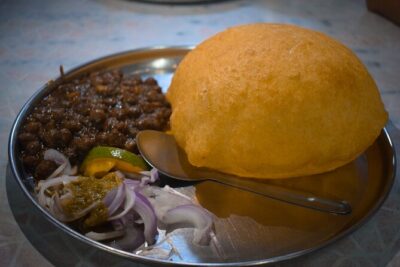 ★ 5.0Old Delhi Street Food TourFrom $40497 reviews
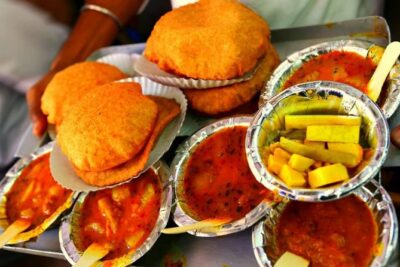 ★ 5.0Breakfast Walk in Old DelhiFrom $80449 reviews
 ★ 4.9Old Delhi Street Food Tour with Rickshaw RideFrom $43403 reviews
 ★ 4.9Old Delhi: Private Tour of Chandni Chowk, Tuk Tuk & FoodFrom $70345 reviews
 ★ 5.0New Delhi and Old Delhi Private Tour 4-8 Hours – CustomizableFrom $10342 reviews
Browse the lists this tour appears in