
Old Delhi on two wheels is a morning win. This Old Delhi cycle tour is timed to dodge Delhi traffic, so you get to move through Shahjahanabad’s 400-year-old lanes without spending your whole morning stuck on roads. I especially love the Jama Masjid and Red Fort photo stops and the fact that the ride comes with breakfast and tea built in. The main catch: it’s designed for people who feel comfortable biking (and you’ll start early, with a strict clothing rule to cover arms and legs).
With hotel pickup and a max of eight people, the pace stays human. You’re not fighting for space or yelling over a loud crowd. If you’re booking and you care about smooth logistics, this format tends to feel easy—though you do need moderate physical fitness and a willingness to pedal in busy areas.
In This Review
- Key Highlights Worth Marking on Your Map
- Why the 5:45 Meet Time Works Better Than You Think
- Small-Group Cycling in Old Delhi: What It Really Feels Like
- From Turkman Gate to Chawri Bazaar: The Alleyway Rhythm of Shahjahanabad
- Jama Masjid and the Red Fort: Photo Stops With Real Weight
- Chandni Chowk to Khari Baoli: Two Market Styles, One Smart Route
- Maidens Hotel, Old Delhi Railway Station, and Town Hall: Where the Tour Gets Context
- Breakfast at Gujarat Bhawan: The Point Where You Actually Refuel
- Price and Timing: Is $73 a Good Deal?
- Who Should Book This Ride (and Who Should Skip It)
- Should You Book the Old Delhi Cycle Tour?
- FAQ
- FAQ
- How long is the Old Delhi Cycle Tour?
- What time does the tour start?
- Is hotel pickup included?
- What group size should I expect?
- What’s included with the tour besides the bike ride?
- Are there age limits?
- Do I need to be an experienced cyclist?
- What should I wear?
- What happens if it rains?
Key Highlights Worth Marking on Your Map
- Early start before traffic means you ride before the chaos builds.
- Small group (up to 8 people) helps the guide keep an eye on everyone.
- Landmarks plus market lanes: Jama Masjid, Red Fort, Chandni Chowk, Khari Baoli.
- Breakfast and tea included—not an afterthought, but part of the plan.
- Cycling kit included: bike, helmet, and a small basket for your stuff.
Why the 5:45 Meet Time Works Better Than You Think
This tour is built around one idea: Delhi traffic can swallow time fast. You meet at 5:45am, and you’re set to cycle out around 6:30am, which is when the roads behave a bit more like a plan and less like a test of patience. If your goal is to see Old Delhi without burning your morning in a car, the schedule is a big part of the value.
Also, early hours change what you see. Some shops in the markets don’t open until later, so you’re not treated like a shopping stop. You’re instead riding through the working rhythm of Old Delhi—lanes, gates, wholesale areas—while vendors and stands that do open are doing their thing.
One practical note: the ride is about moving through neighborhoods, not stopping every 10 minutes. You’ll get photo time where it matters, but the tour still needs your legs.
More hours to spend in Old Delhi

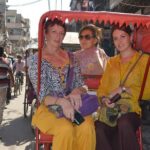


Small-Group Cycling in Old Delhi: What It Really Feels Like
Old Delhi can feel like you stepped into a living maze. That’s exactly why a guide matters, and this one works as a small-team setup with an English-speaking guide plus a supporting co-guide. The result is more control: less guesswork, fewer bottlenecks, and better navigation through the tight lanes.
Two guide names popped up in the experience—Rohan and Pooran—and they’re part of why the ride gets praised as fast and fun. In practice, that means the tour doesn’t drag at every turn, but it also doesn’t feel rushed. The best tours hit a balance: you get orientation, then you get motion.
And with eight guests max, you’re more likely to hear instructions clearly and spot safety cues quickly. You also get more personal attention if something feels off with your bike, your balance, or your comfort level.
From Turkman Gate to Chawri Bazaar: The Alleyway Rhythm of Shahjahanabad
The first stretch is where the tour earns its keep. After pickup, you get a safety briefing and orientation, then you ride into Shahjahanabad—Old Delhi’s ancient walled city. This area is described as a 400-year-old web of alleys, and that’s not marketing fluff. The streets turn, narrow, and re-route constantly, and the guide’s job is to keep you confident while you watch real daily life unfold.
You’ll pass through places like Turkman Gate and head toward Chawri Bazaar, described as the first wholesale market of Old Delhi. This matters because it shifts the experience from “tour of famous sights” into “glimpse of how the place actually functions.” Wholesale markets can be chaotic later, but early in the morning you can better read what’s happening.
A nice detail: the tour includes photo opportunities during key landmark transitions. So you’re not just pedaling past walls and doors—you’re getting moments that anchor the ride. Then you’re back on the bike, catching the next twist in the street.
If you’re an intermediate cyclist, you’ll likely appreciate how the route blends small lanes with stretches that feel more predictable. If you’re not comfortable in traffic-like conditions, this is not the tour to “learn on.”
Jama Masjid and the Red Fort: Photo Stops With Real Weight
The big religious landmark stop is Jama Masjid, noted as the largest mosque in India. The plan is straightforward: pause for photos and viewpoints, then continue. The tour schedule includes an admission ticket at this stop, so you’re not just looking at it from the roadside.
What I like about this part is the contrast. Jama Masjid sits as a major spiritual and architectural center, but the area around it still feels like Old Delhi—vendors, movement, and daily life. That blend is exactly why this cycling format works. You don’t arrive in a bubble. You arrive as part of the neighborhood’s morning flow.
Then the ride places the Red Fort right in your sightlines. The fort is a UNESCO World Heritage Site, and you’ll have photo opportunities for it as well—described as across the road from Jama Masjid. Even if you’re not going deep into the fort itself from this specific itinerary, seeing it in context helps your brain connect the architecture to the city.
One consideration: photo time is real, but it’s not designed for slow, long wandering. If you love to linger for 30+ minutes per stop, this tour’s structure might feel a bit tighter than you prefer.
Chandni Chowk to Khari Baoli: Two Market Styles, One Smart Route
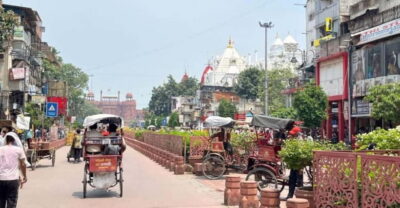
After Jama Masjid, you head toward Chandni Chowk, one of India’s largest wholesale markets and the oldest market in Old Delhi. This section is where you can smell and see why the markets are famous—especially because the tour timing means you witness vendors and early activity without fighting mid-day crowds.
The plan also calls out that some shops may be closed early, which is important. This isn’t a “shop till you drop” tour. Instead, it’s about biking through the market lanes and getting the atmosphere: the foot traffic patterns, the sights along the route, and the sense of how the market behaves.
Next comes Khari Baoli, the wholesale spice market. Spices here aren’t just a theme. They’re part of the visual story, with shops and sellers giving the street its signature character. If you’re the kind of person who wants to understand a place through how it trades and organizes itself, this stop will feel like a highlight.
A small heads-up from the tour details: most shopping isn’t the point, but fruit, vegetable, and flower stands will be open while many other shops may wait until later. So yes, you’ll see plenty of street life, but no, you shouldn’t plan on bargain hunting.
More of Delhi turned over two wheels
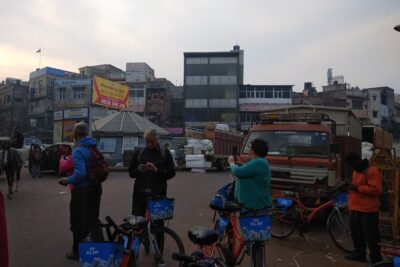
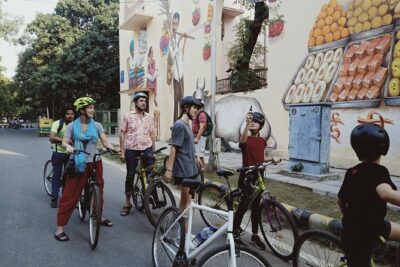
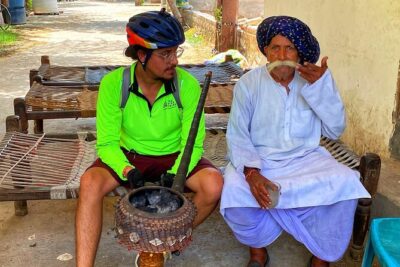
Maidens Hotel, Old Delhi Railway Station, and Town Hall: Where the Tour Gets Context
One of the best ways to make sense of Old Delhi is to connect the historic lanes to the institutions that shaped movement. That’s why the route passes by Maidens Hotel and then heads toward Old Delhi Railway Station.
When you reach the railway station, the tour includes explanation of its architecture and importance. That’s a smart move. People often treat railway stations like backdrops. Here, you get a guided lens to understand why the station matters to Old Delhi’s flow—how goods, people, and commerce moved and still move.
Then you ride down to Town Hall, and the tour finishes by heading toward Gujarat Bhawan for breakfast. Town Hall is a perfect “bridge stop” between the market lanes and the meal. It helps you stop thinking only in terms of streets and start thinking in terms of how the city planned public spaces.
If your travel style is photo-heavy, you might focus on the architecture and big landmarks here. If your style is story-heavy, you’ll enjoy the guide’s context.
Breakfast at Gujarat Bhawan: The Point Where You Actually Refuel
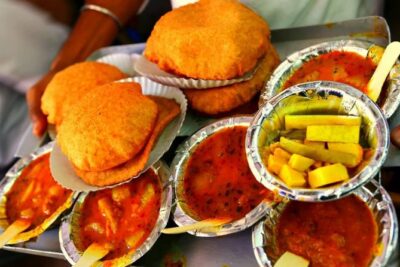
The tour doesn’t end with a goodbye at a random street corner. It ends at Gujarat Bhawan for local Indian breakfast, with tea and bottled water included along the way.
This is more valuable than it sounds. After cycling and weaving through morning streets, your body needs a reset. And because breakfast is part of the structure, you’re less likely to miss it or scramble for food on your own.
From the tour details, you also get a water bottle and an equipment kit (bike and helmet), so you can focus on enjoying the ride instead of carrying extra stuff. Each bike has a small basket for personal belongings, which is one of those tiny details that suddenly matters once you’re actually on the street.
If you have food allergies, the tour requests you tell them when booking. That’s the right move, especially with breakfast on the schedule.
Price and Timing: Is $73 a Good Deal?
At $73 per person for about three hours, this tour sits in a reasonable middle zone for an Old Delhi experience. The key is what you get for that price:
- Hotel pickup and drop-off
- Bike and helmet
- English-speaking guide (plus a supporting co-guide)
- Breakfast and tea
- Bottled water
For me, the value comes from the whole package. You’re paying not only for the bike ride, but also for a guided early-morning route, landmark timing, and real included food. If you tried to DIY this route, you’d likely spend time figuring out safe navigation through lanes, plus the cost of getting to-and-from the pickup points, and the hassle of coordinating breakfast.
Also, the tour is limited to 8 people, which helps justify the guide attention. And because the ride is scheduled to beat traffic, you’re paying for time efficiency too.
Who Should Book This Ride (and Who Should Skip It)
This is best for you if:
- You’re comfortable cycling and want an intermediate-level Old Delhi route.
- You like markets, landmarks, and street atmosphere more than big museum time.
- You want the city context—Jama Masjid’s importance, the Red Fort’s presence, and architecture notes at Old Delhi Railway Station.
- You prefer small-group guidance, especially in tight lanes.
You should think twice if:
- You’re new to cycling or nervous on bikes in busy areas.
- You want a long, unstructured wander with no schedule pressure.
- Your fitness level is below moderate for an active three-hour morning.
One more practical detail: the tour asks for clothing that covers arms and legs, and you should wear comfortable shoes for walking and biking. Try not to wear loose-hanging items that can get in the way.
Should You Book the Old Delhi Cycle Tour?
I’d book it if your goal is to see Old Delhi in a way that feels alive, not just photographed. The early start, the small group size, and the built-in breakfast and tea add real comfort. You get landmark stops like Jama Masjid and strong views toward the Red Fort, plus market riding through Chandni Chowk and Khari Baoli without turning the trip into a shopping mission.
It’s also a good choice if you want guides to help you navigate the city’s layout. The ride is praised for being fast and well-led, and with guide names like Rohan and Pooran showing up, you know the navigation and pacing are a strength.
If you’re not comfortable biking, or you hate early mornings, you’ll probably enjoy Old Delhi more from a slower paced plan. But if you’re game for two wheels and a focused three-hour morning, this tour gives you a lot of Old Delhi per minute.
FAQ
FAQ
How long is the Old Delhi Cycle Tour?
The tour runs for about 3 hours.
What time does the tour start?
The meeting time is 5:45am, and the itinerary indicates you set out by 6:30am to avoid heavy traffic.
Is hotel pickup included?
Yes, hotel pickup and drop-off are included.
What group size should I expect?
It’s a small group with a maximum of 8 people per booking.
What’s included with the tour besides the bike ride?
The tour includes use of bicycle and helmet, local Indian breakfast, tea, bottled water, and an English-speaking guide (plus a supporting co-guide).
Are there age limits?
The minimum age is 6 years.
Do I need to be an experienced cyclist?
The tour is designed for people comfortable riding a bike and is recommended for those with intermediate cycling comfort. It’s not recommended if you’re unfamiliar with biking.
What should I wear?
Wear comfortable shoes for walking and biking. Clothes must cover arms and legs, and avoid loose-hanging items.
What happens if it rains?
In the event of rain, the tour will be cancelled, and you’ll be offered an alternative date or a full refund.
More Tour Reviews in New Delhi
- Old & New Delhi City Tour – Half or Full Day Options Available
★ 5.0 · 4,811 reviews - Half Day Private Delhi City Tour
★ 5.0 · 4,474 reviews - Same Day Taj Mahal, Agra Fort & Baby Taj Tour from Delhi by Car
★ 5.0 · 4,304 reviews - Taj Mahal Day Tour from Delhi by Superfast Train – TOP RATED TOUR
★ 5.0 · 4,166 reviews - Delhi: Old and New Delhi Private Full or Half-Day Tour
★ 4.9 · 3,776 reviews
Delhi on Two Wheels
- Old Delhi Bike Tour
★ 5.0 · 616 reviews - Delhi By Cycle & Old Delhi
★ 5.0 · 329 reviews - 3.5-Hours South Delhi Private Bike Tour with Lodi Art District
★ 5.0 · 37 reviews - Premium Delhi Aravalli Organic Cycle Tour – A glimpse of Real and Rural India
★ 5.0 · 25 reviews - Raj Tour- New Delhi Cycle Tour
★ 5.0 · 22 reviews
More of Old Delhi
- The Great Indian Food Tour: Old Delhi Food and Heritage Walk
★ 5.0 · 1,698 reviews - Old Delhi Food, Heritage&Cultural Walk with Rickshaw ride to Masterji Kee Haveli
★ 5.0 · 742 reviews - Old Delhi Bike Tour
★ 5.0 · 616 reviews - Old Delhi Street Food Tour
★ 5.0 · 497 reviews - Breakfast Walk in Old Delhi
★ 5.0 · 449 reviews
Just added: more New Delhi reviews to browse
- 4 days Golden Triangle Tour★ 5.0 · 3 reviews
- Discover Old & New Delhi: Private Tour with Street Food★ 5.0 · 3 reviews
- Taj Mahal Tour From Delhi By Private Car★ 4.5 · 3 reviews
- Golden Triangle Tour 5 Days★ 5.0 · 3 reviews
- Taj Mahal: Express Entry Ticket For Sunset Tour with guide★ 5.0 · 3 reviews
- Agra Taj Mahal Sunrise & Sunset Tour from Delhi★ 5.0 · 3 reviews
Old Delhi Tours, compared.
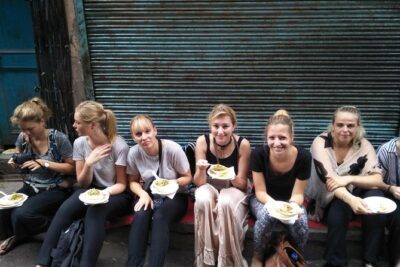 ★ 5.0The Great Indian Food Tour: Old Delhi Food and Heritage WalkFrom $431,698 reviews
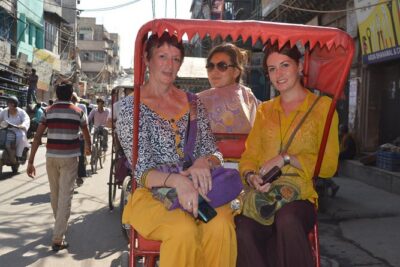 ★ 5.0Old Delhi Food, Heritage&Cultural Walk with Rickshaw ride to Masterji Kee HaveliFrom $52742 reviews
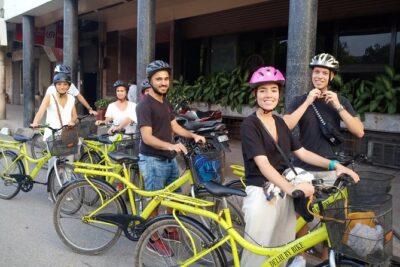 ★ 5.0Old Delhi Bike TourFrom $30616 reviews
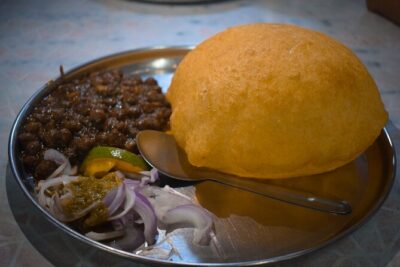 ★ 5.0Old Delhi Street Food TourFrom $40497 reviews
 ★ 5.0Breakfast Walk in Old DelhiFrom $80449 reviews
 ★ 4.9Old Delhi Street Food Tour with Rickshaw RideFrom $43403 reviews
 ★ 4.9Old Delhi: Private Tour of Chandni Chowk, Tuk Tuk & FoodFrom $70345 reviews
 ★ 5.0New Delhi and Old Delhi Private Tour 4-8 Hours – CustomizableFrom $10342 reviews
Browse the lists this tour appears in