
Old Delhi is the kind of place where you can blink and get turned around. This rickshaw tour gives you a guided path through historic lanes, with wireless audio headsets so you can actually follow the story. You’ll visit major landmarks like Red Fort and Jama Masjid, plus smaller stops that help you understand daily life around Chandni Chowk.
I especially like two things: the audio headsets (no shouting across traffic and no straining to hear) and the way the tour mixes religious sites and street markets. And yes, the pace is built for time-strapped days, with most stops kept to quick walks and short moments inside key places.
One consideration: admissions are only partially included. Several stops are listed as free, but Jama Masjid’s admission ticket is not included, so plan for that cost if you want to go inside.
In This Review
- Key points worth knowing before you go
- Old Delhi on a luxury rickshaw: practical sightseeing, not a stress test
- Audio headsets: the quiet magic trick in a noisy city
- Price and value: what you’re actually paying for at $85
- Where you start: the meeting point near Chandni Chowk
- Stop-by-stop: what each place teaches you (and how long it takes)
- Red Fort: the big UNESCO anchor
- Sri Digambar Jain Lal Mandir: a Jain perspective in a tight area
- Mirza Ghalib Ki Haveli: poetry and Mughal-era culture
- Naughara (Row of Nine Houses): the 18th-century side street
- Fatehpuri Mosque: Mughal-era ties to Shahjahan
- Gadodia Market: from a palace to spice warehouses
- Gauri Shankar Temple: a Shiva temple with an 800-year-old lingam
- Gurudwara Sis Ganj Sahib: Sikh worship in Old Delhi
- Jama Masjid: the biggest stop, with one ticket detail
- The pacing and group setup: why 2–4 hours feels right
- What makes it feel memorable: the mix of meaning and momentum
- Who this tour suits best
- Should you book it? My honest take
- FAQ
- How long is the Old Delhi rickshaw tour?
- What’s included in the tour price?
- Do I need to buy tickets for the places you visit?
- Is hotel pickup included?
- Where do we meet for the tour?
- Does the tour include audio headsets?
Key points worth knowing before you go
- Rickshaw comfort for tight lanes: you ride while your guide handles the navigation.
- Audio headsets for clear commentary: you won’t lose the explanations when things get noisy.
- Food tasting + bottled water + snacks: you’re not paying extra for basic refuel stops.
- A mix of faiths and neighborhoods: temples, mosques, a gurudwara, and market streets in one run.
- A local guide named Jeswin is cited: the experience is described as organized and accommodating.
Old Delhi on a luxury rickshaw: practical sightseeing, not a stress test
Old Delhi has a reputation for being hard to navigate, and the reason is simple: the lanes are narrow, the turns come fast, and there’s always something happening along the way. This tour solves that with a guided route from the rickshaw seat, so you spend your energy looking at scenes instead of staring at your phone.
The rickshaw element is also a quality-of-life upgrade. You’re not constantly switching between transport and trying to match someone else’s pace. Instead, you get a steady flow: short walks at each stop, then back in the rickshaw to travel the next stretch. That matters if you’re visiting Delhi for only a few days and want the highlights without turning your day into a logistics project.
The tour is sold as 2 to 4 hours, which is a helpful window. It’s long enough to feel like you covered a chunk of Old Delhi, but short enough that you don’t burn an entire day fighting heat, crowds, and route-finding. If your plan includes other stops in Delhi later, this is the kind of half-day experience that fits without derailing the rest of your schedule.
More hours to spend in Old Delhi




Audio headsets: the quiet magic trick in a noisy city
Here’s the thing about Old Delhi: sound travels oddly. You get the mix of street noise, vendors calling, prayers echoing, and voices bouncing off walls. Without help, it’s easy to miss what your guide is saying.
That’s why the headsets are a big deal. With live commentary via wireless headsets, your guide’s explanations stay clear even when you’re standing close to busy market activity. You can listen without leaning forward like you’re trying to catch a whisper in a football stadium.
This also changes how you’ll experience religious sites. You’re not just looking at buildings—you’re picking up context about why a place matters. And when you’re walking into crowded areas, being able to focus on what your guide is explaining makes the experience feel more intentional and less like a checklist.
Price and value: what you’re actually paying for at $85
At $85 per person, you’re paying for more than a route. You’re getting a local guide, a rickshaw ride, bottled water, and food tasting plus snacks. That matters because in Old Delhi, you can easily spend extra money on small purchases just to keep energy levels up.
You’re also getting headsets, which are often the missing piece in casual walking tours. Many tours include a guide and a meeting point, but not the equipment that keeps you from losing the narration when the street gets loud.
Admission is a mixed bag. The tour lists admission tickets as free for several stops, but Jama Masjid’s admission ticket is not included. So treat this as a mostly-included experience with one or two add-on costs depending on what you want to do inside.
One more value point: it’s described as private for your group only. That usually means less waiting around for strangers and fewer personality mismatches in a small experience where timing matters.
Where you start: the meeting point near Chandni Chowk
You meet at Charity Birds Hospital next to Shri Digambar Jain Lal Mandir, opposite Red Fort, in Chandni Chowk, Delhi 110006. The location is handy because it places you right where Old Delhi sightseeing starts to feel real, without a long cross-city transfer.
The tour ends back at the meeting point. That’s a practical detail you’ll appreciate when you’re trying to plan what comes next—dinner, another attraction, or simply a well-earned break.
Stop-by-stop: what each place teaches you (and how long it takes)
The tour moves in short, manageable segments. Most stops are around 10 minutes, with a couple that stretch to about 15. The goal is to give you meaning quickly, not to demand a long temple circuit.
More guided days, made simple

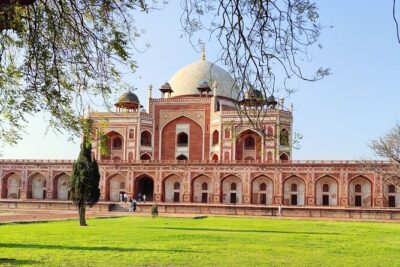

Red Fort: the big UNESCO anchor
You start with Red Fort, a UNESCO world heritage site. It’s a major Mughal landmark associated with Emperor Shah Jahan (the tour notes link it to the Mughal era and his reign). Even if you only take a short moment here, it sets the historical frame for everything that follows.
The benefit of starting at a well-known anchor is orientation. Before you slip into smaller lanes, you have a sense of what time period you’re exploring. The trade-off is that you’re not treating Red Fort as a deep, standalone visit—this is designed as a guide-driven sampling route.
Sri Digambar Jain Lal Mandir: a Jain perspective in a tight area
Next is Sri Digambar Jain Lal Mandir, with free admission listed. This stop helps you see how multiple faith communities have long shaped Old Delhi’s streets.
The tour’s commentary highlights that Jainism has Indian origins and notes early dates around 599 BC. Even with a short stop, you can pick up the big idea: Old Delhi’s religious life isn’t one-note. It’s layered.
Mirza Ghalib Ki Haveli: poetry and Mughal-era culture
Mirza Ghalib Ki Haveli is where the tour shifts from architecture to culture. The notes explain that Mirza Ghalib was a famous Mughal-era poet and that this haveli is associated with years he spent there.
In practical terms, this is a good pause. You get out of pure street-market motion and look at a residence tied to literature. It’s short—about 10 minutes—but it adds personality to the day.
Naughara (Row of Nine Houses): the 18th-century side street
Naughara means nine houses. This is one of those spots that’s hard to find on your own because it’s not always the headline name in search results. The tour focuses on a row of 18th-century mansions in traditional appearance, plus an ornate Jain temple in the same street area.
Why I like this stop: it makes the tour feel different from a standard Old Delhi highlights run. You see a “pattern” of the neighborhood rather than just one famous building.
Fatehpuri Mosque: Mughal-era ties to Shahjahan
Fatehpuri Mosque is on the western end of Chandni Chowk. The notes mention it as a mosque tied to one of Shah Jahan’s wives and point to its earlier historical importance as an attractive-looking mosque at the time of construction.
Even if you only spend about 10 minutes, it helps connect the geography of Chandni Chowk with the empire-scale story behind many monuments nearby.
Gadodia Market: from a palace to spice warehouses
Gadodia Market is described as starting from a palace belonging to a person named Mr. Gadodiya. After his death, people made spice warehouses. In other words, you get a working-market story tied to real estate change and everyday commerce.
The practical value here is that markets aren’t just places to shop. They’re also living history. A short walk through open warehouses storing spices gives you a sensory sense of the old trading economy.
Gauri Shankar Temple: a Shiva temple with an 800-year-old lingam
Gauri Shankar Temple is one of the most important temples of Shivism in the country, according to the tour notes. The tour mentions an 800-year-old brown lingam and includes detail about bejeweled statues of Gauri and Shiva.
This is the kind of stop where your headset narration matters. With only about 10 minutes, you need context quickly to make the scene land. The temple adds a different religious lens than the mosques and Jain sites you saw earlier.
Gurudwara Sis Ganj Sahib: Sikh worship in Old Delhi
Gurudwara Sis Ganj Sahib is a Sikh place of worship. The tour explains that Sikhism developed through ten Gurus from 1469 to 1708 and gives you a quick framing of how Sikh tradition grew over time.
The stop is brief (about 10 minutes), but it helps round out the big picture: Old Delhi is not just Mughal or just one faith. Multiple traditions show up street-by-street.
Jama Masjid: the biggest stop, with one ticket detail
Jama Masjid is listed as the largest mosque of India, and the notes say it’s also among the top ten largest mosques in the world. They also mention the world’s tallest brick minaret.
This stop takes about 15 minutes, which is longer than most others. But there’s an important detail: the admission ticket is not included. So if you want to go inside, budget for the ticket separately and plan on having enough time for the entry process.
The pacing and group setup: why 2–4 hours feels right
This experience is built around short visits and quick travel segments by rickshaw. That makes it easier to manage attention in places where you’re moving constantly. It also fits well if you’ve already got plans around Delhi’s major sights.
It’s described as Most travelers can participate, and it’s private for your group only. You’ll likely feel less rushed than some group tours because the route is designed for your schedule and your party’s pace.
A small but important planning tip: wear comfortable shoes. Even when a stop is only 10 minutes, you’re still walking through active areas. And bring a water bottle for after, even though bottled water is included on the tour.
What makes it feel memorable: the mix of meaning and momentum
A standard sightseeing day can turn into “look, photo, move on.” This tour has a different rhythm. By pairing temples, mosques, a gurudwara, a poetic haveli, and market streets, you get a sense of how Old Delhi works—spirit, commerce, and culture sharing the same streets.
The best compliment in the experience is the way it’s described as organized and accommodating, including mention of a guide named Jeswin and a driver who were brilliant. That kind of on-the-ground flexibility matters in Old Delhi, where one unexpected delay can throw off a tight schedule.
If you’re the type who likes to understand what you’re looking at, the headsets help you do that without missing your place in the crowd.
Who this tour suits best
You’ll be especially happy with this if:
- You only have a short window in Delhi and want Old Delhi context fast
- You don’t want to navigate complicated lanes on your own
- You care about hearing a coherent story, not just passing by landmarks
- You want included basics like bottled water and food tasting
It may be less ideal if you’re looking for a slow, do-everything deep museum-style day. This is a smart half-day approach, not a full-day marathon.
Should you book it? My honest take
Book it if you want an Old Delhi overview that doesn’t leave you lost, overheated, or confused. The audio headsets, the rickshaw ride, and the mix of religious + market stops make it a strong value for a half-day plan.
Skip or reconsider if you’re the kind of visitor who wants to spend a long time inside just one major monument. Also double-check your comfort with a ticket add-on at Jama Masjid since that’s not included.
FAQ
How long is the Old Delhi rickshaw tour?
The tour lasts about 2 to 4 hours.
What’s included in the tour price?
It includes bottled water, food tasting, snacks, and headsets to hear the guide clearly, along with live commentary and a local guide.
Do I need to buy tickets for the places you visit?
Many stops are listed as free, but Jama Masjid admission ticket is not included.
Is hotel pickup included?
No. Hotel pickup and drop-off are not included.
Where do we meet for the tour?
You start at Charity Birds Hospital next to Shri Digambar Jain Lal Mandir, opposite to Red Fort, Chandni Chowk, Delhi 110006, India, and you end back at the same meeting point.
Does the tour include audio headsets?
Yes. The tour includes headsets so you can hear the guide without straining in the busy streets.
More Tours in New Delhi
- Old & New Delhi City Tour – Half or Full Day Options Available
★ 5.0 · 4,811 reviews - Half Day Private Delhi City Tour
★ 5.0 · 4,474 reviews - Same Day Taj Mahal, Agra Fort & Baby Taj Tour from Delhi by Car
★ 5.0 · 4,304 reviews - Taj Mahal Day Tour from Delhi by Superfast Train – TOP RATED TOUR
★ 5.0 · 4,166 reviews - Delhi: Old and New Delhi Private Full or Half-Day Tour
★ 4.9 · 3,776 reviews
More Tour Reviews in New Delhi
- Old & New Delhi City Tour – Half or Full Day Options Available
★ 5.0 · 4,811 reviews - Half Day Private Delhi City Tour
★ 5.0 · 4,474 reviews - Same Day Taj Mahal, Agra Fort & Baby Taj Tour from Delhi by Car
★ 5.0 · 4,304 reviews - Taj Mahal Day Tour from Delhi by Superfast Train – TOP RATED TOUR
★ 5.0 · 4,166 reviews - Delhi: Old and New Delhi Private Full or Half-Day Tour
★ 4.9 · 3,776 reviews
More of Old Delhi
- The Great Indian Food Tour: Old Delhi Food and Heritage Walk
★ 5.0 · 1,698 reviews - Old Delhi Food, Heritage&Cultural Walk with Rickshaw ride to Masterji Kee Haveli
★ 5.0 · 742 reviews - Old Delhi Bike Tour
★ 5.0 · 616 reviews - Old Delhi Street Food Tour
★ 5.0 · 497 reviews - Breakfast Walk in Old Delhi
★ 5.0 · 449 reviews
Just added: more New Delhi reviews to browse
- 4 days Golden Triangle Tour★ 5.0 · 3 reviews
- Discover Old & New Delhi: Private Tour with Street Food★ 5.0 · 3 reviews
- Taj Mahal Tour From Delhi By Private Car★ 4.5 · 3 reviews
- Golden Triangle Tour 5 Days★ 5.0 · 3 reviews
- Taj Mahal: Express Entry Ticket For Sunset Tour with guide★ 5.0 · 3 reviews
- Agra Taj Mahal Sunrise & Sunset Tour from Delhi★ 5.0 · 3 reviews
Old Delhi Tours, compared.
 ★ 5.0The Great Indian Food Tour: Old Delhi Food and Heritage WalkFrom $431,698 reviews
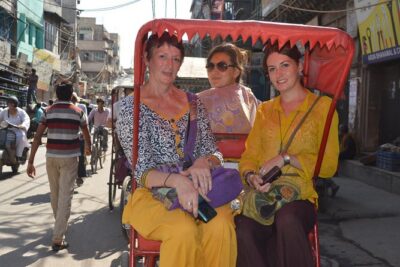 ★ 5.0Old Delhi Food, Heritage&Cultural Walk with Rickshaw ride to Masterji Kee HaveliFrom $52742 reviews
 ★ 5.0Old Delhi Bike TourFrom $30616 reviews
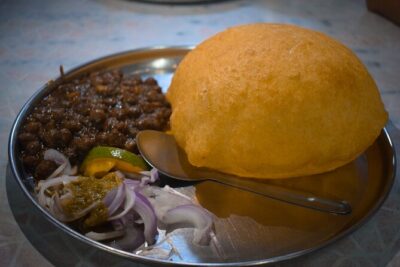 ★ 5.0Old Delhi Street Food TourFrom $40497 reviews
 ★ 5.0Breakfast Walk in Old DelhiFrom $80449 reviews
 ★ 4.9Old Delhi Street Food Tour with Rickshaw RideFrom $43403 reviews
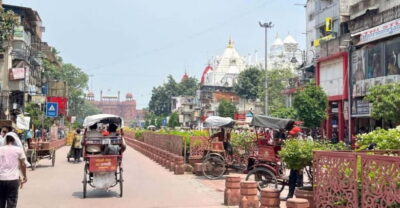 ★ 4.9Old Delhi: Private Tour of Chandni Chowk, Tuk Tuk & FoodFrom $70345 reviews
 ★ 5.0New Delhi and Old Delhi Private Tour 4-8 Hours – CustomizableFrom $10342 reviews
Browse the lists this tour appears in