
Reviewed · OLD DELHI TOURS
Old Delhi through the Hidden Alleys Walking Tour
Old Delhi can feel like organized chaos. That’s exactly why this private walk works: you learn how Shahjahanabad was shaped, then you move through it on foot—gali after gali—until it starts to make sense.
I love the way the tour connects street-level life to big historical change, from Mughal power to British rule and the way the city got reshaped. You also get a guide who’s based in Delhi and explains with clear, fast rhythm—Elena (and her team under Elena&Delhi) is repeatedly praised for staying precise while still making the walk feel human.
My only real caution: you’ll pay extra for Jama Masjid entry (₹400 per person) and you’ll need to plan around heat and crowds, since the experience works best in good weather.
In This Review
- Key things I’d mark on your mental map
- Old Delhi’s hidden alleys: why Shahjahanabad still feels like the real thing
- Meet at Asaf Ali Road, then get your bearings fast
- The big story: Mughal to British power, told where it mattered
- Jama Masjid: more than a landmark stop
- Chandni Chowk bazaars: where the route turns into a daily-life lesson
- Khari Baoli spice market: the most sensory stretch of the day
- Hidden lanes near Old Delhi homes: seeing scale you can’t get from big sights
- The street-food taste and bottled water: why those tiny inclusions matter
- Price and value: $121.35 per group can be a smart deal
- Timing, weather, and what to expect in a 4-hour morning walk
- Who this tour is best for (and who might want something else)
- Final verdict: should you book the Hidden Alleys tour?
- FAQ
- How long is the Old Delhi through the Hidden Alleys Walking Tour?
- How much does the tour cost?
- What’s included in the price?
- Is the Jama Masjid entry fee included?
- Where does the tour start?
- Does the tour include transportation?
- What day and time does the tour run?
- What happens if the weather is poor?
Key things I’d mark on your mental map
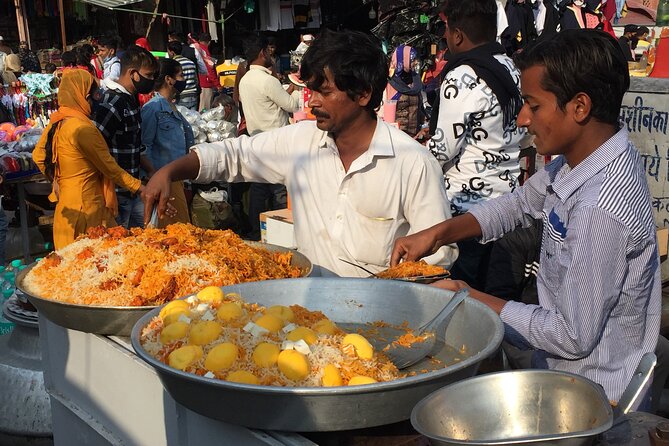
- Shahjahanabad’s narrow gali maze: the walk is the point, not just the views.
- Jama Masjid at the center of empire: you’ll reach the second-largest mosque in India and learn why emperors mattered here.
- Chandni Chowk bazaars → Khari Baoli spice market: you go from shopping streets to sensory spice-world.
- Street food taste + bottled water: small inclusions that keep you moving without hassle.
- Private group up to 6: you get your own pace and your own questions answered.
- Italian-language guidance with local roots: Elena is repeatedly noted for warm, professional communication.
Old Delhi’s hidden alleys: why Shahjahanabad still feels like the real thing
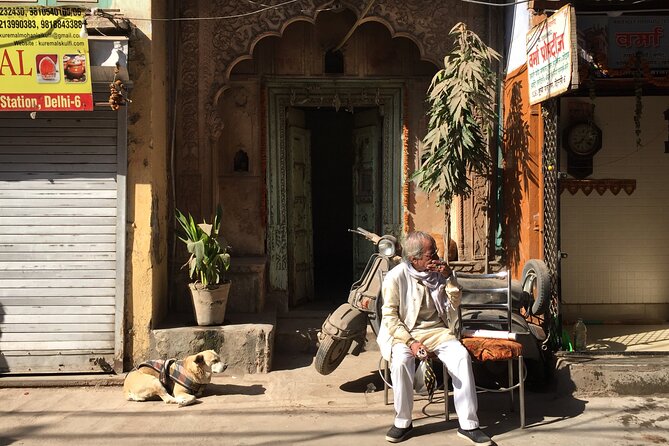
Old Delhi has a reputation for being loud, crowded, and fast. But when you walk it with purpose, it stops being random. You start to notice how streets connect, how neighborhoods evolved, and why the city’s layout feels the way it does today.
This is a 4-hour private walking tour focused on Shahjahanabad—once the Mughal-era city now known as Old Delhi. The idea isn’t to tick off monuments. It’s to understand how the “in-between” streets and old lanes shaped daily life, and how the shift between Mughal rule and British power helped change the face of one of the world’s wealthiest cities.
I also like that you don’t just hear dates. You walk through the places where the stories took physical form. That matters in Delhi, where history isn’t behind glass—it’s on the street.
More hours to spend in Old Delhi




Meet at Asaf Ali Road, then get your bearings fast
You start back where you begin: Asaf Ali Road near Turkman Gate and Chandni Chowk. The location is a practical choice because it sits right in the Old Delhi flow, where getting “to the start” is less painful than from far away.
From the first stretch, you’ll be guided through the basic geography of Old Delhi. People often mix up Old Delhi and New Delhi, and the tour’s opening helps you untangle that. You’re not expected to know the city before you arrive—your guide’s job is to make the layout click while you’re walking.
Also, since the tour is private for up to 6 people, the pace can match your group. If you’re traveling with someone who needs a slower rhythm, or you want more explanation at a specific stop, a small group makes that easier than a big open-ended crowd.
The big story: Mughal to British power, told where it mattered
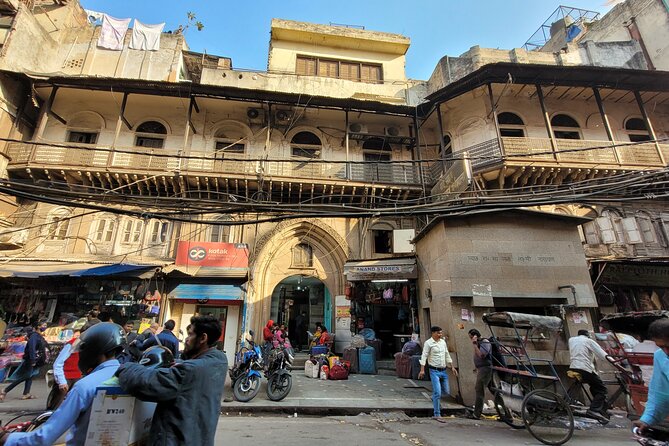
One of the tour’s strengths is how it uses history without turning it into a lecture. The tour frames a major turning point: the struggle and transition between Mughal authority and British rule, a change described as brutally decisive for Shahjahanabad.
What you’ll take away is more practical than academic. You’ll understand why certain institutions, streets, and religious landmarks became anchors. You’ll also get a sense of how power doesn’t just change rulers—it changes what gets built, what gets used, and what becomes central.
Elena’s style (based on repeated feedback) is often described as precise and engaging. That shows up in the way historical explanations stay tied to what you’re actually seeing as you walk. Instead of losing the thread, you keep moving with the story in your head.
Jama Masjid: more than a landmark stop
You’ll arrive at Jama Masjid, known as the second-largest mosque in India. It’s also connected to the mosque used by emperors, which gives it weight beyond architecture.
This is one of those stops where the setting does half the explaining. As you approach, the mosque becomes a reference point for the entire neighborhood. It’s easier to connect “the city as a whole” to “this specific place” when your route actually leads you there.
One practical note: Jama Masjid entry is not included. The entry fee is listed at ₹400 per person, so build that into your budget early. If you’re the type who hates surprise costs, keep this number in your pocket.
Chandni Chowk bazaars: where the route turns into a daily-life lesson
After Jama Masjid, you continue through the busy web of bazaars along Chandni Chowk. This is where the tour shifts from empire-scale history to real, day-to-day Delhi energy—shopping streets, narrow routes, and that constant sense of motion.
Chandni Chowk is also where you’ll likely understand why Old Delhi feels like a maze. “Gali” streets aren’t just narrow; they’re functional. They shape how people move, where commerce happens, and how neighborhood life concentrates.
And yes, there’s a food element here: the tour includes a taste of street food, plus bottled water. Those two inclusions are small, but they help the walk feel complete—like you’re not just observing, you’re participating in a Delhi ritual.
New Delhi at a walking pace, a few more routes
Khari Baoli spice market: the most sensory stretch of the day
Next comes Khari Baoli, the spice market. If Chandni Chowk is the motion, Khari Baoli is the senses. Spices change the pace of a place; even before you look closely, you feel that this neighborhood has a job.
This segment matters because it grounds the history in economy. Old Delhi’s power shifts weren’t only political. They also influenced trade patterns, where goods moved, and why particular streets became specialized.
This is also a good part of the tour to slow down mentally. Let the guide explain what you’re seeing, then pause long enough to notice how vendors and shoppers use the narrow space. That kind of attention turns “crowds” into a system.
Hidden lanes near Old Delhi homes: seeing scale you can’t get from big sights
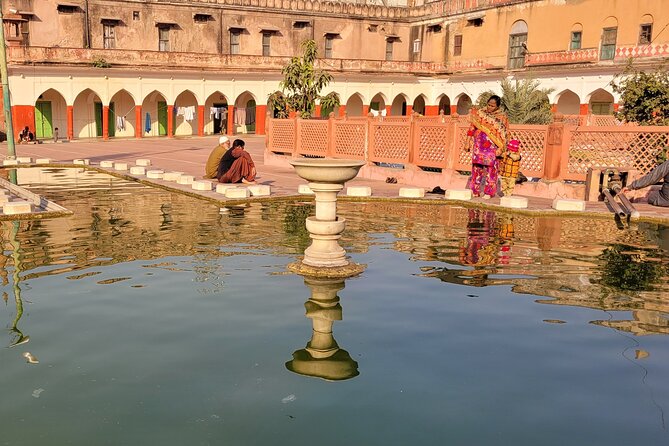
A major promise of this tour is that you’ll enter narrow lanes that still give you an idea of what older houses were like. The goal isn’t nostalgia. It’s scale.
When you walk these side streets, you understand how people once lived with the constraints of space—how homes fit into the street grid, how privacy and community shared the same geography, and how daily life worked in tight quarters.
Elena and her approach come up again here: guides who live in the city tend to explain the “invisible rules” of a place—the unspoken rhythm of moving through lanes and how to read what matters. The repeated praise for her professionalism and her ability to tailor the experience (especially for time-limited travelers) suggests you won’t be stuck with generic commentary.
The street-food taste and bottled water: why those tiny inclusions matter
It’s easy to ignore small inclusions when you’re browsing. Here, I think they’re actually part of why the tour works.
You get a street food taste (not an endless food tour) and bottled water, which helps you stay comfortable during a morning walk that can run through intense heat and crowded sections. When you’re walking 4 hours and weaving through markets, “hydration and one bite” is more valuable than it sounds.
If you’re sensitive to spice or unfamiliar flavors, it’s still worth going. Just know that the tour is designed to keep you moving through the city, not to stop for a long meal.
Price and value: $121.35 per group can be a smart deal
The tour costs $121.35 per group, for up to 6 people. That pricing structure is the main value lever.
Here’s how the value changes:
- If you book solo or as a couple, you’ll pay more per person.
- If you’re traveling as a small group and can fill 3 to 6 spots, the per-person cost drops fast.
- Because the tour is private, you’re paying for time with a guide plus a route designed for Old Delhi’s tricky maze.
Also remember what’s and isn’t included:
- Included: street food taste and bottled water.
- Not included: Jama Masjid entry fee (₹400 per person) and public transportation ₹200 per booking.
That public-transport figure matters mainly if you need it for the approach or logistics on your travel day. And the mosque fee is the one you’ll definitely want to plan for.
In short: if you want a guided Old Delhi experience that’s organized enough to reduce stress but still leaves room for real street life, the price structure makes sense.
Timing, weather, and what to expect in a 4-hour morning walk
This tour runs in a morning window, with Monday hours listed as 8:00 AM to 12:30 PM. The overall run dates extend across multiple years, but the key for planning is the morning schedule.
Good weather matters. The experience notes that it requires good weather, and if conditions are poor, you’ll be offered a different date or a full refund. That’s the kind of policy that matters in Delhi, where humidity and heat can turn a walking plan into a misery contest.
What to expect physically: this is a walking tour through narrow lanes, markets, and dense streets. Even with a good guide, you’ll want comfortable shoes and a flexible attitude. The route is part of the story, so you shouldn’t expect wide sidewalks or easy pacing for every stretch.
Who this tour is best for (and who might want something else)
I’d recommend this tour if you want:
- A private Old Delhi walking tour that explains the city’s shape, not just its sights.
- A guide who can manage both history and street-level reality in a way that stays readable on foot.
- An experience that includes Jama Masjid, Chandni Chowk, and the Khari Baoli spice market in one coherent morning route.
It may be less ideal if:
- You hate walking in crowded market areas.
- You’re only interested in major monuments with minimal time spent moving through neighborhoods.
- You have limited flexibility to handle weather-related changes.
If you’re traveling with someone who only speaks Italian, this is also a strong option—Elena’s Italian-language guidance is a recurring theme in feedback. That language match can turn a stressful city into a calm one fast.
Final verdict: should you book the Hidden Alleys tour?
If you want Old Delhi to feel like a place you understand, not just a place you survive, I think this tour is a smart booking. You’ll get the big historical arc (Mughal to British change), the centerpiece of Jama Masjid, and the market-to-spice shift that makes the city’s daily rhythm click.
Book it if you value a guided route through Shahjahanabad’s alleys and you’re okay budgeting for Jama Masjid entry. Skip it if you’re looking for a short, quiet, monument-only visit with minimal walking.
If you do book, come ready for lanes and crowds—then let Elena handle the pacing and the explanations.
FAQ
How long is the Old Delhi through the Hidden Alleys Walking Tour?
The tour lasts about 4 hours.
How much does the tour cost?
It costs $121.35 per group, up to 6 people.
What’s included in the price?
You get a taste of street food and bottled water.
Is the Jama Masjid entry fee included?
No. The entry fee to Jama Masjid is listed as ₹400 per person.
Where does the tour start?
The meeting point is Asaf Ali Road near Turkman Gate and Chandni Chowk, Delhi.
Does the tour include transportation?
No. Public transportation is listed as ₹200.00 per booking.
What day and time does the tour run?
Monday mornings are listed as 8:00 AM to 12:30 PM.
What happens if the weather is poor?
The experience requires good weather. If it’s canceled due to poor weather, you’ll be offered a different date or a full refund.
More Tours in New Delhi
- Old & New Delhi City Tour – Half or Full Day Options Available
★ 5.0 · 4,811 reviews - Half Day Private Delhi City Tour
★ 5.0 · 4,474 reviews - Same Day Taj Mahal, Agra Fort & Baby Taj Tour from Delhi by Car
★ 5.0 · 4,304 reviews - Taj Mahal Day Tour from Delhi by Superfast Train – TOP RATED TOUR
★ 5.0 · 4,166 reviews - Delhi: Old and New Delhi Private Full or Half-Day Tour
★ 4.9 · 3,776 reviews
More Tour Reviews in New Delhi
- Old & New Delhi City Tour – Half or Full Day Options Available
★ 5.0 · 4,811 reviews - Half Day Private Delhi City Tour
★ 5.0 · 4,474 reviews - Same Day Taj Mahal, Agra Fort & Baby Taj Tour from Delhi by Car
★ 5.0 · 4,304 reviews - Taj Mahal Day Tour from Delhi by Superfast Train – TOP RATED TOUR
★ 5.0 · 4,166 reviews - Delhi: Old and New Delhi Private Full or Half-Day Tour
★ 4.9 · 3,776 reviews
More of Old Delhi
- The Great Indian Food Tour: Old Delhi Food and Heritage Walk
★ 5.0 · 1,698 reviews - Old Delhi Food, Heritage&Cultural Walk with Rickshaw ride to Masterji Kee Haveli
★ 5.0 · 742 reviews - Old Delhi Bike Tour
★ 5.0 · 616 reviews - Old Delhi Street Food Tour
★ 5.0 · 497 reviews - Breakfast Walk in Old Delhi
★ 5.0 · 449 reviews
Just added: more New Delhi reviews to browse
- 4 days Golden Triangle Tour★ 5.0 · 3 reviews
- Discover Old & New Delhi: Private Tour with Street Food★ 5.0 · 3 reviews
- Taj Mahal Tour From Delhi By Private Car★ 4.5 · 3 reviews
- Golden Triangle Tour 5 Days★ 5.0 · 3 reviews
- Taj Mahal: Express Entry Ticket For Sunset Tour with guide★ 5.0 · 3 reviews
- Agra Taj Mahal Sunrise & Sunset Tour from Delhi★ 5.0 · 3 reviews
Old Delhi Tours, compared.
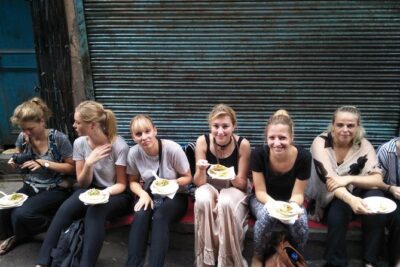 ★ 5.0The Great Indian Food Tour: Old Delhi Food and Heritage WalkFrom $431,698 reviews
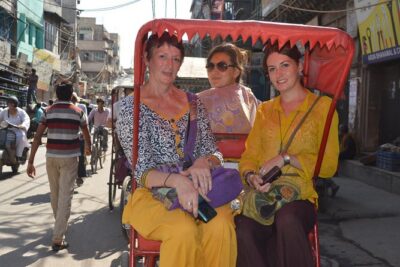 ★ 5.0Old Delhi Food, Heritage&Cultural Walk with Rickshaw ride to Masterji Kee HaveliFrom $52742 reviews
 ★ 5.0Old Delhi Bike TourFrom $30616 reviews
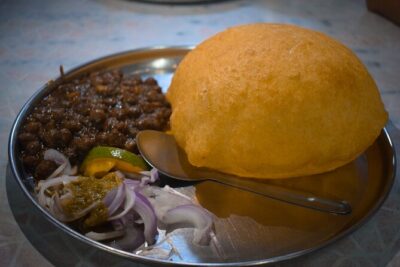 ★ 5.0Old Delhi Street Food TourFrom $40497 reviews
 ★ 5.0Breakfast Walk in Old DelhiFrom $80449 reviews
 ★ 4.9Old Delhi Street Food Tour with Rickshaw RideFrom $43403 reviews
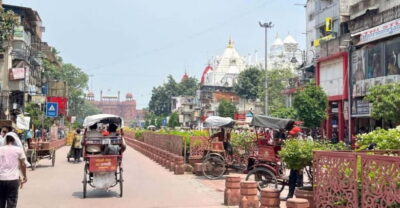 ★ 4.9Old Delhi: Private Tour of Chandni Chowk, Tuk Tuk & FoodFrom $70345 reviews
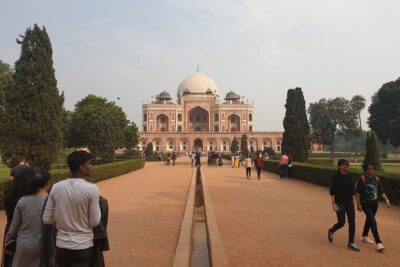 ★ 5.0New Delhi and Old Delhi Private Tour 4-8 Hours – CustomizableFrom $10342 reviews
Browse the lists this tour appears in