
Reviewed · OLD DELHI TOURS
Old Delhi Walking Tour: Food, Culture & Spice Bazaars
Old Delhi hits fast. I love how this walk links Chandni Chowk and Khari Baoli into one easy route, so you get religion side-by-side and real spice-market stories without getting lost. I also like that the included tuk-tuk ride keeps the energy high while you’re still seeing the lanes up close. One thing to plan for: the Jama Masjid stop has an entry fee that’s not included.
This tour is led by Anas Khan, an anthropologist and history writer who grew up right in these lanes, so the details feel grounded—not museum-speech. You’ll walk with a local expert guide, sip coffee or tea, and refuel with bottled water along the way, all for a price that stays fair for what’s included.
The best part is the pacing. You’re looking at 2 to 3 hours total, starting near the Red Fort area and ending at Jama Masjid gate 3, so you can keep the rest of your day for more Delhi.
In This Review
- Key highlights you’ll actually feel
- Getting your bearings at Chandni Chowk
- Khari Baoli: where the spices hit first
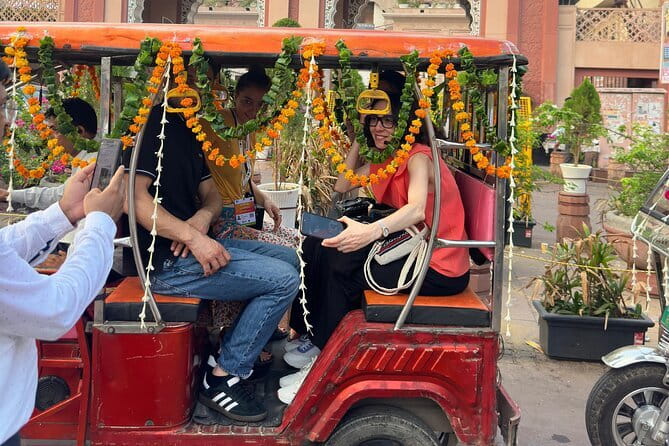
- The tuk-tuk ride that saves your feet
- Naughara and the Row of Nine Houses for calm photos
- Jama Masjid finish: panoramic views and Mughal scale
- Price and value: what you’re really paying for
- Who this tour fits best
- Small practical tips that make a big difference
- Should you book this Old Delhi Food, Culture & Spice tour?
- FAQ
- How long is the Old Delhi Walking Tour: Food, Culture & Spice Bazaars?
- Where do I meet the tour, and where does it end?
- What is included in the price?
- Is the spice tasting included?
- Is Jama Masjid admission included?
- What time is the tour available?
- Is this a private tour?
- Can I bring a service animal?
Key highlights you’ll actually feel
- A 1.5 km walk through Chandni Chowk’s shared streets of temples, mosques, churches, and gurudwaras
- Khari Baoli spice tasting plus a clear explanation of how spice trade shaped medieval India
- A tuk-tuk ride through Old Delhi lanes to reduce walking in the busiest parts
- Naughara’s Row of Nine Houses stop for calmer photos and Jain temple architecture
- Jama Masjid as the finish point, with a panoramic view from above (entry fee not included)
- Guide-led context from Anas Khan, who knows these streets from daily life, not just textbooks
Getting your bearings at Chandni Chowk
Chandni Chowk is one of those places where your senses start negotiating immediately. This is a focused start: you begin near the Chandni Chowk View Point, right across from Lal Qila (Red Fort area), which helps you anchor what you’re seeing.
The walk here is about proximity. You’ll see Hindu temples, Jain derasars, mosques, churches, and gurudwaras lining the same broader 1.5 km stretch, side by side. It’s a strong way to understand why Old Delhi doesn’t feel like one neat theme park—religion and daily life are overlapping in real time.
You’ll also get a quick “how to look” lesson from your guide: where to glance for architecture details, how to spot the rhythms of trade, and when to slow down so the crowd doesn’t push you into bad photo angles. The duration is short—around 30 minutes—so you won’t burn your whole tour before the spice stops.
More hours to spend in Old Delhi



Khari Baoli: where the spices hit first
If Chandni Chowk helps you understand the neighborhood, Khari Baoli shows you why the city runs on smells. The stop is built around tasting and learning, not just wandering.
You’ll be in Asia’s largest spice market area, and the sensory effect is immediate: color, aroma, and that loud, busy wholesale energy. The guide explains how spice trade routes worked through medieval India, so the market doesn’t feel random—it feels connected.
The tasting matters. This isn’t just looking at sacks and thinking you should buy something. You get to experience how spices change the flavor profile of Indian cooking, and you’ll likely notice that the spices you know at home are just the tip of what people use here day to day.
A practical note: if you’re sensitive to strong scents, go with a ready attitude. This is a spice market, so it’s not subtle. Still, it’s one of the best value parts of the tour because you get both food payoff and context in one stop.
The tuk-tuk ride that saves your feet
Old Delhi on foot can be a lot—especially if you’re also stopping for photos and trying to read signs that are partly hidden by crowds. That’s why the included tuk-tuk ride feels like smart design, not fluff.
During the ride, you’ll weave through centuries-old lanes where you can catch small sensory snapshots: the smell of frying samosas, temple bells, and the call to prayer. The point isn’t that you’re “speeding through” history—it’s that the ride helps you cover the most active sections without losing your whole afternoon to foot traffic.
You’ll also get a different perspective from the seat. On a walking-only plan, you miss how lanes connect, how markets funnel people, and how neighborhoods shape movement. Here, the tuk-tuk acts like a moving map, so when you get off and walk again, you understand the layout better.
If you hate feeling rushed, you’ll probably like this part most when you keep your camera ready but don’t try to shoot every second. Let the ride carry you into the next zone while the guide keeps the story line straight.
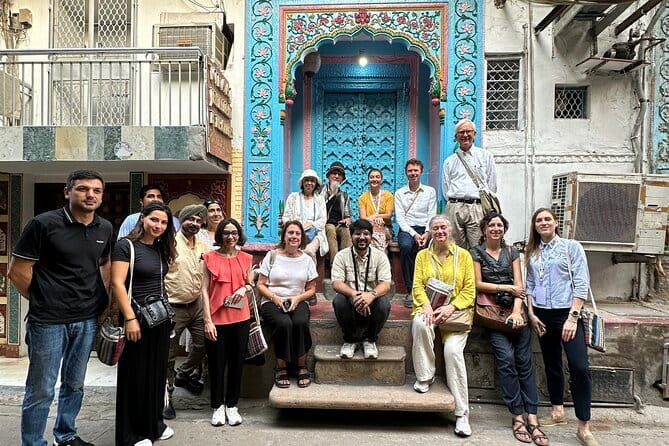
Naughara and the Row of Nine Houses for calm photos

Right after the busiest areas, the stop at Naughara (Row of Nine Houses) gives you a breather. This is one of the more photogenic and peaceful spots on the route, and it’s exactly the kind of contrast that makes the tour worth doing instead of free-wandering.
You’ll spend about 30 minutes here, focused on a Jain temple with intricate carvings. The architecture isn’t just decorative—your guide helps you see why details matter: patterns, craftsmanship, and the way sacred spaces hold stillness even when you’re surrounded by street noise outside.
This stop also helps you practice a useful travel habit: slowing down for 10 minutes where others keep marching. If you’re the type who likes photos but hates blurry chaos, this is where you’ll be glad you came.
Jama Masjid finish: panoramic views and Mughal scale

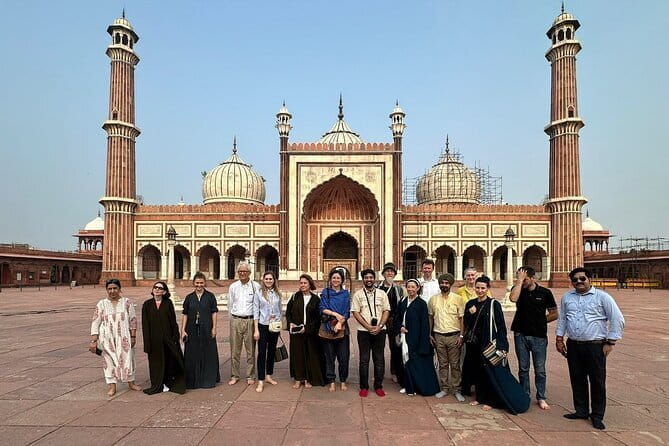
The tour ends at Jama Masjid, one of India’s largest mosques and a major Mughal-era landmark. You’ll spend around an hour here, which is a good amount of time for both sightseeing and settling your senses after the earlier market intensity.
The architecture is the headline: red sandstone and white marble, with the kind of scale that makes you look up without trying. But it’s also a living symbol of Old Delhi’s spiritual life, so you’ll want to move with care and keep respectful attention on the space.
The standout payoff is the panoramic rooftop view from Jama Masjid’s high point. This gives you the “I get the city now” feeling that you can’t easily get from street level. You’ll be able to see how neighborhoods and lanes stack and curve—why the market energy makes sense, and where all those lanes lead.
One budgeting note: Jama Masjid admission isn’t included. If you want to use that extra time for viewpoints inside the mosque complex, plan on paying the entry fee yourself.
New Delhi at a walking pace, a few more routes
Price and value: what you’re really paying for
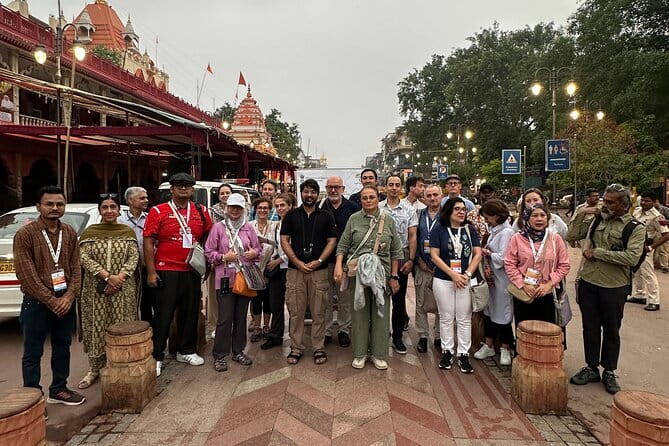
At $19.01 per person, this tour is priced like a smart add-on rather than a heavy-day commitment. What makes it feel like good value is the mix of included basics and included transport.
You get bottled water plus coffee and/or tea, a local expert guide, and the tuk-tuk ride. That matters because small charges can add up fast in busy areas. With this plan, you’re paying up front for the “most annoying parts” of logistics—finding your way, managing crowded transitions, and arranging a short ride through the densest sections.
Shopping isn’t part of the deal. Your time isn’t pressured toward buying spices or souvenirs, which is ideal if you want experiences over receipts.
If you’re comparing this to a self-guided plan, the guide’s role is the difference. You’re not just walking from spot to spot—you’re learning why those specific sites sit where they do, including the trading history behind Khari Baoli and the overlapping religious streets of Chandni Chowk.
Who this tour fits best
This is a great match if you want Old Delhi in a controlled, story-driven format. You’ll enjoy it if you’re a history lover, a photographer, a solo traveler who wants company and context, or anyone who gets curious about how culture works in daily life—not just monuments.
It’s also a solid choice if you’ve already been in Delhi for a day or two and want a compact experience that still feels substantial. The 2–3 hour timeline keeps it from swallowing your whole day.
If you strongly dislike markets, loud crowds, and strong smells, you might find parts of Khari Baoli and nearby streets intense. But the itinerary includes calming contrast stops, so you’re not stuck only in the chaos.
Small practical tips that make a big difference

Wear shoes you trust. Old Delhi walking surfaces can be uneven, and you’ll be moving between active lanes. Bring a water-resistant layer if weather looks iffy, since the spice market area is all about closeness and steam-like heat.
Keep a little mental flexibility. Even with a planned route, street life can shift. A responsive guide helps you adapt without turning the walk into a scramble.
If you get Lareb as your guide, that’s a big advantage. One of the most helpful impressions from past experiences is how he handles timing changes and makes logistics easier, including arranging transportation to meet the schedule you actually have.
Should you book this Old Delhi Food, Culture & Spice tour?
Yes—if you want a structured way to experience Old Delhi’s food and spiritual mix without spending hours figuring out logistics. The included tuk-tuk ride, the spice tasting at Khari Baoli, and the calm contrast stop at Naughara make it feel balanced, not frantic.
Book with an extra small budget buffer for Jama Masjid entry if you plan to go inside. And if you’re sensitive to strong smells or crowds, treat Khari Baoli as the main sensory challenge—then enjoy the rest of the tour as the payoff and the release.
FAQ
How long is the Old Delhi Walking Tour: Food, Culture & Spice Bazaars?
It lasts about 2 to 3 hours.
Where do I meet the tour, and where does it end?
You start at Chandni Chowk View Point (Shop No 24, Metro Gate 1, opposite Lal Qila, Lajpat Rai Market). You end at Jama Masjid gate number 3.
What is included in the price?
Included are bottled water, coffee and/or tea, a local expert cum tour guide, and the tuk-tuk ride.
Is the spice tasting included?
Yes. The Khari Baoli stop includes spice tasting, and the admission ticket for that stop is included.
Is Jama Masjid admission included?
No. Jama Masjid has an admission ticket fee that is not included.
What time is the tour available?
The tour runs within opening hours listed as 6:00 AM to 10:00 PM, Monday through Sunday.
Is this a private tour?
It’s a private tour/activity, meaning only your group participates.
Can I bring a service animal?
Yes, service animals are allowed.
More Tours in New Delhi
- Old & New Delhi City Tour – Half or Full Day Options Available
★ 5.0 · 4,811 reviews - Half Day Private Delhi City Tour
★ 5.0 · 4,474 reviews - Same Day Taj Mahal, Agra Fort & Baby Taj Tour from Delhi by Car
★ 5.0 · 4,304 reviews - Taj Mahal Day Tour from Delhi by Superfast Train – TOP RATED TOUR
★ 5.0 · 4,166 reviews - Delhi: Old and New Delhi Private Full or Half-Day Tour
★ 4.9 · 3,776 reviews
More Tour Reviews in New Delhi
- Old & New Delhi City Tour – Half or Full Day Options Available
★ 5.0 · 4,811 reviews - Half Day Private Delhi City Tour
★ 5.0 · 4,474 reviews - Same Day Taj Mahal, Agra Fort & Baby Taj Tour from Delhi by Car
★ 5.0 · 4,304 reviews - Taj Mahal Day Tour from Delhi by Superfast Train – TOP RATED TOUR
★ 5.0 · 4,166 reviews - Delhi: Old and New Delhi Private Full or Half-Day Tour
★ 4.9 · 3,776 reviews
More of Old Delhi
- The Great Indian Food Tour: Old Delhi Food and Heritage Walk
★ 5.0 · 1,698 reviews - Old Delhi Food, Heritage&Cultural Walk with Rickshaw ride to Masterji Kee Haveli
★ 5.0 · 742 reviews - Old Delhi Bike Tour
★ 5.0 · 616 reviews - Old Delhi Street Food Tour
★ 5.0 · 497 reviews - Breakfast Walk in Old Delhi
★ 5.0 · 449 reviews
Just added: more New Delhi reviews to browse
- 4 days Golden Triangle Tour★ 5.0 · 3 reviews
- Discover Old & New Delhi: Private Tour with Street Food★ 5.0 · 3 reviews
- Taj Mahal Tour From Delhi By Private Car★ 4.5 · 3 reviews
- Golden Triangle Tour 5 Days★ 5.0 · 3 reviews
- Taj Mahal: Express Entry Ticket For Sunset Tour with guide★ 5.0 · 3 reviews
- Agra Taj Mahal Sunrise & Sunset Tour from Delhi★ 5.0 · 3 reviews
Old Delhi Tours, compared.
 ★ 5.0The Great Indian Food Tour: Old Delhi Food and Heritage WalkFrom $431,698 reviews
 ★ 5.0Old Delhi Food, Heritage&Cultural Walk with Rickshaw ride to Masterji Kee HaveliFrom $52742 reviews
 ★ 5.0Old Delhi Bike TourFrom $30616 reviews
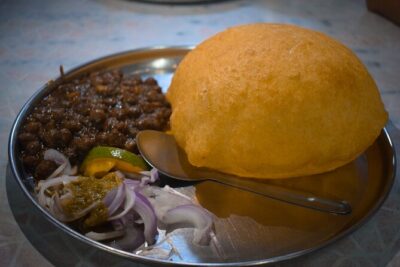 ★ 5.0Old Delhi Street Food TourFrom $40497 reviews
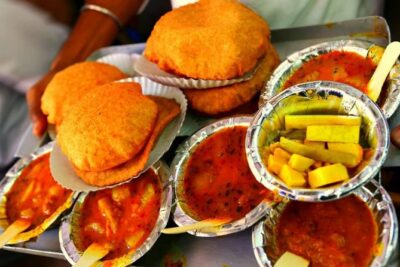 ★ 5.0Breakfast Walk in Old DelhiFrom $80449 reviews
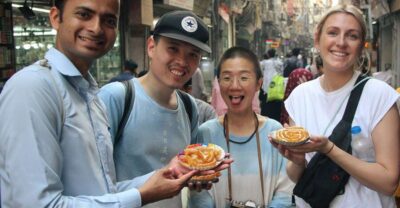 ★ 4.9Old Delhi Street Food Tour with Rickshaw RideFrom $43403 reviews
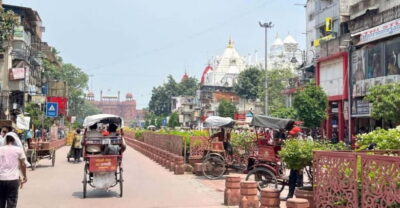 ★ 4.9Old Delhi: Private Tour of Chandni Chowk, Tuk Tuk & FoodFrom $70345 reviews
 ★ 5.0New Delhi and Old Delhi Private Tour 4-8 Hours – CustomizableFrom $10342 reviews
Browse the lists this tour appears in