
Reviewed · OLD DELHI TOURS
Old Delhi:Capital of Mughals
History hits you fast in Old Delhi. This Old Delhi heritage walk connects Mughal-era sights like Jama Masjid with the street-level maze around Chandni Chowk. I like how the day starts with a metro ride, so you get oriented before you’re pushed into the city’s narrow lanes.
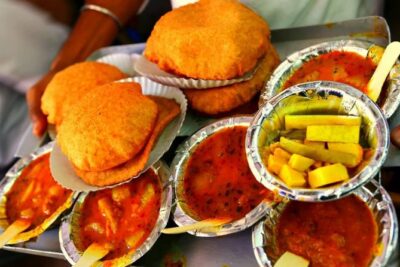
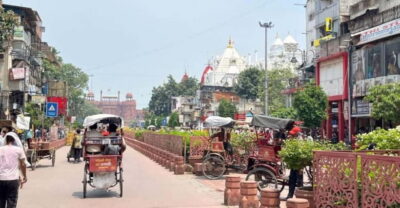
I especially like the food-and-people rhythm. The stop at Gali Paranthe Wali means you get a proper local snack (parantha or wheat-flour flatbreads) in the middle of the action, not at some distant restaurant. Then you shift gears with a short cycle rickshaw ride toward the spice market.
One possible drawback: you’ll spend most of the 3 to 4 hours walking and weaving through busy areas. If you’re heat-sensitive or have mobility limits, the tour’s moderate fitness level note is worth taking seriously.
In This Review
- Key highlights before you go
- Old Delhi in 3–4 hours: what you truly get
- Getting there: pickup options and the metro first move
- Stop 1: Jama Masjid and the Mughal scale story
- Stop 2: Chandni Chowk lanes, Kinari Bazaar, and Gali Paranthe Wali
- Stop 3: Gurudwara Sis Ganj Sahib and the community kitchen lesson
- Stop 4: Khari Baoli by cycle rickshaw, spices up close
- The guide factor: what a great Old Delhi storyteller can do
- Price and value: is $35 fair for this kind of walk?
- Who this tour fits best (and who might want something else)
- Should you book: my practical take
- FAQ
- FAQ
- How long is the Old Delhi Capital of Mughals walk?
- How much does the tour cost?
- Is hotel pickup available?
- Where does the tour start and end?
- Will there be an English-speaking guide?
- Is food included?
- Is there a rickshaw ride?
- Are admission tickets included?
- What’s the maximum group size?
- Can I cancel and get a full refund?
- Do I get a mobile ticket?
Key highlights before you go
- Metro start from Rajiv Chowk to Old Delhi for a fast, local-feeling arrival
- Jama Masjid with admission ticket and a story anchored in Mughal rule under Shah Jahan
- Kinari Bazaar + Gali Paranthe Wali snack break with a long-running parantha stop
- Gurudwara Sis Ganj Sahib and the community kitchen service side of Sikh tradition
- Cycle rickshaw to Khari Baoli for hands-on spice market time at Asia’s largest spice market
- Small group (max 8) so you can ask questions and keep a workable pace
Old Delhi in 3–4 hours: what you truly get
This is a focused heritage walk rather than a “see every monument” checklist. In about 3 hours (often up to 4), you hit several of Old Delhi’s major cultural anchors and then fill the gaps with real street life: lanes, bazaars, and everyday food.
The value here comes from pacing and sequence. You begin with the big landmark (Jama Masjid), then you move into the market spine (Chandni Chowk and nearby lanes), then you switch to a spiritual community space (Gurudwara Sis Ganj Sahib), and end with something sensory and practical (Khari Baoli spices). That arc keeps the tour from feeling like random sightseeing.
Your main trade-off is time. Old Delhi moves quickly, and the lanes get tight. Expect short stops, lots to look at, and the feeling that you’re getting a strong introduction rather than a slow, museum-style tour.
More hours to spend in Old Delhi



Getting there: pickup options and the metro first move
The tour’s starting logic is smart. If you select hotel pickup and drop, the guide collects you and then heads toward Old Delhi via the metro. If you don’t, you meet at United Coffee House, Rajiv Chowk (E-15, Block E, Connaught Place, New Delhi).
Either way, the metro segment matters. It’s fast, clean, and it gives you a taste of how people actually get around. You’re not dropping straight into chaos with no bearings—you’re traveling like a local for the first leg, then stepping into Old Delhi on foot.
One more practical detail: the tour uses a mobile ticket. That usually means less fuss with printed confirmations and easier check-in, especially if you’re juggling other Delhi plans.
Stop 1: Jama Masjid and the Mughal scale story
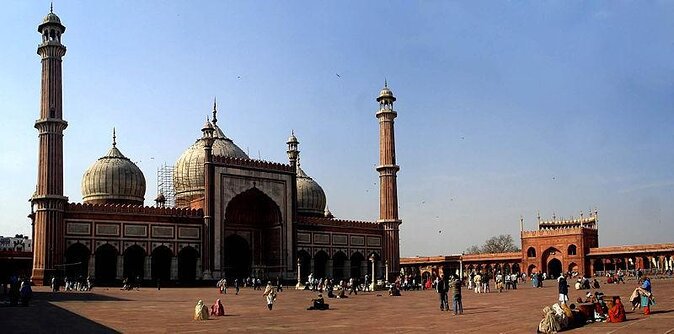
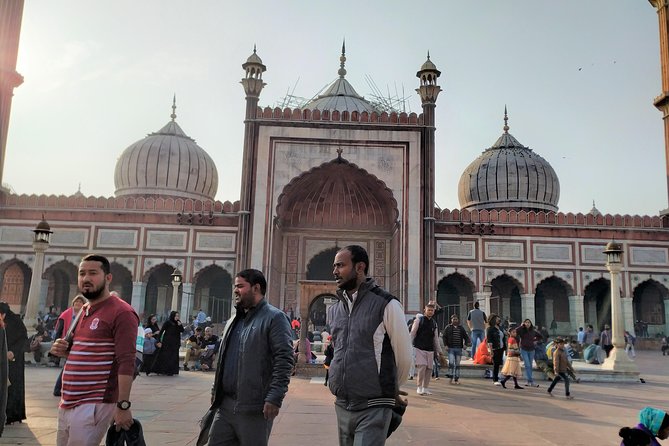
Jama Masjid is the anchor of the Old Delhi experience. You spend about 30 minutes here, including an admission ticket, and you get the Mughal connection made clear: it was built by Shah Jahan, and it’s described as India’s second largest mosque.
What I like about this stop is that it’s not just a photo op. The guide frames Jama Masjid as part of the city’s larger power story—how Mughal Delhi was designed and used, and how later periods reshaped the area. One of the standout things people note from this walk is the way the narration links Mughal-era scenes with what came later, including British-era change, with major landmarks like Red Fort brought into the conversation.
Drawback to plan for: Jama Masjid is huge, and your time is short. In a limited window, you’ll focus on key viewpoints and the meaning behind them, not every corner. If you’re the kind of person who wants a long, quiet exploration, you might want to build in extra time on your own after the tour.
Stop 2: Chandni Chowk lanes, Kinari Bazaar, and Gali Paranthe Wali
After Jama Masjid, the walk shifts into market mode. You work your way through the Chandni Chowk area, and along the way you pass through Kinari Bazaar, known for its dense lanes and colorful shopping energy.
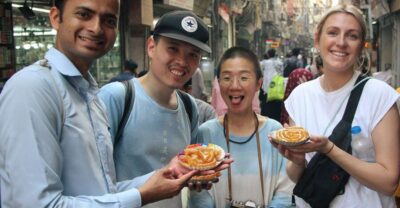
Then comes one of the most practical—and honestly most fun—parts: Gali Paranthe Wali. You get about 20 minutes for a quick snack break at a shop that’s described as about 140 years old, serving parantha and other wheat-flour flatbreads.
I like how this stop is built into the tour rather than tacked on at the end. Markets can feel like sensory overload, but food gives you a reset. It also helps you slow down for a minute and actually notice what’s around you: the ordering rhythms, the shared counters, the constant movement of people.
Consideration: it’s a snack break, not a full meal. If you eat lightly in the mornings, you’ll probably be fine. If you’re a big eater, you may want another plan afterward, because the rest of the tour stays focused on sights and spices.
Stop 3: Gurudwara Sis Ganj Sahib and the community kitchen lesson
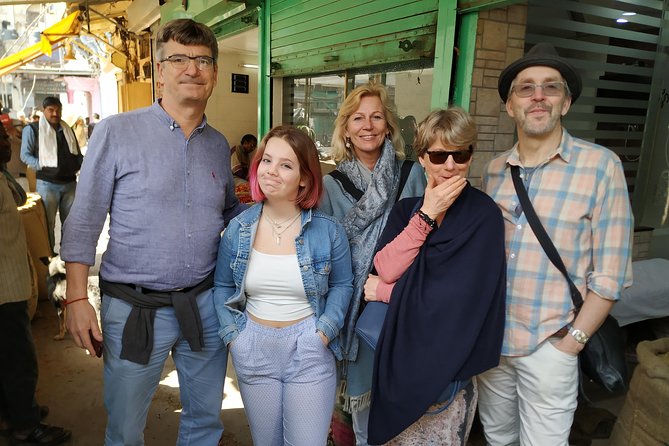
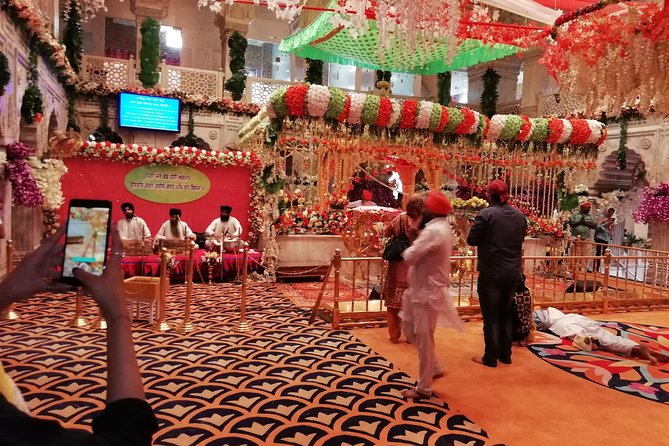
Next is a complete change of pace—Gurudwara Sis Ganj Sahib. The tour gives you about 30 minutes, again with an admission ticket included.
This is where the story becomes more human. The guide’s emphasis is on service and the community kitchen (langar) tradition—how Sikh communities feed people with a humanitarian, practical mindset. That theme lands well after the market segment, because you move from trade and street commerce into a space centered on care and community.
One thing you’ll likely appreciate here: the tour doesn’t treat religion as a distant object. It frames the place around the everyday act of helping others, which makes the experience feel less like a lecture and more like a lived social value.
The drawback? Gurudwaras are active places, so it’s not always quiet. If you want a whisper-level experience, plan for respectful noise and movement. You’ll still leave with a stronger understanding than you’d get from simply snapping pictures and moving on.
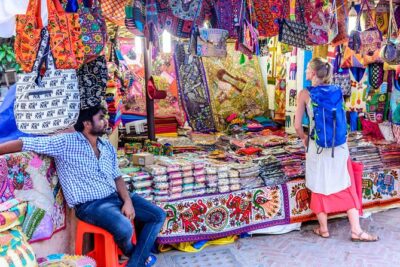
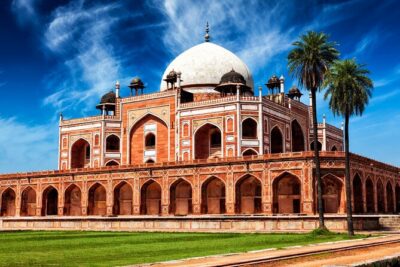

Stop 4: Khari Baoli by cycle rickshaw, spices up close
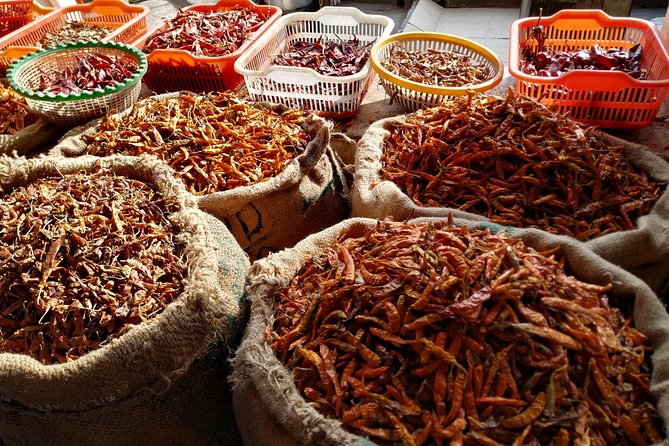
To end, you hop into a short cycle rickshaw ride with your guide. Then you reach Khari Baoli, described as Asia’s largest spice market.
The tour gives you about 30 minutes here, with admission ticket included. This final stop is less about monumental architecture and more about your senses: smell, color, and the sheer variety of spices lined up for sale. Even if you’re not buying much, you’re learning how spices are categorized and what people come for daily.
Why this ending works: you end with something you can actually use later. If you cook, you’ll leave thinking about which spice blends you want to recreate. If you don’t cook, the market still teaches you something—how a city eats, shops, and preserves flavor.
Possible drawback: spice markets can trigger allergies or strong odors. If you’re sensitive, keep a little distance when needed and consider breathing through your mouth for short moments while you pass through dense stalls.
The guide factor: what a great Old Delhi storyteller can do
The success of this walk often comes down to the guide. The tour is run with an English-speaking local guide, and the small group size (max 8 travelers) makes it easier for the guide to answer your questions without steamrolling the pace.
One guide name that comes up in people’s feedback is Deepak, praised for big command of Old Delhi’s history and the way he connects different stops into a single story. That matters, because Old Delhi can feel like one long blur if you’re just walking without context.
A good guide also keeps you from missing the point. For example, the Jama Masjid stop becomes more than a landmark when the narrative ties it to later changes and the broader evolution of the area. The Gurudwara stop becomes more than a building when you understand the idea of community kitchens.
Price and value: is $35 fair for this kind of walk?
At $35 per person for roughly 3 to 4 hours, this is positioned as a budget-friendly introduction to Old Delhi’s major nodes. What makes the price feel fair is what’s included.
You get:
- Hotel pickup and drop if you pick that option
- An English-speaking local guide
- A local snack: parantha or wheat-flour flatbreads
- Cycle rickshaw time in Old Delhi
- Admission tickets as part of the planned stops
- A small group experience (max 8)
- Mobile ticket
Even without pickup, the structure holds up because you’re not just wandering markets. You’re guided through Jama Masjid, a Sikh religious site, and the spice market, with food built in. That’s a lot of “organized time” for the money.
Where you might feel the cost less attractive is if you already have a strong plan to independently visit these sites and you’re comfortable navigating dense areas. But for most people, especially first-timers, paying for someone to stitch together history + route + food is a time-saver.
Who this tour fits best (and who might want something else)
This works well if you want a guided Old Delhi heritage walk with clear stops, included food, and a spice-market finale. It’s also a strong fit for history-minded people who like context—especially the storytelling that connects Mughal Delhi with later British-era change and mentions places like Red Fort.
It’s less ideal if you need a slow pace, long quiet time inside each site, or lots of downtime. The lanes are tight and you’re on your feet for a major part of the tour. Also, if you’re allergic to strong smells, the spice market ending needs a little caution.
If you’re traveling with a group and want shared structure, the group discount angle (when available) makes it even better.
Should you book: my practical take
I’d book this if you want a smart first pass through Old Delhi that mixes Jama Masjid, market lanes like Chandni Chowk, a meaningful stop at Gurudwara Sis Ganj Sahib, and a hands-on Khari Baoli spice finale. The included snack and rickshaw ride add a “this is why I paid” feel, not just sightseeing.
I wouldn’t book it if you’re hoping for a long, unhurried exploration of every stop. This is an efficient route, and you’ll feel the time limit at the edges of each landmark.
If you’re deciding, ask yourself one question: do you want history + food + route guidance in a short window? If yes, this is a strong choice.
FAQ
FAQ
How long is the Old Delhi Capital of Mughals walk?
It runs for about 3 to 4 hours.
How much does the tour cost?
The price is $35.00 per person.
Is hotel pickup available?
Hotel pickup and drop are offered if you select that option. If not, you meet at the listed meeting point.
Where does the tour start and end?
It starts at United Coffee House, Rajiv Chowk, E-15, Block E, Connaught Place, New Delhi, and it ends back at the meeting point.
Will there be an English-speaking guide?
Yes, the tour includes an English speaking local guide.
Is food included?
Yes. A local snack is included, such as parantha or wheat-flour flatbreads.
Is there a rickshaw ride?
Yes. You’ll take a cycle rickshaw ride in Old Delhi.
Are admission tickets included?
Admission tickets are included for the key stops on the route.
What’s the maximum group size?
The group is capped at a maximum of 8 travelers.
Can I cancel and get a full refund?
Yes. You can cancel for a full refund up to 24 hours before the experience starts.
Do I get a mobile ticket?
Yes, the tour provides a mobile ticket.
More Tour Reviews in New Delhi
- Old & New Delhi City Tour – Half or Full Day Options Available
★ 5.0 · 4,811 reviews - Half Day Private Delhi City Tour
★ 5.0 · 4,474 reviews - Same Day Taj Mahal, Agra Fort & Baby Taj Tour from Delhi by Car
★ 5.0 · 4,304 reviews - Taj Mahal Day Tour from Delhi by Superfast Train – TOP RATED TOUR
★ 5.0 · 4,166 reviews - Delhi: Old and New Delhi Private Full or Half-Day Tour
★ 4.9 · 3,776 reviews
More of Old Delhi
- The Great Indian Food Tour: Old Delhi Food and Heritage Walk
★ 5.0 · 1,698 reviews - Old Delhi Food, Heritage&Cultural Walk with Rickshaw ride to Masterji Kee Haveli
★ 5.0 · 742 reviews - Old Delhi Bike Tour
★ 5.0 · 616 reviews - Old Delhi Street Food Tour
★ 5.0 · 497 reviews - Breakfast Walk in Old Delhi
★ 5.0 · 449 reviews
Just added: more New Delhi reviews to browse
- 4 days Golden Triangle Tour★ 5.0 · 3 reviews
- Discover Old & New Delhi: Private Tour with Street Food★ 5.0 · 3 reviews
- Taj Mahal Tour From Delhi By Private Car★ 4.5 · 3 reviews
- Golden Triangle Tour 5 Days★ 5.0 · 3 reviews
- Taj Mahal: Express Entry Ticket For Sunset Tour with guide★ 5.0 · 3 reviews
- Agra Taj Mahal Sunrise & Sunset Tour from Delhi★ 5.0 · 3 reviews
Old Delhi Tours, compared.
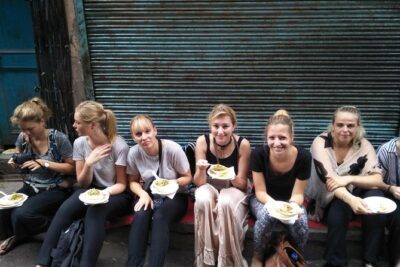 ★ 5.0The Great Indian Food Tour: Old Delhi Food and Heritage WalkFrom $431,698 reviews
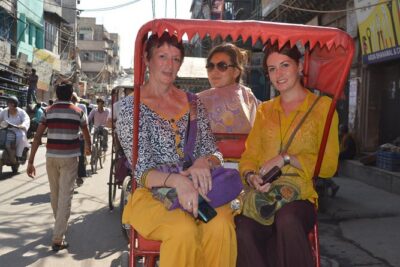 ★ 5.0Old Delhi Food, Heritage&Cultural Walk with Rickshaw ride to Masterji Kee HaveliFrom $52742 reviews
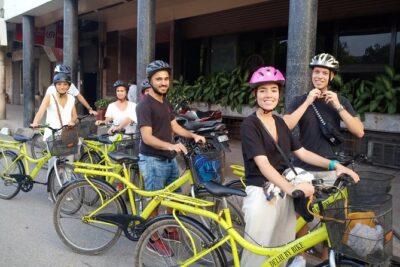 ★ 5.0Old Delhi Bike TourFrom $30616 reviews
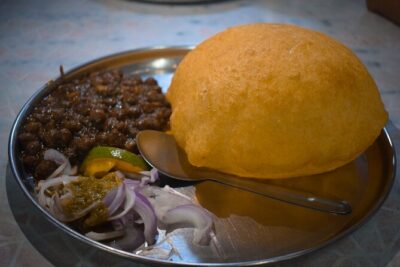 ★ 5.0Old Delhi Street Food TourFrom $40497 reviews
 ★ 5.0Breakfast Walk in Old DelhiFrom $80449 reviews
 ★ 4.9Old Delhi Street Food Tour with Rickshaw RideFrom $43403 reviews
 ★ 4.9Old Delhi: Private Tour of Chandni Chowk, Tuk Tuk & FoodFrom $70345 reviews
 ★ 5.0New Delhi and Old Delhi Private Tour 4-8 Hours – CustomizableFrom $10342 reviews
Browse the lists this tour appears in