
Reviewed · GOLDEN TRIANGLE TOURS
Private 3 Days Golden Triangle Tour from Delhi
Three days in India, tuned for maximum landmarks. This private route strings together UNESCO classics across Delhi, Agra, and Jaipur, with a private driver and professional guides keeping the pace realistic. The big prize is the guided sunrise Taj Mahal visit, timed for softer light and fewer crowds.
I also like how the itinerary is built for a short trip that still feels complete: you get two overnights (Agra and Jaipur) and breakfast included, so your days don’t start from scratch. One thing to consider is that the listed sights all have monument entrance fees not included, so you’ll need to budget for tickets (and any camera fees if applicable).
You’ll be on an air-conditioned vehicle with pickup/drop-off, and the whole thing is private for your group. Just go in with a plan for declining pushy add-ons if anyone tries to steer you into pricey shopping.
In This Review
- Key things that make this Golden Triangle tour work
- How this 3-day Golden Triangle fits real travel time
- Day 1 in Delhi: Qutub Minar, Humayun’s Tomb, Lotus Temple, India Gate
- The Delhi-to-Agra drive and your overnight setup
- Day 2 in Agra: Taj Mahal sunrise, Agra Fort, and the Baby Taj
- Day 3 in Jaipur: Amber Palace to Hawa Mahal, with Jantar Mantar
- Price and value: what $373.34 includes and what you must budget
- Final thoughts: should you book this private Golden Triangle tour?
- FAQ
- How long is the Private 3 Days Golden Triangle Tour from Delhi?
- Which cities and main attractions are included?
- Are monument entrance fees included?
- What meals are included?
- Is pickup and drop-off included?
- What time does the tour start, and where?
- Is this tour private or shared with other groups?
- Do I get a ticket for entry?
- Is free cancellation available?
- Is this tour suitable for most people?
Key things that make this Golden Triangle tour work
- Sunrise at the Taj Mahal for the best chance at great photos and a calmer start.
- Private vehicle plus professional guides so you’re not stuck deciphering sites on your own.
- UNESCO stops without the scatter: Qutub Minar, Humayun’s Tomb, and more, then Agra and Jaipur.
- Two overnights (Agra and Jaipur), with breakfast included, keeping the trip from feeling rushed.
- A clear sightseeing chain across each day, from Delhi monuments to Agra Fort to Jaipur’s forts and palaces.
- Real-world timing and efficiency, including punctual drives noted by prior travelers, plus drivers such as Veer Singh and Rohit.
How this 3-day Golden Triangle fits real travel time
This is a fast, focused version of the Golden Triangle: Delhi → Agra → Jaipur → Delhi. The appeal is simple: you hit the famous hits—Taj Mahal, Amber Palace, and the big Jaipur landmarks—without spending your whole trip stuck in transit planning.
Because it’s private, your guide and driver control the flow. That matters on a short schedule like this, where one late start can snowball into a rushed museum visit or a missed viewing time. And since it’s air-conditioned transport with hotel or airport/rail pickup and drop-off, you’re not juggling taxis or figuring out routes mid-day.
The trade-off is the pace. You’ll be stepping into busy sites daily, moving from one attraction to the next with limited free time. If you want long, slow wandering and lots of cafés along the way, this tour style is still workable, but you’ll need to treat your spare time as “bonus,” not “core.”
Delhi, Agra and Jaipur: more full circuits



Day 1 in Delhi: Qutub Minar, Humayun’s Tomb, Lotus Temple, India Gate
Day 1 is a tour of Delhi’s major landmarks that show different sides of the city: Muslim-era architecture, Mughal-era tomb design, modern spiritual space, and British-era memorial history.
Qutub Minar is your first stop, and it’s a strong opener. It’s a UNESCO World Heritage site built in 1193, a tall tapering tower with multiple stories and a base that’s much wider than the top. Plan for a solid look even if you only have about an hour; the structure is all about proportions, so walking around and taking in the height helps a lot. Remember: admission tickets aren’t included.
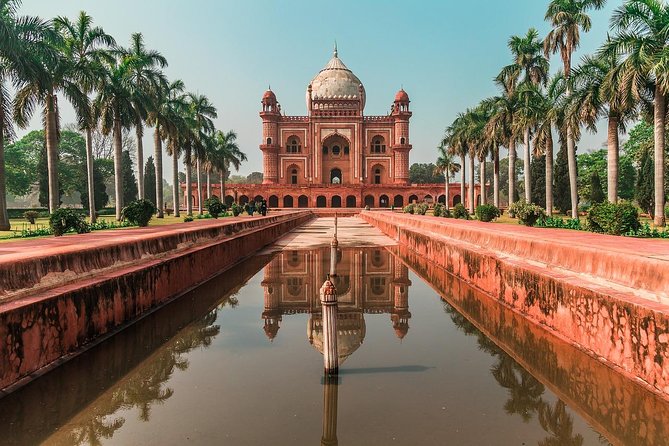
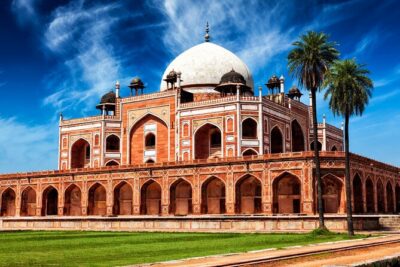
Next is Humayun’s Tomb, another UNESCO site tied to the Mughal emperor Humayun. The tomb was commissioned in 1569–70 by Humayun’s first wife, Empress Bega Begum, and the Persian architects involved are part of the story. If you like symmetry and garden-style tomb layouts, you’ll probably enjoy this stop because it’s designed to feel orderly and reflective rather than purely monumental.
Then you’ll move to the Lotus Temple, a Bahá’í House of Worship dedicated in December 1986. The key detail here is the shape: it’s flowerlike and it’s open to people regardless of religion or other qualifications. It’s also a nice contrast after the stone-heavy tomb and tower visits; the mood is calmer and the architecture feels clean and contemporary.
Finally, India Gate closes out the day with a different kind of monument. It’s about remembrance, with a height of 42 meters and an arc-like design that echoes the idea of the Arc de Triomphe. The memorial details (including the names of thousands of soldiers linked to the 1919 Afghan war) are part of why this stop matters, even if you’re mostly there for the classic photo from the open area.
After India Gate, you drive past the President’s house, Parliament House, and Secretariat buildings, then head to Agra. This works well because it turns the end of Day 1 into a smooth transition instead of another long sightseeing checklist. If you’re someone who likes to rest your feet after a big first day, you’ll appreciate that the day closes with a drive and an overnight in Agra.
The Delhi-to-Agra drive and your overnight setup
Once Delhi sightseeing wraps up, the tour shifts gears into travel mode: you continue by car to Agra, check in at your hotel, and stay overnight. That hotel night is more than just a bed—it’s what makes the next day’s Taj Mahal sunrise possible without feeling broken.
This is also where private logistics pay off. You don’t have to coordinate trains, negotiate rides, or waste energy searching for meeting points. The plan is simply: sightseeing, transfer, check-in, sleep, then breakfast.
One practical note: because entrance fees aren’t included, you should mentally separate “site time” from “ticket time.” Many famous monuments require a bit of waiting and ticketing on-site. With a private guide, that tends to be handled more smoothly than self-guided touring, but you’ll still want to move with the schedule.
Day 2 in Agra: Taj Mahal sunrise, Agra Fort, and the Baby Taj
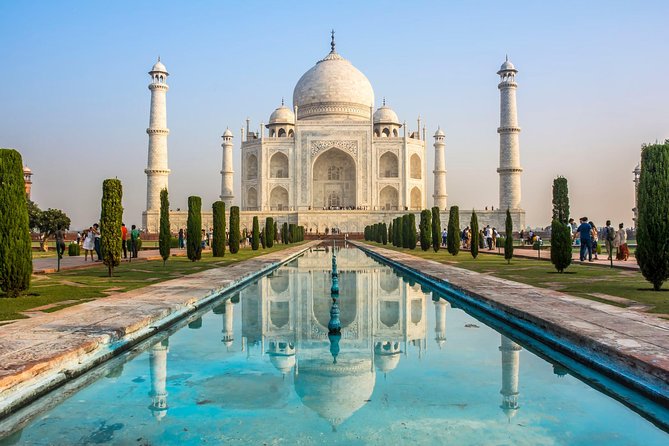
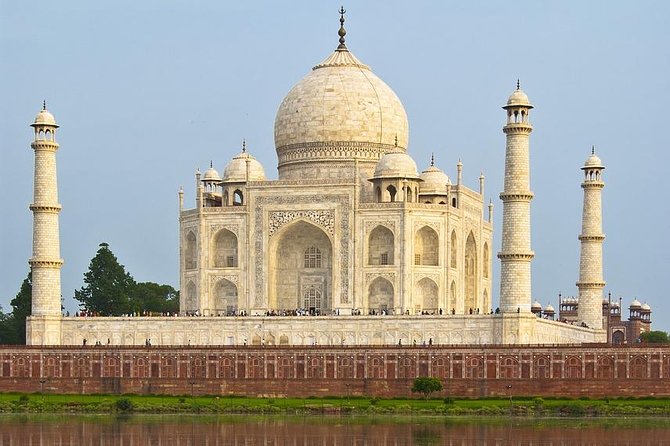
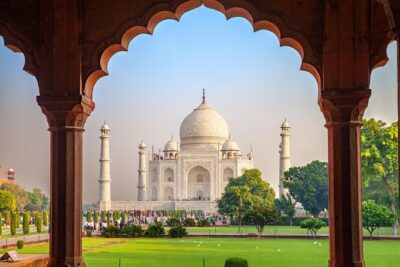
Day 2 is the main attraction day, and the timing is the whole point: you leave early for a guided sunrise Taj Mahal visit. The Taj Mahal is an ivory-white marble mausoleum commissioned in 1632 by Shah Jahan to house Mumtaz Mahal’s tomb, plus Shah Jahan’s tomb. It took 22 years to finish, and that long build time is part of what you’re visually seeing: it’s carefully designed, not slapped together.
Your guided visit focuses on key areas inside the complex, including the mosque and the guesthouse built out of red sandstone. The cenotaphs with inlaid semi-precious stones are a big visual highlight, and if you’re into museum-style add-ons, the Taj Mahal complex includes the option to visit the Taj Museum as well (it’s described as something to consider if you have time).
After the Taj Mahal, you return to the hotel for breakfast, then move to Agra Fort. This UNESCO site was built by Emperor Akbar, with later Mughals adding their contributions. Instead of feeling like one flat structure, the fort includes major palace areas such as Akbari Mahal, Khas Mahal, Jahangiri Mahal, plus the Deewan-E-Aam and Deewan-E-Khaas. What you’re really getting here is context: the fort helps you connect the Taj Mahal’s royal story to the larger Mughal world of forts and palace spaces.
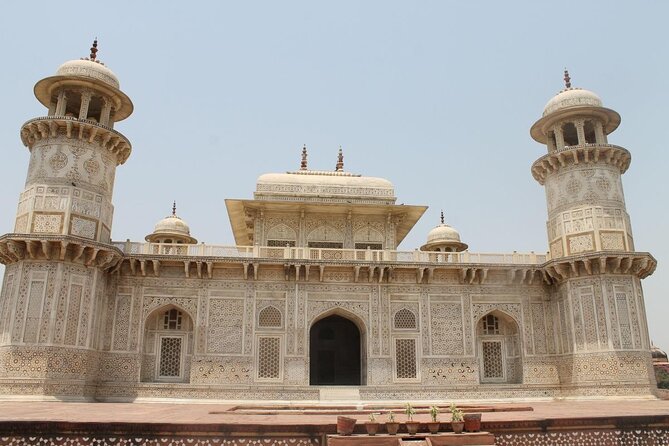
Then comes Tomb of Itimad-ud-Daulah, often called the Baby Taj. It’s a white marble monument built in memory of Mirza Gyaas begh, designed and executed by Noorjahan. It’s described as taking six years to be built, and it’s often treated as a motivation or stepping stone toward the Taj Mahal’s grandeur. Even if it doesn’t get the same hype as the Taj, it’s a strong “second masterpiece” option for photography and for seeing Mughal decorative work at a smaller scale.
At that point, you depart for Jaipur. This is a big day, but the structure makes sense: Taj at sunrise, a deeper follow-up at Agra Fort, then Baby Taj before moving on.
Day 3 in Jaipur: Amber Palace to Hawa Mahal, with Jantar Mantar
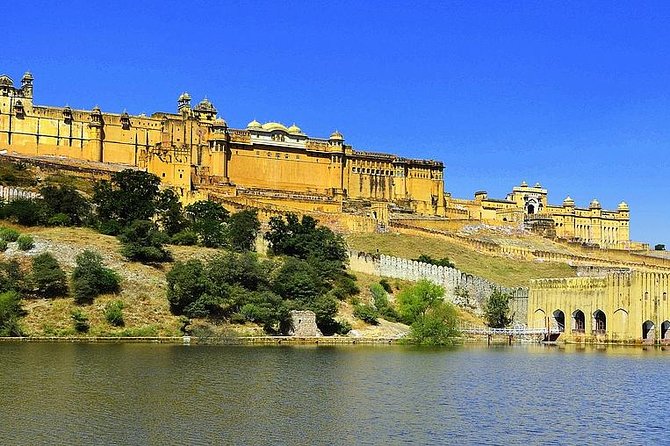
Day 3 keeps the momentum, but it shifts from Mughal tombs and forts into Rajput royalty and Jaipur’s planned character. You’ll start at Amber Palace (Amber Fort), a UNESCO heritage site with pale yellow and pink sandstone and white marble. Raja Man Singh built it in 1592, and it’s laid out as an extensive palace complex divided into four main sections and courtyards. That layout is why this stop is worth a full hour: it rewards people who look at the whole complex rather than just one façade.
From there, you’ll visit the City Palace of Jaipur, built between 1729 and 1732 by Sawai Jai Singh II. He planned and built the outer walls of the palace, while later rulers added more to the architecture. The timing matters here: the City Palace is tied to the founding and move of the court to Jaipur, so you’re not just looking at pretty buildings—you’re seeing how authority was physically expressed.
Next up is Jantar Mantar, a UNESCO World Heritage Site and a set of nineteen architectural astronomical instruments. It was completed in 1734, and it’s known for the world’s largest stone sundial. Even if astronomy isn’t your thing, this is one of those stops that surprises you because it makes science feel tangible—stone tools meant to measure time and the sky.
Finally, Jaipur’s most photogenic landmark: Hawa Mahal. This five-story honeycombed palace façade rises in pink, built in 1799 by Maharaja Sawai Pratap Singh. The purpose is practical and human: it let women of the royal household watch street life and processions without being seen. The top is also designed for views in multiple directions, including over Jantar Mantar and the City Palace, and toward Sireh Deori Bazaar.
After Hawa Mahal, you depart for Delhi. You’ll be ready to end the loop; three full days of major monuments is a lot, even when the logistics are handled for you.
More private days with a guide of your own

Price and value: what $373.34 includes and what you must budget
At $373.34 per person for a private 3-day route, the price makes sense when you match what you’re actually getting: private driver + professional guides, air-conditioned transfers between cities, hotel stays for two nights, and breakfast included. The tour also includes pickup and drop-off (hotel/airport/railway station), which can be a hidden cost when you try to DIY this itinerary.
What’s not included is the big variable: monument entrance fees and camera fees. Since each stop lists admission tickets as not included, you should expect to pay at multiple sites across the three days. Lunch and dinner aren’t included either, so your day costs will depend on how you choose to eat.
How to think about it for value: if you were to book a similar private car, pay for a guide for each city, and add two nights of lodging, the package starts to look like a time-saver as much as a cost-saver. You’re paying for less friction—fewer logistics headaches and less guesswork about timing. That’s exactly what you want on a short trip.
One more practical consideration from real-world experience: private drivers and cars can vary in comfort. One past itinerary noted the driver was great but that the car could have been newer for the price. If comfort matters to you, it’s fair to ask what kind of vehicle you’ll get or request a better vehicle category.
Final thoughts: should you book this private Golden Triangle tour?
I think this tour is a strong fit if you want a short, structured Golden Triangle with minimal planning. The sunrise Taj timing, the two-night hotel plan, and the combination of Delhi, Agra, and Jaipur UNESCO sites all match the goal of seeing the big hits without turning your vacation into a logistics project.
I’d be cautious if you’re extremely sensitive to comfort, because the tour depends on your private car. I’d also keep expectations realistic about shopping: there can be pressure near purchases, so you should be ready to decline politely and stick to your sightseeing.
If your priority is efficient sightseeing with professional guidance—and you’re okay paying extra for entrances and meals—then this private 3-day plan is a practical way to cover a lot of ground while staying comfortable.
FAQ
How long is the Private 3 Days Golden Triangle Tour from Delhi?
It runs for about 3 days, with a full Delhi day, an Agra day, and a Jaipur day.
Which cities and main attractions are included?
You’ll see Delhi landmarks (including Qutub Minar, Humayun’s Tomb, Lotus Temple, and India Gate), Agra sights (Taj Mahal, Agra Fort, and Tomb of Itimad-ud-Daulah), and Jaipur sights (Amber Palace, City Palace, Jantar Mantar, and Hawa Mahal).
Are monument entrance fees included?
No. Monument entrance fees are not included, and camera fees are also not included.
What meals are included?
Breakfast is included. Lunch and dinner are not included.
Is pickup and drop-off included?
Yes. The package includes hotel/airport/railway station pickup and drop-off, plus all transfers by air-conditioned private vehicle.
What time does the tour start, and where?
The start time is 9:00 am, with the tour beginning in Delhi based on your pickup arrangement.
Is this tour private or shared with other groups?
This is a private tour/activity. Only your group will participate.
Do I get a ticket for entry?
A mobile ticket is included.
Is free cancellation available?
Yes. You can cancel for free up to 24 hours in advance for a full refund.
Is this tour suitable for most people?
The info provided says most travelers can participate.
If you tell me your travel month and hotel tier (3/4/5 star), I can help you estimate a realistic daily budget for entrances and meals so the trip feels smooth from start to finish.
More Tours in New Delhi
- Old & New Delhi City Tour – Half or Full Day Options Available
★ 5.0 · 4,811 reviews - Half Day Private Delhi City Tour
★ 5.0 · 4,474 reviews - Same Day Taj Mahal, Agra Fort & Baby Taj Tour from Delhi by Car
★ 5.0 · 4,304 reviews - Taj Mahal Day Tour from Delhi by Superfast Train – TOP RATED TOUR
★ 5.0 · 4,166 reviews - Delhi: Old and New Delhi Private Full or Half-Day Tour
★ 4.9 · 3,776 reviews
More Tour Reviews in New Delhi
- Old & New Delhi City Tour – Half or Full Day Options Available
★ 5.0 · 4,811 reviews - Half Day Private Delhi City Tour
★ 5.0 · 4,474 reviews - Same Day Taj Mahal, Agra Fort & Baby Taj Tour from Delhi by Car
★ 5.0 · 4,304 reviews - Taj Mahal Day Tour from Delhi by Superfast Train – TOP RATED TOUR
★ 5.0 · 4,166 reviews - Delhi: Old and New Delhi Private Full or Half-Day Tour
★ 4.9 · 3,776 reviews
The Full Golden Triangle, More Options
- 3-Days Private Golden Triangle Tour: Delhi, Agra & Jaipur by Car
★ 5.0 · 1,107 reviews - 3-Days Private Golden Triangle Tour: Delhi, Agra & Jaipur by Car
★ 5.0 · 1,098 reviews - 3-Day Delhi, Agra and Jaipur Private Tour – India Golden Triangle
★ 5.0 · 812 reviews - Four-Day Private Luxury Golden Triangle Tour to Agra and Jaipur From New Delhi
★ 5.0 · 807 reviews - 5 Nights 6 Days Private Golden Triangle Tour – Delhi Agra Jaipur
★ 5.0 · 574 reviews
Just added: more New Delhi reviews to browse
- 4 days Golden Triangle Tour★ 5.0 · 3 reviews
- Discover Old & New Delhi: Private Tour with Street Food★ 5.0 · 3 reviews
- Taj Mahal Tour From Delhi By Private Car★ 4.5 · 3 reviews
- Golden Triangle Tour 5 Days★ 5.0 · 3 reviews
- Taj Mahal: Express Entry Ticket For Sunset Tour with guide★ 5.0 · 3 reviews
- Agra Taj Mahal Sunrise & Sunset Tour from Delhi★ 5.0 · 3 reviews
Golden Triangle Tours, compared.
 ★ 5.03-Days Private Golden Triangle Tour: Delhi, Agra & Jaipur by CarFrom $1271,107 reviews
★ 5.03-Days Private Golden Triangle Tour: Delhi, Agra & Jaipur by CarFrom $1271,098 reviews
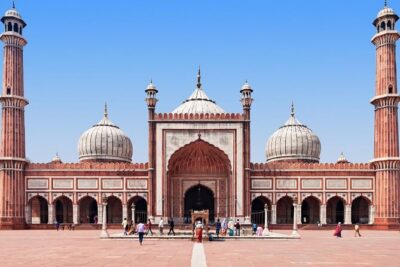 ★ 5.03-Day Delhi, Agra and Jaipur Private Tour – India Golden TriangleFrom $110812 reviews
 ★ 5.0Four-Day Private Luxury Golden Triangle Tour to Agra and Jaipur From New DelhiFrom $160807 reviews
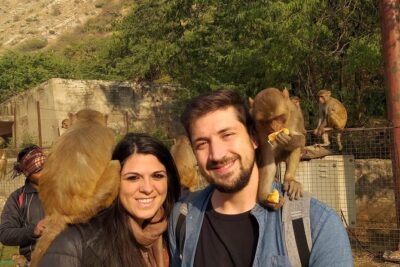 ★ 5.05 Nights 6 Days Private Golden Triangle Tour – Delhi Agra JaipurFrom $240574 reviews
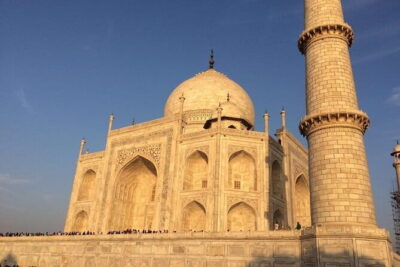 ★ 5.04 Days Golden Triangle TourFrom $146499 reviews
 ★ 5.0Private Car and Drive for Golden Triangle (4N/5D)From $167451 reviews
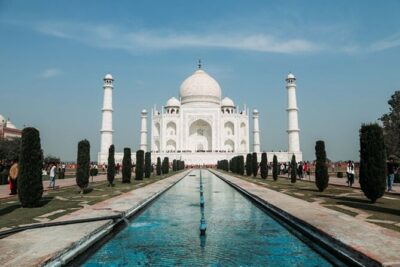 ★ 5.0Private Golden Triangle Tour Delhi Agra Jaipur ( Top Rated )From $148436 reviews