
Reviewed · OLD DELHI TOURS
Private Delhi City Tour Including New Delhi and Old Delhi
Delhi can feel like a firehose of sights.
This private full-day route makes it manageable by pairing Old Delhi’s big Mughal-era icons with New Delhi’s grand government-landmark setting, all with hotel pickup. Two things I really like: you get a guide who talks through what you’re seeing, and you can move at a pace that doesn’t feel like a cattle line.
You’ll get a private vehicle and driver for the day, which matters in Delhi traffic. One drawback to keep in mind: the tour price doesn’t include major entrance tickets (listed as ₹2,600 per person), and guide quality can vary—one guest flagged incorrect history about Qutub Minar and Humayun’s Tomb.
In This Review
- Key highlights that make this tour work well
- A One-Day Route Through Old Delhi and New Delhi
- Price and Tickets: What You’re Really Paying
- Getting Around: Private Vehicle, Real Timing, Less Stress
- Red Fort: The Mughal Color That Built a Fortress
- Jama Masjid: One Courtyard, 25,000 People
- Raj Ghat: Gandhi’s Memorial by the Yamuna
- Humayun’s Tomb: Mughal Architecture That Started the Style
- Rashtrapati Bhavan, India Gate, and Parliament: New Delhi’s Official Face
- Rashtrapati Bhavan (Presidential House)
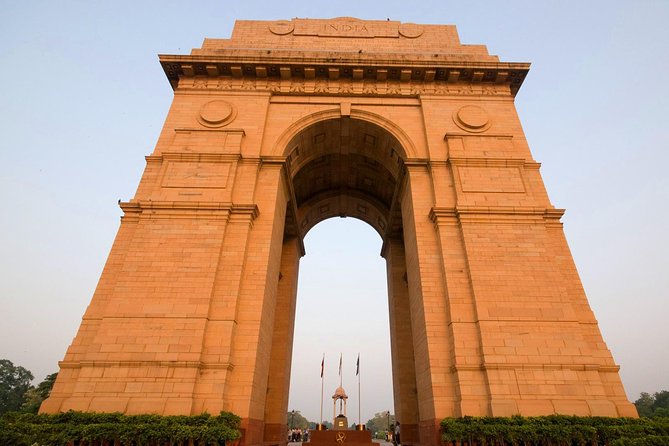
- India Gate: A War Memorial With Names
- Parliament House: Quick Visit, Big Symbol
- National Museum: Culture Stop Without the Rush
- Birla Mandir: A Temple Built in the 1930s
- Qutub Minar: The Tower That Changes the Day
- Guide Quality: Why It Can Make or Break Your Day
- Lunch, Water, and Energy: Plan Like You’re in India
- Who This Tour Suits Best
- Should You Book This Private Delhi City Tour?
- FAQ
- Is this tour private?
- What’s included in the tour price?
- Are entrance fees included?
- Is lunch included?
- How long is the tour?
- Can I cancel for a full refund?
Key highlights that make this tour work well
- Old + New Delhi in one day so you don’t spend your trip just commuting between neighborhoods
- Hotel pickup and drop-off that saves real time when Delhi traffic is at full speed
- A focused route with timed stops (around 45–60 minutes at most sites) so you actually cover everything
- Big-name landmarks, not random stops from Red Fort and Jama Masjid to India Gate and Qutub Minar
- Small-group structure with a max of 10 people per booking, plus private touring for your party
- Expect commentary on history and culture—and ask questions if you want more depth
A One-Day Route Through Old Delhi and New Delhi
This is the kind of tour that’s built for orientation. If you’re in Delhi for a short time, trying to tackle Old Delhi and New Delhi on your own can turn into a long day of taxis, waiting, and confusion. Here, the plan is clear: you start with Old Delhi’s heavyweights, then you shift toward New Delhi’s wide boulevards and official landmarks.
The itinerary is ambitious—Red Fort, Jama Masjid, Raj Ghat, Humayun’s Tomb, Rashtrapati Bhavan, India Gate, the National Museum, Birla Mandir, Qutub Minar, and Parliament House—all in roughly 9 hours. That “all killer, no filler” structure is exactly why this can feel like value: you’re paying for time you don’t have to waste.
Also, because it’s private for your group (not a big coach herd), you’re more likely to get questions answered and move when you want. In one run of this tour, the guide Satyender Paul (SP) was praised for keeping a leisurely flow and giving enough time to walk rather than sprinting from spot to spot.
More hours to spend in Old Delhi




Price and Tickets: What You’re Really Paying
The tour is priced at $75 per person. That sounds straightforward—until you look at the add-ons.
Entrance fees are listed separately as ₹2,600 per person, and lunch is not included. So, in practice, your total cost will depend on how many sites you enter and how your guide handles tickets. Since the tour includes taxes and handling charges, you’re not getting hit with surprise fees like “local service charges” on top of the entrance ticket line.
Here’s how I’d think about it:
- If you were doing this by hiring a driver and guide for yourself, you’d almost certainly spend more.
- If you’re also planning to pay entrance fees anyway (Red Fort, Qutub Minar area sites, and museum-type entries usually aren’t free), the ₹2,600 line becomes part of the normal cost of seeing Delhi properly.
One more thing: Parliament House is marked as free admission, and India Gate and many others are listed without admission tickets included. Translation: you’ll still pay attention to ticket lines on arrival, but the tour isn’t designed to make you buy every single item separately without explanation.
Getting Around: Private Vehicle, Real Timing, Less Stress
The tour includes private vehicle + driver plus a professional local English-speaking guide. For a city like Delhi, that combo matters more than it does in many European capitals.
Delhi’s distances are not the problem. It’s the stop-and-go traffic and the time lost to wrong turns. When a driver already knows the route and the guide already knows the “how long here, what to look for there,” you stop burning your energy on logistics and start spending it on the sites.
The day is paced with realistic stop durations:
- about 1 hour at Red Fort, Jama Masjid, Raj Ghat, Humayun’s Tomb, Rashtrapati Bhavan, National Museum, Birla Mandir, and Qutub Minar
- 45 minutes at India Gate
- 15 minutes at Parliament House
That structure helps you plan your own expectations. It’s enough time to walk around, take photos, and understand what you’re looking at—without turning the day into a marathon.
Red Fort: The Mughal Color That Built a Fortress
Your first major stop is Red Fort. The fort’s name comes from the red sandstone used for construction by the Mughals. It’s one of those monuments that works best when you understand two things at once: it’s a physical fortress, and it’s a symbol of who held power—and how they wanted Delhi to look.
You’ll typically get around 1 hour here, and admission tickets are not included. That means you should plan on a ticket purchase on the ground. If you want the most from the time, don’t just hover at the first view—let the guide point out what’s visually “Mughal” versus what’s more about later layers and courtyard life.
A practical tip: take a moment early in the day to figure out where the entrances and paths are. Red Fort is a busy, high-energy place, and it’s easier when you’re not scrambling 10 minutes into your hour.
Jama Masjid: One Courtyard, 25,000 People
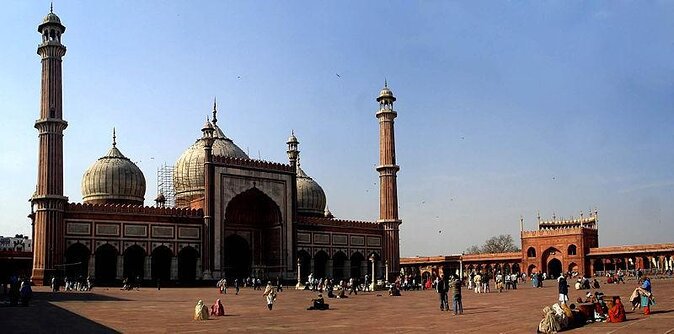
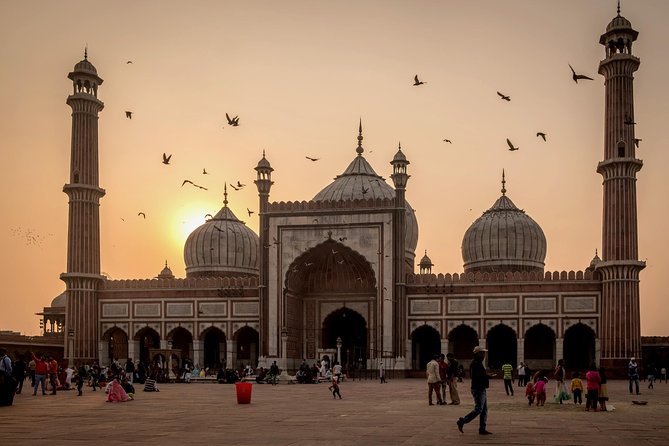
Next up is Jama Masjid, the big mosque of Old Delhi. The scale is part of what makes this site memorable: it’s described as the largest in India, and the courtyard can hold 25,000 devotees.
It’s a site where you see religion, architecture, and city life all at once. You’ll get about 1 hour, and again admission tickets are not included. Even if you’re not visiting as a religious pilgrim, it helps to treat it like a living landmark, not a museum piece.
When I’m short on time in a place like this, I focus on three things:
1) the courtyard layout
2) how people move through the space
3) what the guide says about when and how it was built
That last part matters because it anchors the building in time—Jama Masjid is noted as beginning in 1644 and ending as part of Shah Jahan’s architectural extravagance.
Bigger loops around the capital

Raj Ghat: Gandhi’s Memorial by the Yamuna
Then you pivot from architecture to memory at Raj Ghat, dedicated to Mahatma Gandhi. This is on the banks of the River Yamuna, and the memorial is a black marble platform built at the spot of Gandhi’s cremation.
This stop is also listed for 1 hour, with admission tickets not included. The effect here isn’t about collecting facts; it’s about slowing down. In a day that includes huge forts and towers, Raj Ghat is a deliberate contrast.
If you tend to rush through memorials, I’d try to give Raj Ghat a calm minute. Even 10 quiet moments can make the rest of the day feel less like ticking boxes and more like understanding Delhi’s layers.
Humayun’s Tomb: Mughal Architecture That Started the Style
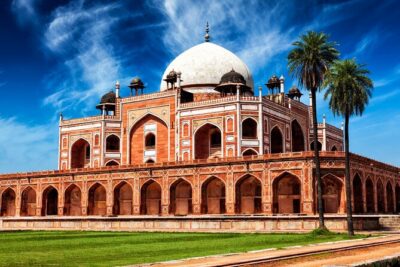
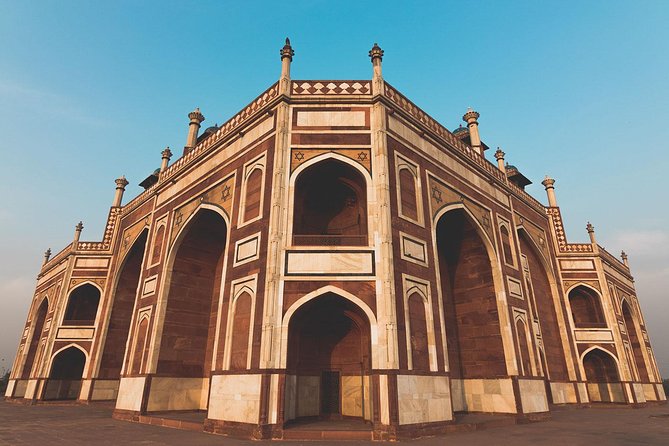
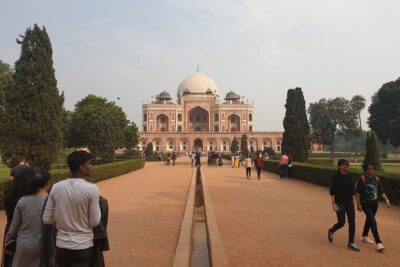
After that comes Humayun’s Tomb, described as near the crossing of Mathura Road and Lodhi Road. The big takeaway is architectural: it’s called the first substantial example of Mughal architecture in India.
You’ll have around 1 hour here. And even though it’s “just a tomb” on the surface, it’s worth paying attention to garden layout and symmetry, because those elements are part of how Mughal power communicated itself—by turning ideas into spaces.
Also, built in 1565 A.D., it’s noted as being nine years after Huma’s death. That timeline detail helps you understand this as a carefully planned statement, not a random burial site.
Rashtrapati Bhavan, India Gate, and Parliament: New Delhi’s Official Face
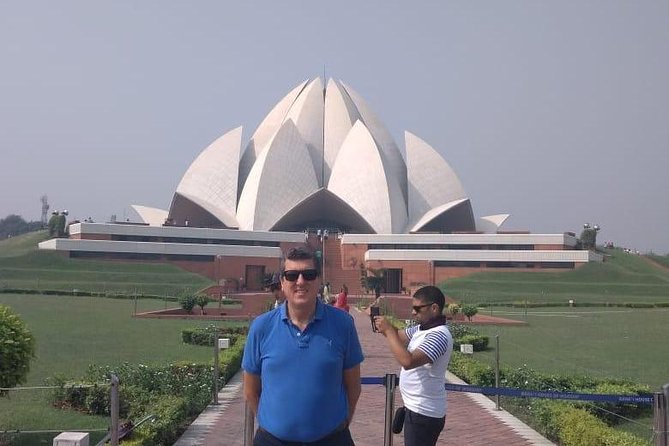
Now the tour shifts to New Delhi’s heavy-government zone.
Rashtrapati Bhavan (Presidential House)
You’ll spend about 1 hour at Rashtrapati Bhavan, described as one of the world’s largest residential head-of-state houses. It’s listed as 19,000 square metres (about 200,000 square feet) across four floors.
This isn’t the kind of stop where you need to know every architectural term. What you want is the sense of scale—how Delhi’s New City projected authority and order through design.
India Gate: A War Memorial With Names
Then it’s India Gate for about 45 minutes. It’s a war memorial, initially named the All India War Memorial, and it holds inscriptions of 13,300 names of Indian soldiers.
This is a great example of why guided narration helps. A memorial like this doesn’t hit the same way if you treat it like a photo backdrop. With a guide, the focus becomes the meaning behind the monument.
Parliament House: Quick Visit, Big Symbol
Finally, Parliament House is listed for only 15 minutes, and admission is free. It’s described as a circular colonnaded building in Imperial Style, plus ministerial offices and committee rooms, with an excellent library mentioned.
Fifteen minutes sounds short—but for something this symbolic, short is often enough if your guide tells you what you’re looking at. If you want more time, make sure you do the key viewing points fast and ask the guide to explain the rest while you’re moving.
National Museum: Culture Stop Without the Rush
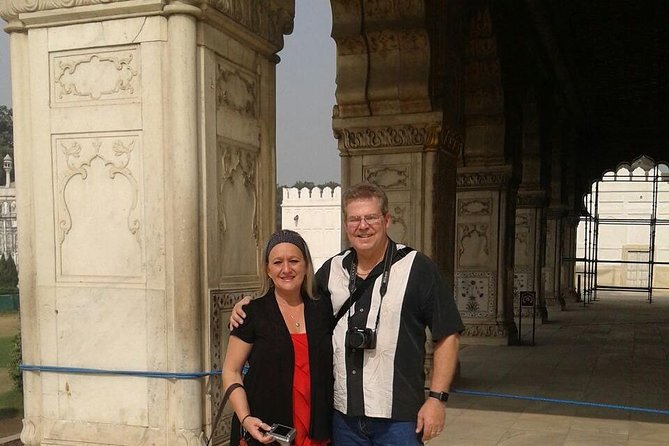
Next comes the National Museum, described as one of the largest museums in India, established in 1949, located at the corner of Janpath and Maulana Azad Road.
You’ll have about 1 hour. Admission tickets are not included, so you’ll want to confirm how your guide is handling entry.
This is a good “breather” stop in a day packed with outdoors monuments. If you’re the type who likes seeing how a city thinks, not just how it looks, a museum hour can turn the day from sightseeing into comprehension.
And because it’s not the only museum stop on the planet (this one is specifically the National Museum of India), I’d use your hour strategically: pick a few areas or themes your guide recommends rather than trying to see everything.
Birla Mandir: A Temple Built in the 1930s
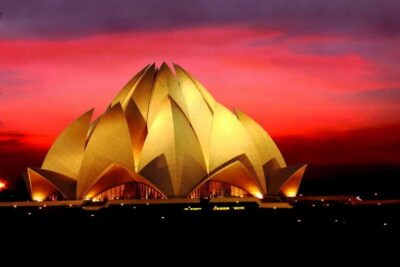
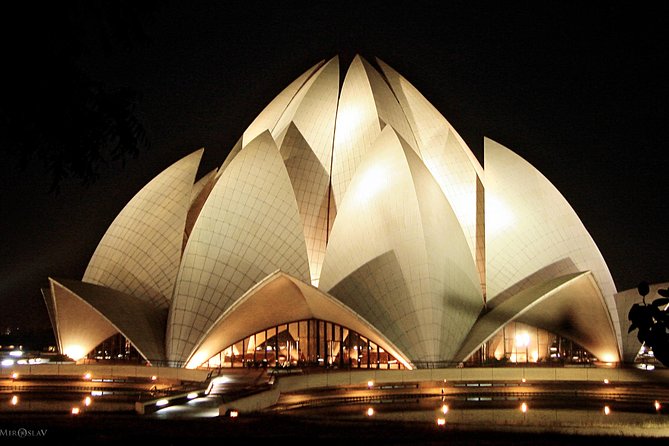
Birla Mandir (Lakshmi Narayan) is next, for about 1 hour. The tour description notes it was built between 1933 and 1939 by B.D. Birla. It’s identified as one of Delhi’s major temples and landmarks.
This site is different from the Mughal-era stops because it’s not about medieval empire architecture—it’s about a different kind of religious and civic presence in Delhi. That contrast is useful on a mixed itinerary.
If you like devotional spaces, you’ll appreciate how this stop adds texture to the day. If you don’t, just treat it like a cultural pause and enjoy the way a temple can shift the mood.
Qutub Minar: The Tower That Changes the Day
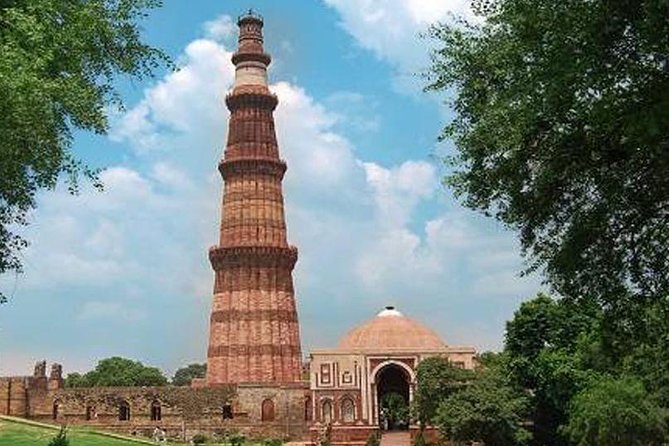
The final big landmark is Qutub Minar, described as a 73 meter high tower built by Qutub-ud-Din Aibak in 1193. It’s framed as celebrating Muslim dominance in Delhi after the defeat of the last Hindu ruler.
You’ll have about 1 hour, with admission tickets not included.
Qutub Minar is one of those sights where you’ll get better results if you plan your timing. Since it’s among the last stops, the day may feel more rushed if traffic runs late. If you care about photos or want extra walking time, I’d treat this as your must-not-skip hour.
Also, don’t be shy about asking the guide to correct or clarify details you hear. One unhappy experience noted incorrect information about Qutub Minar’s age, so your best move is to ask a simple question like: what year was it built, and who commissioned it? A good guide can answer cleanly.
Guide Quality: Why It Can Make or Break Your Day
The biggest variable in this tour isn’t the landmarks. It’s the guide.
Most of the structure is set: the stops are clear and timed. Where quality shows up is in:
- accuracy (getting the facts right)
- pacing (giving you time to walk)
- explanations (helping you connect the sites across time periods)
In a praised experience with Satyender Paul (SP), the guide was said to give a general overview first, then dig into each site with enough time to explore. In a negative experience, the guest felt the guide missed key historical points and that the tour wasn’t worth the price they paid.
So here’s my practical advice: if your guide starts floating big claims that don’t sound right, ask for clarification. Delhi is full of overlapping stories. A strong guide can handle a question without getting defensive.
Lunch, Water, and Energy: Plan Like You’re in India
Lunch isn’t included. That means you’ll likely stop for food either near the end or at a convenient point in the route. A guide can point you toward a place, but you should expect tourist pricing.
Plan for this in advance:
- bring a bottle of water
- wear shoes you can walk in for long stretches
- keep some cash handy in case you run into ticket lines or small purchases
Also, since this is a full day with multiple outdoor monuments, heat and crowds can matter. Build in moments where you just stand, watch, and take a break. The tour gives you timed stops, but it doesn’t control the weather.
Who This Tour Suits Best
This tour fits best if you:
- want to see both Old Delhi and New Delhi without arranging two separate days
- like having a driver do the traffic part
- want a guided explanation at major landmarks rather than reading alone
- prefer a small-group feel (max 10 per booking)
It’s also a good option if you’re the kind of traveler who likes major “anchor sights” and then wants to build your own interest afterward.
If you hate crowds, or you’re the type who wants slow museum time and long meals, you might feel this is packed. But as a first Delhi orientation day, it’s hard to beat.
Should You Book This Private Delhi City Tour?
I’d book it if you want a smart, time-efficient overview of Delhi’s most recognizable sites, with the comfort of pickup, a private driver, and guided commentary. The pricing can be good value when you factor in the private logistics and the number of major stops in one day.
I would pause before booking if:
- you don’t want to pay additional entrance fees (₹2,600 per person is the big line item)
- you’re extremely sensitive to guide accuracy and narration quality
- you prefer a slower pace with more free time to wander independently
If you do book, your best move is simple: ask one or two history questions early in the day so you can judge how your guide handles details. Then you’ll know whether the day becomes learning—or just photo stops.
FAQ
Is this tour private?
Yes. It’s described as a private tour/activity where only your group participates, with a maximum of 10 people per booking.
What’s included in the tour price?
Included items are hotel pickup and drop-off, a private vehicle with driver, a professional local English-speaking guide, and all taxes, fees, and handling charges.
Are entrance fees included?
No. Entrance fees are listed as ₹2,600 per person, and the itinerary stops show admission tickets not included for several major sites.
Is lunch included?
No. Lunch is not included.
How long is the tour?
It’s listed as about 9 hours.
Can I cancel for a full refund?
Yes. You can cancel up to 24 hours in advance for a full refund. If you cancel less than 24 hours before the experience’s start time, the amount paid is not refunded.
More Tours in New Delhi
- Old & New Delhi City Tour – Half or Full Day Options Available
★ 5.0 · 4,811 reviews - Half Day Private Delhi City Tour
★ 5.0 · 4,474 reviews - Same Day Taj Mahal, Agra Fort & Baby Taj Tour from Delhi by Car
★ 5.0 · 4,304 reviews - Taj Mahal Day Tour from Delhi by Superfast Train – TOP RATED TOUR
★ 5.0 · 4,166 reviews - Delhi: Old and New Delhi Private Full or Half-Day Tour
★ 4.9 · 3,776 reviews
More Tour Reviews in New Delhi
- Old & New Delhi City Tour – Half or Full Day Options Available
★ 5.0 · 4,811 reviews - Half Day Private Delhi City Tour
★ 5.0 · 4,474 reviews - Same Day Taj Mahal, Agra Fort & Baby Taj Tour from Delhi by Car
★ 5.0 · 4,304 reviews - Taj Mahal Day Tour from Delhi by Superfast Train – TOP RATED TOUR
★ 5.0 · 4,166 reviews - Delhi: Old and New Delhi Private Full or Half-Day Tour
★ 4.9 · 3,776 reviews
More of Old Delhi
- The Great Indian Food Tour: Old Delhi Food and Heritage Walk
★ 5.0 · 1,698 reviews - Old Delhi Food, Heritage&Cultural Walk with Rickshaw ride to Masterji Kee Haveli
★ 5.0 · 742 reviews - Old Delhi Bike Tour
★ 5.0 · 616 reviews - Old Delhi Street Food Tour
★ 5.0 · 497 reviews - Breakfast Walk in Old Delhi
★ 5.0 · 449 reviews
Just added: more New Delhi reviews to browse
- 4 days Golden Triangle Tour★ 5.0 · 3 reviews
- Discover Old & New Delhi: Private Tour with Street Food★ 5.0 · 3 reviews
- Taj Mahal Tour From Delhi By Private Car★ 4.5 · 3 reviews
- Golden Triangle Tour 5 Days★ 5.0 · 3 reviews
- Taj Mahal: Express Entry Ticket For Sunset Tour with guide★ 5.0 · 3 reviews
- Agra Taj Mahal Sunrise & Sunset Tour from Delhi★ 5.0 · 3 reviews
Old Delhi Tours, compared.
 ★ 5.0The Great Indian Food Tour: Old Delhi Food and Heritage WalkFrom $431,698 reviews
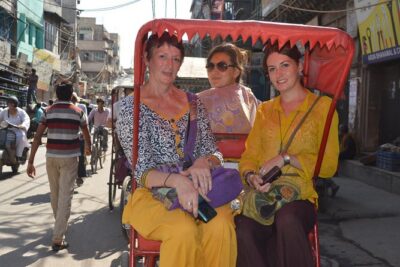 ★ 5.0Old Delhi Food, Heritage&Cultural Walk with Rickshaw ride to Masterji Kee HaveliFrom $52742 reviews
 ★ 5.0Old Delhi Bike TourFrom $30616 reviews
 ★ 5.0Old Delhi Street Food TourFrom $40497 reviews
 ★ 5.0Breakfast Walk in Old DelhiFrom $80449 reviews
 ★ 4.9Old Delhi Street Food Tour with Rickshaw RideFrom $43403 reviews
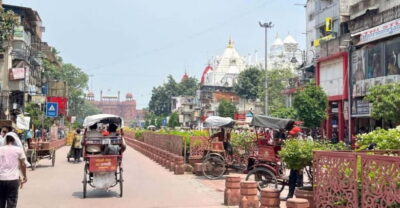 ★ 4.9Old Delhi: Private Tour of Chandni Chowk, Tuk Tuk & FoodFrom $70345 reviews
 ★ 5.0New Delhi and Old Delhi Private Tour 4-8 Hours – CustomizableFrom $10342 reviews
Browse the lists this tour appears in