
Reviewed · DELHI TEMPLE & SPIRITUAL TOURS
Private Delhi Spiritual Tour: Temples, Mosques & Markets
Delhi’s faiths meet street life. In one private day, you hop between Gurudwara Bangla Sahib and Jama Masjid, then pivot to old markets like Chandni Chowk and Khari Baoli. I like how the route pairs big, iconic buildings with everyday commerce, so the city feels lived-in instead of just photographed.
I also like that it’s organized for your time: private air-conditioned transport, pickup and drop-off anywhere in Delhi, bottled water, and admission tickets for the main temple and mosque stops. One possible drawback: religious sites and market areas can mean security checks and crowded paths, so you’ll want comfortable shoes and a bit of patience around entry lines.
In This Review
- Key highlights
- Why This Delhi Route Works: Faiths, Markets, and a Practical Pace
- Pickup, Private Transport, and How the Day Stays Low-Stress
- Gurudwara Bangla Sahib: Golden Dome, Sacred Pond, and Calm On Purpose
- Jama Masjid: Shah Jahan’s Mosque and the Power of Scale
- Chandni Chowk by Cycle Rickshaw: Narrow Lanes, Mughal-Era Layout, Real Local Energy
- Khari Baoli: Asia’s Largest Spice Market and What to Expect Smell-Wise
- Swaminarayan Akshardham: Modern Temple Craft, Exhibitions, and an Optional Fountain Show
- Lotus Temple: Quiet Meditation in a Lotus-Shaped Space
- Price and What’s Actually Included for $41 Per Person
- Who Should Book This Tour (and Who Might Want a Different Day)
- Should You Book This Private Delhi Spiritual Tour?
- FAQ
- How long is the Private Delhi Spiritual Tour?
- What is the price per person?
- Is pickup and drop-off included?
- Is this a private tour?
- Which parts include admissions and which are free?
- Is the cycle rickshaw ride included?
- What happens if you’re traveling on a Monday?
- Do I need to bring an ID?
- Are meals included?
Key highlights
- Private guide + private car: You keep control of the pace, with pickup and drop-off from your hotel or any address in Delhi.
- Golden dome to royal mosque: Gurudwara Bangla Sahib and Jama Masjid let you compare Sikh and Mughal religious architecture up close.
- Chandni Chowk by cycle rickshaw: A slower ride through narrow Mughal-era lanes makes the market feel more human.
- Khari Baoli spice market: Asia’s largest wholesale spice hub—worth it just for the smell and stall-to-stall variety.
- Akshardham + Lotus Temple: One stop for ornate modern temple design and displays, one for quiet meditation in a lotus-shaped building.
- Monday alternative plan: If Akshardham and Lotus Temple are closed, the tour swaps in ISKCON Temple and Shri Kalkaji Temple.
Why This Delhi Route Works: Faiths, Markets, and a Practical Pace
This tour is built around contrast, and that’s the point. You start with Sikh worship, move to a giant Mughal mosque, then shift to Delhi’s commercial heart with spice and street-food energy (even when you’re just watching). The day feels cohesive because the guide can connect what you’re seeing—religion shapes architecture, and architecture shapes neighborhoods.
I like that the timing isn’t random. You hit major sites that draw crowds, but you also get market time with included transportation so you’re not constantly zig-zagging through the city alone. The result is a full day that still leaves you feeling oriented.
If you’re sensitive to crowds, you’ll want to plan for busier lanes near Chandni Chowk and Khari Baoli. And since it’s a 7-hour day, you’ll want to treat it like a real day out, not a quick museum hop.
Quieter corners: more Delhi temples and shrines


Pickup, Private Transport, and How the Day Stays Low-Stress
The day starts with pickup from your chosen Delhi location—hotel, airport, railway station, or any address. Your group travels in the car type matched to group size: sedan for 1–2 people, SUV for 3–5, and a minivan for 10+.
That private, air-conditioned transport matters more than people think in Delhi. Sites like Jama Masjid and old markets can soak up time with traffic and walking. Here, you get parking and tolls handled, plus bottled water to keep the day comfortable.
One more plus: you’re not sharing the tour with strangers. It’s only your booking group, which makes it easier to pause for photos, rest a moment, or simply take in the atmosphere without feeling rushed.
And yes, the guide really can change the experience. In strong past outings, guides like Ahmed have explained everything from cultural meaning to architectural details, including technical specifics you’d miss if you were reading signs alone. Add a driver like Rohit who has handled waiting, and the day feels smoother when schedules get tight.
Gurudwara Bangla Sahib: Golden Dome, Sacred Pond, and Calm On Purpose
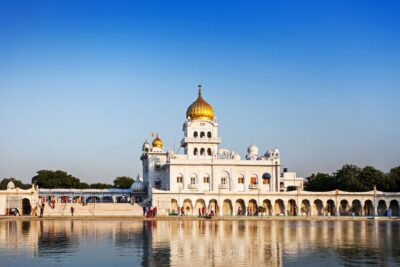
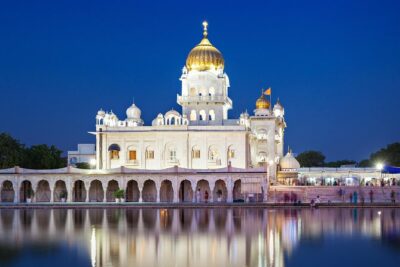
You begin at Gurudwara Bangla Sahib, one of Delhi’s most beloved Sikh temples. The golden dome is the headline, but the real emotional anchor is the Sarovar, the sacred pond often associated with healing waters.
From there, you’ll walk through a prayer hall and take in the tone of Sikh hospitality. It’s not just a sightseeing stop; it’s a place where people come to pray and reset. The guide helps you understand what you’re looking at beyond the big photo spots.
Practical note: because this is an active place of worship, you’ll likely spend less time wandering like a tourist and more time moving with care. Plan for that mindset, and you’ll enjoy it more.
Admission is included, and the stop runs about an hour—enough time to see the highlights without turning it into a race.
Jama Masjid: Shah Jahan’s Mosque and the Power of Scale
Next up is Jama Masjid, built under Emperor Shah Jahan in 1656. This mosque isn’t just impressive; it’s massive. Its courtyard can hold up to 25,000 worshippers, and when you see that space in person, you understand why it matters.
The stop is structured for a clear view of the architecture. You’ll admire the red sandstone and marble structure, and your guide will help connect the design choices to the era and religious function.
The one consideration here is timing and crowds. Jama Masjid attracts visitors and worshippers, so movement can slow down. That said, having a private guide who keeps you pointed at the most important sightlines makes a big difference.
Admission is included, and the stop runs about an hour—again, paced for a 7-hour itinerary rather than a “see everything in Delhi” fantasy.
Chandni Chowk by Cycle Rickshaw: Narrow Lanes, Mughal-Era Layout, Real Local Energy
Then you shift from formal worship spaces to Delhi street life at Chandni Chowk. You ride a traditional cycle rickshaw through the historic lanes of Chandni Chowk, Delhi’s oldest market area, laid out during the Mughal era.
This is one of my favorite ways to experience markets because it forces a slower rhythm. You’re not just walking through stalls—you’re gliding past them, which helps you notice details like how shop fronts face the lanes and how the road shape drives foot traffic.
The stop is about 30 minutes, and that’s actually a good length. Markets can take over a day if you let them, and this gives you a taste without exhausting you before the next major temple.
Admission is free for this segment, but you’ll still want cash and patience if you decide to buy anything from vendors. The guide can steer you toward what’s worth your attention.
More private days with a guide of your own

Khari Baoli: Asia’s Largest Spice Market and What to Expect Smell-Wise
Khari Baoli is the spice side of the story. You’ll walk through Asia’s largest wholesale spice market, where the air carries the aroma of spices, herbs, and teas.
This area is a sensory education. Even if you don’t plan to buy much, you can learn what different stalls carry and how spices are packaged for wholesalers. The structure is built for commerce, so you’ll see patterns: bigger stock, repeated brands, and a quick pace as people come and go.
The stop is about 30 minutes, which works well because spice markets can be intense for the nose and the eyes if you stay too long. A quick, guided walk is often better than trying to do everything on your own.
Admission is free here too. If you do shop, treat it like a market visit: compare stalls, look closely at what you’re buying, and don’t feel pressured to purchase just because the smell is strong.
Swaminarayan Akshardham: Modern Temple Craft, Exhibitions, and an Optional Fountain Show
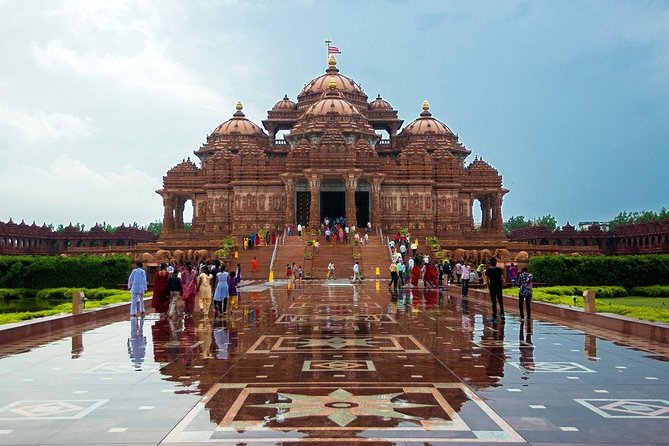
After the markets, you get a change of pace at Akshardham Temple, a spectacular modern architectural marvel dedicated to Bhagwan Swaminarayan. The exterior detail is striking, but what makes this stop special is the combination of ornate carvings and the experience-style layout.
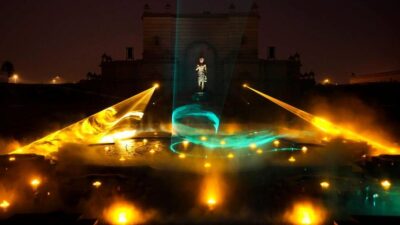
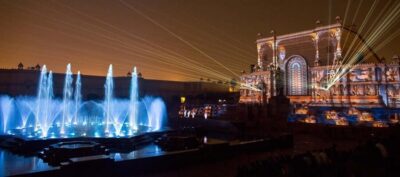
You’ll spend about an hour here, and the plan includes exhibitions plus time to take in the design. There’s also a musical fountain show you can opt into if you want that extra layer of spectacle.
One key planning note: Akshardham and Lotus Temple remain closed on Mondays. On those days, the tour arranges alternative visits to ISKCON Temple and Shri Kalkaji Temple instead. This keeps the spiritual theme intact, even if the exact buildings change.
Admission is included, and the timing is set so you can enjoy the space without sprinting between exhibits.
Lotus Temple: Quiet Meditation in a Lotus-Shaped Space
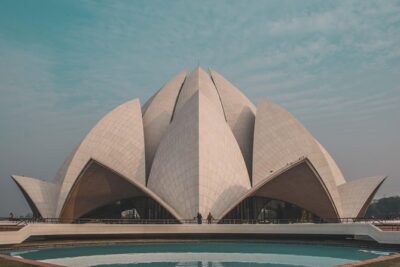
You end at Lotus Temple, shaped like a blooming white lotus flower. What makes it different is the purpose: it’s open to people of all religions for meditation and reflection.
In practice, this often feels like a reset button after the sensory push of markets. The prayer hall encourages quiet, and you can slow your pace and take in the calm. Your guide can help you understand what the design communicates about spiritual inclusion.
This stop runs about an hour, with admission included. It’s also listed as included in the same Monday-switch logic: if Lotus Temple is closed, you won’t lose the ending—your schedule adjusts.
Price and What’s Actually Included for $41 Per Person
At $41 per person for a roughly 7-hour private tour, the value is in what you don’t have to arrange. You get private air-conditioned transport with pickup and drop-off from any Delhi location, plus bottled water. You also get a professional tourist guide and coverage of all parking fees, tolls, fuel, and taxes.
Admissions are included for the big ticket sites: Gurudwara Bangla Sahib, Jama Masjid, Swaminarayan Akshardham, and Lotus Temple. Chandni Chowk and Khari Baoli are free segments, and the cycle rickshaw ride is included too.
That means you’re paying for coordination and access, not just for transportation. If you try to DIY this route, the hardest part is usually timing: managing entry hours, spacing between distant stops, and figuring out local transit without losing the day.
Meals and tips aren’t included, so you’ll still want to plan for your own lunch/snacks. Depending on your schedule and preferences, you might want to budget a modest amount for food near your last stop or along the way.
Who Should Book This Tour (and Who Might Want a Different Day)
This tour is a great match if you want a clear introduction to Delhi’s spiritual sides—Sikh, Mughal Islamic, and multiple Hindu traditions—without turning it into an encyclopedia session. You’ll also enjoy it if you like markets, especially when the ride is part of the plan (the cycle rickshaw through Chandni Chowk is a smart touch).
It’s especially suited for first-timers who feel overwhelmed by distances and don’t want to figure out logistics on their own. The private format helps a lot if your group has different walking speeds or you want photo breaks without negotiating with strangers.
If you only want one type of experience—pure temples with minimal street time, or pure markets with minimal religious stops—then you might prefer a more focused tour. This route is a mix by design, and you’ll feel both sides.
Should You Book This Private Delhi Spiritual Tour?
If you want one organized day that connects major religious landmarks with the real street pulse of Delhi, I’d say yes. You’re paying a fair price for private transport, a guide who can explain what you’re seeing, and included access to the main sites. It also helps that the itinerary includes a few “breathing” segments—market time is short, and the day ends in a meditation-focused space.
Book it if:
- you value a guided comparison of faith and architecture
- you want a private day with pickup and drop-off handled
- you’re comfortable with a full 7-hour schedule and some crowd movement
Skip it if you only want one theme. This is meant to show Delhi’s overlaps—where sacred space and everyday life sit close enough to feel connected.
FAQ
How long is the Private Delhi Spiritual Tour?
The tour is about 7 hours (approx.).
What is the price per person?
It costs $41.00 per person.
Is pickup and drop-off included?
Yes. Pickup and drop-off are included from your preferred location within Delhi, including hotels, airports, and railway stations.
Is this a private tour?
Yes. It’s private, so only your booking group participates.
Which parts include admissions and which are free?
Admission is included for Gurudwara Bangla Sahib, Jama Masjid, Swaminarayan Akshardham, and Lotus Temple. Chandni Chowk and Khari Baoli are free segments.
Is the cycle rickshaw ride included?
Yes. The Rickshaw (Tuk-Tuk) ride is included.
What happens if you’re traveling on a Monday?
Akshardham and Lotus Temple are closed on Mondays. The tour arranges alternative visits to ISKCON Temple and Shri Kalkaji Temple instead.
Do I need to bring an ID?
Carry a valid photo ID for entry checks at certain monuments.
Are meals included?
No. Meals and additional services are not included, and tips are not included either.
More Tours in New Delhi
- Old & New Delhi City Tour – Half or Full Day Options Available
★ 5.0 · 4,811 reviews - Half Day Private Delhi City Tour
★ 5.0 · 4,474 reviews - Same Day Taj Mahal, Agra Fort & Baby Taj Tour from Delhi by Car
★ 5.0 · 4,304 reviews - Taj Mahal Day Tour from Delhi by Superfast Train – TOP RATED TOUR
★ 5.0 · 4,166 reviews - Delhi: Old and New Delhi Private Full or Half-Day Tour
★ 4.9 · 3,776 reviews
More Tour Reviews in New Delhi
- Old & New Delhi City Tour – Half or Full Day Options Available
★ 5.0 · 4,811 reviews - Half Day Private Delhi City Tour
★ 5.0 · 4,474 reviews - Same Day Taj Mahal, Agra Fort & Baby Taj Tour from Delhi by Car
★ 5.0 · 4,304 reviews - Taj Mahal Day Tour from Delhi by Superfast Train – TOP RATED TOUR
★ 5.0 · 4,166 reviews - Delhi: Old and New Delhi Private Full or Half-Day Tour
★ 4.9 · 3,776 reviews
Delhi Temples and Quiet Corners
- New Delhi: Akshardham Temple Tour with Water and Light Show
★ 4.8 · 313 reviews - Old Delhi Food-Spice Market-Temples Tour Soon Featured on NETFLIX
★ 5.0 · 304 reviews - Taj Mahal Sunrise with Lord Shiva Temple:- All Inclusive
★ 5.0 · 207 reviews - Old Delhi Temples and Spiritual Sites Private 6-Hour Tour
★ 4.8 · 204 reviews - Private Delhi Temples and Spiritual Sites 6 Hours Tour
★ 5.0 · 171 reviews
Just added: more New Delhi reviews to browse
- 4 days Golden Triangle Tour★ 5.0 · 3 reviews
- Discover Old & New Delhi: Private Tour with Street Food★ 5.0 · 3 reviews
- Taj Mahal Tour From Delhi By Private Car★ 4.5 · 3 reviews
- Golden Triangle Tour 5 Days★ 5.0 · 3 reviews
- Taj Mahal: Express Entry Ticket For Sunset Tour with guide★ 5.0 · 3 reviews
- Agra Taj Mahal Sunrise & Sunset Tour from Delhi★ 5.0 · 3 reviews
Delhi Temple & Spiritual Tours, compared.
 ★ 4.8Akshardham Temple Tour with Water and Light ShowFrom $21313 reviews
 ★ 5.0Old Delhi Food-Spice Market-Temples Tour Soon Featured on NETFLIXFrom $49304 reviews
 ★ 5.0Taj Mahal Sunrise with Lord Shiva Temple:- All InclusiveFrom $5207 reviews
 ★ 4.8Old Delhi Temples and Spiritual Sites Private 6-Hour TourFrom $40204 reviews
 ★ 5.0Private Delhi Temples and Spiritual Sites 6 Hours TourFrom $41171 reviews
 ★ 4.8Akshardham Temple Light Show with Custom Add-OnsFrom $10125 reviews
 ★ 4.8Private Spiritual Sites Car Tour with Lunch and EntryFrom $561 reviews
 ★ 5.0Half-Day Delhi Temple Tour with Pick-Up & Drop-OffFrom $3060 reviews
Browse the lists this tour appears in