
Delhi in one day beats the usual “checklist” approach.
This private tour blends Old Delhi and New Delhi into a single, well-paced day, with major sights like Red Fort, India Gate, Humayun’s Tomb, Qutub Minar, and Lotus Temple. I like that you get a real feel for street-level Delhi (not just monuments), and I also like the big safety-and-comfort factor of a dedicated guide plus an air-conditioned car.
My only caution: you’ll do plenty of walking and you’ll be in sun and crowds, so comfortable shoes (and a little patience) really matter—especially in hotter months.
In This Review
- Key highlights worth your attention
- Why this Delhi day works: Old and New together
- Getting going at 9:00 with hotel pickup and an air-conditioned car
- Chandni Chowk by rickshaw: Pasar Chandni Chowk and the spice-and-sneaker moment
- Khari Baoli: Asia’s large spice market and how to enjoy it
- Red Fort, Raj Ghat, and Parliament House: power, sacrifice, and the distance of politics
- Red Fort time: Mughal architecture you can actually feel
- Raj Ghat: the quiet side of national memory
- Parliament House: exterior viewing only
- Agrasen ki Baoli stepwell: the underrated pause
- India Gate: a clean New Delhi landmark with real names
- Humayun’s Tomb and Qutub Minar: UNESCO scale and Mughal geometry
- Humayun’s Tomb: the garden-tomb model
- Qutub Minar: the tall landmark with layered context
- Lotus Temple: peaceful architecture with a Monday catch
- Price and value: what you’re really paying for
- Who this tour suits best
- Quick practical tips for your day
- Should you book it?
- FAQ
- What’s the duration of the private full day Delhi city tour?
- Where does the pickup happen?
- What time does the tour start?
- Is this a private tour?
- What are some of the main places you’ll visit?
- Do you get a rickshaw ride?
- Are monument entrance fees included?
- Does Lotus Temple have any schedule limits?
- What should I bring for the day?
- What’s not included in the price?
Key highlights worth your attention
- Rickshaw ride through Chandni Chowk for a hands-on look at Old Delhi
- Khari Baoli spice market time with eye-level views of sacks and colorful stalls
- UNESCO sites across both halves of Delhi, not just one neighborhood
- Humayun’s Tomb and Qutub Minar scenery, with key entrances to plan for
- Lotus Temple morning/afternoon calm, plus a Monday closure heads-up
- Guide quality that shows in the day’s flow, including extra help for older guests
Why this Delhi day works: Old and New together
Most Delhi plans pick one side of the city. This one does the opposite. You start in Old Delhi’s commercial lanes, where the city feels loud, colorful, and human-scale. Then you shift to New Delhi’s grand spaces and Mughal-era landmarks with symmetry you can photograph from a distance.
That mix is the point. Old Delhi teaches you how people live and trade right now. New Delhi shows you how power, empire, and nationhood got built into stone.
And it’s private. That matters because Delhi’s traffic and crowds can be exhausting. With pickup and a dedicated driver, you spend your energy on seeing—not negotiating chaos.
The old and the new, covered a few more ways




Getting going at 9:00 with hotel pickup and an air-conditioned car
You start at 9:00am, and pickup is offered from your Delhi hotel, or from the railway station or airport. You’ll be traveling by air-conditioned vehicle, which is a big quality-of-life upgrade in Delhi heat.
It also makes the schedule more realistic. This is a 5 to 6 hour plan, and the day includes several timed stops. When you’re not stuck in local commuting systems, your guide can keep the flow moving and reduce dead time between sights.
One practical tip: even with car transport, you still cover real walking distance at multiple stops. Bring comfortable walking shoes and use water breaks early, not after you’re already tired.
Chandni Chowk by rickshaw: Pasar Chandni Chowk and the spice-and-sneaker moment
Your Old Delhi experience starts around Chandni Chowk, with time at Pasar Chandni Chowk and a 35-minute visit that’s clearly built for seeing the area on foot and from a rickshaw.
Here’s what makes this stop valuable: it’s not just “shopping.” The lanes connect old architecture, wholesale trade, and everyday life. You get a sense of how the Mughal-founded city of Shah Jahan’s era (dating to the 1600s) became today’s market city.
The rickshaw ride is the standout. It’s the closest thing to an Old Delhi time machine that doesn’t require you to be an expert navigating narrow streets. It also helps you get your bearings fast for photography—where to stand, what streets open up, and what angles capture the market rhythm.
If you’re the kind of traveler who likes people-watching and detail shots—signs, textiles, spices—this is your moment. Just keep your camera ready, and keep one hand free for the ride.
Khari Baoli: Asia’s large spice market and how to enjoy it
Next up is Khari Baoli, described as Asia’s largest spice market in Old Delhi, and your stop runs about 50 minutes.
This isn’t a museum-like visit. It’s a sensory walk with hundreds of shops packed into narrow lanes. You’ll see sacks and stacks of spices such as black salt, tamarind, turmeric, red chilies, and nutmeg, lined along the market streets.
What I like about this stop is that it gives you a way to understand Indian kitchens without needing a cooking class. When you see the spices in bulk—how they’re stored and displayed—you start noticing the colors and textures you only read about in recipes.
A practical caution: markets mean uneven ground, lots of foot traffic, and strong smells. Wear something you don’t mind getting a bit dusty and plan for slower pacing if you get overwhelmed by crowds.
Red Fort, Raj Ghat, and Parliament House: power, sacrifice, and the distance of politics
After the market intensity, the day turns toward national history.
More hours to spend in Old Delhi
Red Fort time: Mughal architecture you can actually feel
The Red Fort is one of the UNESCO World Heritage sites on the route. It’s a huge sandstone structure built over roughly a decade, tied to Mughal rule and Islamic architecture.
You’ll get a set amount of time here, around what’s listed as part of the day, with the sense that this place isn’t just old—it’s still used as a symbolic stage (Republic Day ceremonies are the famous connection).
Raj Ghat: the quiet side of national memory
You then stop at Raj Ghat, the memorial dedicated to Mahatma Gandhi. It’s marked by a black marble platform and an open-air setup, with an eternal flame burning at one end.
This stop is short, about 30 minutes, but it changes the tone of your day. It’s a reminder that Delhi holds not just monuments but moments of loss and decision-making that shaped modern India.
Parliament House: exterior viewing only
Next is Parliament House (Sansad Bhavan). The key practical point: visitors are not allowed inside, so you’re seeing it from the outside as a landmark.
It’s still worth it, because you’re physically standing in the space where power shifted in 1947, when British rule handed over authority to independent India. Don’t expect a tour inside—just enjoy the scale and the symbolism.
Agrasen ki Baoli stepwell: the underrated pause
Between the big-name sites, you’ll make time for Agrasen ki Baoli, a 14th-century stepwell with around 103 steps descending to the bottom.
This stop is listed at about 15 minutes, and that’s about right. It’s the kind of place that feels better in short doses—calm, cool, and visually striking in a way that’s easy to miss when you’re rushing.
You might also catch local storytelling around the place. Even if you don’t hear much, the physical structure does the work: a long, narrow stepwell roughly 60 meters long and 15 meters wide. You don’t need extra context to feel why it became a protected monument.
India Gate: a clean New Delhi landmark with real names
In New Delhi, you get India Gate—about a 42-meter archway-like memorial in the middle of a crossing.
This stop matters because it’s not just a photo spot. It commemorates soldiers lost in conflict tied to World War I-era fighting, and it includes names of more than 13,516 soldiers connected to the Afghan war of 1919.
Your listed time here is about 35 minutes, which is enough to walk the nearby area, take photos, and read enough to feel the meaning without turning it into homework.
Tip: try timing your photos so you’re not fighting the brightest glare. India Gate looks great when the light isn’t blasting straight down.
Humayun’s Tomb and Qutub Minar: UNESCO scale and Mughal geometry
The day includes two of Delhi’s most famous UNESCO monuments, with a serious architectural payoff.
Humayun’s Tomb: the garden-tomb model
Humayun’s Tomb is a Mughal mausoleum built by Haji Begum, using red sandstone and setting the pattern for later garden-tomb design. It’s described as the first garden-tomb on the Indian subcontinent, influencing major architecture that came later.
Your visit time is around 1 hour, which is ideal here. These gardens and tomb structures reward slow looking: you can step back, then closer, then back again, and the design shifts in your view.
One important cost note: monument entrances for Humayun’s Tomb are not included, so plan for that entrance fee separately. Also bring your identity proof if you’re asked for it for online ticketing.
Qutub Minar: the tall landmark with layered context
Then you’ll head to Qutub Minar, known as the tallest minaret in India and also a UNESCO site. It’s said to have been associated with earlier structures and materials, and your stop time here is about 1 hour.
This is the monument you photograph from far away and then keep photographing as you walk closer. Even without reading every detail, the scale hits you.
Like Humayun’s Tomb, Qutub Minar entrance is not included, so budget for that extra ticket cost.
Lotus Temple: peaceful architecture with a Monday catch
Your route includes Lotus Temple, famous for its lotus-like shape and a calm atmosphere that encourages quiet time. It’s described as a Baháʼí faith temple focused on equality and oneness of religions.
Your visit time here is about 30 minutes, and it’s a nice counterbalance to the market chaos earlier.
There’s one clear schedule issue: Lotus Temple remains closed on Mondays. So if your dates land on a Monday, confirm how the guide will handle that.
Price and value: what you’re really paying for
At $101 per person, the value depends on what you’d otherwise pay for on your own. This tour bundles a lot into one day:
- A private vehicle with air conditioning
- Hotel/airport/rail pickup and drop-off
- An English-speaking guide
- Bottled water (two 500 ml bottles per person)
- A rickshaw ride in Old Delhi
- Time at the spice market area
- Many listed stops include admissions, but not all
The main extra cost items to plan for are:
- Monument entrances to Qutub Minar and Humayun’s Tomb (not included)
- Tips/gratuities (not included)
- Any purchases in markets/shops (not included)
I think this is good value if you want a tight day with minimal stress. Paying separately for a driver, tickets, and guide time in a major city like Delhi can add up fast—especially if you’re trying to cover both Old and New Delhi.
Who this tour suits best
This is a strong fit if you want:
- A one-day overview of Delhi that doesn’t feel like a rushed blur
- Mix of markets + monuments + meaningful memorials
- A plan that works well for families because it’s private and can adjust the pace
If you’re traveling with older relatives, look for guides who can manage the day with patience and steady pacing. The route involves walking, but a guide’s approach makes a real difference when someone needs slower movement or extra time at key sights.
If you hate crowds and prefer quiet corners only, you may find parts of Old Delhi challenging. You’ll still see everything, but you’ll have to accept that markets are not calm.
Quick practical tips for your day
- Wear comfortable walking shoes. You’ll be on foot multiple times.
- Bring sunscreen and consider goggles if you’re sensitive to sun glare.
- Bring a fully charged camera. This day is photo-heavy.
- Carry identity proof for monument entry if online tickets require it.
- If you’re visiting on a Monday, expect Lotus Temple to be closed.
Should you book it?
Yes, I’d book it if you want a smart, private way to hit Delhi’s biggest stories in one day—Old Delhi street life plus New Delhi monuments—without turning your schedule into a transportation puzzle.
I’d think twice if you want a mostly quiet, low-walking day, or if you’re not comfortable with strong market crowds and heat. Also plan for extra entrance fees for Qutub Minar and Humayun’s Tomb, since those aren’t included.
If you’re the type who likes both meaningful history and great photos, this tour gives you a lot of Delhi for your time.
FAQ
What’s the duration of the private full day Delhi city tour?
It runs about 5 to 6 hours (approx.), with transport time varying based on traffic.
Where does the pickup happen?
Pickup is offered from your Delhi hotel, or the Railway Station/airport.
What time does the tour start?
The start time is 9:00am.
Is this a private tour?
Yes. It’s a private tour/activity, so only your group participates.
What are some of the main places you’ll visit?
You’ll see Chandni Chowk, Khari Baoli spice market, Red Fort, Raj Ghat, Parliament House (outside viewing only), Agrasen ki Baoli, India Gate, Humayun’s Tomb, Lotus Temple, and Qutub Minar.
Do you get a rickshaw ride?
Yes. There’s a rickshaw ride in Old Delhi along with a visit to the spice market area.
Are monument entrance fees included?
Most listed admission tickets are included, but monument entrances to Qutub Minar and Humayun’s Tomb are not included.
Does Lotus Temple have any schedule limits?
Yes. Lotus Temple remains closed on Mondays.
What should I bring for the day?
Wear comfortable walking shoes, and consider goggles and sunscreen if you’re sensitive to sun. Bring a fully charged camera. Also bring identity proof if monument entry requires it for online tickets.
What’s not included in the price?
Not included: tips/gratuities, and monument entrances to Qutub Minar and Humayun’s Tomb. Alcohol during lunch or dinner isn’t included either. Shopping is also not included.
More Tour Reviews in New Delhi
- Old & New Delhi City Tour – Half or Full Day Options Available
★ 5.0 · 4,811 reviews - Half Day Private Delhi City Tour
★ 5.0 · 4,474 reviews - Same Day Taj Mahal, Agra Fort & Baby Taj Tour from Delhi by Car
★ 5.0 · 4,304 reviews - Taj Mahal Day Tour from Delhi by Superfast Train – TOP RATED TOUR
★ 5.0 · 4,166 reviews - Delhi: Old and New Delhi Private Full or Half-Day Tour
★ 4.9 · 3,776 reviews
More of Old Delhi
- The Great Indian Food Tour: Old Delhi Food and Heritage Walk
★ 5.0 · 1,698 reviews - Old Delhi Food, Heritage&Cultural Walk with Rickshaw ride to Masterji Kee Haveli
★ 5.0 · 742 reviews - Old Delhi Bike Tour
★ 5.0 · 616 reviews - Old Delhi Street Food Tour
★ 5.0 · 497 reviews - Breakfast Walk in Old Delhi
★ 5.0 · 449 reviews
Old and New Delhi, Keep Exploring
- Old & New Delhi City Tour – Half or Full Day Options Available
★ 5.0 · 4,811 reviews - Delhi: Old and New Delhi Private Full or Half-Day Tour
★ 4.9 · 3,776 reviews - Delhi: Private Old & New Delhi Guided Half- or Full-Day Tour
★ 4.9 · 2,309 reviews - Old & New Delhi Private Tour – Half or Full Day (Rated Excellent)
★ 5.0 · 2,226 reviews - Old & New Delhi Full or Half Day Sightseeing Tour
★ 5.0 · 1,900 reviews
Just added: more New Delhi reviews to browse
- 4 days Golden Triangle Tour★ 5.0 · 3 reviews
- Discover Old & New Delhi: Private Tour with Street Food★ 5.0 · 3 reviews
- Taj Mahal Tour From Delhi By Private Car★ 4.5 · 3 reviews
- Golden Triangle Tour 5 Days★ 5.0 · 3 reviews
- Taj Mahal: Express Entry Ticket For Sunset Tour with guide★ 5.0 · 3 reviews
- Agra Taj Mahal Sunrise & Sunset Tour from Delhi★ 5.0 · 3 reviews
Old Delhi Tours, compared.
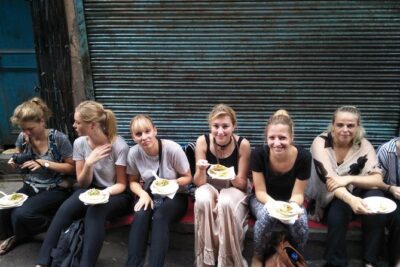 ★ 5.0The Great Indian Food Tour: Old Delhi Food and Heritage WalkFrom $431,698 reviews
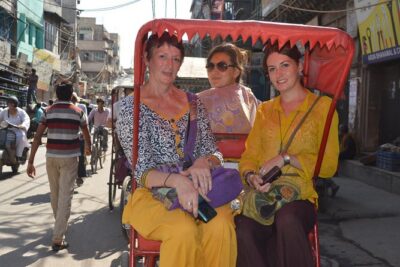 ★ 5.0Old Delhi Food, Heritage&Cultural Walk with Rickshaw ride to Masterji Kee HaveliFrom $52742 reviews
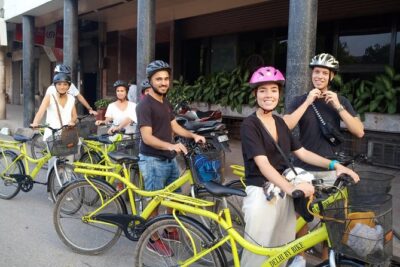 ★ 5.0Old Delhi Bike TourFrom $30616 reviews
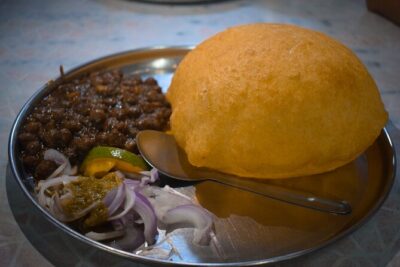 ★ 5.0Old Delhi Street Food TourFrom $40497 reviews
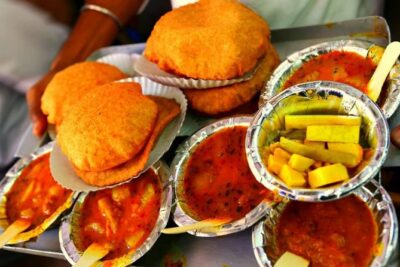 ★ 5.0Breakfast Walk in Old DelhiFrom $80449 reviews
 ★ 4.9Old Delhi Street Food Tour with Rickshaw RideFrom $43403 reviews
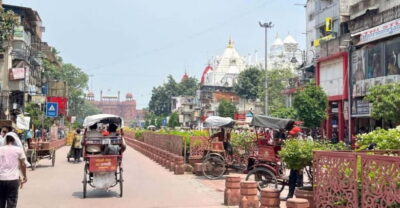 ★ 4.9Old Delhi: Private Tour of Chandni Chowk, Tuk Tuk & FoodFrom $70345 reviews
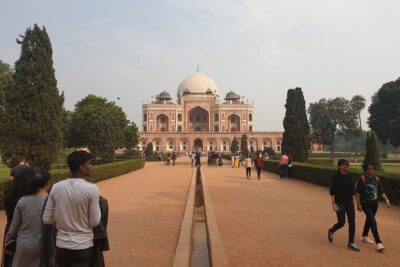 ★ 5.0New Delhi and Old Delhi Private Tour 4-8 Hours – CustomizableFrom $10342 reviews
Browse the lists this tour appears in