
Reviewed · GOLDEN TRIANGLE TOURS
Private Golden Triangle Tour for 5 nights/6 days
Golden Triangle by private car is the easy way. This 5-night, 6-day plan stitches Delhi, Agra, and Jaipur together with a private guide-driver and air-conditioned comfort, so you can focus on the sights instead of logistics. I especially like the mix of major landmarks and human-scale stops, plus the steady pacing that keeps you moving without feeling rushed.
The main thing to watch: monument entry fees are mostly not included, and camera fees at sites are also extra. That doesn’t make the tour bad, but it does mean your real daily cost is higher than the headline price.
In This Review
- Key Highlights You’ll Care About
- Private Car, Private Pace: How This Tour Actually Feels
- Delhi Day 1: Connaught Place and India Gate Without the Pressure
- Delhi Day 2: Mughal Masterpieces Plus Old Delhi Markets
- Agra Day 3: Agra Fort, the Baby Taj, and Akbar’s Tomb
- Taj Mahal Day 4: Main Event, Plus Fatehpur Sikri and Bharatpur Birds
- Jaipur Day 5 Core: Panna Meena ka Kund, Jal Mahal, and the City Palace
- Hawa Mahal, Jantar Mantar, and Albert Hall: Jaipur’s Best Creative Hits
- Day 6: Jaipur Airport Drop and a Quick Wrap
- Price and Value: Is $850 Fair for This Private Setup?
- Should You Book This Private Golden Triangle Tour?
- FAQ
- How long is the Private Golden Triangle Tour?
- Where does the tour start and what time?
- Is this tour private?
- What transportation is included?
- Are tickets or entrance fees included?
- What’s included in the price besides transportation?
- What is not included?
- Can I cancel and get a full refund?
Key Highlights You’ll Care About
- Private guide-driver service in an AC vehicle: you get one point of contact and consistent timing across cities.
- UNESCO-heavy route with flexible, short stays at big-name sites like Humayun’s Tomb, Qutub Minar, Agra Fort, and Taj Mahal.
- Old Delhi sensory overload on purpose: Chandni Chowk is built into the day, not skipped.
- Jaipur’s signature architecture: Hawa Mahal, Jantar Mantar, and the City Palace are all on the same day.
- Comfort details included: mineral water bottles and free-entry planned stops like Connaught Place and India Gate.
Private Car, Private Pace: How This Tour Actually Feels
If you’ve ever tried to do the Golden Triangle by yourself, you know the pain points. You’re either hunting for transport, timing buses wrong, or spending your day in ticket lines and backtracking. This tour’s backbone is the private car plus a professional guide-driver for the excursions. For many people, that’s the difference between a fun trip and a stressful spreadsheet.
You start in New Delhi at 9:00 am from Indira Gandhi International Airport. After that, the tour keeps moving through Delhi → Agra → Jaipur, then ends with a drop at Jaipur Airport on Day 6. That structure is ideal if you want a classic introduction to India’s heritage without spending your vacation planning travel legs.
I also like that the package mentions a mobile ticket, pickup offered, and a “only your group participates” setup. In practice, that usually means fewer compromises. You can slow down for photos, ask questions, and get explanations for what you’re looking at. You’re not forced into someone else’s pace.
One more practical note: the plan includes mineral water bottles, and it’s an air-conditioned vehicle. In Delhi and along the drives, heat can make long outdoor stops feel longer than they should. The AC time helps you reset between monuments.
Delhi, Agra and Jaipur: more full circuits



Delhi Day 1: Connaught Place and India Gate Without the Pressure
Day 1 is a gentle landing. You start with Connaught Place, which is the area’s main commercial hub and a heritage-style landmark constructed in the early 20th century. The schedule gives it about 2 hours, and the admission is free. That’s good because you can use it for orientation: coffee, a quick walk, and figuring out what’s nearby before the Mughal heavy hitters begin.
Next comes India Gate, the famous All India War Memorial. It’s a 42-meter grand structure often compared to the Arc de Triomphe in spirit and design, and it was designed by Sir Edwin Lutyens. The planned time is about 1 hour, and admission is free. Even if you don’t read every inscription, it’s a solid spot to watch the city move at human speed.
What I like here is the rhythm. You’re not thrown immediately into crowds and long queues. You’re setting your footing for the next day’s UNESCO sites and Old Delhi stops.
Delhi Day 2: Mughal Masterpieces Plus Old Delhi Markets
Day 2 is where the tour gets serious. It strings together UNESCO Mughal landmarks in New Delhi and then pushes you into Old Delhi for the full market-and-mosque-Sikh-site experience.
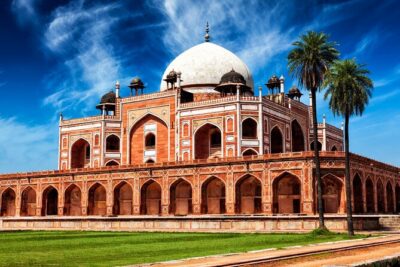
First up is Humayun’s Tomb (UNESCO). This is the final resting place of Mughal Emperor Humayun, and it’s described as the first garden-tomb with standout Mughal architecture. The schedule gives it about 1 hour, and admission is not included. If you only do one “garden tomb” on your trip, this is a strong pick. It teaches you how Indian monumental design can be both spiritual and highly planned.
Then you jump to Qutub Minar (UNESCO), a victory minaret. The plan allocates a very brief visit (listed as 1 minute), and admission is not included. That short time is a clue: you’ll probably be doing a quick look and moving on. If you’re the type who likes to linger, you might want to be sure your guide knows you want a longer stop.
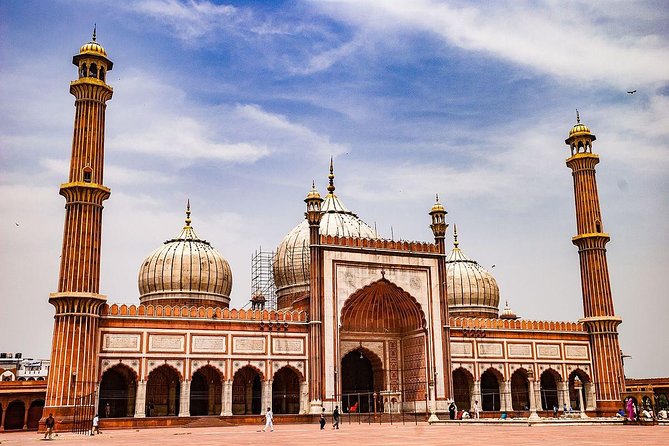
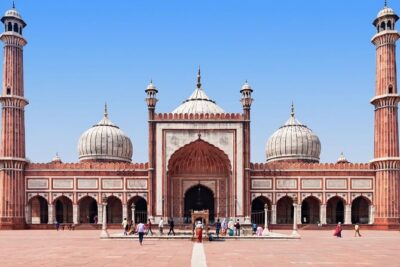
After that come three Old Delhi big rooms: Red Fort, Jama Masjid, and Gurudwara Bangla Sahib. Red Fort sits on the Yamuna River and is built with red sandstone. It has museums, and the planned visit is about 1 hour. Admission is not included. Jama Masjid is described as the largest mosque built by Mughal Emperor Shah Jahan in Old Delhi, with thousands of pilgrims showing up on Fridays or Eid for special prayers. Your time is about 1 hour, and admission is not included.
Gurudwara Bangla Sahib rounds out the day. It’s a major Sikh pilgrimage site, first built as a small temple in 1783, and your stop is about 1 hour. Admission is not included.
Finally, you finish with Chandni Chowk (Pasar Chandni Chowk), one of the oldest and busiest markets in Old Delhi. Your time is about 1 hour, and admission isn’t included (because it’s a market, not a museum). This is the practical part of the itinerary. You’ll get street-life energy, food options, and plenty to browse, but you’ll also want comfortable shoes and a game plan for getting around.
If you’re sensitive to crowds, Day 2 is the day to go slower. The schedule fits a lot of world-famous sites into one sweep. That’s exciting, but it’s also a lot for one day.
Agra Day 3: Agra Fort, the Baby Taj, and Akbar’s Tomb
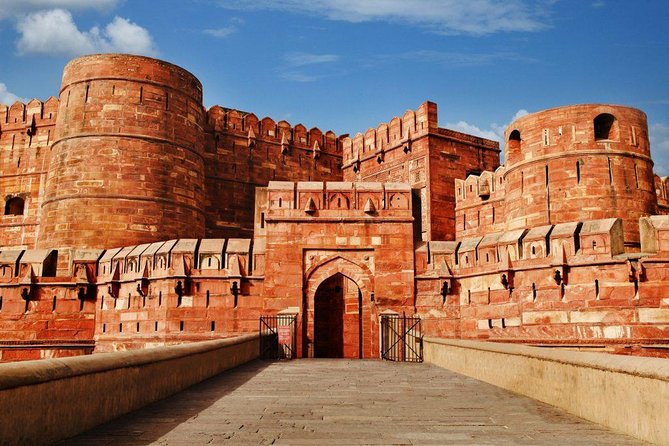
Day 3 shifts you into Agra’s Mughal atmosphere. The tour starts with Agra Fort (UNESCO), located on the banks of the Yamuna. This stop is scheduled for about 1 hour and admission is not included. Agra Fort gives you the larger architectural story around the Taj era—fortification, river proximity, and Mughal-era power expressed through stone.
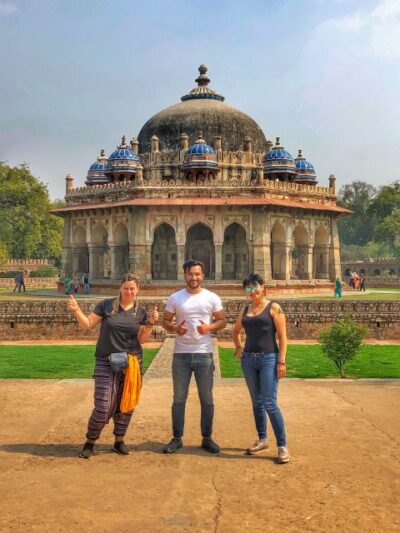
Next is Itmad-ud-Daula, often called the Baby Taj. The plan lists it as a Mughal mausoleum and notes it’s the first tomb in India entirely built with marble. It also says it’s built along the Yamuna and inspired the later construction of the Taj Mahal. Your time is about 1 hour, admission not included. This is one of those stops that can feel quieter than the main attraction, which is why it’s so valuable. It’s a great place to slow down and look for details in the craftsmanship.
Then you end with Akbar’s Tomb. It’s described as an important and iconic Mughal jewel built in 1605 and 1613, and it’s the final resting place of Mughal Emperor Akbar. The visit is about 1 hour, admission not included.
This day works because it doesn’t only chase the biggest name. Yes, you’re heading toward the Taj on Day 4, but you’re also getting context for why those later monuments look the way they do.
Taj Mahal Day 4: Main Event, Plus Fatehpur Sikri and Bharatpur Birds
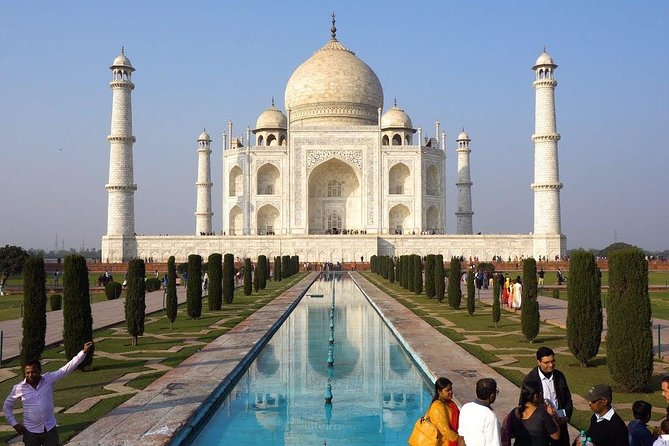
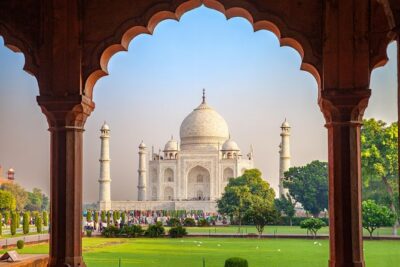
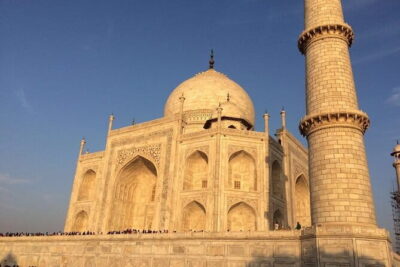
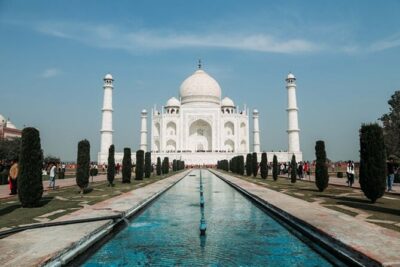
Day 4 starts with Taj Mahal (UNESCO), the global headline. The tour gives you about 1 hour, and admission is not included. One hour is enough to see the front façade, absorb the scale, and take photos if you keep moving. But it’s also a reminder: the Taj is not a “wander until you’re ready” site in this schedule. If you care about deeper viewing, plan to use your time intentionally.
After that, you head to Fatehpur Sikri. It’s described as a fortified city founded by Mughal Emperor Akbar in 1571, and it served as capital for about 14 years. Admission is listed as free in the plan, and the stop is about 1 hour. This is a neat contrast to the Taj. You’re shifting from a single mausoleum masterpiece to an entire city built for rule.
The day ends with Bharatpur Bird Sanctuary (UNESCO). The description is very focused on wildlife: it’s known as a bird-watching paradise with diverse habitat and many exotic birds, plus flora and fauna. The time is about 1 hour, and admission is not included.
What I like about adding Bharatpur is the variety. After days of stone and architecture, you get a living landscape. Even if birds aren’t your first priority, you’ll still likely enjoy the change of pace.
More private days with a guide of your own

Jaipur Day 5 Core: Panna Meena ka Kund, Jal Mahal, and the City Palace
Day 5 is a full Jaipur classic: water, steps, palaces, and windows designed for airflow.
You start with Panna Meena ka Kund, a stepwell described as a “magical miracle of stairs and steps,” built during the 16th century as a major water source. The visit is about 1 hour, admission not included. This is one of those places where the design is both practical and beautiful. It also helps you understand that Jaipur’s stonework isn’t only decorative.
Next comes Jal Mahal, the Water Palace in the middle of Man Sagar Lake. The tour lists it as having breathtaking views especially for sunrise and sunset, and the stop is about 1 hour with admission free. That “free” part matters because it’s one less ticket you need to plan for.
Then you move into City Palace of Jaipur, where the Maharaja reigned. The plan notes it includes Chandra Mahal and Mubarak Mahal. The visit is about 1 hour, and admission is not included.
This combo makes sense. You’re seeing how water and power show up in Jaipur—water as a landscape element, and power as palace design.
Hawa Mahal, Jantar Mantar, and Albert Hall: Jaipur’s Best Creative Hits
The afternoon and evening style of Day 5 leans architectural and cultural.
First is Hawa Mahal (Palace of Wind). The description highlights 953 small jharokhas, windows that allow cool air to pass using a Venturi-effect style airflow. The tour allots about 1 hour, and admission is not included. Even if you’re not chasing airflow physics, it’s visually distinctive and helps you picture how everyday comfort could be engineered into ornate design.
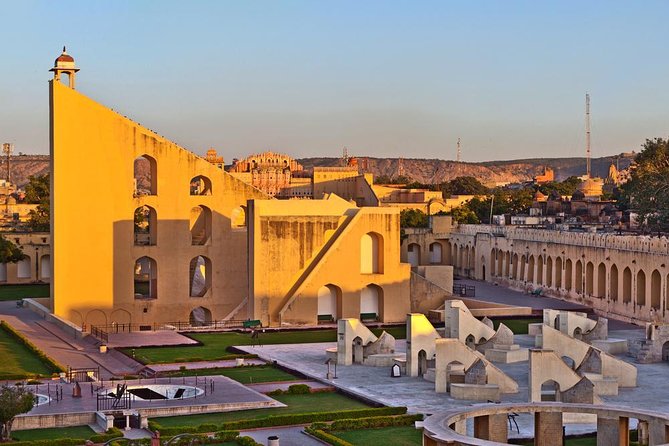
Then you go to Jantar Mantar (UNESCO). The description states it has the largest stone sundial in the world and includes a collection of 19 architectural astronomical instruments. You get about 1 hour, admission not included. This stop is underrated for first-time visitors. It turns “sights” into “thinking,” and it’s a nice break from forts and palaces.
Finally, the tour ends at Albert Hall Museum in Ram Niwas Garden. The plan describes collections ranging from carpets and stones to paintings and works of crystal, ivory, and metal sculptures. Your time is about 1 hour, admission not included.
By Day 5, you’ll have hit temples, tombs, forts, and palaces. Albert Hall adds a different kind of Indian heritage—objects, craftsmanship, and museum storytelling.
Day 6: Jaipur Airport Drop and a Quick Wrap
Day 6 is straightforward: you end with a drop at Jaipur Airport, listed as about 30 minutes, admission free. That makes this tour a convenient bookend if your flight leaves from Jaipur.
The trade-off is obvious: there’s no extra sightseeing listed on the final day. So if you want more time for shopping or one last monument, you’ll likely need to schedule it on your own outside the tour window.
Price and Value: Is $850 Fair for This Private Setup?
At $850 per person, you’re paying for a private, car-based route through three major cities plus a guide-driver for excursions. The value comes from what’s included: private transportation, an air-conditioned vehicle, a professional private tour guide cum driver for all excursions, mineral water, and accommodation with breakfast if you choose that option. The package also lists Breakfast (5), which can reduce one of the daily costs of independent travel.
But the price isn’t all-inclusive. The tour states all fees and taxes are not included, and it also flags camera fees at monuments as extra. Most monument admissions in the plan show as not included, while a handful of stops are listed as free (like Connaught Place, India Gate, Fatehpur Sikri, and Jal Mahal).
So here’s the balanced way to think about it:
- If you’d otherwise pay for private transfers and a guided explanation, this can feel efficient.
- If you’re the kind of traveler who likes free strolling and self-guided tickets, you may pay more than you need.
For me, the deal-breaker or deal-maker is the “private” part. If you want one person to manage timing and interpret what you’re seeing, $850 starts to make sense fast.
Also, the human side appears in the service feedback you can look for. Names like Mohan Singh Rathore, Pushpendra, Santhosh Sharma, Nanda Kishore, Kedar ji, and Ranjeet Singh Khangarot show up repeatedly alongside notes about safe driving, friendly guidance, and punctual, time-aware driving. I can’t guarantee your driver will be the same person, but the pattern matters.
Should You Book This Private Golden Triangle Tour?
Book it if you want the classic Golden Triangle without turning your trip into logistics. This is a strong fit for first-time visitors to India, families who want predictable pacing, and anyone who’d rather spend energy looking at monuments than working out transport.
Skip it or think twice if you hate paying on-site monument fees. The tour includes some free sights, but many major admissions are marked as not included, and that can add up across several UNESCO stops. Also, the schedule is packed: Day 2 and Day 5 include multiple major stops in one go, so you need to be okay with an active itinerary.
If your priority is learning what you’re seeing, the private guide-driver format is the big reason to choose it. And if you want a clean, low-stress finish, the Day 6 Jaipur Airport drop is a convenient wrap.
FAQ
How long is the Private Golden Triangle Tour?
It’s listed as 5 nights and 6 days (approx.), covering Delhi, Agra, and Jaipur.
Where does the tour start and what time?
The start point is Indira Gandhi Intl Airport, New Delhi, with a 9:00 am start time.
Is this tour private?
Yes. It’s described as a private tour/activity, so only your group will participate.
What transportation is included?
The tour includes private transportation in an air-conditioned vehicle.
Are tickets or entrance fees included?
The tour notes most monument admissions are not included. Some stops are listed as free in the plan, such as Connaught Place, India Gate, Fatehpur Sikri, and Jal Mahal. Camera fees at monuments are also not included.
What’s included in the price besides transportation?
Included items are professional private tour guides cum driver for all excursions, mineral water bottle, and accommodation with breakfast if you book that suitable option. Breakfast is listed as 5.
What is not included?
The tour states all fees and taxes, anything not mentioned in inclusions, and camera fees at monuments are not included.
Can I cancel and get a full refund?
Yes, the tour offers free cancellation up to 24 hours in advance for a full refund. If you cancel less than 24 hours before the start time, the amount paid won’t be refunded.
More Tours in New Delhi
- Old & New Delhi City Tour – Half or Full Day Options Available
★ 5.0 · 4,811 reviews - Half Day Private Delhi City Tour
★ 5.0 · 4,474 reviews - Same Day Taj Mahal, Agra Fort & Baby Taj Tour from Delhi by Car
★ 5.0 · 4,304 reviews - Taj Mahal Day Tour from Delhi by Superfast Train – TOP RATED TOUR
★ 5.0 · 4,166 reviews - Delhi: Old and New Delhi Private Full or Half-Day Tour
★ 4.9 · 3,776 reviews
More Tour Reviews in New Delhi
- Old & New Delhi City Tour – Half or Full Day Options Available
★ 5.0 · 4,811 reviews - Half Day Private Delhi City Tour
★ 5.0 · 4,474 reviews - Same Day Taj Mahal, Agra Fort & Baby Taj Tour from Delhi by Car
★ 5.0 · 4,304 reviews - Taj Mahal Day Tour from Delhi by Superfast Train – TOP RATED TOUR
★ 5.0 · 4,166 reviews - Delhi: Old and New Delhi Private Full or Half-Day Tour
★ 4.9 · 3,776 reviews
The Full Golden Triangle, More Options
- 3-Days Private Golden Triangle Tour: Delhi, Agra & Jaipur by Car
★ 5.0 · 1,107 reviews - 3-Days Private Golden Triangle Tour: Delhi, Agra & Jaipur by Car
★ 5.0 · 1,098 reviews - 3-Day Delhi, Agra and Jaipur Private Tour – India Golden Triangle
★ 5.0 · 812 reviews - Four-Day Private Luxury Golden Triangle Tour to Agra and Jaipur From New Delhi
★ 5.0 · 807 reviews - 5 Nights 6 Days Private Golden Triangle Tour – Delhi Agra Jaipur
★ 5.0 · 574 reviews
Just added: more New Delhi reviews to browse
- 4 days Golden Triangle Tour★ 5.0 · 3 reviews
- Discover Old & New Delhi: Private Tour with Street Food★ 5.0 · 3 reviews
- Taj Mahal Tour From Delhi By Private Car★ 4.5 · 3 reviews
- Golden Triangle Tour 5 Days★ 5.0 · 3 reviews
- Taj Mahal: Express Entry Ticket For Sunset Tour with guide★ 5.0 · 3 reviews
- Agra Taj Mahal Sunrise & Sunset Tour from Delhi★ 5.0 · 3 reviews
Golden Triangle Tours, compared.
 ★ 5.03-Days Private Golden Triangle Tour: Delhi, Agra & Jaipur by CarFrom $1271,107 reviews
★ 5.03-Days Private Golden Triangle Tour: Delhi, Agra & Jaipur by CarFrom $1271,098 reviews
★ 5.03-Days Private Golden Triangle Tour: Delhi, Agra & Jaipur by CarFrom $1271,107 reviews
★ 5.03-Days Private Golden Triangle Tour: Delhi, Agra & Jaipur by CarFrom $1271,098 reviews
 ★ 5.03-Day Delhi, Agra and Jaipur Private Tour – India Golden TriangleFrom $110812 reviews
 ★ 5.0Four-Day Private Luxury Golden Triangle Tour to Agra and Jaipur From New DelhiFrom $160807 reviews
 ★ 5.05 Nights 6 Days Private Golden Triangle Tour – Delhi Agra JaipurFrom $240574 reviews
 ★ 5.04 Days Golden Triangle TourFrom $146499 reviews
 ★ 5.0Private Car and Drive for Golden Triangle (4N/5D)From $167451 reviews
 ★ 5.0Private Golden Triangle Tour Delhi Agra Jaipur ( Top Rated )From $148436 reviews