
Reviewed · DELHI MONUMENTS & LANDMARKS TOURS
Skip-the-line Qutub Minar Private Tour with Transfer Option
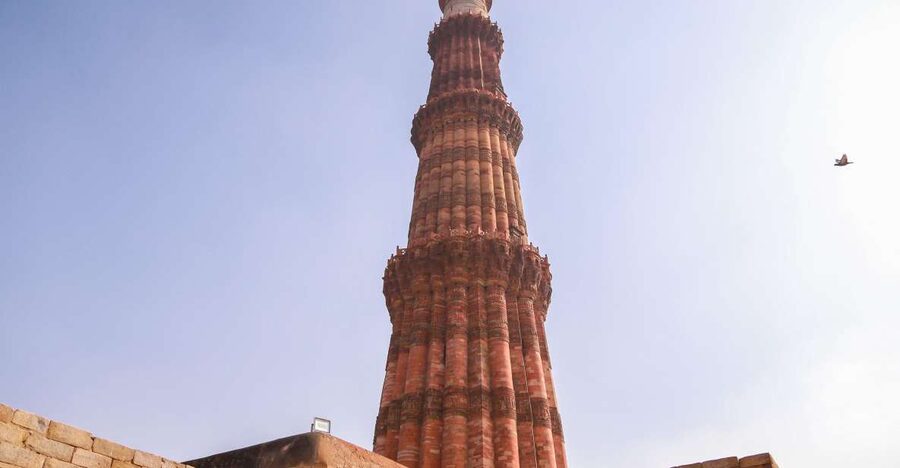
Delhi history reaches for the sky, fast—this skip-the-line private tour gets you into the Qutub site without the usual hassle. You’ll focus on the icons: Qutub Minar, the Quwwat-ul-Islam Mosque, the Iron Pillar, and the main gateway, Alai Darwaza, all with a live guide.
I especially like how the guide work turns carvings and architecture into something you can actually read. In past tours, guides like Ali and Adil have explained details in a way that makes the stonework feel meaningful, not just pretty. And there’s a real-world helpful streak too—Bhanupratap Singh has even helped carry a pram, which matters if you’re traveling with little kids.
One thing to consider: it’s a 3-hour visit. That’s a great length for seeing the highlights, but if you want to linger for a long time in each corner, you may feel slightly time-pressed.
In This Review
- Key things I’d circle before you go
- Why a private, skip-the-line setup helps at the Qutub complex
- Meeting your guide near Qutub Minar Ticket Centre (and what that means)
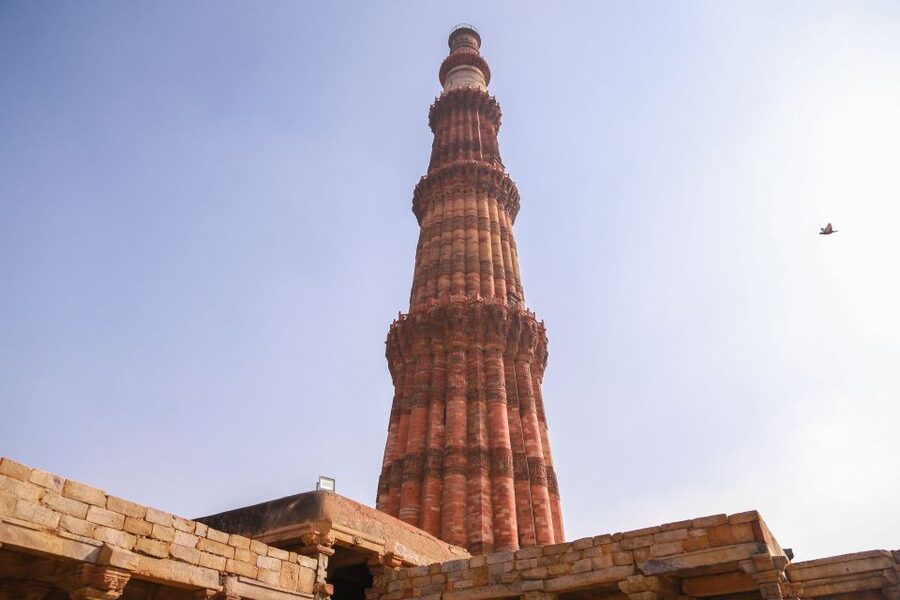
- Qutub Minar: the 73-meter landmark and what to watch for
- Quwwat-ul-Islam Mosque and the Iron Pillar courtyard
- Alai Darwaza: the main gateway with latticework you’ll want to study
- Tomb of Iltutmish: the quieter Indo-Islamic stop next door
- The 3-hour route: what you’ll cover, and how to manage your expectations
- Price and transfers: why $5 per person can be good value
- Guide quality: what stands out from real tour experiences
- Practical tips that match how this tour is set up
- Who this tour is best for
- Should you book this skip-the-line Qutub Minar private tour?
- FAQ
- How long is the Qutub Minar private tour?
- Where do I meet the guide?
- Does the tour include skip-the-line entry?
- Is hotel pickup and drop-off included?
- Are entry tickets included?
- What monuments are included in the visit?
- What languages are available for the live guide?
- Is this a private group tour?
- What’s included besides the guide and entrance?
- Is there free cancellation?
Key things I’d circle before you go
- Qutub Minar at 73 meters: red sandstone and marble with intricate carvings and Quranic verses
- Quwwat-ul-Islam Mosque: the first mosque built in Delhi after the Islamic conquest period
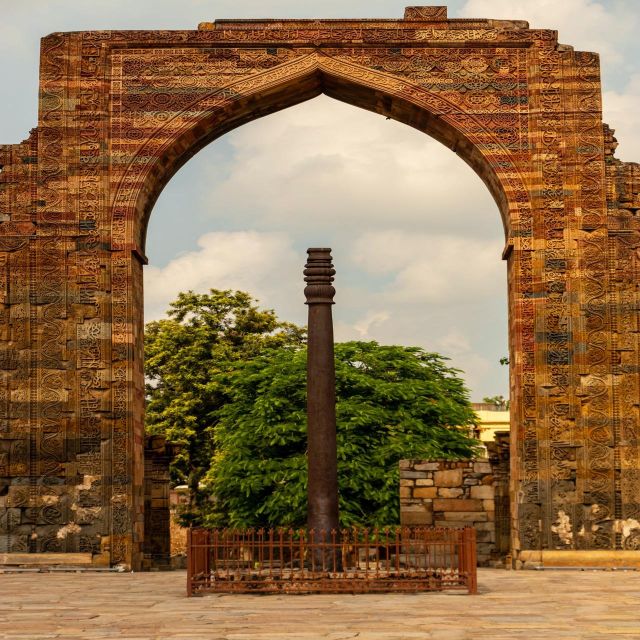
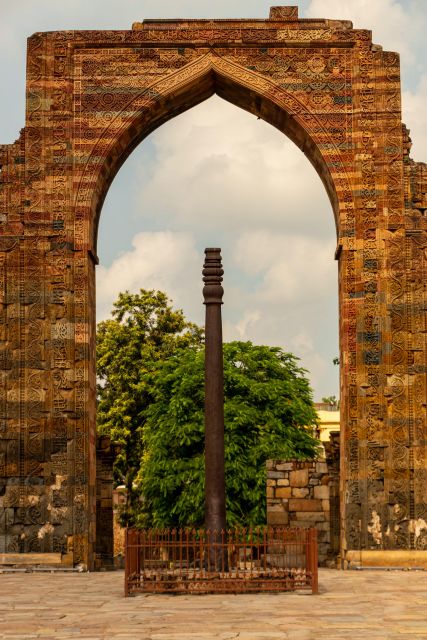
- Iron Pillar in the courtyard: a famous rust-resistant metallurgical marvel you can get close to
- Alai Darwaza main entrance gate: Indo-Islamic design with intricate latticework
- Tomb of Iltutmish: an adjacent stop that adds more Indo-Islamic architecture context
- Optional transfers across Delhi NCR: convenient drop-offs in places like Dwarka, Noida, Gurugram, and Aerocity
Why a private, skip-the-line setup helps at the Qutub complex
The Qutub Minar complex is big, important, and popular—so timing matters. With this tour, you’re using skip-the-line access through a separate entrance, which makes your visit feel calmer right from the start. Instead of losing time figuring out where the crowd is worst, you can get moving toward the monuments you came for.
The private format also changes what you notice. A guide can point out the things you might miss if you’re wandering on your own: how the carvings relate to the overall design, how the mosque courtyard layout connects to the Iron Pillar, and why the gateway (Alai Darwaza) is more than just a backdrop for photos. In the past, guides named Adin, Gurfan, and Gufran Ali have been praised for friendly pacing and staying on-topic, which helps when you’re trying to make sense of a dense site like this.
More of Delhi in stone: forts, tombs and gates




Meeting your guide near Qutub Minar Ticket Centre (and what that means)
Your guide meets you near the Qutub Minar Ticket Centre. If you pick the transfer option, pickup and drop-off are handled by a driver from your chosen location, and you can be dropped back at convenient points around Delhi/NCR, including Ghaziabad, Dwarka, Noida, Aerocity, New Delhi, and Gurugram.
Why this matters in real life: the Qutub complex area can be easier to manage when you have one clear meeting point. It reduces the stress of arrival, especially if you’re coordinating with another person or traveling with a stroller. The tour also includes shoe cover and mineral water, small things that can make the visit smoother once you’re inside the site.
Qutub Minar: the 73-meter landmark and what to watch for
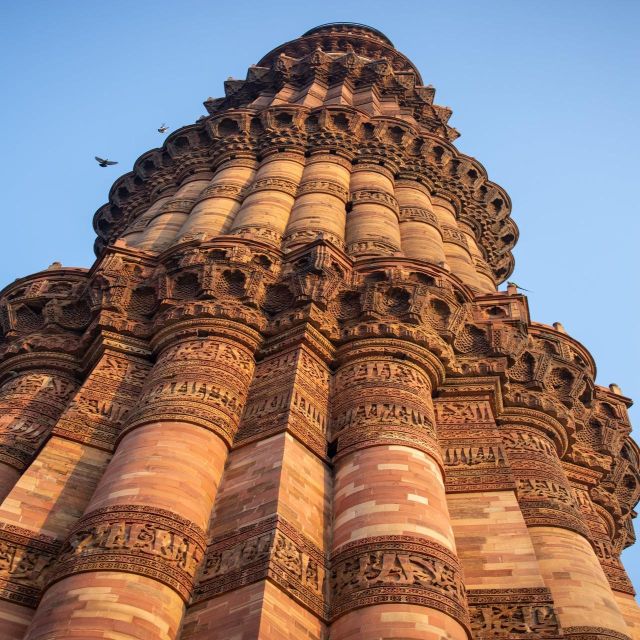
This tour’s main focus is Qutub Minar—a 73-meter-tall minaret made of red sandstone and marble, topped with intricate carvings and Quranic verses. Even if you’ve seen photos before, being there in person changes the scale quickly. It’s the kind of structure that makes you slow down because your eyes keep finding new details as you move.
The guided time at the Qutb Minar area is about two hours, and that’s a smart allocation. It gives enough time to:
- orient yourself in the complex,
- understand the design choices behind the carvings and inscriptions,
- and compare what you see up close versus from a few steps back.
One practical note: a tall monument like this can tempt you into spending all your time staring upward for photos. A good guide helps balance that urge with close-up details—where the carvings actually make sense. In earlier experiences, visitors singled out explanations of carvings and culture, and that’s the difference between a quick sightseeing stop and a visit that actually sticks in your memory.
Quwwat-ul-Islam Mosque and the Iron Pillar courtyard
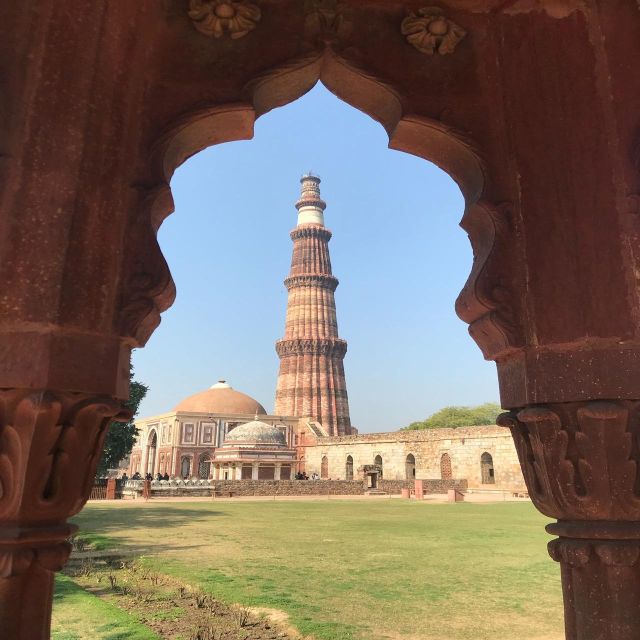
Next up is Quwwat-ul-Islam Mosque, described as the first mosque built in Delhi after the Islamic conquest of India. This is where the tour shifts from a single icon to the broader story of the site. The mosque’s architectural details help you understand why the Qutub complex is often discussed as an Indo-Islamic blend rather than one style alone.
Then you’ll spend time with the Iron Pillar in the courtyard. The Iron Pillar is famous for being rust-resistant, and it’s one of those objects that makes you stop and wonder how something so old is still holding up. When a guide explains why it’s remarkable, you start looking at the pillar like more than an artifact—you treat it like evidence of serious metallurgical skill from long ago.
If you love architecture, you’ll likely enjoy this section the most because it’s about relationships: the mosque space, the pillar location, and the way visitors flow through the courtyard. If you’re more of a photography-only person, this is still worth it because the pillar is one of the few spots where you can get a strong “real object” moment even without long explanations.
Alai Darwaza: the main gateway with latticework you’ll want to study
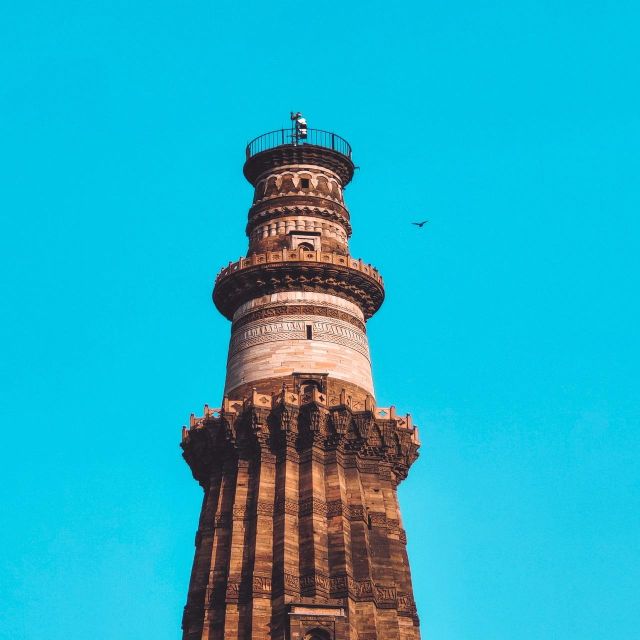
The tour includes Alai Darwaza, the main entrance gateway to the Quwwat-ul-Islam Mosque. It’s highlighted for its Indo-Islamic architecture and intricate latticework. This stop is a good breather after the bigger visual impact of the minaret and the mosque courtyard.
Here’s why I like Alai Darwaza as a planned stop: it gives you a design detail you can actually examine. Instead of only thinking in terms of size, you start thinking about pattern—how the latticework creates rhythm, how the gateway frames the movement into the mosque area, and how the craftsmanship communicates prestige.
If you’re traveling with kids or anyone who gets tired of long walks, the gateway stop can also feel more manageable. You can pause, look closely, and take photos without needing to crane your neck the whole time.
More private days with a guide of your own

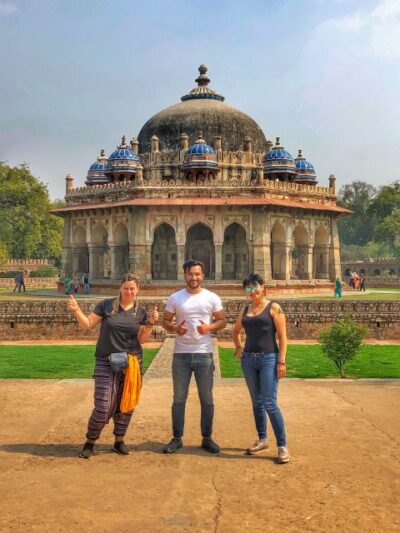

Tomb of Iltutmish: the quieter Indo-Islamic stop next door
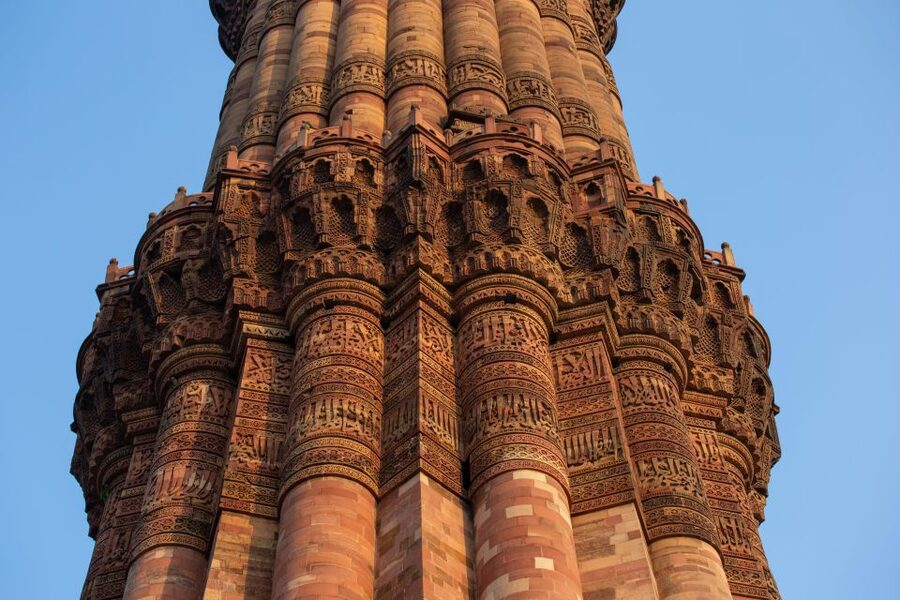
The Tomb of Iltutmish is located adjacent to the Qutub Minar area. It’s included for a reason: it adds a more complete picture of the complex beyond minaret and mosque.
This tomb is described as having an Indo-Islamic architectural style. Even without getting lost in academic details, you’ll get a feel for how the complex communicates status, faith, and power through different structures side by side. It also helps break up the visit so it doesn’t become only about one tall monument.
A small consideration: tomb areas often require a more careful pace. If you’re hoping for constant movement and big skyline views, plan to shift your mindset here toward close, respectful observation.
The 3-hour route: what you’ll cover, and how to manage your expectations
This is a 3-hour private tour. The Qutb Minar portion takes about two hours, and the rest of the time covers the other major elements: the mosque, Iron Pillar courtyard, Alai Darwaza, and the tomb of Iltutmish.
That schedule is well-suited to most visitors because it hits the essentials without turning the day into an all-day assignment. You’ll come away feeling like you saw the key monuments—without needing to return later just to understand what’s there.
The trade-off is simple: you won’t have infinite time. If you’re the type who wants to linger at every carving or take long photo breaks at every angle, you may feel you’re moving on before you’re ready. The private guide helps here though—you can ask for what to prioritize during your visit, especially if you’re more interested in architecture than in general sightseeing.
Price and transfers: why $5 per person can be good value
On paper, $5 per person sounds almost too good. The value makes more sense when you look at what you’re getting for that time:
- a private tour guide,
- skip-the-line access,
- and optional extras like hotel pickup and drop-off plus entry tickets (if you select the option that includes them),
- along with mineral water and shoe cover.
A guided hour at a major historic site can easily cost more than the entrance fee alone in many destinations. Here, you’re essentially paying for guide time plus a smoother entry experience, packaged into a short, efficient visit.
Transfers can be a big part of the value if you’re not already close by. Drop-offs include areas across Delhi/NCR, including Aerocity and central New Delhi, so you’re less likely to spend the whole day managing transport logistics.
One caution: entry tickets are only included if you choose the option that includes them. If your goal is maximum simplicity, double-check what you’re selecting before you go.
Guide quality: what stands out from real tour experiences
Because this is a private guided tour, the guide is the product. Past tours praised guides for clarity and friendliness. Names that have come up include Ali, Adil, Bhanupratap Singh, Manoj ahirwar, Adin, and Gurfan/Gufran Ali.
What’s consistent in those comments is a focus on explanation: not just pointing at stones, but turning the carvings and architectural choices into something you can follow. That matters at Qutub Minar because the site can look like a collection of monuments until you understand how they relate.
There’s also a human touch in the way some guides operate. One example from earlier experiences: support with a pram. Another: meeting guests slightly ahead of schedule when arrivals run early. Those details are small, but they add up to a visit that feels cared for instead of rushed.
Practical tips that match how this tour is set up
You’ll get a few basics built into the tour, which is helpful:
- Shoe cover included: you won’t need to sort that out on the spot.
- Mineral water included: you can stay comfortable during the 3-hour walk.
- Separate entrance for skip-the-line: the tour is designed to reduce waiting time.
A smart move is to show up a little early at the Qutub Minar Ticket Centre area so you can check in and start on time. With skip-the-line access, you want to use it at the right moment.
Also, since the tour guide is available in English, Spanish, French, and Italian, pick the language option that matches your comfort. You’ll get more out of the carvings and architecture explanations when you’re fully in the conversation.
Who this tour is best for
This tour is a strong fit if you:
- want to see the main Qutub complex highlights in a short window,
- prefer a guided experience over self-guided wandering,
- care about architectural details like Quranic verses, latticework, and the courtyard design,
- and want optional transfers if you’re not starting near the site.
It’s also a good choice for couples and small families who want a structured route. The private format helps you keep pace, especially if you’re bringing a stroller or traveling with people who need occasional breaks.
Should you book this skip-the-line Qutub Minar private tour?
Book it if you want an efficient, high-impact visit where the guide helps you interpret what you’re seeing—especially the Qutub Minar carvings, the Quwwat-ul-Islam Mosque, and the Iron Pillar.
Skip it (or consider a different option) if you know you want a long, slow day where you can roam without a set 3-hour structure. This plan is designed to cover the key monuments and move on, not to stay in one area for hours.
If your priority is value, the combination of private guiding, skip-the-line entry, and a short route is hard to beat at this price point. If you’re flying in and staying near Aerocity or you’re coming from central Delhi/NCR areas, the transfer option can make the whole day feel smoother.
FAQ
How long is the Qutub Minar private tour?
The tour duration is 3 hours.
Where do I meet the guide?
You meet your guide near the Qutub Minar Ticket Centre.
Does the tour include skip-the-line entry?
Yes. It includes skip-the-line access through a separate entrance.
Is hotel pickup and drop-off included?
Pickup and drop-off are included only if you select the option that includes transfers.
Are entry tickets included?
Entry tickets are included only if you select the option that includes them.
What monuments are included in the visit?
The tour covers Qutub Minar, Quwwat-ul-Islam Mosque, Alai Darwaza, the Iron Pillar, and the Tomb of Iltutmish.
What languages are available for the live guide?
The live guide is available in English, Spanish, French, and Italian.
Is this a private group tour?
Yes, a private group is available.
What’s included besides the guide and entrance?
Mineral water and shoe cover are included.
Is there free cancellation?
Yes. You can cancel up to 24 hours in advance for a full refund.
More Tours in New Delhi
- Old & New Delhi City Tour – Half or Full Day Options Available
★ 5.0 · 4,811 reviews - Half Day Private Delhi City Tour
★ 5.0 · 4,474 reviews - Same Day Taj Mahal, Agra Fort & Baby Taj Tour from Delhi by Car
★ 5.0 · 4,304 reviews - Taj Mahal Day Tour from Delhi by Superfast Train – TOP RATED TOUR
★ 5.0 · 4,166 reviews - Delhi: Old and New Delhi Private Full or Half-Day Tour
★ 4.9 · 3,776 reviews
More Tour Reviews in New Delhi
- Old & New Delhi City Tour – Half or Full Day Options Available
★ 5.0 · 4,811 reviews - Half Day Private Delhi City Tour
★ 5.0 · 4,474 reviews - Same Day Taj Mahal, Agra Fort & Baby Taj Tour from Delhi by Car
★ 5.0 · 4,304 reviews - Taj Mahal Day Tour from Delhi by Superfast Train – TOP RATED TOUR
★ 5.0 · 4,166 reviews - Delhi: Old and New Delhi Private Full or Half-Day Tour
★ 4.9 · 3,776 reviews
Forts, Tombs and Gates of Delhi
- Delhi Hidden Gems: Mehrauli, Lodhi Art & Sunder Nursery
★ 5.0 · 108 reviews - Red Fort Delhi Entry tickets with Licensed Tour Guide
★ 4.5 · 78 reviews - Delhi: Yoga in Lodhi Garden
★ 4.9 · 53 reviews - Red Fort Skip-the-Line E-tickets & guide Delhi transfers
★ 4.6 · 49 reviews - New Delhi: Red Fort Entry Ticket with Optional Add-Ons
★ 4.7 · 47 reviews
Just added: more New Delhi reviews to browse
- 4 days Golden Triangle Tour★ 5.0 · 3 reviews
- Discover Old & New Delhi: Private Tour with Street Food★ 5.0 · 3 reviews
- Taj Mahal Tour From Delhi By Private Car★ 4.5 · 3 reviews
- Golden Triangle Tour 5 Days★ 5.0 · 3 reviews
- Taj Mahal: Express Entry Ticket For Sunset Tour with guide★ 5.0 · 3 reviews
- Agra Taj Mahal Sunrise & Sunset Tour from Delhi★ 5.0 · 3 reviews
Delhi Monuments & Landmarks Tours, compared.
 ★ 5.0Delhi Hidden Gems: Mehrauli, Lodhi Art & Sunder NurseryFrom $76108 reviews
 ★ 4.5Red Fort Delhi Entry tickets with Licensed Tour GuideFrom $3378 reviews
 ★ 4.9Yoga in Lodhi GardenFrom $3853 reviews
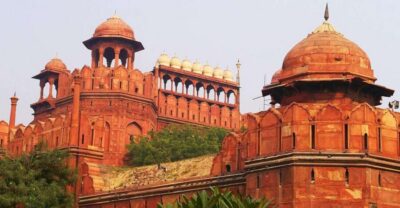 ★ 4.6Red Fort Skip-the-Line E-tickets & guide Delhi transfersFrom $3549 reviews
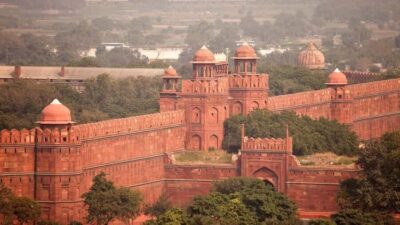 ★ 4.7Red Fort Entry Ticket with Optional Add-OnsFrom $947 reviews
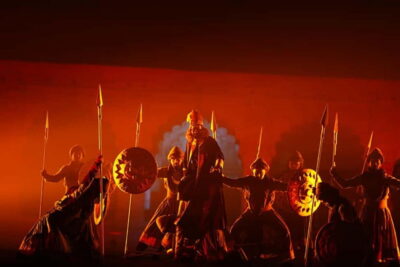 ★ 4.8Red Fort Light and Sound Show Guided TourFrom $2944 reviews
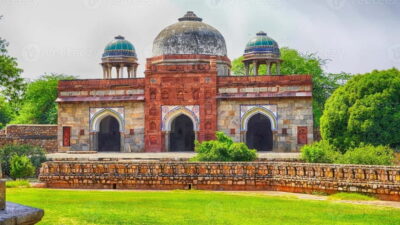 ★ 4.9Skip-the-Line Humayun’s Tomb Tour with TransfersFrom $741 reviews
 ★ 5.0Delhi Street Art Walk in Lodhi Art District with Chai & FoodFrom $3334 reviews
Browse the lists this tour appears in