
Reviewed · TAJ MAHAL TOURS FROM DELHI
15-Day Private Rajasthan Heritage Tour– Safari, Desert, Taj Mahal
A good road trip through Rajasthan can feel like a history book on wheels. This private 15-day drive strings together Delhi monuments, Shekhawati haveli art, desert culture, and big-name forts, then lands you for a classic sunrise finish at the Taj Mahal. It is built for comfort too, with a private AC car and a guide at each stop.
What I really like here is the mix of types of sights: UNESCO-level monuments like Humayun’s Tomb and Qutub Minar side-by-side with stepwells, cenotaphs, temple clusters, and desert evenings. You’ll also get a practical travel setup—a uniformed chauffeur plus a live guide (available in various foreign languages), which matters when you are jumping between cities and ticketed sites.
The main thing to consider is cost creep. Monument and safari fees are not included (plan for about USD 200 per person extra), and a few places have day-specific closures—Taj Mahal is closed on Fridays and the Lotus Temple is closed on Mondays (you’ll be taken to alternatives).
In This Review
- Key Highlights You’ll Feel Right Away
- Rajasthan by Private Car: What This 15-Day Pace Really Means
- Delhi Essentials: Humayun’s Tomb, Akshardham, Qutub Minar, Lotus Temple
- Mandawa Haveli Art and the Quiet of Harlalka Well
- Bikaner Forts, Museums, and the Karni Mata Rat Temple
- Jaisalmer Golden City: Fort Views, Haveli Screens, and Sam Dunes
- Jodhpur to Ranakpur: Mehrangarh Views and Jain Temple Precision
- Udaipur Lake Life: City Palace, Jagdish Temple, and Two Different Lakes
- Chittorgarh to Pushkar: Fort Memory and Sacred Water Rituals
- Jaipur to Ranthambhore: UNESCO Instruments, Fort Views, and Tiger Time
- Agra Finale: Taj Mahal at Sunrise, Agra Fort, and Baby Taj
- Price and Value: What You Get for USD 1,013 Plus Extras
- Small Rules That Make the Whole Trip Easier
- Who Should Book This Rajasthan Heritage Route
- Final Call: Should You Book This 15-Day Delhi to Agra Trip?
- FAQ
- Is this a private tour or a shared group experience?
- What is included in the tour price?
- Are monument and safari fees included?
- Where does the tour start and where does it end?
- Is pickup included from Delhi?
- Is there a camel ride and desert camp option?
- Are there any important closure days to know?
- Do I need to bring ID?
- What are the Pushkar Camel Fair dates?
Key Highlights You’ll Feel Right Away
- Private chauffeur and live guide support: easier pacing across many cities, with help for timing and on-site explanations
- Mandawa’s haveli murals: Shekhawati’s painted mansions, like Tarkeshwar Goenka and Murmuria Haveli, are a real visual reward
- Bikaner’s desert character: Junagarh Fort plus Karni Mata’s rat temple gives you a very different Rajasthan flavor
- Jaisalmer at golden hour: Sam Sand Dunes camel ride plus puppet-show culture adds an evening beat
- Ranakpur’s temple precision: Jain carvings in a forested setting feel peaceful in a way big forts don’t
- Sunrise Taj Mahal and Agra Fort: early Taj timing is the payoff for the whole route
Rajasthan by Private Car: What This 15-Day Pace Really Means
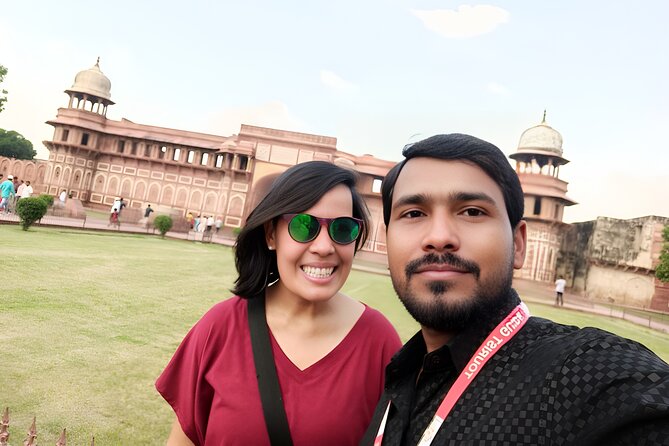
This is the kind of trip where you trade a slower travel style for variety. Over about 15 days, you cover Delhi, Mandawa, Bikaner, Jaisalmer, Jodhpur, Ranakpur, Udaipur, Chittorgarh, Pushkar, Jaipur, Ranthambhore, and Agra. If you like seeing a lot without constantly planning logistics, a private car plan like this is a strong fit.
Because the tour is private, your group sets the tempo. That helps on days that include both sightseeing and driving time, like the move from Delhi to Mandawa (about 5 hours) and later the long runs toward Agra. It also helps with a simple reality: in Rajasthan, the day can get long fast, so you want fewer handoffs.
More ways to reach the Taj, weighed side by side



Delhi Essentials: Humayun’s Tomb, Akshardham, Qutub Minar, Lotus Temple
Your first day is built to get you oriented fast. After landing, you get picked up and taken to your hotel for check-in, then you start with Humayun’s Tomb, a UNESCO World Heritage Site with Persian and Mughal architectural influence and a calm garden setting. It is a great opener because it is dramatic without feeling chaotic.
Then you shift to a modern spiritual landmark: Swaminarayan Akshardham. It opened in 2005, and it leans into intricate carved sandstone and marble work. This is a nice contrast after Humayun’s Tomb—different era, same idea: big buildings used for big meaning.
Day two keeps the Delhi classics tight. You start at Qutub Minar (73 meters tall), then you pass India Gate, a World War I memorial designed by Sir Edwin Lutyens. The route also includes the Lotus Temple, known for its lotus-like white petals and its open welcome to people of all faiths—though note it stays closed on Mondays, and the tour will reroute you to Iskcon Temple or Shri KalkaJi Temple.
You finish the Delhi chapter with Chandni Chowk for lunch. It’s a practical choice: you get the food experience without trying to solve where to eat after a full morning of walking and travel.
Mandawa Haveli Art and the Quiet of Harlalka Well
Mandawa is Shekhawati country, and the tour uses the area like it should be used: as an open-air museum. You’ll have time in town to see famous painted havelis, starting with Tarkeshwar Goenka Haveli, where murals mix mythological scenes with unexpected details like British soldiers, steam locomotives, and gramophones. It’s a reminder that Rajasthan’s merchant culture wasn’t isolated—it absorbed outside influences.
Next comes Murmuria Haveli, often highlighted for British colonial-era imagery, including trains and even figures tied to British royalty and Indian leadership. Then you get Gulab Raj Ladia Haveli, known for some of the best-preserved frescoes and intricate floral designs.
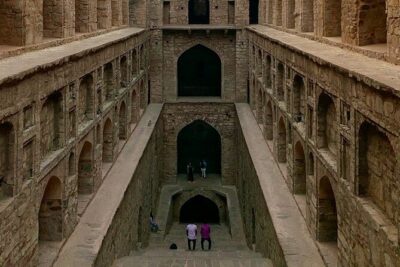
What I like is that you are not only seeing paintings in big-ticket locations. You also stop at Harlalka well, an ancient stepwell near the havelis. Even when it is simpler than the grand monuments, stepwells are where you feel the old desert-water logic of the region—cool shade, slow pace, and a different kind of atmosphere.
A note on comfort: since you’ll be visiting many temples and sacred places across the trip, it pays to wear easy shoes. The tour info is clear that shoes have to come off at temple entrances, so you’ll thank yourself for elastic comfort.
Bikaner Forts, Museums, and the Karni Mata Rat Temple
Bikaner is where the tour leans harder into desert Rajasthan. Your base days start with Junagarh Fort (also called Bikaner Fort). Unlike some forts that feel like they are only about stone and walls, this one is tied to a royal city identity—founded by Rao Bika in 1488 and known for warrior heritage and famous local snacks.
Inside, you can also see the Prachina Museum housed in the fort. It focuses on royal costumes, portraits, decorative arts, and family heirlooms. It’s a good way to understand what the fort supported, not just what it guarded.
Then the tour adds Lalgarh Palace and its museum. The palace mixes Indo-Saracenic style with Rajput and European elements, so you get a visual mash-up that feels very “Bikaner”: formal, ornate, and a little unusual. This is the kind of stop where having a guide helps, because it is easy to admire details without knowing what you are looking at.
Day four also delivers two faith-and-culture stops that feel very different from one another. Karni Mata Temple, near Deshnoke, is famed for its sacred rats—25,000 or more roam freely, and the rare white rats are considered special. Then you go to Jain Temple Bhandasar, built in the 15th century, with gold-leaf paintings, glasswork, and delicate frescos.
If your idea of a great trip includes a bit of surprise, this day lands well.
Jaisalmer Golden City: Fort Views, Haveli Screens, and Sam Dunes
Jaisalmer is where the tour earns its “desert” reputation. You’ll start with a travel day into the Golden City, including stops that set context. One is the National Research Centre on Camel, which fits the desert logic of the region. Another is Ganga State Museum, which you’ll likely appreciate if you like artifacts: coins, royal weaponry, archaeological finds, and ancient manuscripts.
In Jaisalmer, you begin with Jaisalmer Fort, built entirely of yellow sandstone, then step into the fort palace museum to see royal quarters, weapons, and artifacts. It is a strong combination: exterior drama, then interior clues about how people lived in a fortified desert city.
Then the tour hits the haveli lineup. Kothari’s Patwon Ki Haveli (also referred to as Patwa Haveli) is known for jharokhas, carved sandstone screens, and mirror-studded interiors. You’ll also visit Salim Singh-ki Haveli, with its arched roof shape like a peacock’s plume, and Nathmal Ji Ki Haveli, famous for how symmetry and architecture were handled by two brothers who worked from opposite sides.
You then get a breather with Gadisar Lake, once a primary water source, surrounded by shrines and ghats. It is quiet in a way that contrasts with fort walls.
Finally: Sam Sand Dunes. The tour includes a camel ride over rolling dunes as the sun dips below the horizon, plus cultural performances featuring Kalbelia dancers. If you add the optional overnight in the Jaisalmer Desert Camp (Swiss tent at Sam), it becomes a true “stay in the place” moment. Just remember tent availability is limited and needs confirmation.
Deeper into Rajasthan, straight from Delhi
Jodhpur to Ranakpur: Mehrangarh Views and Jain Temple Precision
The Jodhpur day is built around elevation and views. After the drive into the Blue City, you visit Mehrangarh Fort, which is one of Rajasthan’s biggest fort experiences. It’s the kind of stop where you understand why cities built upward: defense, status, and long sightlines all in one.
You also see Jaswant Thada, a white marble cenotaph built in 1899, often called the Taj Mahal of Marwar due to its delicate jali work. From there, the tour brings in Umaid Bhawan Museum, tied to a palace built during a famine to provide employment, and now split among a luxury hotel, a royal residence, and a museum.
For something more everyday, you get Sardar market near the Clock Tower. It’s a great place for small buys like spices and tie-dye fabrics, and you can grab makhaniya lassi, a local specialty.
Then Mandore Garden closes out the Jodhpur chapter with royal cenotaphs built like Hindu temples, along with a hall of heroes and a temple dedicated to 33 crore Hindu gods.
The trip pivots after that. On the way to Ranakpur, you start early at Rao Jodha Desert Rock Park, created to restore ecology around Mehrangarh. You’ll then see Toorji Ka Jhalra (Toorji’s Step Well), a restored stepwell from the 1740s that functions as a cool, carved social space.
Ranakpur is where you’ll slow down. The tour brings you to a forest-adjacent hotel or eco-resort, and you can take a relaxed walk or enjoy nearby nature/wildlife areas depending on what the setting allows. Then comes Ranakpur Jain Temple, famous for detailed Jain and Hindu temple architecture—especially for its precision and quiet.
You also visit Surya Narayan Temple nearby, then Sadri, known for a cluster of 14 temples. One highlight is MUCHHALA MAHAVIR Jain Temple, noted for a rare iconographic detail: the deity is depicted with a moustache. That’s the sort of detail that makes a temple day memorable.
Udaipur Lake Life: City Palace, Jagdish Temple, and Two Different Lakes
Udaipur is the romantic break in the route, and you feel it in the stops. After a drive through the Aravalli hills, you arrive at a lakeside heritage hotel, then spend the day in a layered way: palace, temples, gardens, lake viewpoints.
City Palace is the headline, with courtyards, balconies, and towers. You’ll also see Jagdish Temple, built in 1651 and dedicated to Lord Vishnu, known for carved pillars and ornate ceilings. These are big-spirit stops that still feel intimate because you are moving through courtyards and walking between structures.
Sahelion Ki Bari (Garden of the Maidens) adds a calmer pace: marble pavilions, fountains, lotus pools, and lawns designed for leisure. Then you head to Lake Pichola, created in 1362 and considered the soul of Udaipur. A boat ride across Lake Pichola—especially around sunset—is listed as a major highlight, and Jagmandir Island Palace gives you that “palace out in the water” feeling.
The tour also includes Bagore Ki Haveli Museum near Gangaur Ghat, plus a closer look at everyday-and-performance culture through the puppet/folk museum style. After that, Fateh Sagar Lake and Sajjangarh Monsoon Palace bring panoramic views above the city, and Bharatiya Lok Kala Mandal connects you with rural folk arts.
This is a strong Udaipur day because it does not only focus on one “pretty photo” spot. It balances architecture, water, and local craft.
Chittorgarh to Pushkar: Fort Memory and Sacred Water Rituals
Chittorgarh Fort is big and loaded with meaning, and the tour handles it carefully with multiple stops across the fort area. You visit the fort itself, then move into the Rana Kumbha Palace area, linked with famous legends like Rani Padmini and the story of jauhar. You also see Padmini’s Palace beside a lotus pool, a white three-storied structure that people remember for its legend and its setting.
Then you get a mix of monuments and religious stops: Vijay Stambh (a victory tower built by Rana Kumbha), Kirti Stambh (Tower of Fame), Meera Temple, Kalika Mata Temple, and Gaumukh Reservoir, a sacred tank fed by a spring from a rock shaped like a cow’s mouth.
This is the day where a guide matters most. When you have a local explainer, it’s easier to separate what you see from what it symbolizes, instead of just admiring ruins from a distance.
After Chittorgarh, you drive to Pushkar and spend the night there. Pushkar is a spiritual town with a softer pace, and the next day starts with Brahma Temple, one of the few temples in the world dedicated to Lord Brahma.
Pushkar Lake is the emotional center, surrounded by 52 ghats where pilgrims take holy dips. You’ll also visit Shree Savitri Mata Mandir, reached by cable car or a short trek, and Varaha Temple, described as one of Pushkar’s oldest temples with a white sandstone idol.
Then you shift to vegetarian culture in a very practical way. Lunch in Pushkar is typically a vegetarian feast often prepared without onion or garlic, which matches the town’s spiritual norms. If you are sensitive to dietary routines, this is a nice, clear heads-up.
You also see Gurudwara Singh Sabha and a camel trade fair field. The Pushkar Camel Fair is annual from October 30 to November 5, and the tour info notes that outside the fair it is usually quieter and more about day-to-day life.
Jaipur to Ranthambhore: UNESCO Instruments, Fort Views, and Tiger Time
Jaipur is next, and the tour hits major “big architecture” sites without making you guess what matters. City Palace is first, then Jantar Mantar, a UNESCO World Heritage Site built in 1734 by Maharaja Jai Singh II. You’ll see astronomical instruments including the world’s largest stone sundial.
You also visit Hawa Mahal, built for royal women to observe city life from behind 953 jharokhas, and Nahargarh Fort for panoramic views. Jaigarh Fort is another strong stop, linked by passages to Amber Fort and home to Jaivana, described as the world’s largest cannon on wheels.
Jal Mahal appears at a sunset-friendly time window. The palace itself is surrounded by Man Sagar Lake and entry is not allowed, but the reflections and the backdrop are the reason for the stop.
Then you drive to Ranthambhore. Once you reach Ranthambhore, you get an early morning wildlife safari through the park. Ranthambhore is one of India’s premier tiger reserves, and the safari is listed for possible sightings including tigers, leopards, and marsh crocodiles. The tour also includes Ranthambhore Fort, a UNESCO World Heritage Site located within the park.
One practical thought: safaris run on animal schedules, not human schedules. So be ready for early wake-ups and keep expectations flexible while still getting excited.
Agra Finale: Taj Mahal at Sunrise, Agra Fort, and Baby Taj
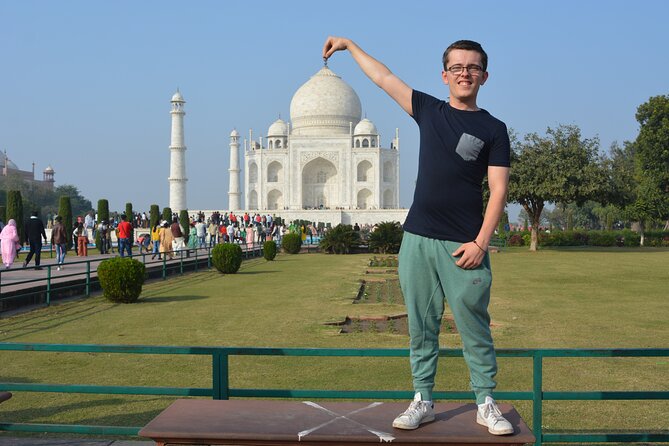
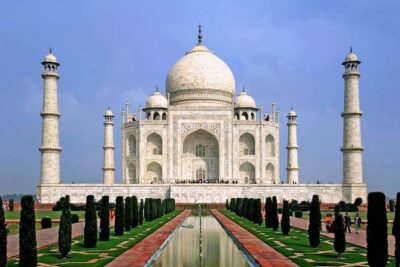
Your last day is designed as a payoff. Sunrise at the Taj Mahal is scheduled, and it’s a classic choice because the marble shifts hues with the morning light. The tour also notes the Taj Mahal remains closed on Fridays, so your day planning matters here.
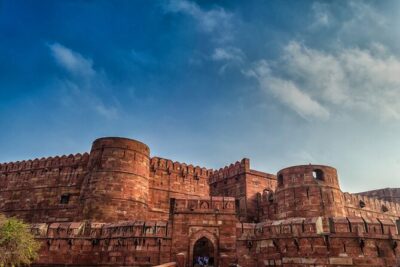
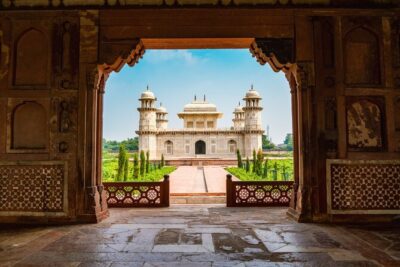
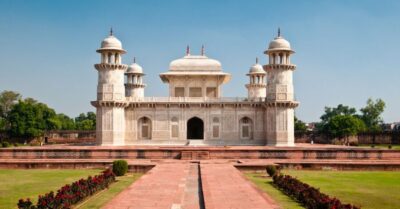
After Taj Mahal, you visit Agra Fort, first built by Akbar and later embellished by Shah Jahan, with palaces, courtyards, mosques, and Musamman Burj (linked to Shah Jahan). Then you slow down with Itmad-ud-Daula, sometimes called Baby Taj, known for intricate inlay work and its earlier date than the Taj Mahal.
You finish with lunch and then the drive back to Delhi. If you want a smooth departure day, this is one of those trips where the pacing matters. You get a full sight day in Agra and then a direct drive back rather than hopping between multiple places.
Price and Value: What You Get for USD 1,013 Plus Extras
At USD 1,013 per person, this tour is not cheap, but it is also not just a ticket to a few spots. You are paying for a private setup: uniformed chauffeur, live guide in various foreign languages, private air-conditioned vehicle, parking/tolls/taxes, and hotel accommodation with breakfast if you pick the option that includes it.
The big thing not included is monument and safari fees (about USD 200 per person). That estimate matters because it covers the places you cannot simply look at from the outside. If you want a truly predictable budget, plan for that extra amount before you go.
In practical terms, the best value here is for pairs and small groups who want a lot of destinations without constant daily negotiation. If you love planning every transfer on your own, you might find cheaper DIY options. But if you want your time to go toward sights—rather than booking and rebooking—this price can feel fair.
Small Rules That Make the Whole Trip Easier
A few details show up again and again through this route.
- You’ll remove shoes before entering many temples and sacred places, so wear footwear that is easy to slip off and on.
- Dress modestly for temple stops.
- Bring a valid photo ID for monument entry, since checks are part of the process.
Also, the tour can be customized as per customer requirements. If you have a hard priority—more time at one fort, less at another—this flexibility can be a big deal.
Who Should Book This Rajasthan Heritage Route
This tour fits you well if you:
- want a private car and a guide across many cities
- like big architecture plus smaller cultural stops like stepwells, museum collections, and folk performances
- plan to do a tiger safari at Ranthambhore and a camel ride at Sam dunes
- appreciate sunrise viewing, especially for the Taj Mahal
It may not be your best match if you hate long drives. A trip like this moves fast on purpose, and driving days like Delhi to Mandawa and later the run toward Agra are part of the deal.
Final Call: Should You Book This 15-Day Delhi to Agra Trip?
If your goal is Rajasthan variety in one clean package, I think this is a strong booking choice. The private setup with chauffeur support and live guiding helps you keep your days focused on what you came to see, not on how to coordinate it all.
Just go in with eyes open on two items: extra monument and safari fees and Taj Mahal closure on Fridays. If your travel dates align, and you’re okay with a busy pace, you’re likely to end the trip with exactly the kind of Rajasthan story you came for—forts, desert nights, temple artistry, and a sunrise finish that still feels like a movie scene even after you wake up.
FAQ
Is this a private tour or a shared group experience?
It is a private tour/activity, meaning only your group participates.
What is included in the tour price?
The tour includes a private uniformed chauffeur, a live tour guide (various foreign languages), sightseeing by private air-conditioned car/tempo traveler, pick up and drop in Delhi airport/railway station/desired locations, all parking fees/tolls/taxes/allowances/fuel/interstate taxes, and 5-star hotel accommodation with breakfast if you choose that option.
Are monument and safari fees included?
No. Monument and safari fees are not included and are listed as approximately USD 200 per person.
Where does the tour start and where does it end?
It starts in New Delhi and ends in Agra.
Is pickup included from Delhi?
Yes. Pickup and drop in Delhi airport, railway station, or desired locations are included.
Is there a camel ride and desert camp option?
Yes. You’ll do a camel ride at Sam Sand Dunes, and there is an optional overnight in a Jaisalmer desert camp (Swiss tent). Tent availability is limited and subject to confirmation.
Are there any important closure days to know?
Yes. The Taj Mahal remains closed on Fridays, and the Lotus Temple remains closed on Mondays (you’ll be taken to Iskcon Temple or Shri KalkaJi Temple).
Do I need to bring ID?
Yes. Bring a valid photo ID for monument entry checks.
What are the Pushkar Camel Fair dates?
The Pushkar Camel Fair takes place annually from October 30 to November 5.
More Tour Reviews in New Delhi
- Old & New Delhi City Tour – Half or Full Day Options Available
★ 5.0 · 4,811 reviews - Half Day Private Delhi City Tour
★ 5.0 · 4,474 reviews - Same Day Taj Mahal, Agra Fort & Baby Taj Tour from Delhi by Car
★ 5.0 · 4,304 reviews - Taj Mahal Day Tour from Delhi by Superfast Train – TOP RATED TOUR
★ 5.0 · 4,166 reviews - Delhi: Old and New Delhi Private Full or Half-Day Tour
★ 4.9 · 3,776 reviews
Further into Rajasthan
- Alluring North India and Rajasthan Tour
★ 5.0 · 552 reviews - 13 Nights 14 Days Private Tour of Heritage Rajasthan from New Delhi
★ 5.0 · 149 reviews - 8-Day Golden Triangle & Rajasthan Private Tour from Delhi
★ 5.0 · 134 reviews - 12-Days – Splendors of Golden Triangle & Rajasthan
★ 5.0 · 72 reviews - 14 Days Golden Triangle with Wildlife Safari & Heritage Rajasthan
★ 5.0 · 37 reviews
The Taj, Reached a Few More Ways
- Same Day Taj Mahal, Agra Fort & Baby Taj Tour from Delhi by Car
★ 5.0 · 4,304 reviews - Taj Mahal Day Tour from Delhi by Superfast Train – TOP RATED TOUR
★ 5.0 · 4,166 reviews - Full Day Taj Mahal, Agra Fort & Baby Taj Tour from Delhi by Car
★ 5.0 · 3,647 reviews - From Delhi: Taj Mahal & Agra Private Day Trip with Transfers
★ 4.9 · 3,181 reviews - Taj Mahal Tour from Delhi by Express Train (Viator Award Winner)
★ 5.0 · 2,849 reviews
Just added: more New Delhi reviews to browse
- 4 days Golden Triangle Tour★ 5.0 · 3 reviews
- Discover Old & New Delhi: Private Tour with Street Food★ 5.0 · 3 reviews
- Taj Mahal Tour From Delhi By Private Car★ 4.5 · 3 reviews
- Golden Triangle Tour 5 Days★ 5.0 · 3 reviews
- Taj Mahal: Express Entry Ticket For Sunset Tour with guide★ 5.0 · 3 reviews
- Agra Taj Mahal Sunrise & Sunset Tour from Delhi★ 5.0 · 3 reviews
Taj Mahal Tours from Delhi, compared.
 ★ 5.0Same Day Taj Mahal, Agra Fort & Baby Taj Tour from Delhi by CarFrom $624,304 reviews
 ★ 5.0Taj Mahal Day Tour from Delhi by Superfast Train – TOP RATED TOURFrom $1004,166 reviews
 ★ 5.0Full Day Taj Mahal, Agra Fort & Baby Taj Tour from Delhi by CarFrom $623,647 reviews
 ★ 4.9From Delhi: Taj Mahal & Agra Private Day Trip with TransfersFrom $43,181 reviews
 ★ 5.0Taj Mahal Tour from Delhi by Express Train (Viator Award Winner)From $752,849 reviews
 ★ 5.0All Inclusive Private Taj Mahal Luxury Tour from Delhi by CarFrom $622,564 reviews
 ★ 4.9Same Day Taj Mahal, Fort & Baby Taj Tour from Delhi by CarFrom $502,534 reviews
 ★ 4.9From Delhi: Taj Mahal and Agra Fort Private Sunrise TourFrom $592,270 reviews
Browse the lists this tour appears in