
Reviewed · RAJASTHAN TOURS FROM DELHI
13 Nights 14 Days Private Tour of Heritage Rajasthan from New Delhi
Fort-to-fort travel in a private car. This 14-day Heritage Rajasthan route from Delhi strings together Shekhawati haveli art, desert scenery near Jaisalmer, and a full Taj Mahal day in Agra, with local guides to keep each stop meaningful. It is also truly private, so your timing can flex instead of being locked to a big bus schedule.
What I like most is the steady rhythm: daily breakfast in 3-star hotels means the mornings start clean, even when the drive day is long. The one drawback to plan for: monument fees and admissions are not included, so you will want to budget extra for tickets and tips.
In This Review
- Key things that make this Rajasthan route work
- A two-week Rajasthan hit with private car from Delhi
- Day 1 to Day 2: settling in Delhi, then a full sights day
- Mandawa in Shekhawati: frescoed havelis and a fort that feels personal
- Bikaner’s Junagarh Fort: a strong step before the desert
- Jaisalmer: Golden Fort, Jain temples, and Sam Sand Dunes
- Jodhpur and Udaipur: the Blue City feel, then lakeside monuments
- Pushkar and Ajmer: temple focus and lakeside mood
- Jaipur: Amber Fort plus the city’s geometry and gates
- Agra and Taj Mahal day: Fatehpur Sikri on the way
- Hotels, breakfasts, and the feel of 3-star on this circuit
- Price and logistics: what you are really paying for
- Should you book this Heritage Rajasthan private tour?
- FAQ
- What is included in the tour price?
- Can I do this tour without staying in hotels?
- Which cities and major sights does the trip cover?
- Are monument tickets or admission fees included?
- What about meals—are lunch and dinner included?
- What vehicle will I ride in?
- Where does the tour start in Delhi?
- Is there free cancellation?
- What happens if the tour is canceled for weather or minimum travelers?
Key things that make this Rajasthan route work
- Private car with local guides for the big sights, not just a driver and a vague map
- Shekhawati in Mandawa for frescoed havelis and a Fort stop that feels different from the usual palaces
- Jaisalmer Golden Fort + Jain temples plus a camel ride out to Sam Sand Dunes
- Ranakpur Jain Temple on the way to Udaipur, a major detour that is absolutely worth the time
- Lake Pichola boat ride in the evening, when the city slows down
- Agra plus Fatehpur Sikri as a packed but efficient route to one of India’s top monuments
A two-week Rajasthan hit with private car from Delhi
This is one of those trips that makes sense if you want to see a lot without spending your vacation coordinating tickets, directions, and transfers. You leave Delhi, move through Rajasthan city-to-city, and end with Agra before heading back. The private transport matters here: it keeps you from losing hours to waiting, crowd shuffling, and schedule chaos.
I also like that the experience is built around local guides for sightseeing. That turns landmarks into stories you can actually use, and it helps when you are moving through places that are visually similar at first glance—forts, palaces, temples, gates. With a guide in the car and on-site, you are not just taking photos; you are learning how to read what you are seeing.
Still, keep your expectations realistic. This route is packed. It is not a slow-and-linger kind of Rajasthan. If you hate long drives and early starts, you might feel the pace more than you want.
Deeper into Rajasthan, straight from Delhi



Day 1 to Day 2: settling in Delhi, then a full sights day
Day 1 is simple: you arrive in Delhi and get transferred to a hotel for the night. This matters because it gives you time to adjust before the sightseeing starts.
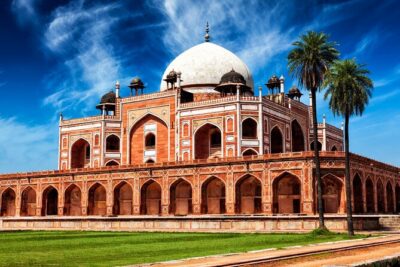
Day 2 is a full Delhi day with a long list of classic sights and temples: Red Fort, Jama Masjid, Qutub Minar, Rajghat, India Gate, President House (from the sightseeing route), Humayun’s Tomb, plus Lotus Temple and Birla Temple. It is listed as about 8 hours, and admission tickets are not included.
Practical tip: Delhi can hit you with heat and dust, especially in warmer months. On a day like this, I like to carry a small water bottle, a hat, and something for sun protection. Also, Red Fort and Qutub Minar are not quick photo stops—plan to walk and look closely.
From experience with similar Delhi starts, the biggest value is timing. You get your bearings first. After that, Rajasthan will feel more like a route you are traveling rather than a blur of separate cities.
Mandawa in Shekhawati: frescoed havelis and a fort that feels personal
Then the trip pivots. Day 3 sends you toward Mandawa in the Shekhawati region. This part of Rajasthan often gets less attention than the big-name forts, but that is exactly why it works on a two-week schedule.
In Mandawa, you check in and then head out for Mandawa’s sights, including the Mandawa Fort (castle) and frescoed havelis—the painted mansions that show you how merchants and local elites expressed wealth and belief before tourism made everything look the same.
Why I like this stop: the art is close-up and human-sized. You can stand in front of walls and actually track the details—mythology, portraits, scenes of daily life. It also gives your trip variety before you hit more monumental sites like forts and palaces.
One consideration: Mandawa is more about walking and looking than big-ticket icons. If you need constant spectacle every hour, you may have to slow down and let the art land.
Bikaner’s Junagarh Fort: a strong step before the desert
Day 4 drives you to Bikaner. After check-in, you visit Junagarh Fort, Lalgarh Palace, and the Fort museum.
Bikaner is a good bridge stop. You go from the painted haveli world of Shekhawati into the more fortress-and-royal aura of western Rajasthan. Junagarh Fort is the kind of place where you appreciate craftsmanship and defensive design. Lalgarh Palace adds the royal domestic angle, which helps balance what forts can sometimes feel like—too heavy, too stern.
This is also a day where a skilled guide makes a noticeable difference. Some travelers specifically praised guide support and the way guides explained what to look for, including how to move through sites efficiently without feeling rushed.
Jaisalmer: Golden Fort, Jain temples, and Sam Sand Dunes
Day 5 brings you to Jaisalmer, the desert city. The rest of the day is leisure, which is smart. By the time you reach Jaisalmer, you have already logged multiple travel days.
Day 6 is the highlight build: sightseeing around the Golden Fort, Jain temples, and haveli bazaars, then an afternoon camel safari ride to Sam Sand Dunes.
This is one of the most “Rajasthan-specific” combinations on the whole route. You get the city’s stone and craft heritage in the morning, then you shift into desert scale in the afternoon. The contrast helps the trip feel like a real journey instead of a checklist.
Two practical notes:
- If you get motion-sick easily on rough roads, tell your guide or driver early. The time around sand dunes can involve bumpy stretches.
- The camel ride is usually the kind of activity where comfort and timing matter. Go in with a flexible attitude and plan for dust.
This segment is also where you will feel the private-tour advantage: you can adjust how long you linger inside forts or in marketplaces.
More private days with a guide of your own

Jodhpur and Udaipur: the Blue City feel, then lakeside monuments
Day 7 drives you to Jodhpur, the Blue City. After check-in, you visit Mehrangarh Fort, Umaid Bhawan Palace, and Jaswant Thada.
Mehrangarh is the big one—vast views, strong fort atmosphere, and a lot of architecture to study. Umaid Bhawan Palace adds a different texture: less pure fortress, more royal residence style. Jaswant Thada brings a more memorial calm, which helps break up heavy sightseeing.
Then comes the classic “how did we fit this in” day. Day 8 drives toward Udaipur, visiting Ranakpur Jain Temple en route. That temple stop is a smart move because it is visually distinct and it shifts your focus from palaces to spiritual architecture.
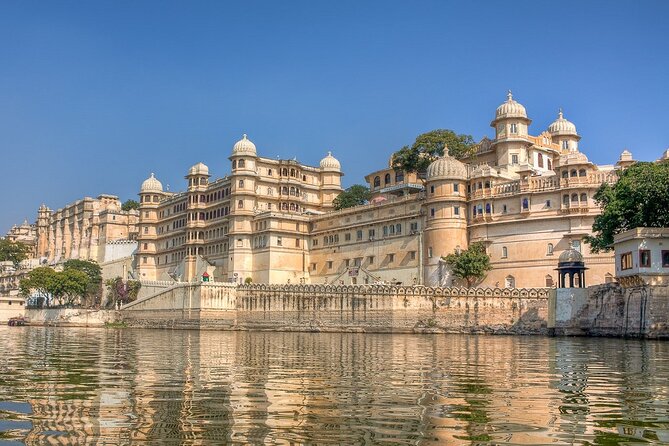
Day 9 is the Udaipur sights day. You are set to see Lake Palace, City Palace, Jagmandir Palace, Lake Pichola, Jagdish Temple, Saheliyon Ki Bari, Gulab Bagh, Monsoon Palace, and even a vintage car collection. In the evening, you get a boat ride on Lake Pichola.
Why this day works for me: Udaipur can feel like photos on repeat if you do not choose carefully. But this list covers different angles—royal power (City Palace), temple life (Jagdish Temple), garden leisure (Saheliyon Ki Bari), and the city’s relationship with the water (boat ride on Lake Pichola). It is also a relief to have an evening activity. After full-day walking, sitting on the water helps reset your energy.
One consideration: Udaipur is spread out. If you hate lots of walking in heat, wear comfortable shoes and pace yourself with water breaks.
Pushkar and Ajmer: temple focus and lakeside mood
Day 10 drives to Pushkar, with a stop in Ajmer first. You see Dargah Sharif in Ajmer, then continue to Pushkar for check-in and a Pushkar tour including Lord Brahma Temple, Pushkar Lake, the ghats, and other temples.
This is a change in vibe from fort-heavy days. Pushkar is more about sacred atmosphere and the rhythms around the lake. You will probably find the spiritual focus easier to enjoy slowly, even if the schedule is packed.
If you are sensitive to crowds during peak times, consider shifting your walking pace and choosing quieter corners when possible. On a private tour, you can often do that better than large groups.
Jaipur: Amber Fort plus the city’s geometry and gates
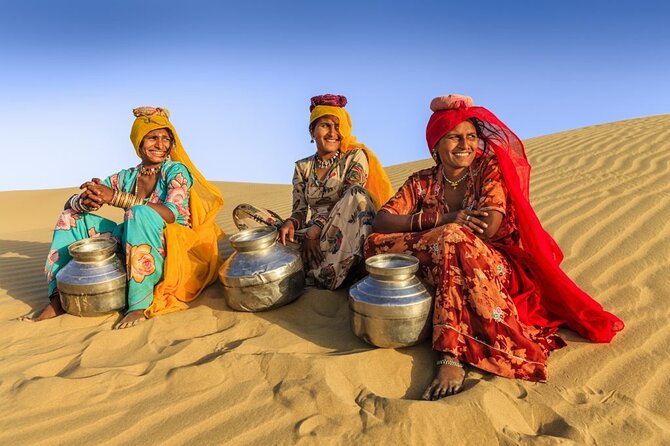
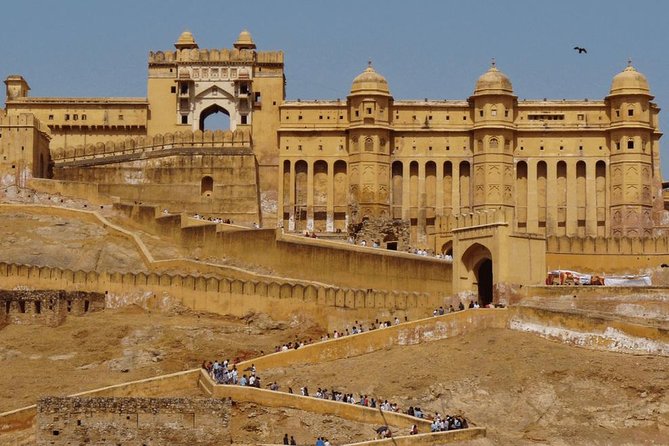
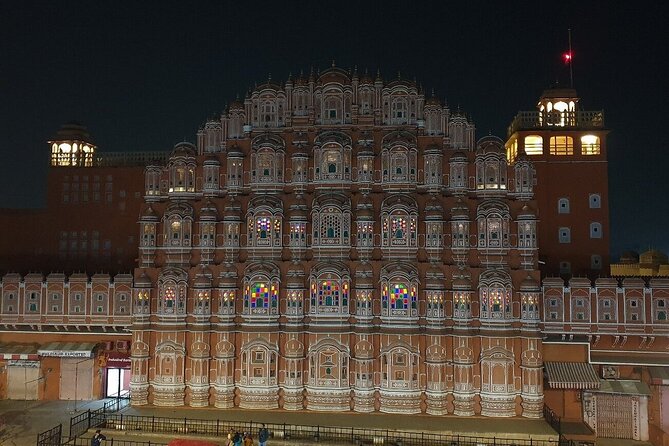
Day 11 drives you to Jaipur, the Pink City, with leisure time on arrival. Day 12 is the big Jaipur sightseeing day, featuring Amber Fort, Jal Mahal, Hawa Mahal, Jantar Mantar, City Palace, and Birla Temple.
Jaipur is a place where architecture tells you how rulers thought. Amber Fort is the fort-and-courtyard powerhouse. Hawa Mahal gives you that iconic façade and the idea behind palace ventilation. Jantar Mantar is different again—science-meets-symbols style architecture.
I particularly like the mix of stops because Jaipur can otherwise become just a photo tour. This route gives you enough variety that you can build a mental map of how the city works: fort on the edge, palaces and civic centers in the core, and monuments shaped by climate and power.
Practical tip: Amber Fort days can involve significant walking and stairs. Plan for it, and you will enjoy the fort more because you are not rushing.
Agra and Taj Mahal day: Fatehpur Sikri on the way
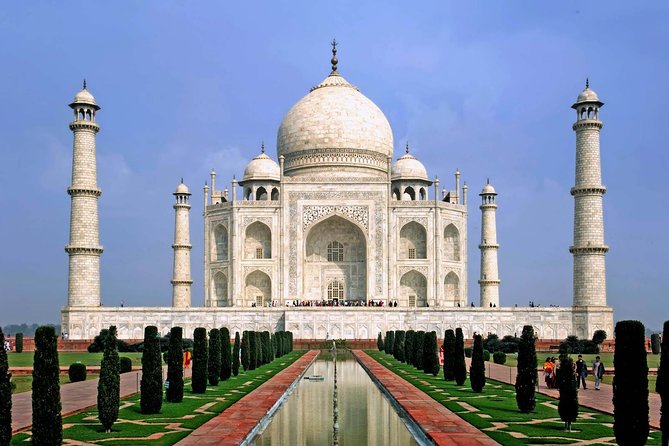
Day 13 drives you to Agra, with an important stop at Fatehpur Sikri. You visit Buland Darwaza, Panch Mahal, Jodha Bai Palace, Birbal Mahal, and Salim Chisti Tomb before continuing to Agra.
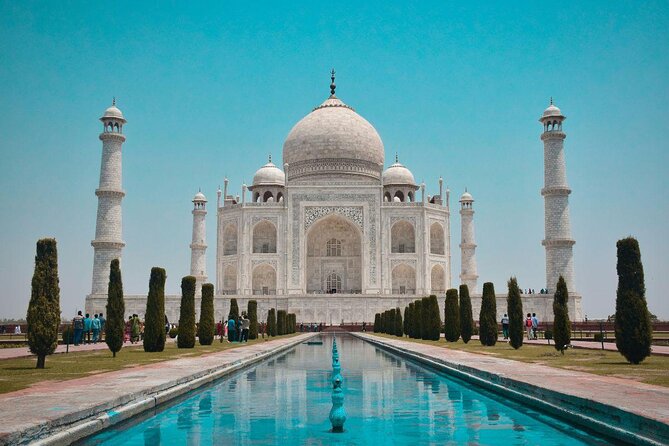
Agra sightseeing includes Taj Mahal, Agra Fort, and Itmad-Ud-Daullah tomb.
This day is intense because you are stacking two major heritage zones: Fatehpur Sikri and then Agra. The payoff is that you see how the Mughal era expressed power through both city planning and monument building.
A small reality check: Taj Mahal is popular, and your experience will be affected by crowds and timing. The private format helps you move with less friction, but it does not change how famous this place is.
If you want the most value, go in with patience for the walkways and the time spent appreciating details rather than only chasing the perfect wide shot.
Hotels, breakfasts, and the feel of 3-star on this circuit
The tour includes accommodation in 3-star hotels with breakfast, plus daily breakfast throughout your trip. That is more than a line item. It affects your energy every single day.
Breakfast included also gives you flexibility when evenings run long. You are not hunting for something open, and you can start sightseeing fed. Some guests even commented specifically on breakfast quality across the trip and how smooth everything felt.
Also, this tour is designed for groups of different sizes. Vehicle choice depends on your headcount: sedan for 1–2 people and SUV for 3–5 people. That impacts comfort on long drives. If you are traveling with a small group, you usually get more space to stretch out without negotiating shared seats like a bus.
One more thing: a number of guests praised the way drivers and guides supported them day to day, including feeling safe and cared for. Names that came up include Arjun, Nawal, Bilal, Mukesh, Sunder Singh, Newel, Sonu, Gullu/Gulu, Raj, and Abdul. That tells you this company tends to staff people who treat the trip like a responsibility, not just a route.
Still, hotel standards can vary by room type and availability. This tour calls out 3-star, so you should expect decent comfort, hot water, and practical locations rather than luxury.
Price and logistics: what you are really paying for
At $226.49 per person, this is one of those prices that only makes sense if you care about the value of private movement plus private guides. You are paying for:
- Private vehicle transport across multiple cities
- Local guides for sightseeing
- Daily breakfast
- Taxes and local charges listed as included
What you are not paying for (and you should budget):
- Monuments fee and tips
- Food and drinks unless specified
- Goods and Services Tax
The biggest “hidden cost” on heritage tours is almost always admissions and sundries, not the sightseeing labor. With this route, you will likely pay entry fees for multiple forts, temples, and heritage sites. Plan for it so your spending does not surprise you near the end.
Also note: there is an option for tours without accommodation, which can be useful if you already have lodging or want more control. But if you want the easiest two-week flow, the included hotel/breakfast plan is the cleanest setup.
Should you book this Heritage Rajasthan private tour?
Book it if you want a focused Rajasthan circuit without stress: private transfers, local guides at major sights, and a sensible endcap with Taj Mahal plus Fatehpur Sikri. It is especially a good match if you like the idea of mixing major monuments (forts, palaces, iconic temples) with a curveball stop in Mandawa for frescoed havelis.
Skip it or downshift expectations if you hate long road days. This route tries to cover a lot of cities in 14 days, so you will spend time in the car. Also budget extra for admissions and tips, since monument fees are not included.
If you are the kind of traveler who values safety, clear guidance, and a driver you can trust—multiple guests highlighted friendly, careful driving and guides who helped them feel at ease—this tour style fits that mindset well.
FAQ
What is included in the tour price?
The tour includes accommodation (if you choose the accommodation option), airport pickup and drop-off, sightseeing with private local guides, taxes and fees listed as included, transport by private vehicle, personal care, landing and facility fees, and daily breakfast.
Can I do this tour without staying in hotels?
Yes. The package offers a choice: accommodation is included if you select that option, and tours without accommodation are also available.
Which cities and major sights does the trip cover?
You’ll pass through Delhi, Mandawa (Shekhawati), Bikaner, Jaisalmer, Jodhpur, Udaipur, Pushkar (with an Ajmer stop), Jaipur, and Agra, with major stops including Red Fort and Qutub Minar in Delhi, Golden Fort and Sam Sand Dunes near Jaisalmer, and Taj Mahal in Agra (plus Fatehpur Sikri on the way).
Are monument tickets or admission fees included?
No. Admission tickets and monument fees are not included, and tips are not included either.
What about meals—are lunch and dinner included?
Food and drinks are not included unless specified. Breakfast is included daily.
What vehicle will I ride in?
The vehicle size depends on your group size: sedan for 1–2 people and SUV for 3–5 people.
Where does the tour start in Delhi?
Meeting is tied to the Travel India One Day office address in Paharganj: 15/16, General Market, Ram Dwara Road, Main Bazar, 55, Bharat Nagar, Paharganj, New Delhi, Delhi 110055, India.
Is there free cancellation?
Yes, free cancellation is offered. You can cancel up to 24 hours in advance for a full refund, and changes within 24 hours are not accepted.
What happens if the tour is canceled for weather or minimum travelers?
The tour requires good weather and a minimum number of travelers. If it is canceled due to poor weather or the minimum is not met, you’ll be offered a different date or a full refund.
More Tours in New Delhi
- Old & New Delhi City Tour – Half or Full Day Options Available
★ 5.0 · 4,811 reviews - Half Day Private Delhi City Tour
★ 5.0 · 4,474 reviews - Same Day Taj Mahal, Agra Fort & Baby Taj Tour from Delhi by Car
★ 5.0 · 4,304 reviews - Taj Mahal Day Tour from Delhi by Superfast Train – TOP RATED TOUR
★ 5.0 · 4,166 reviews - Delhi: Old and New Delhi Private Full or Half-Day Tour
★ 4.9 · 3,776 reviews
More Tour Reviews in New Delhi
- Old & New Delhi City Tour – Half or Full Day Options Available
★ 5.0 · 4,811 reviews - Half Day Private Delhi City Tour
★ 5.0 · 4,474 reviews - Same Day Taj Mahal, Agra Fort & Baby Taj Tour from Delhi by Car
★ 5.0 · 4,304 reviews - Taj Mahal Day Tour from Delhi by Superfast Train – TOP RATED TOUR
★ 5.0 · 4,166 reviews - Delhi: Old and New Delhi Private Full or Half-Day Tour
★ 4.9 · 3,776 reviews
Further into Rajasthan
- Alluring North India and Rajasthan Tour
★ 5.0 · 552 reviews - 8-Day Golden Triangle & Rajasthan Private Tour from Delhi
★ 5.0 · 134 reviews - 12-Days – Splendors of Golden Triangle & Rajasthan
★ 5.0 · 72 reviews - 14 Days Golden Triangle with Wildlife Safari & Heritage Rajasthan
★ 5.0 · 37 reviews - Royal Rajasthan: Whispers From The Past Curated Journey
★ 5.0 · 34 reviews
Just added: more New Delhi reviews to browse
- 4 days Golden Triangle Tour★ 5.0 · 3 reviews
- Discover Old & New Delhi: Private Tour with Street Food★ 5.0 · 3 reviews
- Taj Mahal Tour From Delhi By Private Car★ 4.5 · 3 reviews
- Golden Triangle Tour 5 Days★ 5.0 · 3 reviews
- Taj Mahal: Express Entry Ticket For Sunset Tour with guide★ 5.0 · 3 reviews
- Agra Taj Mahal Sunrise & Sunset Tour from Delhi★ 5.0 · 3 reviews
Rajasthan Tours from Delhi, compared.
 ★ 5.0Alluring North India and Rajasthan TourFrom $2,400552 reviews
 ★ 5.08-Day Golden Triangle & Rajasthan Private Tour from DelhiFrom $492134 reviews
 ★ 5.012-Days – Splendors of Golden Triangle & RajasthanFrom $2,38072 reviews
 ★ 5.014 Days Golden Triangle with Wildlife Safari & Heritage RajasthanFrom $83537 reviews
 ★ 5.0Royal Rajasthan: Whispers From The Past Curated JourneyFrom $1,06834 reviews
 ★ 5.0Rajasthan:- Maharaja Places of Royal Rajasthan 07- Days TourFrom $85017 reviews
 ★ 4.55-Night Private Rajasthan Tour from Delhi Including Jaipur, Jodhpur and UdaipurFrom $35815 reviews
 ★ 5.012-day Private Tour: Maharaja RajasthanFrom $1,40510 reviews
Browse the lists this tour appears in