
Rajasthan on wheels feels old-school and efficient. This private AC car and driver loop is interesting because you get long stretches of road time with planning built in, plus punctual, friendly service keeps the logistics from eating your energy. One catch: the price covers driving and guides, but hotels, lunches, and monument/temple entry fees are not included, so you need extra cash.
The itinerary is set up like a true round trip, starting in New Delhi, then rolling through Agra, Jaipur, Pushkar, Udaipur, Ranakpur, Jodhpur, Jaisalmer, Bikaner, Mandawa, and back to Delhi. You’ll meet your team at the airport (9:30am start time), ride in a clean van with seat belts and Wi‑Fi, and get an Italian tour guide for the Delhi–Agra–Jaipur stretch.
If you like sites plus flexibility, this works. If you hate long days and want fully inclusive pricing (meals, entry tickets, and hotels all in one), you might find the add-ons a bit annoying.
In This Review
- Key things that make this Rajasthan drive different
- How the private-car format changes your Rajasthan experience
- Price and logistics: what $1,200 really buys you
- Day 1 in Delhi: Old Delhi shortcuts before you’re tired
- Day 2 at the Taj Mahal: plan your time because tickets aren’t included
- Days 3 and 4 in Jaipur: City Palace time plus the Pink City feeling
- Day 5 Pushkar: a temple town stop, not a speed-run
- Days 6 and 7 in Udaipur: lakeside pace and City Palace views
- Day 8 Ranakpur Jain Temple: a quieter stop between bigger cities
- Days 9 and 10 in Jodhpur: Mehrangarh and the blue city views
- Days 11 and 12 in Jaisalmer: the Golden City and its 99 bastions
- Day 13 Bikaner: fort interiors plus a famous temple with sacred rats
- Day 14 Mandawa: short and sweet in the Shekhawati region
- Day 15 returning to Delhi: wrapping up the loop
- Who this road trip suits best
- Practical tips to make the most of it
- Should you book this Rajasthan Agra round trip?
- FAQ
- Is pickup included?
- What is the meeting point and start time?
- How long is the trip?
- Is this a private tour?
- Is Taj Mahal admission included?
- Are hotels and meals included in the price?
- What language support do you get?
- Is Wi‑Fi and bottled water included?
- What’s the cancellation policy?
Key things that make this Rajasthan drive different
- One-car simplicity: Private AC vehicle with driver, fuel, and government taxes handled.
- City-to-city flow: Hotel pickup/drop-off (for selected hotels) so you’re not hunting transport each day.
- English-speaking support with added help in core cities: English-speaking driver and an Italian tour guide for Delhi, Agra, and Jaipur.
- The route is built for variety: Forts, lakes, desert towns, and one major Jain temple stop.
- Comfort extras on the road: Bottled mineral water and free Wi‑Fi in the vehicle.
- Short sightseeing blocks on some days: That keeps pacing realistic instead of stuffing everything into every calendar day.
How the private-car format changes your Rajasthan experience
A 15-day Rajasthan trip can go two ways: either you spend half the day coordinating buses, tickets, and meeting points, or you let the driving team handle the hard parts. This plan is clearly in the second camp. The value isn’t just that there’s a car; it’s that you’re not constantly “starting over” at each stop.
You’ll do a lot of sightseeing that’s naturally spread out across distance. Rajasthan cities are not close together in the way you might expect from a map. Having an AC vehicle ready means you can treat the days like a sequence, not a series of separate mini-trips. The van includes seat belts, and you’re also getting mineral water in the car. Small stuff, but on a road trip, small stuff becomes comfort.
Another underrated benefit: you’re traveling as a private group. The schedule is designed around your team and your timing rather than being forced into a large bus rhythm. That matters for photos, resting when it’s hot, and keeping your pace realistic—especially around forts where you’re likely climbing steps and walking sunlit stone.
Other Agra runs out of Delhi worth a look




Price and logistics: what $1,200 really buys you
At $1,200 per person, this isn’t a “everything included” package. It’s closer to a well-supported road-trip logistics service. What you get in the price is the core framework:
- Hotel pickup and drop-off support (for selected hotels)
- Private AC car + driver with parking and fuel handled
- English-speaking driver and an Italian tour guide for Delhi, Agra, Jaipur
- Sightseeing by car, free Wi‑Fi in the vehicle, and mineral water
What’s not included is where you’ll feel costs add up fast in India: hotels, meals (including lunch), alcoholic drinks, and entry fees. The Taj Mahal and other monument tickets are specifically marked as not included.
So is it good value? Yes, if you plan to book solid hotels yourself (or you already know where you want to stay) and you’re okay budgeting for meals and tickets. If you want a single price that covers everything end-to-end, you’ll probably feel the “not included” items more than you expect.
Day 1 in Delhi: Old Delhi shortcuts before you’re tired
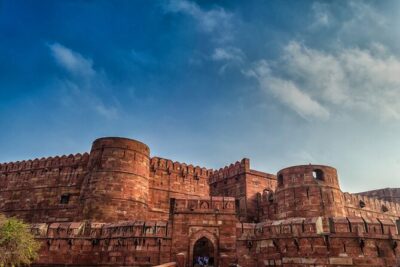
You start in New Delhi with an Old Delhi vibe built in. The plan points you toward classic Mughal-era landmarks: Red Fort and Jama Masjid, plus Chandni Chowk, the famous market lane area where you’ll see food carts, sweets shops, and spice stalls.
This is a smart first day because it’s a strong visual and sensory introduction without requiring you to master transport immediately. Even if you’re jet-lagged, you’ll still get a real sense of place: massive stone, a big mosque courtyard atmosphere, and market energy that makes Delhi feel like more than just an airport stop.
One practical note: Old Delhi is active. Comfortable walking shoes matter. Plan for dust and street noise. If you’re sensitive to crowds, this is where you’ll feel them.
Day 2 at the Taj Mahal: plan your time because tickets aren’t included
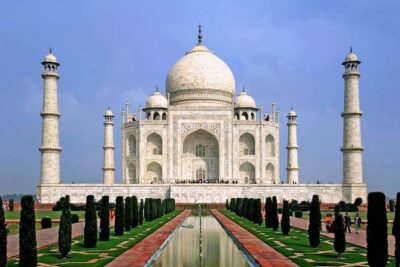
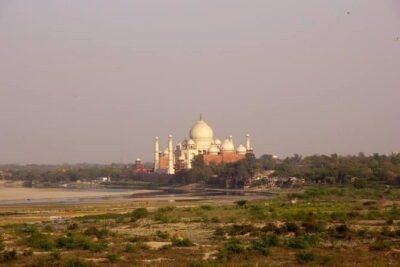
Agra day is built around the obvious highlight: the Taj Mahal, an ivory-white marble mausoleum commissioned in 1632 by Mughal rulers. Your allotted time is about 2 hours, which is enough to see the main sight well and take photos without rushing every moment.
Because entry tickets are not included, I recommend you budget both the money and the time to sort tickets on the ground. With only two hours scheduled, you don’t want ticket delays eating your viewing time.
If you want the best experience, treat this like a photo-and-stroll block rather than a “read everything” museum visit. The Taj works when you take it in slowly for details in the marble and the symmetry, then step back and absorb the full scale.
Days 3 and 4 in Jaipur: City Palace time plus the Pink City feeling
Jaipur is described as the capital of Rajasthan and the original “Pink City” idea, founded in 1727. You’ll spend two full days here, and both are framed around the center point: the City Palace complex, with gardens, courtyards, museums, and parts that still function as a royal residence.
This is one of the itinerary’s best moves. Jaipur is easy to overdo because there’s so much to see, but giving it two days lets you take a breath. You can handle the palace at a comfortable pace on day one, then come back with more time to focus on what you actually care about—architecture, courtyards, or the feeling of royal spaces still being lived in.
Admission is noted as free for the scheduled sightseeing block, but keep in mind many Jaipur sights have their own tickets if you choose to add extras. I’d treat the included portion as your “base plan,” then decide on top-ups once you’re there.
Deeper into Rajasthan, straight from Delhi
Day 5 Pushkar: a temple town stop, not a speed-run
Pushkar is a pilgrimage-focused city in Rajasthan, about 150 kilometers southwest of Jaipur, known for temples and a religious atmosphere tied to Hindu and Sikh practices. The schedule keeps it simple: around 10 hours of sightseeing time, with temples as the core.
This is a good day if you want a change from fort-heavy days. Pushkar’s appeal is less about monumental scale and more about the daily rhythm of a town shaped by faith and ritual.
Because the plan doesn’t list specific tickets as included here, expect you may pay entry fees for certain temple visits. Also expect crowds during peak temple hours. If you’re a morning person, you’ll likely enjoy Pushkar more before the day fully heats up.
Days 6 and 7 in Udaipur: lakeside pace and City Palace views
Udaipur is set around artificial lakes and is tied to the Mewar kingdom. The itinerary gives you two days, which is exactly what Udaipur needs if you want more than a drive-by.
A big anchor here is City Palace overlooking Lake Pichola, described as a monumental complex of multiple palaces, courtyards, and gardens. It’s also noted for intricate peacock mosaics. Even if you don’t track every detail, the palace viewpoint is the sort of thing that makes Udaipur feel cinematic.
Two days also give you flexibility: you can do a palace block on day one, then use day two for slower wandering and lake-area atmosphere. That matters because Udaipur is a place where waiting for the light and taking breaks is part of the fun.
If you hate downtime, Udaipur may feel too leisurely. If you like taking your time, it’s one of the trip’s best values.
Day 8 Ranakpur Jain Temple: a quieter stop between bigger cities
Ranakpur sits between Jodhpur and Udaipur, in the Aravalli Range valley region. The schedule frames the day around the Ranakpur Jain Temple, a standout spiritual and architectural stop.
This stop adds variety. After Udaipur and before Jodhpur’s desert-castle energy, Ranakpur gives you something more intricate and calm. The itinerary keeps it within a 10-hour sightseeing window, which is enough for a focused visit without turning the day into a marathon.
As with other temple experiences, expect separate entry fees may apply even if the listed sightseeing block doesn’t flag one. Dress respectfully, and keep your pace slower inside complex areas.
Days 9 and 10 in Jodhpur: Mehrangarh and the blue city views
Jodhpur is tied to the Thar Desert, and the star is the 15th-century Mehrangarh Fort. Your schedule gives you two days, each anchored around the fort: weapons, paintings, and royal palanquins are noted inside, and the fort’s position on a rocky outcrop means you also get sweeping views of the walled city below—often painted blue.
This is a place where two days really helps. The fort experience isn’t just one courtyard; it’s multiple areas, plus viewpoints where you’ll want time for photos and perspective.
The drawback? Fort days can be physically tiring. Plan water, rest breaks, and sun protection. If you’re prone to heat exhaustion, take mornings seriously and save your more demanding walking for cooler hours.
Days 11 and 12 in Jaisalmer: the Golden City and its 99 bastions
Jaisalmer is called the Golden City for its yellow sandstone architecture, and the centerpiece is Jaisalmer Fort with 99 bastions. Behind the walls are the Maharaja’s Palace and intricately carved Jain temples, giving the fort area both defensive scale and artistic detail.
Two days here makes sense because Jaisalmer isn’t just a single attraction. It’s a whole setting. Even if your time is mostly at the fort complex, you’ll benefit from returning with different light and a calmer pace.
This is also a good segment for planning your energy. The Thar region can feel dry and bright, so shade breaks matter. The fort’s stone and carvings are interesting, but the experience improves when you slow down and enjoy the textures.
Day 13 Bikaner: fort interiors plus a famous temple with sacred rats
Bikaner is another desert-linked stop, with the highlight being Junagarh Fort, a huge complex of ornate halls and buildings. The itinerary also references the Prachina Museum inside the fort with traditional textiles and royal portraits.
Then there’s Karni Mata Temple, known for many rats considered sacred by Hindu devotees. This is the kind of stop you either love or you’re mildly surprised by, but it’s genuinely memorable because it’s specific to place and belief.
You’ll have about 8 hours for this day. That’s enough to do the fort block well and still have time to process the more unusual temple scene. Keep expectations flexible: this isn’t the kind of attraction where you can “speed read” your way through it.
Day 14 Mandawa: short and sweet in the Shekhawati region
Mandawa is in Rajasthan’s Shekhawati region, and the schedule gives you a shorter block of about 4 hours. That tells me the focus is likely on quick hits: streetscapes and a taste of the region rather than a full day of deep exploration.
If you love wall art, murals, and old-town architecture, Mandawa is exactly the type of place where even a short visit can feel rewarding. If you prefer major ticketed monuments, you might wish you had more time here, but the tight schedule helps keep the overall pace manageable after the desert cities.
Day 15 returning to Delhi: wrapping up the loop
Your last day ends back in New Delhi. It’s listed as a short stop, around 2 minutes, which suggests the itinerary is meant to finish at the same airport meeting point area rather than include a final attraction.
This is convenient for flight planning, but it also means you won’t get a “last day culture bonus.” If you want a final meal or one last stroll, plan it on your own timing after you settle.
Who this road trip suits best
This is a strong fit for you if:
- you want a private car-and-driver setup for moving across Rajasthan cities
- you care more about getting from A to B smoothly than about a fully packaged hotel/meal plan
- you like fort architecture and temple stops as your main sightseeing themes
- you prefer the comfort of AC driving and in-vehicle support like Wi‑Fi and bottled water
It may not be the best fit if:
- you want a single price that covers hotels, lunches, and entry tickets
- you dislike long driving days and prefer very short transfer times
- you need lots of built-in food stops (the plan flags lunch as not included)
Practical tips to make the most of it
Bring the boring essentials seriously. Rajasthan sun can turn a “short walk” into a sweat session. Wear shoes you trust, carry water beyond what’s in the car, and keep a light layer for early mornings or temple shade.
For monuments with entry fees not included, be ready to handle tickets during the day. If you hate surprises, set a daily extra budget in your head for meals and tickets before you go.
Also, keep your expectations aligned with the rhythm. Some days are long sightseeing blocks (around 10 hours). Other days are shorter. That mix keeps you from burning out, but it also means you should avoid over-scheduling your own add-on plans.
Should you book this Rajasthan Agra round trip?
I’d recommend booking if you want the easiest way to do Rajasthan by road with a private AC car, a clear route, and support through the Delhi–Agra–Jaipur core with an Italian guide. At $1,200, you’re paying for transportation and guidance structure, not for hotels and all meals.
Skip the booking only if your idea of value is truly all-inclusive—hotels, lunch, and entry fees included. Here, you’ll save money by staying flexible, but you should plan for extra spending on your own.
If you’re okay budgeting for hotels and tickets and you want a smooth, safety-first logistics setup, this is a solid way to connect Rajasthan’s big names without feeling like you’re constantly troubleshooting.
FAQ
Is pickup included?
Yes. The tour includes hotel pickup, and it also lists hotel drop-off (for selected hotels) plus airport/hotel pickup and drop travel in an AC car.
What is the meeting point and start time?
The start point is at Indira Gandhi International Airport in Delhi, and the start time is 9:30 am. Your exact terminal details are provided in the booking info.
How long is the trip?
It’s listed as 15 days (approx.) and runs from the start in Delhi to the end back in the same airport meeting point area.
Is this a private tour?
Yes. It’s described as private, meaning only your group participates.
Is Taj Mahal admission included?
No. Taj Mahal entry is listed as Admission Ticket Not Included.
Are hotels and meals included in the price?
No. Hotels, meals, and tips are listed as not included, and lunch is also noted as not included.
What language support do you get?
The included details mention an English-speaking driver, and an Italian tour guide for Delhi, Agra, Jaipur.
Is Wi‑Fi and bottled water included?
Yes. The vehicle includes free Wi‑Fi, and mineral water is included.
What’s the cancellation policy?
There is free cancellation. You can cancel up to 24 hours in advance for a full refund, with cut-off times based on the local time.
More Tour Reviews in New Delhi
- Old & New Delhi City Tour – Half or Full Day Options Available
★ 5.0 · 4,811 reviews - Half Day Private Delhi City Tour
★ 5.0 · 4,474 reviews - Same Day Taj Mahal, Agra Fort & Baby Taj Tour from Delhi by Car
★ 5.0 · 4,304 reviews - Taj Mahal Day Tour from Delhi by Superfast Train – TOP RATED TOUR
★ 5.0 · 4,166 reviews - Delhi: Old and New Delhi Private Full or Half-Day Tour
★ 4.9 · 3,776 reviews
Further into Rajasthan
- Alluring North India and Rajasthan Tour
★ 5.0 · 552 reviews - 13 Nights 14 Days Private Tour of Heritage Rajasthan from New Delhi
★ 5.0 · 149 reviews - 8-Day Golden Triangle & Rajasthan Private Tour from Delhi
★ 5.0 · 134 reviews - 12-Days – Splendors of Golden Triangle & Rajasthan
★ 5.0 · 72 reviews - 14 Days Golden Triangle with Wildlife Safari & Heritage Rajasthan
★ 5.0 · 37 reviews
More Agra Day Trips out of Delhi
- Same Day Taj Mahal, Agra Fort & Baby Taj Tour from Delhi by Car
★ 5.0 · 4,304 reviews - Full Day Taj Mahal, Agra Fort & Baby Taj Tour from Delhi by Car
★ 5.0 · 3,647 reviews - From Delhi: Taj Mahal & Agra Private Day Trip with Transfers
★ 4.9 · 3,181 reviews - From Delhi: Taj Mahal and Agra Fort Private Sunrise Tour
★ 4.9 · 2,270 reviews - Sunrise Taj Mahal, Agra Fort & Baby Taj Tour from Delhi by Car
★ 5.0 · 2,243 reviews
Just added: more New Delhi reviews to browse
- 4 days Golden Triangle Tour★ 5.0 · 3 reviews
- Discover Old & New Delhi: Private Tour with Street Food★ 5.0 · 3 reviews
- Taj Mahal Tour From Delhi By Private Car★ 4.5 · 3 reviews
- Golden Triangle Tour 5 Days★ 5.0 · 3 reviews
- Taj Mahal: Express Entry Ticket For Sunset Tour with guide★ 5.0 · 3 reviews
- Agra Taj Mahal Sunrise & Sunset Tour from Delhi★ 5.0 · 3 reviews
Agra Day Trips from Delhi, compared.
 ★ 5.0Same Day Taj Mahal, Agra Fort & Baby Taj Tour from Delhi by CarFrom $624,304 reviews
 ★ 5.0Full Day Taj Mahal, Agra Fort & Baby Taj Tour from Delhi by CarFrom $623,647 reviews
 ★ 4.9From Delhi: Taj Mahal & Agra Private Day Trip with TransfersFrom $43,181 reviews
 ★ 4.9From Delhi: Taj Mahal and Agra Fort Private Sunrise TourFrom $592,270 reviews
 ★ 5.0Sunrise Taj Mahal, Agra Fort & Baby Taj Tour from Delhi by CarFrom $622,243 reviews
 ★ 5.0Taj Mahal and Agra Private Car Tour from Delhi with 5* LunchFrom $331,633 reviews
 ★ 4.9From Delhi: Private Taj Mahal and Agra Tour by Express TrainFrom $751,605 reviews
 ★ 5.0Taj Mahal, Agra Fort, Baby Taj Tour from Delhi by Superfast TrainFrom $751,494 reviews
Browse the lists this tour appears in