
Reviewed · OLD DELHI FOOD TOURS
Delhi Food Tour: Try Authentic Old Delhi Food
Spice, steam, and street food in five hours. This Old Delhi and New Delhi food tour threads you through markets, landmark stops like Jama Masjid, and signature flavors from places you’d never find on your own. You also get a cycle rickshaw ride and a look at Asia’s biggest spice market, Khari Baoli, with tastings along the way.
I especially like the mix of foods and settings. You’ll sample classic items that show how Northern Indian meals work together—think chole kulche, parathas, and spice-heavy favorites—while your guide ties each stop to what the food means locally. I also love the smooth planning: hotel pickup and drop-off, packaged water and snacks, plus a private vehicle with a chauffeur when you need it.
One real consideration: on public holidays, some market shops can close, which can mean fewer tastings than you hope for. Also, Jama Masjid is a paid stop (not included), so budget a little extra if you want to go inside.
In This Review
- Key takeaways before you go
- What You’re Really Buying for $129 in Delhi Food
- Start in New Delhi: Pickup, Timing, and Getting Oriented
- Chawri Bazaar: Chole Kulche and the Comfort-Food Logic
- Kinari Bazar: Parathas and Why Stuffed Flatbread Rules
- Khari Baoli: Asia’s Spice Market and the Jama Masjid Perspective
- Chandni Chowk Area: Pasar Chandni Chowk and a Taste of Crowd Life
- Gurudwara Bangla Sahib: A New Delhi Reset After Old Delhi Spice
- What’s Included (and Why It Matters on a Food Tour)
- Food Tour Etiquette That Helps You Get More Out of Every Stop
- Ratings and the One Thing That Can Go Wrong
- Who This Tour Fits Best
- Should You Book This Delhi Food Tour?
- FAQ
- How long is the Delhi food tour?
- What time does the tour start, and do I get pickup?
- How much does the tour cost?
- What’s included in the price?
- Which places are part of the tour?
- Is the tour private?
- Can I cancel and get a refund?
Key takeaways before you go
- Taste more than one kind of street food so you get variety, not repeats
- Cycle rickshaw + short walks keeps you moving through Old Delhi without burning all your energy
- Khari Baoli is the showpiece—spices, smells, and a proper sense of scale
- Expect a mix of planning and wandering: guided stops plus time to look around
- Holiday timing can change the experience if stalls are closed
What You’re Really Buying for $129 in Delhi Food
At $129 per person, this isn’t a “snack for fun” tour. It’s built like a guided route through two different Delhi moods: Old Delhi’s food markets and New Delhi’s landmark calm. The value comes from how much is wrapped into the price—hotel pickup and drop-off, a private vehicle with a chauffeur, a guide, and food tastings with packaged water and snacks included.
The 5 to 6 hour length also matters. You get a full morning or part of the day without turning it into an all-day sprint. And because it’s private—only your group participates—you don’t have to fight the crowd for attention when you want explanations or need a quick pause.
The one “watch this” item is what you’re tasting and how many stalls are open. Even with a guide, market hours can affect the lineup. One past customer specifically pointed out that a public holiday meant closed shops and only a few items were sampled. That doesn’t mean the tour is bad—it means timing can shrink the menu if the neighborhood is quiet.
If you’re booking soon and you’re the type who likes a tight plan, you’ll also appreciate that confirmations are handled at booking and you’ll get a mobile ticket. Plus, it’s commonly booked in advance (about 17 days on average), which is a hint that mornings fill up.
More hours to spend in Old Delhi

Start in New Delhi: Pickup, Timing, and Getting Oriented
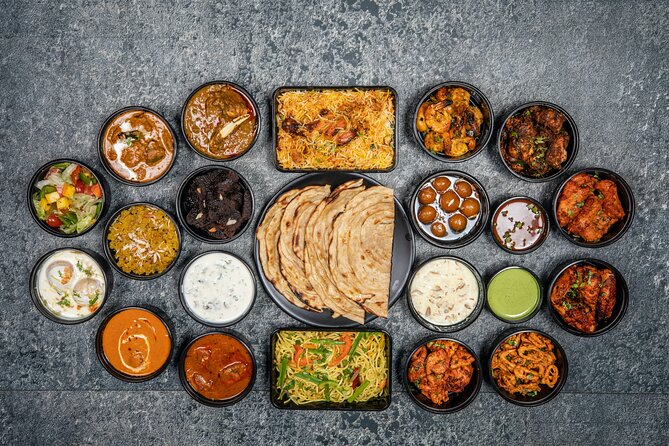
Your tour begins at 9:00 AM, or at whatever pickup time you’re assigned. Pickup is offered from your hotel or from a location in Delhi/Noida/Gurugram, which is a practical win. You won’t waste time figuring out meeting points in traffic, and you can start focused—hungry, camera-ready, and ready to follow your guide.
From Stop 1 onward, the tour is set up to hit food early. That’s smart in Delhi. By mid-morning, lines and crowds can build, and the heat can get punchy. Starting right away means you’re sampling while stalls are properly working and people are shopping, eating, and moving normally.
Stop 1 is described as starting with Delhi street food, with your guide leading you into the local flavor of the day. You’ll likely get a quick intro to how the city’s food culture works—spices, street-prep rhythms, and why certain neighborhoods became “go-to” addresses over time.
One tip for you: wear comfortable shoes. Even with vehicles and rickshaws in the plan, you’ll be walking short distances between stops. And because you’ll be tasting, you’ll want a light breakfast only if your stomach handles it well.
Chawri Bazaar: Chole Kulche and the Comfort-Food Logic
Chawri Bazaar is a classic Old Delhi stop, and it makes sense as a first real “food neighborhood.” Here, you’ll try local specialities such as chole kulche and also aloo puri. These aren’t random bites; they show how street meals in North India are built for satisfaction and speed.
Chole kulche is a great item to understand the region’s flavor priorities. You get chickpea curry (chole) paired with a bread (kulcha). It’s hearty, spicy (to your tasted level), and deeply linked to how people eat breakfast or late-morning meals in parts of North India. When your guide connects it to the way it’s eaten locally, it turns a snack into a mini lesson.
Aloo puri adds a different angle. It’s another comfort combo: potatoes in a spiced preparation served with puri, the puffed bread. Together, these two items help you learn the “street-food logic” quickly: you’re seeing how bread and curry work as a package, not separate things.
What to consider: if you’re sensitive to chickpeas, cumin-forward spice blends, or fried textures, this is the kind of stop where you should tell your guide ahead of time. That’s the best way to make sure your tastings still feel enjoyable instead of risky.
Also, expect this stop to take about an hour. It’s enough time to taste, ask questions, and get oriented—then move on before the crowd thickens.
Kinari Bazar: Parathas and Why Stuffed Flatbread Rules
Next comes Kinari Bazar, where the focus shifts to parathas—stuffed unleavened flatbreads that are a major part of the North Indian food world. This stop is important because it changes the texture of your day. By now, you’ve had curry-and-bread combos, and parathas bring a richer, more filling bite.
The key detail here is that parathas are made with stuffing. Your guide will talk about common fillings, and ma* in your provided info points to mashed-style ingredients as a typical approach. The main idea: this is street food that’s built for thick satisfaction, not just a quick taste.
Why parathas are a smart thing to sample with a guide: you learn what “good” feels like. Is the bread crisp or soft? Is the stuffing balanced? Are the spices layered or one-note? A guide can also explain why parathas are so popular across regions in the Indian subcontinent, not just in one corner of Delhi.
This stop lasts about an hour. If you’re the type who likes to watch food being made, you’ll probably enjoy the pacing. You’ll have time to ask, taste, and understand, instead of rushing through.
One practical suggestion: parathas can be heavy. If you’re planning to eat more in the evening, you’ll want to pace your tastings. Your guide’s job is to help you taste well, but your appetite is still yours to manage.
Khari Baoli: Asia’s Spice Market and the Jama Masjid Perspective
Khari Baoli is where the tour turns dramatic. You’ll learn about Delhi’s historic walled city as you travel by rickshaw, and you’ll stop to admire Jama Masjid. The focus here isn’t just food—it’s context. You’re seeing why spices became central to trade, cooking, and identity in the city.
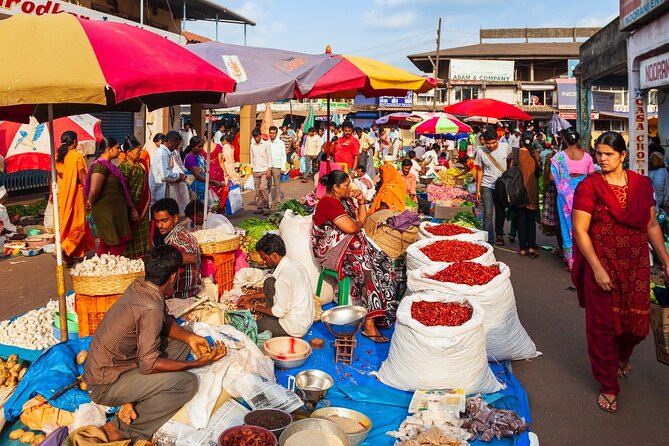
Khari Baoli is highlighted as the largest spice market in Asia. That scale changes your sense of the city. Instead of thinking of spices as a kitchen ingredient, you start thinking of spices as a supply chain: storage, sorting, blending, and selling at street level. Even if you’ve cooked with spices at home, this kind of place makes you understand how “spice” is actually experienced: smell first, then color, then heat.
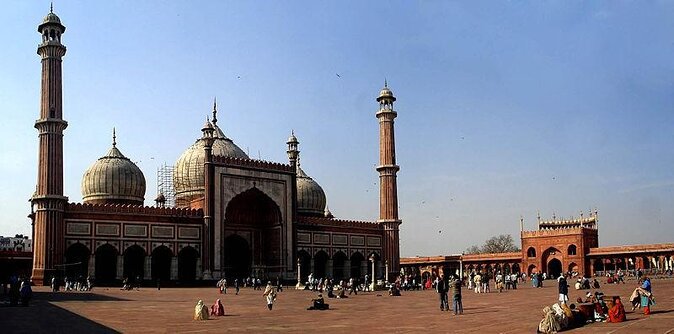
Jama Masjid is one of the big landmark moments. It’s the Friday Mosque, commissioned by the Mughal ruler Shah Jahan. You’ll spend about 30 minutes here, and while the stop is included, admission is not included. That’s your only extra budget note for the day—if you want to step inside.
What you’ll enjoy most here: the contrast. Old Delhi is intense and sensory; the mosque gives you structure and perspective. Your guide should help you connect architecture and daily life, which makes the landmark feel less like a photo stop.
Quick heads-up for planning: this part includes travel and walking. Wear layers. Delhi mornings can start cooler and then warm up fast.
Still hungry? More Old Delhi food crawls
Chandni Chowk Area: Pasar Chandni Chowk and a Taste of Crowd Life
After Khari Baoli, you’ll continue into the Chandni Chowk zone at Pasar Chandni Chowk. This segment is shorter—about 30 minutes—but it’s built for atmosphere and movement. You’ll learn more about the historic walled city, then use cycle rickshaws for longer distances and walk for short distances.
That mix is more than convenience. It’s the right approach in Old Delhi. If you try to do this area by foot only, you’ll slow down your whole day. If you do it only by vehicle, you lose the street-level impressions. The plan tries to balance both: enough walking to feel the neighborhood, enough rickshaw to keep you from getting stuck in the wrong lane at the wrong time.
In this zone, people-watching becomes part of the food experience. Markets aren’t just where you eat; they’re where you see how the city works—vendors, customers, delivery rhythms, and how quickly meals are made and served.
One more practical note: if you’re sensitive to smoke, dust, or strong food smells, this is where you might feel it most. The best strategy is simple: pace yourself, sip your packaged water, and don’t rush your breathing during peak crowd moments.
Gurudwara Bangla Sahib: A New Delhi Reset After Old Delhi Spice
Once Old Delhi is handled, you’ll shift gears into New Delhi. You’ll drive to Gurudwara Bangla Sahib, with about 40 minutes at this stop. Unlike the spice-market energy, this part tends to feel more open and reflective.
Gurudwara Bangla Sahib is part of the plan after Jama Masjid, and your guide will also talk about New Delhi attractions along the way. The information you have highlights a charitable kitchen feeding—an important reminder that food culture here isn’t only about street stalls. It can also be about service, community, and feeding people as a practice.
This stop works well for balance. If your stomach is full from parathas and chickpea curries, you’ll probably appreciate the change of pace. It’s a chance to walk slowly, take photos, and calm down your senses before you wrap the tour.
If you plan to dress respectfully, do it here—temple settings usually require it more than markets. The tour doesn’t list a specific dress code, so treat this as a “better safe than sorry” moment.
By the time the tour ends, you’ll have experienced Delhi food in two ways: as quick street satisfaction and as culturally rooted food service.
What’s Included (and Why It Matters on a Food Tour)
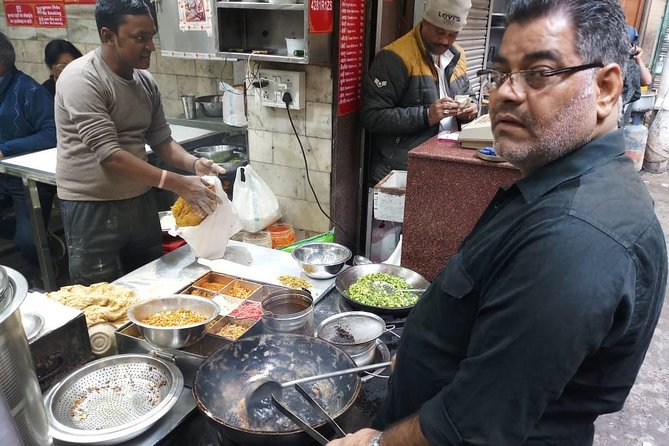
Here’s what’s included, and why it’s helpful rather than just a checklist:
- Hotel pickup and drop-off: avoids the Delhi logistics headache
- Tour guide: turns tastings into understanding
- Rickshaw ride: gives you the right kind of Old Delhi transport
- Private vehicle with chauffeur: useful for transitions and timing
- Food tasting, packaged water, snacks, taxes: keeps the budget predictable
The biggest value is the food tasting. A cheap tour can mean you pay extra for each bite. This one bakes tastings into the price, plus water and snacks so you’re not scrambling for hydration between stops.
You should also know what’s not included: anything not listed in inclusions. The one clear extra is that Jama Masjid admission is not included. If you plan to enter, budget for it.
Food Tour Etiquette That Helps You Get More Out of Every Stop
Food tours go better when you treat them like a guided class, not just a hunger contest. Here are a few rules that keep things smooth:
- Ask your guide what each bite is and how it’s usually eaten. That’s where the tastings become memorable.
- Tell them about dietary limits early. The tour style includes multiple foods, so you’ll get better adjustments if you speak up fast.
- Pace your tastings at paratha and curry stops so you don’t regret it later.
- Bring an open mind. Old Delhi street food can be spicy, saucy, and fried—part of the point.
And here’s a small note from the type of feedback that stands out: the best tours are led by guides who connect food to place. One piece of positive feedback called out a guide named Vivek for being informative about both food and the historic areas—exactly the skill you want when you’re walking through neighborhoods with stories in every corner.
Ratings and the One Thing That Can Go Wrong
This experience has strong overall feedback—an average rating of 4.7 and about 91% recommended. That’s a good sign that the route, pacing, and guide attention generally land well.
The drawback shows up in one specific way. On a public holiday, shops in markets can be closed, and that can reduce the number of tastings. The company can shift the visit, but closure is closure. If you’re traveling around Indian holidays, don’t assume every stall will be open.
My practical advice: if your dates fall on a major holiday, set expectations for a shorter tasting menu and still treat it as a guided walk through Delhi’s food geography. Even when the food count drops, a good guide can still give you meaningful context.
Who This Tour Fits Best
This tour fits best if you:
- Want Old Delhi street food without the stress of planning logistics
- Like guided explanations tied to places like Khari Baoli and Jama Masjid
- Enjoy trying multiple North Indian specialties in a single morning
- Prefer comfort and predictability with pickup, water, and a chauffeur-driven transition
It might be less ideal if you’re extremely sensitive to food intensity (spice/frying) or you’re traveling on a major holiday and expect a long list of tastings no matter what.
Should You Book This Delhi Food Tour?
I’d book it if you want a structured, guide-led introduction to Delhi’s food culture—especially Old Delhi—without spending hours figuring out where to go. The included pickup, rickshaw ride, and packaged water/snacks make it feel like a “real plan,” not just a walking route with a few samples.
I’d think twice if your main goal is a maximum number of tastings and your travel dates land on a public holiday. In that case, you can still have a great experience, but expect the tasting count to be more variable.
If you do book, do it with practical mindset: comfortable shoes, light expectations on holiday timing, and a willingness to try foods you might not order back home. That’s how you get the most out of a tour like this.
FAQ
How long is the Delhi food tour?
The tour runs about 5 to 6 hours.
What time does the tour start, and do I get pickup?
It starts at 9:00 AM or at your given pickup time, and hotel pickup and drop-off are included. Pickup can be from locations in Delhi/Noida/Gurugram.
How much does the tour cost?
The price is $129 per person.
What’s included in the price?
Included items are hotel pickup and drop-off, a rickshaw ride, the tour guide, a private vehicle with a personal chauffeur, food tasting, packaged water, snacks, and taxes.
Which places are part of the tour?
Stops include Chawri Bazaar, Kinari Bazar, Khari Baoli, Pasar Chandni Chowk, Jama Masjid, and Gurudwara Bangla Sahib. Jama Masjid is listed as a not-included admission stop.
Is the tour private?
Yes. It’s private, so only your group will participate.
Can I cancel and get a refund?
You can cancel up to 24 hours in advance for a full refund. If you cancel less than 24 hours before the start time, it isn’t refunded.
More Tour Reviews in New Delhi
- Old & New Delhi City Tour – Half or Full Day Options Available
★ 5.0 · 4,811 reviews - Half Day Private Delhi City Tour
★ 5.0 · 4,474 reviews - Same Day Taj Mahal, Agra Fort & Baby Taj Tour from Delhi by Car
★ 5.0 · 4,304 reviews - Taj Mahal Day Tour from Delhi by Superfast Train – TOP RATED TOUR
★ 5.0 · 4,166 reviews - Delhi: Old and New Delhi Private Full or Half-Day Tour
★ 4.9 · 3,776 reviews
Still Hungry in Old Delhi
- The Great Indian Food Tour: Old Delhi Food and Heritage Walk
★ 5.0 · 1,698 reviews - Old Delhi Food, Heritage&Cultural Walk with Rickshaw ride to Masterji Kee Haveli
★ 5.0 · 742 reviews - Old Delhi Street Food Tour
★ 5.0 · 497 reviews - Breakfast Walk in Old Delhi
★ 5.0 · 449 reviews - Delhi: Old Delhi Street Food Tour with Rickshaw Ride
★ 4.9 · 403 reviews
More of Old Delhi
- The Great Indian Food Tour: Old Delhi Food and Heritage Walk
★ 5.0 · 1,698 reviews - Old Delhi Food, Heritage&Cultural Walk with Rickshaw ride to Masterji Kee Haveli
★ 5.0 · 742 reviews - Old Delhi Bike Tour
★ 5.0 · 616 reviews - Old Delhi Street Food Tour
★ 5.0 · 497 reviews - Breakfast Walk in Old Delhi
★ 5.0 · 449 reviews
Just added: more New Delhi reviews to browse
- 4 days Golden Triangle Tour★ 5.0 · 3 reviews
- Discover Old & New Delhi: Private Tour with Street Food★ 5.0 · 3 reviews
- Taj Mahal Tour From Delhi By Private Car★ 4.5 · 3 reviews
- Golden Triangle Tour 5 Days★ 5.0 · 3 reviews
- Taj Mahal: Express Entry Ticket For Sunset Tour with guide★ 5.0 · 3 reviews
- Agra Taj Mahal Sunrise & Sunset Tour from Delhi★ 5.0 · 3 reviews
Old Delhi Food Tours, compared.
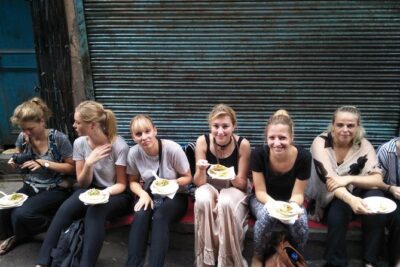 ★ 5.0The Great Indian Food Tour: Old Delhi Food and Heritage WalkFrom $431,698 reviews
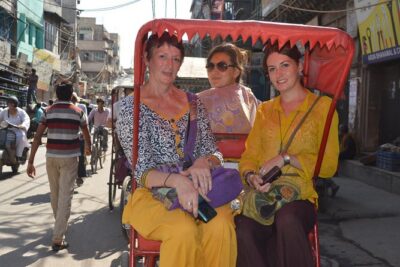 ★ 5.0Old Delhi Food, Heritage&Cultural Walk with Rickshaw ride to Masterji Kee HaveliFrom $52742 reviews
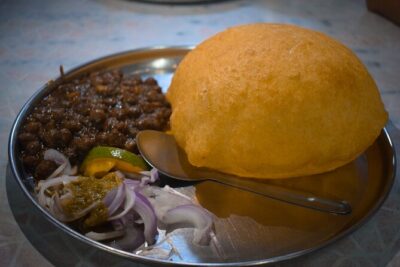 ★ 5.0Old Delhi Street Food TourFrom $40497 reviews
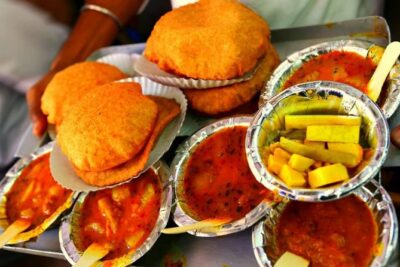 ★ 5.0Breakfast Walk in Old DelhiFrom $80449 reviews
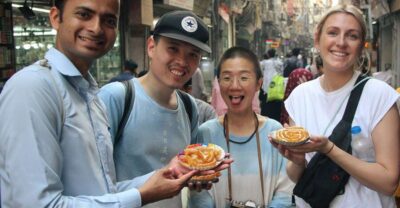 ★ 4.9Old Delhi Street Food Tour with Rickshaw RideFrom $43403 reviews
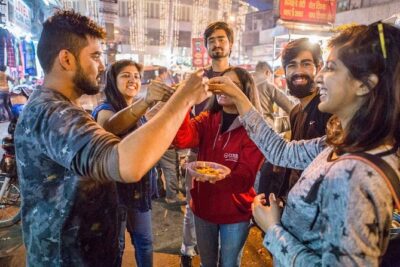 ★ 5.0Delhi Food Walk: Rickshaw Ride, Street Eats & Market TourFrom $40401 reviews
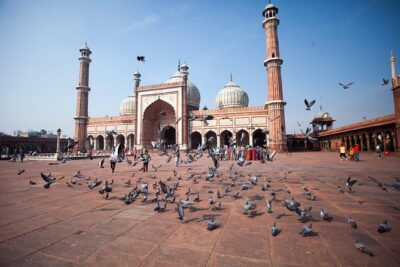 ★ 5.0Old Delhi Street Food Tour – Explore Spices in Chandni ChowkFrom $34334 reviews
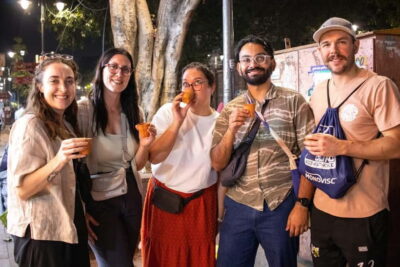 ★ 5.0Old Delhi Food Tour: A Night Time FeastFrom $38326 reviews
Browse the lists this tour appears in