
Reviewed · OLD DELHI FOOD TOURS
Delhi Food Walk: Rickshaw Ride, Street Eats & Market Tour
Street food is Delhi’s best guide. This 3-hour Kamla Nagar food walk stitches together temple visits, a cycle rickshaw ride, and bite-sized chaos in the best way—street stalls, market browsing, and an English-speaking guide who keeps you moving. I especially like the pacing: you sample iconic foods before you hit the deeper market snacks. I also like the small-group size (12 max), which makes it easier to ask questions and actually hear the story behind what you’re eating.
One possible drawback: you’ll be eating a lot in a short window. Come hungry, but start slow—this is closer to a food circuit than a gentle stroll.
In This Review
- Key Things I’d Plan Around
- How a Kamla Nagar Food Walk Gets You Local Faster
- The Price Makes Sense for the Amount You Eat
- Temple Stop and Quick Culture Reset (Before You Snack)
- Kamla Nagar Market: Shawarma and Fruit Beer Start Things Off
- Momo’s Point and the Case for Dumplings in Delhi
- Spark Mall Stop: Golgappa and the Crunch-Yogurt Combo
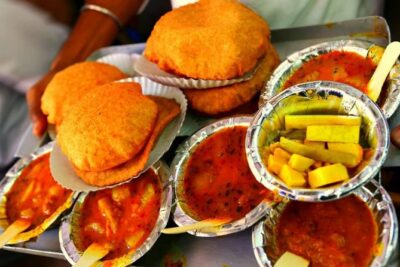
- Vaishnav Chaat Bhandar: Pav Bhaji and Chaat That Feel Like Classics
- Gopal Sweets Corner: Samosas Plus a Full Dessert Sweep
- How the Rickshaw Ride Changes the Feel of the Neighborhood
- Guide Style: English-Speaking, Local, and Focused
- Food Pacing: Plan Your Appetite Like a Pro
- Vegetarian Options and Non-Veg Choices
- Alcohol and Drinking Age: What You Need to Know
- What to Wear (So You Actually Enjoy the Walk)
- Who This Tour Fits Best
- Should You Book This Delhi Food Walk?
- FAQ
- How long is the Delhi Food Walk?
- Where is the meeting point and what time does it start?
- What food and drinks are included?
- Is vegetarian food available on the tour?
- Can kids join this tour?
- Is alcohol served, and is there an age restriction?
- Is free cancellation available?
Key Things I’d Plan Around
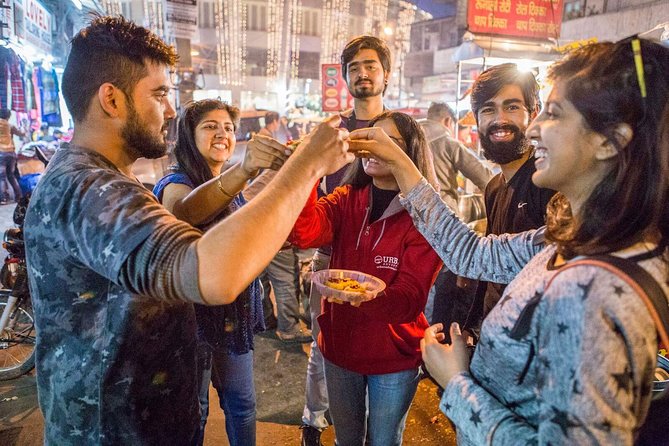
- Small group, capped at 12 for better timing and more time at each stall
- Cycle rickshaw + market walking, so you feel the neighborhood instead of just tasting in one area
- Temple stop first, which gives the route cultural context before the snacks start flying
- 9 street-food stops with both veg and non-veg options, plus fruit drinks and tea
- Sweet finale at Gopal Sweets Corner, where the dessert portion is not an afterthought
How a Kamla Nagar Food Walk Gets You Local Faster
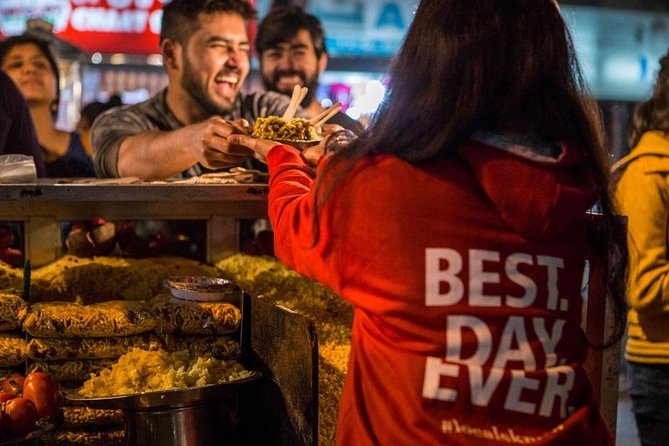
Delhi food tours work best when they do two things well: they save you from decision fatigue, and they help you understand what you’re seeing while you’re eating. This one does both.
You start in Kamla Nagar, a neighborhood where food is part of daily life, not a special event. From the first stop, the tour nudges you into the local rhythm: a quick visit to a Hindu temple dedicated to Hanuman, then straight into street-level eating. That sequence matters. If you show up hungry but you haven’t yet seen the cultural backdrop, it’s easy to treat everything like random snacks. Here, the temple stop helps you read the area with a bit more context before you switch into eat mode.
Still hungry? More Old Delhi food crawls

The Price Makes Sense for the Amount You Eat
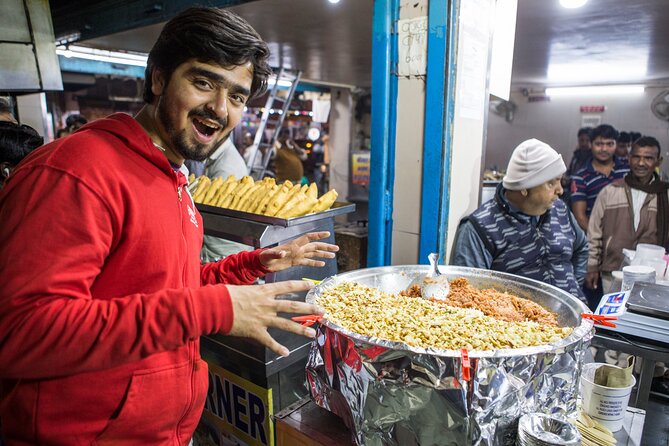
At about $40.03 per person for roughly 3 hours, this tour isn’t trying to be “cheap street food.” It’s priced like an experience: guided route, multiple tastings, non-alcoholic drinks, and the cycle rickshaw.
What makes the value feel real is the mix:
- You’re guided through a set route with stops planned for variety.
- You get a cycle rickshaw portion, which changes the feel of the neighborhood.
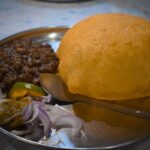
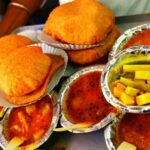
- You try a cluster of classic foods—shawarma with bold Indian spices, dumplings (momos), golgappa (crispy shells with spiced yogurt), chaat-style snacks, and a sweets finish.
If you’ve ever wandered a market and felt like you either (1) guessed wrong at the stall or (2) paid too much because you were unsure, this tour solves that. You’re paying for guidance and convenience, not just ingredients.
Temple Stop and Quick Culture Reset (Before You Snack)
The tour includes a visit to a Hanuman temple in Kamla Nagar. It’s a short stop—think around 10 minutes—but it sets the tone. Hanuman is a major figure in Hindu mythology, and this temple is treated as a real spiritual corner, not a tourist photo op.
If you care about travel that’s more than eating, this stop helps you slow down for a moment. You’ll also get a brief sense of why this area stays connected to routine worship while street food continues alongside it. It’s a good reminder that food culture in Delhi doesn’t exist in a vacuum.
Practical note: the tour notes a modest dress recommendation. You’ll do better with clothing that feels respectful and comfortable enough to walk.
Kamla Nagar Market: Shawarma and Fruit Beer Start Things Off
After the temple, the first true food hit is in the market. You try Delhi’s take on shawarma—grilled, spiced, and served with that “Indian flavor dial turned up” feeling. It’s not the same as shawarma you might find elsewhere, which is exactly the point of taking a guided route in Delhi.
Then comes a local drink: fruit beer. It’s described as non-alcoholic and lemon-based. So you get a cool, refreshing break between hot street snacks and the next round of items. For me, that matters because the tour can turn into one long flavor marathon if you don’t pace yourself.
Also pay attention to your pace here. The tour’s packed, and there’s a reason people talk about eating many dishes. If you rush the first couple of bites, later stops can feel like a challenge instead of a treat.
Momo’s Point and the Case for Dumplings in Delhi
Next up is a stop focused on momos—Delhi’s dumplings of choice, with both steamed veg and non-veg options depending on your preferences. The big win here is freshness and variety. Street dumplings are one of those foods that can be made well or poorly, so having a guide point you toward a reliable spot helps.
This is also where the tour style shines. You’re not just handed a sample and sent on your way. You’re walking, listening, and building an edible map of the neighborhood. By the time you reach the next crunchy snack stop, you’ll understand why the route alternates textures—steamed, crisp, saucy, sweet—so you don’t get stuck in one flavor track.
More of the city from the back of a rickshaw
Spark Mall Stop: Golgappa and the Crunch-Yogurt Combo
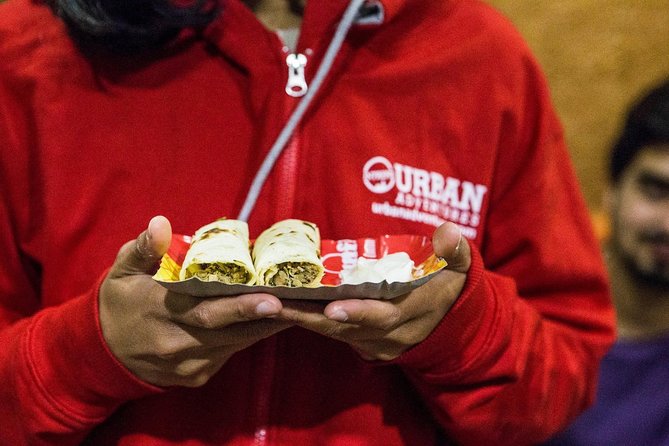
One of the most fun stops is golgappa, Delhi’s famous crispy shells filled with spiced yogurt—often described as a yogurt bomb. The concept sounds wild, but it works. The shell gives the crunch, and the filling gives tang and spice in one bite.
This stop also functions like a mini reset. You go from softer dumplings to something that requires eating with intention—quick, careful bites before the shell gets too soft. It’s a small skill test, and it adds energy to the walk.
If you’re the type who likes street food that’s interactive—something you actually do at the stall—this is a great moment.
Vaishnav Chaat Bhandar: Pav Bhaji and Chaat That Feel Like Classics
The tour includes a stop at Vaishnav Chaat Bhandar, described as one of the oldest and most beloved food joints in the market. The menu here leans into recognizable Indian street snacks: crispy potato chaat and buttery pav bhaji.
This stop matters because it’s not just about novelty. It’s about eating foods that locals treat like comfort. Pav bhaji is a classic for a reason—warm, spiced, and meant for spoon-and-bite rhythm. Potato chaat adds crunch and tang. Together, they give you a broader view of what “street snack” means in Delhi: hot, sauced, spicy, and designed to keep you moving.
If you’ve got even a mild interest in bhelpuri-style street flavors, this is where those tastes often click. People tend to rate bhel puri very highly on this kind of route, and this stop aligns with that same flavor world.
Gopal Sweets Corner: Samosas Plus a Full Dessert Sweep
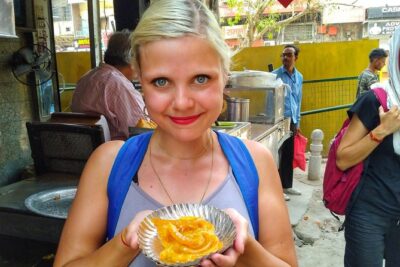
The final stretch is sweet—and it’s not shy about it. You’ll wrap up with a crispy samosa plus classic desserts like gulab jamun and jalebi.
Samosa first is smart. It gives you something savory right before the sugar wave. Then desserts arrive in a sequence that’s easy to enjoy in order: syrupy, fried, chewy—each with a different texture. It’s the kind of ending that feels like a finish line, not a random stop.
If you want to understand why Indian sweets are treated with so much care, this is a good place to pay attention to how each dessert behaves: how it shines with syrup, how it stays sticky, how sweetness carries different levels of spice.
How the Rickshaw Ride Changes the Feel of the Neighborhood
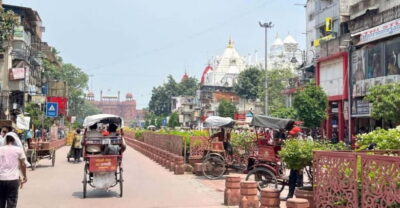
One of the standout elements here is the cycle rickshaw. It’s included as traditional local transportation, and it helps break up the walking-only rhythm.
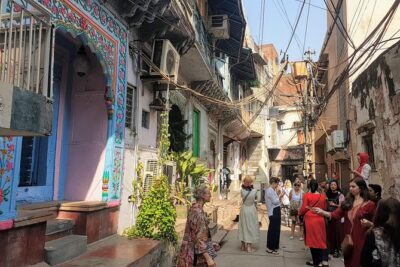
Walking in a market teaches you to watch. A rickshaw ride teaches you to notice flow—how people move between stalls, where queues form, and how food shows up as a constant, not a detour. It’s also just fun. Even if you’ve done city food walks before, swapping one segment of your route for a ride makes the whole thing feel more like exploring rather than checking items off a list.
Also, the tour is designed for smooth movement through the area. That’s important on a 3-hour schedule, when you want food without feeling rushed.
Guide Style: English-Speaking, Local, and Focused
This tour runs with a local English-speaking guide. That matters more than it sounds. When you can ask simple questions—What’s in this? Why this combination?—you get more than flavor. You get meaning.
In particular, guides like Tushar and Chetan are mentioned for being informative and good at keeping the experience friendly and safe while you’re eating street food. That vibe matters on a first Delhi day.
The best guides on food walks do three things well:
- they keep the schedule real (so you don’t waste time)
- they help you eat safely and confidently
- they explain enough that you taste with context
This tour is set up for that kind of guiding.
Food Pacing: Plan Your Appetite Like a Pro
This is a “lots of food” tour. The route can cover about nine street food spots, and you also get drinks like fruit beer (non-alcoholic) and masala tea. That’s a lot of bites for three hours, even if each stop is a sample.
My practical advice: go lighter on the meal right before. If you’ve just landed and you’re tired, expect the walking to feel like a marathon. One of the most common reasons people struggle on tours like this is not the food—it’s the schedule plus jet lag.
Start slow, sip between tastings, and don’t worry if you can’t finish every bite. Food tours aren’t tests. They’re tastings.
Vegetarian Options and Non-Veg Choices
The tour includes both vegetarian and non-vegetarian options. If you want vegetarian only, tell your guide at the start.
That’s important on a street-food route because menus can vary by stall. Having that choice built in means you’re not stuck eating around what you don’t want. You’ll still get variety: chaats, savory bites, dumplings, and sweets all fit into either track.
Alcohol and Drinking Age: What You Need to Know
Some stops include alcoholic drinks, and the legal drinking age in India is 18. Fruit beer on the tour is described as non-alcoholic, along with masala tea.
So if you’re traveling with teens or you simply prefer not to drink alcohol, you can still fully enjoy the tastings. Just be clear with your guide about what you want to avoid.
What to Wear (So You Actually Enjoy the Walk)
Wear comfortable walking shoes. You’ll be on your feet for a good portion of the tour.
Also dress modestly out of respect for local customs. It’s not about formality—it’s about keeping the vibe comfortable in and around a temple area and busy markets.
Who This Tour Fits Best
This Delhi food walk is a strong fit if:
- you’re short on time and want a structured way to taste multiple areas of Delhi street food
- you like street food but want help choosing stalls
- you want culture in the mix, not just food photos
It’s less ideal if you:
- hate eating multiple small portions back to back
- need a slow, low-walking pace
- get overwhelmed easily in crowded market streets
Should You Book This Delhi Food Walk?
I’d book it if you want a first-day Delhi food hit that feels guided but still street-level. The biggest reasons are simple: you eat a lot, you cover multiple classic flavors, and you get the rickshaw + temple combo that turns the route into more than a snack crawl.
If you’re worried about stamina, arrive hungry but not stuffed, pace your sips, and wear good shoes. If you’re traveling with kids, the tour explicitly allows children (ages 6–11 at the regular rate, under 6 free), and you can expect mild options like lemon drinks and sweets.
If you love street food and want to feel confident doing it in one tight, well-planned block of time, this is an easy yes.
FAQ
How long is the Delhi Food Walk?
It runs for about 3 hours.
Where is the meeting point and what time does it start?
You meet at Vishwavidyalaya, Delhi 110007, India, and the start time is 4:00 pm. The tour ends back at the meeting point.
What food and drinks are included?
The tour includes tastings at about 9 street food spots, with both vegetarian and non-vegetarian options (including items like shawarma and kulfi-falooda), plus fruit beer (non-alcoholic) and masala tea. You’ll also visit a Hindu temple and ride a cycle rickshaw.
Is vegetarian food available on the tour?
Yes. The tour offers both vegetarian and non-vegetarian choices, and you can request vegetarian options at the start.
Can kids join this tour?
Yes. Kids aged 6 to 11 can join at the regular rate, and children under 6 can join for free if you let the operator know in advance.
Is alcohol served, and is there an age restriction?
Some stops may include alcoholic drinks. The legal drinking age in India is 18. Fruit beer on the tour is described as non-alcoholic.
Is free cancellation available?
Yes, you can cancel for a full refund if you cancel at least 24 hours before the experience start time. If you cancel less than 24 hours before, the amount paid is not refunded.
More Tour Reviews in New Delhi
- Old & New Delhi City Tour – Half or Full Day Options Available
★ 5.0 · 4,811 reviews - Half Day Private Delhi City Tour
★ 5.0 · 4,474 reviews - Same Day Taj Mahal, Agra Fort & Baby Taj Tour from Delhi by Car
★ 5.0 · 4,304 reviews - Taj Mahal Day Tour from Delhi by Superfast Train – TOP RATED TOUR
★ 5.0 · 4,166 reviews - Delhi: Old and New Delhi Private Full or Half-Day Tour
★ 4.9 · 3,776 reviews
More Rides Through the Lanes
- Old Delhi Food, Heritage&Cultural Walk with Rickshaw ride to Masterji Kee Haveli
★ 5.0 · 742 reviews - Delhi: Old Delhi Street Food Tour with Rickshaw Ride
★ 4.9 · 403 reviews - Old Delhi: Private Tour of Chandni Chowk, Tuk Tuk & Food
★ 4.9 · 345 reviews - 3-hour Old Delhi Heritage Walking tour with Rickshaw Ride
★ 5.0 · 240 reviews - 3-Hour Old Delhi Heritage Walking tour with Rickshaw ride
★ 4.6 · 158 reviews
Still Hungry in Old Delhi
- The Great Indian Food Tour: Old Delhi Food and Heritage Walk
★ 5.0 · 1,698 reviews - Old Delhi Food, Heritage&Cultural Walk with Rickshaw ride to Masterji Kee Haveli
★ 5.0 · 742 reviews - Old Delhi Street Food Tour
★ 5.0 · 497 reviews - Breakfast Walk in Old Delhi
★ 5.0 · 449 reviews - Delhi: Old Delhi Street Food Tour with Rickshaw Ride
★ 4.9 · 403 reviews
Just added: more New Delhi reviews to browse
- 4 days Golden Triangle Tour★ 5.0 · 3 reviews
- Discover Old & New Delhi: Private Tour with Street Food★ 5.0 · 3 reviews
- Taj Mahal Tour From Delhi By Private Car★ 4.5 · 3 reviews
- Golden Triangle Tour 5 Days★ 5.0 · 3 reviews
- Taj Mahal: Express Entry Ticket For Sunset Tour with guide★ 5.0 · 3 reviews
- Agra Taj Mahal Sunrise & Sunset Tour from Delhi★ 5.0 · 3 reviews
Old Delhi Food Tours, compared.
 ★ 5.0The Great Indian Food Tour: Old Delhi Food and Heritage WalkFrom $431,698 reviews
 ★ 5.0Old Delhi Food, Heritage&Cultural Walk with Rickshaw ride to Masterji Kee HaveliFrom $52742 reviews
 ★ 5.0Old Delhi Street Food TourFrom $40497 reviews
 ★ 5.0Breakfast Walk in Old DelhiFrom $80449 reviews
 ★ 4.9Old Delhi Street Food Tour with Rickshaw RideFrom $43403 reviews
 ★ 5.0Old Delhi Street Food Tour – Explore Spices in Chandni ChowkFrom $34334 reviews
 ★ 5.0Old Delhi Food Tour: A Night Time FeastFrom $38326 reviews
 ★ 5.0Old Delhi Food-Spice Market-Temples Tour Soon Featured on NETFLIXFrom $49304 reviews
Browse the lists this tour appears in