
Reviewed · DELHI COOKING CLASSES
Delhi Kabul Cooking Class
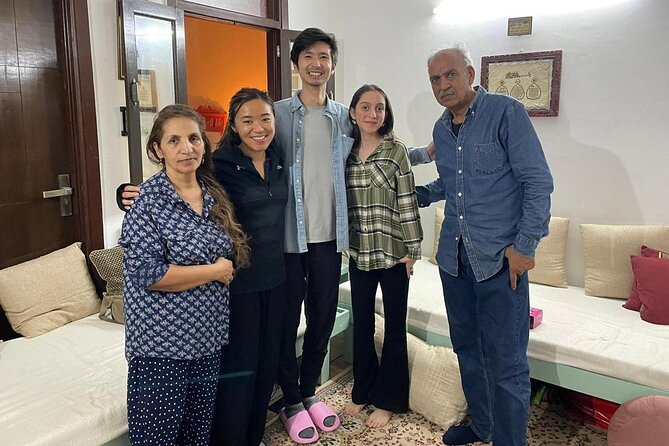
A home-cooked Indian-Afghan meal starts in a local market. This Delhi Kabul Cooking Class in Malviya Nagar turns a kitchen lesson into a private, tailored class, and I love that you start with a guided market visit to pick ingredients before you cook. Hosted by Faramarz’s family in the Hauz Rani area, it feels less like a show and more like being invited to the family table.
For a couple dishes, you might find the menu shifts with the season, and if you book as a single person, you get the basic menu without dessert—so plan for a meal, not a guaranteed sweet finish.
In This Review
- Key Highlights at a Glance
- Why Hauz Rani and an Afghan-Indian Kitchen Feels Like More Than Cooking
- Meeting Malviya Nagar Market: The Ingredient Hunt That Changes Everything
- The Private Class Format: How Tailored Teaching Works in Real Life
- What You’ll Cook: The Indian-Afghan Menu (and How It Tastes)
- Borani Banjan (Eggplant Curry): The Flavor Logic You Can Reuse
- Daal Fry: Your Shortcut to Comfort-Meal Skills
- Chicken Curry (Non-Vegetarian Option): A Practical Main Course
- Rice and Roti: The “Don’t Forget This Part” Lesson
- The Family Meal After Class: Eating What You Just Made
- Lunch vs Dinner: Choosing the Right Time Slot
- Price and Value: Why $52.90 Can Make Sense Here
- Practical Tips Before You Go (So You Get the Most Out of It)
- Who This Cooking Class Is Best For
- Should You Book? My Decision Guide
- FAQ
- What dishes are included in the basic menu?
- Is the class private?
- Do you get recipes after the class?
- Is there a vegetable market stop?
- Are lunch and dinner options available?
- How long is the cooking class?
Key Highlights at a Glance
- Malviya Nagar Market first: You shop for ingredients before the cooking starts
- Private instruction: The lesson is tailored to your comfort level
- Indian + Afghan dishes: You’ll cook items like Borani Banjan (eggplant curry) and daal fry
- Meet the family: Faramarz and his family (including hosts named Fara and Marjan in reviews) lead the experience
- Recipes after the class: You receive recipes after you cook
- Evening vegetable market visit: The local market portion is scheduled for evenings only
Why Hauz Rani and an Afghan-Indian Kitchen Feels Like More Than Cooking
South Delhi has a way of surprising you when you pay attention to neighborhoods, not just landmarks. In Hauz Rani, Malviya Nagar’s South Delhi pocket, Afghan refugees have helped shape everyday food and community life. That’s exactly the tone you get here: food that reflects real migration, real adaptation, and real people feeding people.
What makes this class interesting isn’t only that you’ll learn recipes. It’s that the learning happens inside a home setting, with instruction aimed at you specifically. A private format means you can move at your pace, ask practical questions, and focus on technique instead of rushing with a big group.
I also like that the menu leans both Indian and Afghan, not just “Indian food with one Afghan dish.” The included dishes are designed to let you taste the overlap—how flavors and cooking styles travel and remix.
More kitchens to get your hands into



Meeting Malviya Nagar Market: The Ingredient Hunt That Changes Everything
You’ll start at Malviya Nagar Market, at the Old Market area in Block C. From there, you head out for a guided vegetable market visit in the evenings only. That schedule matters, because if you choose a time earlier in the day, you might miss the market component.
The practical value of starting in the market is huge. In a cooking class that begins in a kitchen, you often watch ingredients appear with no story behind them. Here, you’re more likely to understand what you’re buying and why it matters—how fresh produce affects texture, and how small differences in ingredients change the final dish.
Even if you’re not a “market person,” this part helps you later. When you cook at home, you won’t just remember a recipe name. You’ll remember the ingredient logic: what needs to be selected carefully and what you can treat more flexibly.
The Private Class Format: How Tailored Teaching Works in Real Life
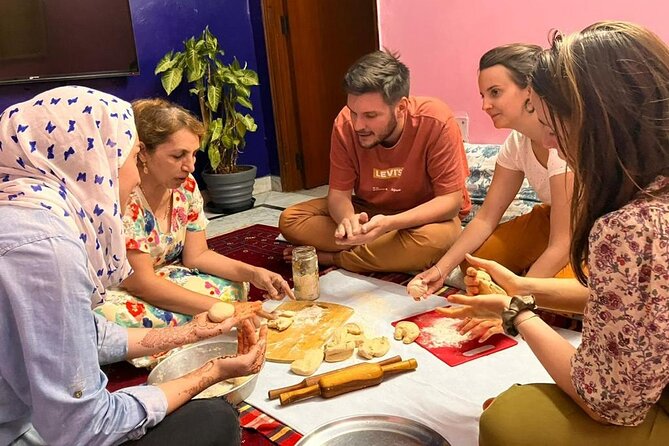
The cooking lesson is private, meaning only your group participates. That sounds like a marketing line, but it matters because kitchen confidence is personal. Some people want fast steps and firm directions. Others need time to understand chopping, stirring, and timing. This class is built around your comfort level.
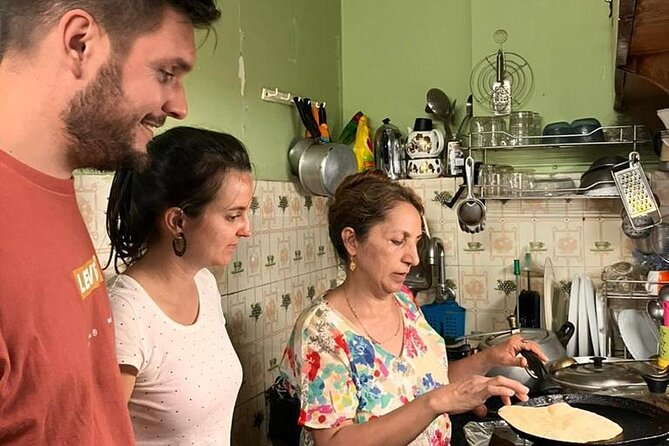
Your hosts lead the cooking, and the family element is more than decoration. In reviews, guests mention warm, direct welcome and conversations with the family members involved in the meal. If you’re nervous about cooking in a foreign country, this kind of family-led teaching can reduce the pressure fast.
Expect a hands-on experience: you’ll cook, not just watch. It’s also designed so you finish with what you make. That alone changes the value equation: you’re not paying for instruction that ends when the class ends. You’re paying for a full cycle—buy ingredients, cook steps, and eat the result at the table.
What You’ll Cook: The Indian-Afghan Menu (and How It Tastes)
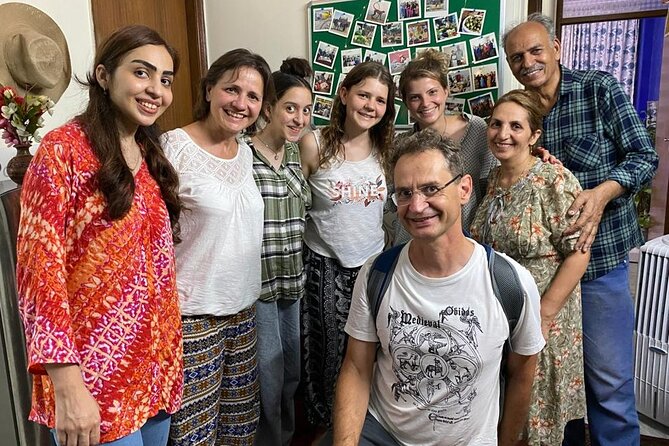
The menu can change based on seasonal and market availability, so don’t lock your expectations to one exact lineup. That said, the basic menu is clearly defined and it’s a strong way to learn foundational flavors.
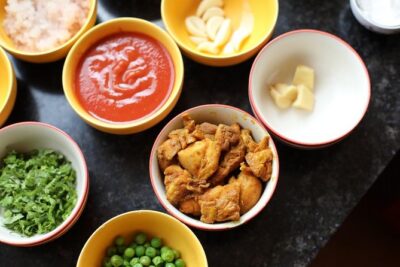
Here’s what the basic menu includes:
- Tea
- Bangan Curry (Borani Banjan) – an eggplant dish with Afghan-Indian flavor mix
- Daal Fry – lentil dish
- Chicken Curry (for non-vegetarian)
- White rice
- Roti – chapati
Let’s translate that into what you’ll actually learn.
Borani Banjan (Eggplant Curry): The Flavor Logic You Can Reuse
Eggplant is one of those ingredients where technique matters. You can end up with bitter, watery eggplant—or you can get a soft, savory curry base that soaks up spices.
In a class that includes Borani Banjan, you get practice with how to treat eggplant so it works in a curry style shared across regions. Because this is explicitly described as an Afghan-and-Indian mix, you’re tasting the overlap rather than comparing two completely separate cuisines.
More aprons-on afternoons in New Delhi
Daal Fry: Your Shortcut to Comfort-Meal Skills
If you can cook lentils well, you can build meals fast. Daal fry teaches you the steady skills: managing spices, controlling liquid, and getting the texture right without overcooking the lentils into mush.
This dish also pairs naturally with roti and rice, so it won’t feel like a one-off lesson. It’s the kind of recipe that’s easier to repeat at home than something overly complicated.
Chicken Curry (Non-Vegetarian Option): A Practical Main Course
If you’re eating chicken, this is your centerpiece. Even though you’re learning an international-style curry, the core value is practical: you’ll take away a method for building sauce flavor and finishing with rice and roti.
If you’re vegetarian, you should still feel covered because the basic menu clearly includes eggplant curry and daal. What’s not stated is whether a full vegetarian swap is guaranteed in every menu variation, so if that matters, you’ll want to confirm when booking.
Rice and Roti: The “Don’t Forget This Part” Lesson
Rice and roti sound basic—until you realize a home-cooked meal is only as good as its simple supports. You’ll learn how the dishes fit together on the plate: daal and curry with rice, and curry with roti.
One quiet benefit: when you recreate this at home, you’ll know what to pair with what, instead of treating each recipe separately.
The Family Meal After Class: Eating What You Just Made
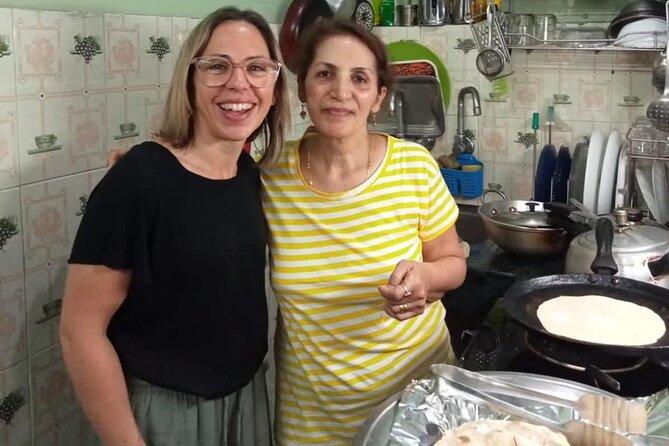
After the lesson, you and your hosts sit down and dine on your creations. That’s a big deal. Cooking classes where you don’t eat what you make tend to feel transactional. Here, the meal is part of the program’s core rhythm.
In reviews, guests highlight the warmth of being welcomed into the home and enjoying the food together. People also mention meeting parents and daughters, which tells you this is truly family-centered rather than a “host has a kitchen but not a home” setup.
This meal time is also when you can pick up small, high-value tips. Even if instruction was already given clearly, eating the dish while it’s fresh often helps you understand what “done” looks like—thickness, aroma, texture, and balance.
Lunch vs Dinner: Choosing the Right Time Slot
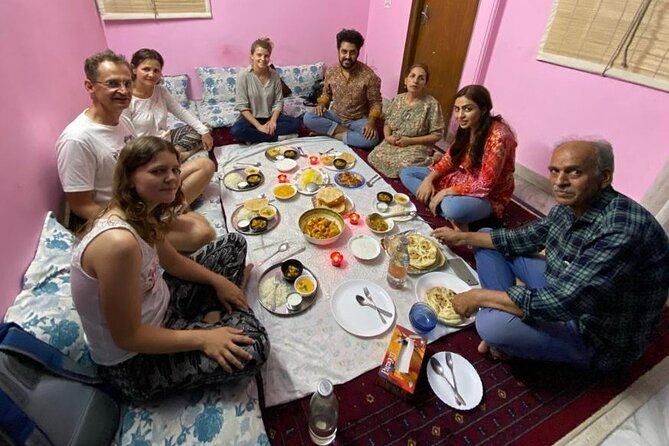
You’ll see that lunch and dinner options are available. The market visit is described as evenngs only, so your choice affects whether you get the ingredient-hunt portion.
If you prefer a more complete arc—market shopping plus cooking plus shared meal—lean toward the evening slot that includes the vegetable market visit. If you just want the cooking and meal without the market walk, lunch may be a better fit.
The whole experience runs about 3 hours, which is also a realistic window for a class plus eating. It won’t eat your whole day, but you should still treat it like a main event meal rather than a quick activity.
Price and Value: Why $52.90 Can Make Sense Here
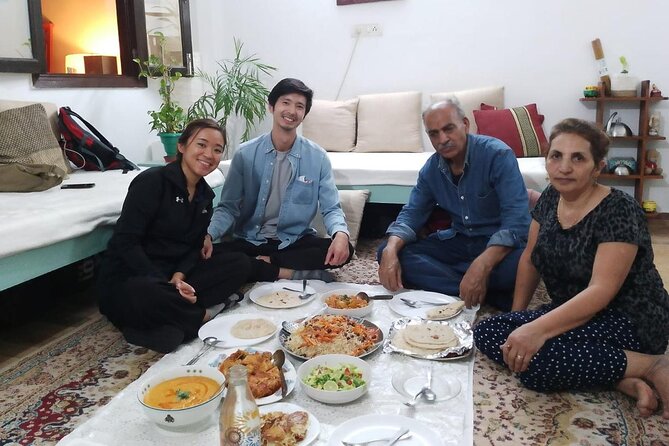
At $52.90 per person for an approximately 3-hour private cooking class, you’re paying for more than recipes. You’re paying for:
- Private instruction, not a shared group format
- A guided start at Malviya Nagar Market (evenings only)
- A full meal built from the dishes you cook
- Recipes provided after the class
If you compare this to “watch and taste” cooking tours, the difference is the work you do. You’re actively preparing the dishes, then eating them. That’s why the price can feel reasonable even if you’re used to cheaper shared classes.
There’s also the value of home-based teaching. You’re not only learning spice combinations—you’re learning how a household builds meals. That shows up in how the food is served, how timing works, and how the dishes relate to each other on one table.
For solo bookings, remember the dessert note: single-person bookings are said to include the basic menu without dessert. It’s not a deal-breaker, but it’s a factor when you compare value to group bookings.
Practical Tips Before You Go (So You Get the Most Out of It)

A few practical points will help you make the experience smooth.
- Arrive hungry. The schedule ends with a sit-down meal, so don’t plan an early snack right beforehand.
- Expect a menu that may change. Seasonal and market availability can shift what’s on the board, so keep your focus on learning methods rather than memorizing an exact list.
- Plan for evening market time if that’s your goal. The guided vegetable market visit is evenings only.
- Use the private format. If you like learning by asking questions, this setup gives you the space to do that.
- Confirm dietary needs if you’re vegetarian. The basic menu includes key vegetarian items (eggplant curry and daal), but the chicken curry is specifically for non-vegetarian, so check how swaps work with your exact menu.
Also, since it’s described as near public transportation and you’ll receive a mobile ticket, it should be easier to manage than a location that’s hard to reach. Still, give yourself a little buffer at the meeting point in Malviya Nagar Market.
Who This Cooking Class Is Best For
This is a strong fit if you want food that carries a sense of place. You’ll enjoy it most if you like:
- learning through hands-on cooking
- meeting real people in their home setting
- trying the Afghan-Indian overlap instead of sticking to one cuisine only
- leaving with recipes you can actually use later
It may be less ideal if you want a purely museum-style cultural tour. This is fundamentally about making and eating food. The cultural context is present, but the focus stays on the kitchen.
If you’re cooking-curious but nervous, the private instruction and family-led atmosphere can help you feel comfortable quickly. If you already cook a lot and want advanced technique, you might still learn something new through how these dishes are built and served—but the experience is designed for approachable learning.
Should You Book? My Decision Guide
Book this class if you want a real home-meal experience with a meaningful ingredient start. I’d choose it when you care about technique, you like learning from local families, and you want the payoff of eating what you cooked.
I’d think twice if you’re very schedule-sensitive about the market portion, since the vegetable market visit is evenings only. And if you’re booking solo and dessert matters to you, know that the basic menu is provided without dessert for single-person bookings.
If your goal is to take home both recipes and a story that feels human—market to kitchen to table—this is the kind of experience that tends to stick with you longer than a standard tour.
FAQ
What dishes are included in the basic menu?
The basic menu includes tea, Bangan Curry (Borani Banjan) with eggplant, daal fry, chicken curry for non-vegetarian bookings, white rice, and roti (chapati). The menu can change based on seasonal and market availability.
Is the class private?
Yes. It’s a private tour/activity, and only your group participates.
Do you get recipes after the class?
Yes. Recipes are sent to you after the class.
Is there a vegetable market stop?
There is a guided vegetable market visit at the start, and it’s described as evenings only.
Are lunch and dinner options available?
Yes, both lunch and dinner options are available.
How long is the cooking class?
It’s approximately 3 hours.
More New Delhi Cooking Classes
- Five Course Cooking Class & Meal
★ 5.0 · 250 reviews - Veg and Non veg : Private Cooking Class in Delhi home (7 meal)
★ 5.0 · 226 reviews - Indian Cooking Class in an Authentic Local Home – Learn 6 Dishes
★ 5.0 · 195 reviews - Delhi: AI Cooking Class and Much More in a Local Family Home
★ 5.0 · 85 reviews - New Delhi: Indian Cooking Class in a Local Home
★ 5.0 · 65 reviews
More Tour Reviews in New Delhi
- Old & New Delhi City Tour – Half or Full Day Options Available
★ 5.0 · 4,811 reviews - Half Day Private Delhi City Tour
★ 5.0 · 4,474 reviews - Same Day Taj Mahal, Agra Fort & Baby Taj Tour from Delhi by Car
★ 5.0 · 4,304 reviews - Taj Mahal Day Tour from Delhi by Superfast Train – TOP RATED TOUR
★ 5.0 · 4,166 reviews - Delhi: Old and New Delhi Private Full or Half-Day Tour
★ 4.9 · 3,776 reviews
Back in the Kitchen: Delhi Cooking
- Five Course Cooking Class & Meal
★ 5.0 · 250 reviews - AI Tour – Cook, Talk, Dine & more with locals at their Delhi Home
★ 5.0 · 238 reviews - Veg and Non veg : Private Cooking Class in Delhi home (7 meal)
★ 5.0 · 226 reviews - Indian Cooking Class in an Authentic Local Home – Learn 6 Dishes
★ 5.0 · 195 reviews - Delhi: AI Cooking Class and Much More in a Local Family Home
★ 5.0 · 85 reviews
Just added: more New Delhi reviews to browse
- 4 days Golden Triangle Tour★ 5.0 · 3 reviews
- Discover Old & New Delhi: Private Tour with Street Food★ 5.0 · 3 reviews
- Taj Mahal Tour From Delhi By Private Car★ 4.5 · 3 reviews
- Golden Triangle Tour 5 Days★ 5.0 · 3 reviews
- Taj Mahal: Express Entry Ticket For Sunset Tour with guide★ 5.0 · 3 reviews
- Agra Taj Mahal Sunrise & Sunset Tour from Delhi★ 5.0 · 3 reviews
Delhi Cooking Classes, compared.
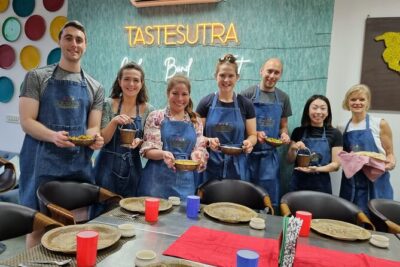 ★ 5.0Five Course Cooking Class & MealFrom $60250 reviews
 ★ 5.0AI Tour – Cook, Talk, Dine & more with locals at their Delhi HomeFrom $44238 reviews
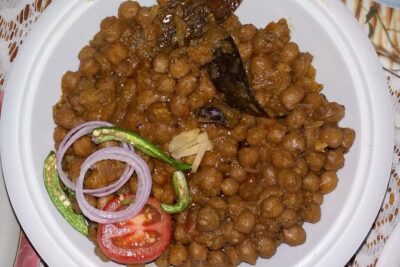 ★ 5.0Veg and Non veg : Private Cooking Class in Delhi home (7 meal)From $47226 reviews
 ★ 5.0Indian Cooking Class in an Authentic Local Home – Learn 6 DishesFrom $50195 reviews
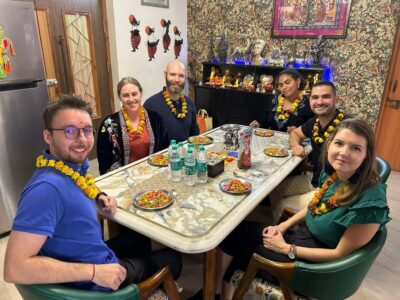 ★ 5.0AI Cooking Class and Much More in a Local Family HomeFrom $4085 reviews
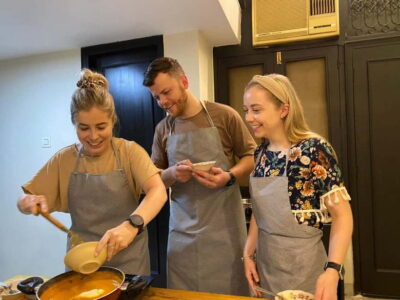 ★ 5.0Indian Cooking Class in a Local HomeFrom $4765 reviews
 ★ 5.0Spice Knight (Cooking Class -> Meal -> Local Market walk)From $8559 reviews
 ★ 5.0Vegetarian : Private Cooking Class in Delhi home ( Learn 7 meal)From $4758 reviews
Browse the lists this tour appears in