
Reviewed · DELHI COOKING CLASSES
Indian Cooking Class in an Authentic Local Home – Learn 6 Dishes
Cooking in a real Delhi home beats restaurants.
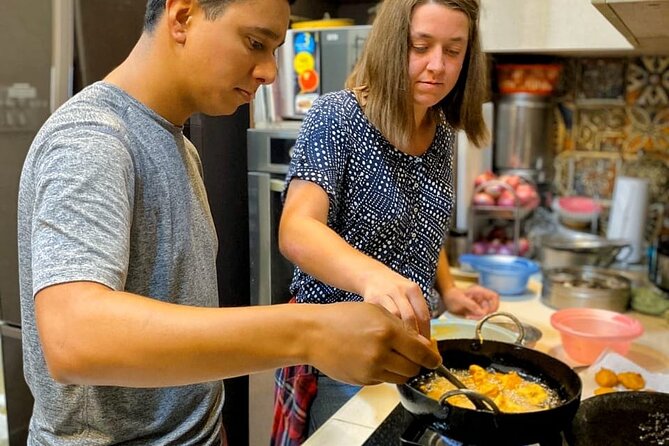
This small-group Indian cooking class takes place in a family kitchen in Greater Kailash, where the lessons come from traditional, passed-down methods and spice knowledge. You cook a full spread—main, rice, bread, and dessert—then sit down together as a family-style finish.
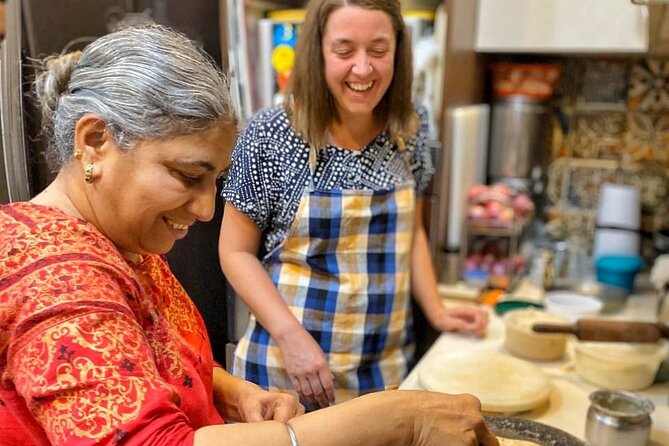
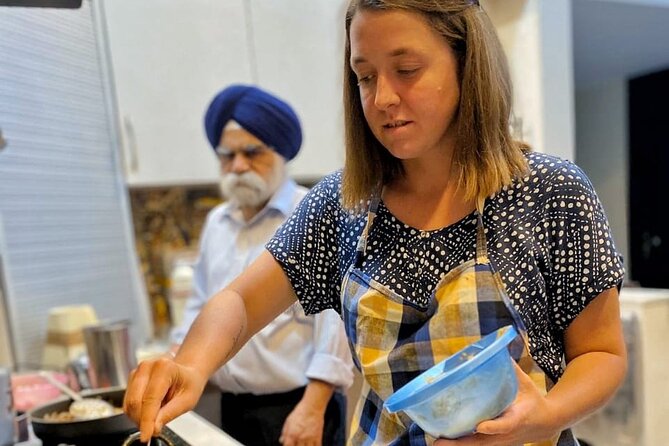
I especially like the hands-on pace and the way JD and his dad, Jandeep, teach technique step by step instead of turning it into a lecture. I also like that the class is built around eating the food you made: lunch and dinner are included, along with tea/coffee and bottled water.
One consideration: this is real home cooking, so if you’re very sensitive to spice or have strict dietary needs, you’ll want to flag your preferences ahead of time. Also note it runs as a small-group session and depends on good weather.
In This Review
- Key things to know before you go
- A New Delhi cooking class in a Greater Kailash family home
- What you’ll cook: six dishes and the spice logic behind them
- The 2.5-hour flow: from welcome to your final bite
- Hands-on cooking with JD and Jandeep: what you actually practice
- Bread and rice technique: bases you can reuse at home
- Dessert and the family-style finish in the dining room
- Price and value: why $50.22 can be a deal
- Who this class suits best (and who might want a different format)
- Practical tips for your day at the home kitchen
- Should you book this Indian cooking class in New Delhi?
- FAQ
- What is the duration of the Indian cooking class?
- Where does the class start and where does it end?
- How many dishes will I learn?
- Is the class vegetarian-friendly?
- How big is the group?
- What’s included in the price?
- Is the home kitchen comfortable to use?
- Do I get a mobile ticket?
- Do I need good weather?
- What is the cancellation timing?
Key things to know before you go
- A max-small group vibe: the class is capped at up to 8 in the experience description, and the activity notes a maximum of 10.
- Six dishes in one afternoon: you’ll work toward a full meal set, not just one recipe.
- Spices first, always: the instruction focuses on how ingredients and spices shape flavor and aroma.
- Family-table ending: you’ll share what you cook together, with cultural talk at the table.
- Comfortable home setup: the space is air-conditioned and has restroom facilities.
- Local, easy-to-find meeting point: it starts at R-142 Gk-1 Bindra’s House in Greater Kailash-1.
A New Delhi cooking class in a Greater Kailash family home
If you’re staying in New Delhi and want something more personal than a restaurant meal, this class hits the sweet spot. The meeting point is in Greater Kailash-1 at R-142 Gk-1 Bindra’s House, a residential area that feels calmer than the busy city center. You’re also told it’s near public transportation, which matters when you’re tired and carrying a camera.
Once you arrive, the setting is the point. This is not a polished cooking school with strangers in matching aprons. It’s a real home kitchen—cozier, more lived-in, and more forgiving if you’re new to Indian cooking. The kitchen is air-conditioned, and you’ll have restroom facilities available, so you don’t start the class already feeling drained.
Because the group stays small, you get more than “watch and hope.” You’ll have time to ask questions and adjust your technique on the fly. And if you’re traveling solo, this type of host-led home experience can feel easier to navigate than activities where you’re paired with different groups every step of the way.
More kitchens to get your hands into



What you’ll cook: six dishes and the spice logic behind them
The class is designed as a full-meal learning experience. The structure is aimed at helping you understand how Indian dishes are built, starting from ingredients and spices—not just copying a final result.
You’ll work on a complete spread that includes:
- a main dish
- a rice dish
- bread (the class description mentions multiple types, and you’re taught bread techniques that can branch into variations)
- a dessert
The exact lineup can vary by session, but you should expect the cooking to cover North Indian-style staples like curry-style mains and dal-style dishes, plus bread work like pratha. One common ender in this class is a dessert similar to rice pudding, and the tea often centers on masala chai.
Here’s why that matters for you: if you only learn one recipe, you can still end up stuck when you try to cook again. This class is teaching a system. You’re learning how spices interact with each other, what changes when you toast or temper them, and how basic methods create very different flavors. It’s the kind of knowledge that helps you cook an Indian meal at home without needing to constantly guess.
You’ll also get the cultural context that goes with the food. The focus is on how traditional family methods—passed down through generations, described through the host’s grandmother’s approach—create repeatable results.
The 2.5-hour flow: from welcome to your final bite
The time is short enough that it stays energetic: about 2 hours 30 minutes. The structure usually moves like this:
1) Arrive and settle in
You’ll start at the home meeting point and get welcomed into the household setup. Many hosts begin with tea and small snacks, so you’re not trying to learn spices on an empty stomach.
2) Spice and technique orientation
Before the stove gets busy, you’ll get explanation about spices, flavor goals, and why certain steps come first. This is where the class earns its value. Indian cooking can feel intimidating because spice names alone are a lot. The way it’s taught here is meant to turn that into practical decisions.
3) Cooking stations and hands-on work
You won’t spend the whole time watching. The class is hands-on, with focused prep and cooking steps. One thing you’ll likely notice early: you spend less time doing tedious chopping and more time learning actual method—how the pan behaves, how dough should feel, and when to adjust.
4) Bread work and rice base building
Bread and rice are taught as foundations. You’ll learn how to start correctly so you can build variations later, not just “make one loaf and leave.” Expect instruction on shaping and cooking bread types like pratha, plus a rice dish built from a reliable base.
5) Dessert finishing
The dessert portion gives you a satisfying close—often something creamy and comforting, like rice pudding. It’s also a good chance to see how sweetness and spice balance without the heavy restaurant shortcuts.
6) Eat together at the end
This class doesn’t end when the last pan is cleaned. You come together as a small group and savor the dishes, with lively discussion at the table. That part is surprisingly memorable. Food tastes better when you understand it, but it also tastes better when you share it.
Hands-on cooking with JD and Jandeep: what you actually practice
The best part of this experience is the teaching style. JD and his dad, Jandeep, are described as patient and welcoming, and the focus is on making the cooking steps feel doable. That’s important because Indian cooking often has a reputation for being complicated. This class aims to remove that fear fast.
In practice, you’ll likely work through:
- spice preparation and layering, including how to use spice blends for aroma and depth
- cooking the main dish and dal-style elements, with attention to timing and how flavors develop
- bread steps where technique beats shortcuts—especially when you’re learning dough handling and pan-cooking method
- rice cooking taught as a base you can reuse for future variations
One practical upside: the class tends to avoid wasting time on tasks that don’t teach much. That means more time on the steps that actually change the final result.
Also, because you’re in a home kitchen, you get a sense of workflow—how ingredients are organized, what’s kept ready, and how the host keeps everything moving without chaos. You’re not just learning recipes. You’re learning how a real kitchen functions.
Bread and rice technique: bases you can reuse at home
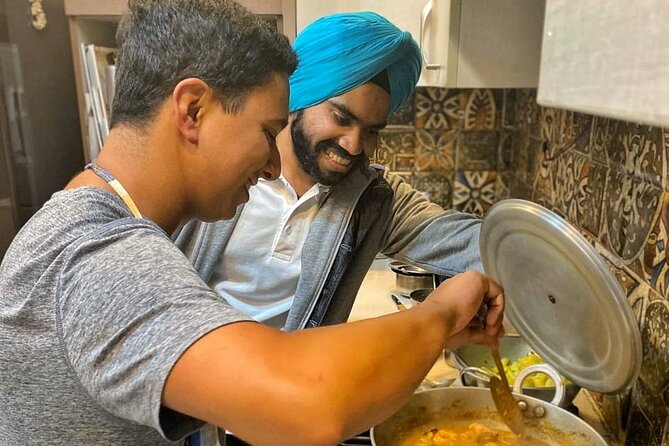
If you want to get real value from a cooking class, you need repeatable skills. This one is built around foundations—especially bread and rice.
The bread lesson isn’t only about making one item. You’re taught a base approach for bread that can become many variants. That matters when you go back home and realize you don’t want to cook the same thing every time. Knowing the base process helps you adapt to what you can find in your local grocery store.
For rice, the same idea applies. You’ll learn a reliable approach for building the rice dish, so it isn’t just a one-time win. A big part of Indian cooking is how rice and curry interact on the plate. When you learn the rice base correctly, everything else tastes better and feels more “restaurant-style,” without the restaurant price.
And yes, you’ll actually get to taste and adjust in real time. The class includes meals at the end, so your learning has instant feedback.
More aprons-on afternoons in New Delhi
Dessert and the family-style finish in the dining room
Dessert is more than a sweet ender here. It’s part of the lesson because it shows how Indian cooking manages contrast—warm spices, creamy textures, and just enough sweetness without feeling heavy.
A dessert like rice pudding is commonly mentioned in this class, and it makes sense because it teaches a controlled, comforting method: slow cooking, texture watching, and balancing flavors so the sweetness doesn’t flatten everything else.
Then you sit down together for the family-style meal. This is when cultural conversation happens naturally. The hosts talk about the dishes, their meaning, and how the techniques connect to tradition. You’re not forced into a formal lecture. It’s more like dinner with people who actually cook.
Price and value: why $50.22 can be a deal
At $50.22 per person, you might wonder if this is just a fun activity. Here’s why it can be strong value.
You’re not only getting a cooking session. The class includes:
- lunch
- dinner
- coffee and/or tea
- bottled water
You’re also learning multiple recipes through hands-on time in a home kitchen. For many people, that’s the real cost saver—buying spices and ingredients individually can add up fast, and you don’t always know what you’re buying for. A structured lesson helps you understand which spices matter and how to use them.
Add in the small-group size and the host attention you get, and the price starts to make sense. This is closer to a “learn and eat” experience than a ticketed workshop.
One more practical value detail: the class offers mobile ticket convenience, and you’ll receive confirmation at booking. That reduces the stress of showing up on time and finding the right place in New Delhi.
Who this class suits best (and who might want a different format)
This cooking class is ideal if you:
- want hands-on cooking time, not just watching
- like food that uses spices with purpose, not just heat
- want a small group experience where you can actually talk to your hosts
- enjoy learning culture through what people actually cook at home
It also works well for solo travelers because the setup is host-centered and comfortable. You’re not wandering around looking for conversation. You cook, you eat, and you get explanations in a real social setting.
You might consider a different option if you:
- want an English-only, scripted program with zero food surprises
- dislike cooking in a shared home kitchen environment
- have very specific dietary needs and want a menu guarantee (the class does note vegetarian and non-veg options, but details can vary by day)
Practical tips for your day at the home kitchen
These are small things, but they make the difference between a good class and a great one.
Plan for real cooking
Wear comfortable clothes you don’t mind getting a little smell on. Spices stick around. You’ll be working close to heat and ingredients.
Go in hungry
You’re going to cook multiple parts and then eat the results. Being hungry makes the experience more fun, and it helps you taste what the hosts describe as you go.
Bring a quick note about your dietary preferences
The class mentions vegetarian and non-veg options. If you have preferences, tell the operator or your host clearly at booking. That helps the kitchen plan your meal set.
Arrive near the start time
The meeting point is specific (R-142 Gk-1 Bindra’s House). With a residential pickup and a small group, punctuality keeps things smooth.
Weather matters
The activity requires good weather. If your day is rainy, you’ll want to be ready for a possible date change.
Should you book this Indian cooking class in New Delhi?
If your idea of a great New Delhi experience includes learning something you can actually repeat at home, I think this is a smart booking. The strong points are the small group, the spice-focused teaching, and the fact that you eat a full meal you helped cook in a real family setting. For the price, it’s not just instruction—it’s food, time with hosts, and recipe knowledge you can use again.
Book it if you want hands-on North Indian cooking foundations—especially bread and rice techniques—and you like the idea of closing your day with a family-style meal. Pass if you want a big-city restaurant vibe, or if you need strict menu certainty without questions.
If you’re even slightly curious about learning Indian cooking beyond “how it tastes,” this class is the kind of experience that gives you a real takeaway.
FAQ
What is the duration of the Indian cooking class?
It runs for about 2 hours 30 minutes.
Where does the class start and where does it end?
The meeting point is R-142 Gk-1 Bindra’s House, Greater Kailash-1, Block R, part-1, New Delhi. The activity ends back at the meeting point.
How many dishes will I learn?
The experience is described as learning 6 dishes, and the meal you cook includes a main dish, a rice dish, bread, and a dessert.
Is the class vegetarian-friendly?
Yes. The experience mentions both vegetarian and non-veg options.
How big is the group?
The experience describes an intimate group with a maximum of 8. The additional info also states a maximum of 10 travelers.
What’s included in the price?
Lunch, dinner, coffee and/or tea, and bottled water are included. Gratuity is not included.
Is the home kitchen comfortable to use?
The space is described as fully air-conditioned and with restroom facilities available.
Do I get a mobile ticket?
Yes, the tour features a mobile ticket.
Do I need good weather?
Yes. The experience requires good weather, and if it’s canceled due to poor weather, you’ll be offered a different date or a full refund.
What is the cancellation timing?
You can cancel up to 24 hours in advance for a full refund. Within 24 hours of the start time, the amount paid is not refunded.
More New Delhi Cooking Classes
- Five Course Cooking Class & Meal
★ 5.0 · 250 reviews - Veg and Non veg : Private Cooking Class in Delhi home (7 meal)
★ 5.0 · 226 reviews - Delhi: AI Cooking Class and Much More in a Local Family Home
★ 5.0 · 85 reviews - New Delhi: Indian Cooking Class in a Local Home
★ 5.0 · 65 reviews - Spice Knight (Cooking Class -> Meal -> Local Market walk)
★ 5.0 · 59 reviews
More Tour Reviews in New Delhi
- Old & New Delhi City Tour – Half or Full Day Options Available
★ 5.0 · 4,811 reviews - Half Day Private Delhi City Tour
★ 5.0 · 4,474 reviews - Same Day Taj Mahal, Agra Fort & Baby Taj Tour from Delhi by Car
★ 5.0 · 4,304 reviews - Taj Mahal Day Tour from Delhi by Superfast Train – TOP RATED TOUR
★ 5.0 · 4,166 reviews - Delhi: Old and New Delhi Private Full or Half-Day Tour
★ 4.9 · 3,776 reviews
Back in the Kitchen: Delhi Cooking
- Five Course Cooking Class & Meal
★ 5.0 · 250 reviews - AI Tour – Cook, Talk, Dine & more with locals at their Delhi Home
★ 5.0 · 238 reviews - Veg and Non veg : Private Cooking Class in Delhi home (7 meal)
★ 5.0 · 226 reviews - Delhi: AI Cooking Class and Much More in a Local Family Home
★ 5.0 · 85 reviews - New Delhi: Indian Cooking Class in a Local Home
★ 5.0 · 65 reviews
Just added: more New Delhi reviews to browse
- 4 days Golden Triangle Tour★ 5.0 · 3 reviews
- Discover Old & New Delhi: Private Tour with Street Food★ 5.0 · 3 reviews
- Taj Mahal Tour From Delhi By Private Car★ 4.5 · 3 reviews
- Golden Triangle Tour 5 Days★ 5.0 · 3 reviews
- Taj Mahal: Express Entry Ticket For Sunset Tour with guide★ 5.0 · 3 reviews
- Agra Taj Mahal Sunrise & Sunset Tour from Delhi★ 5.0 · 3 reviews
Delhi Cooking Classes, compared.
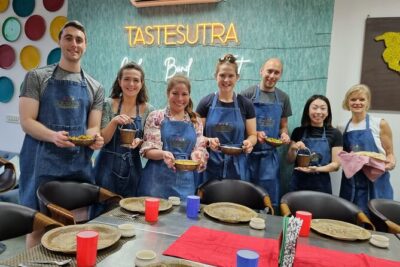 ★ 5.0Five Course Cooking Class & MealFrom $60250 reviews
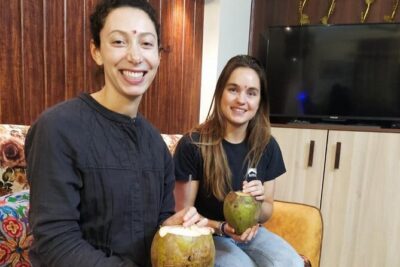 ★ 5.0AI Tour – Cook, Talk, Dine & more with locals at their Delhi HomeFrom $44238 reviews
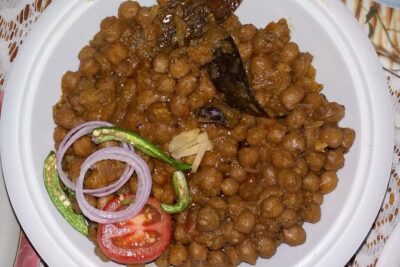 ★ 5.0Veg and Non veg : Private Cooking Class in Delhi home (7 meal)From $47226 reviews
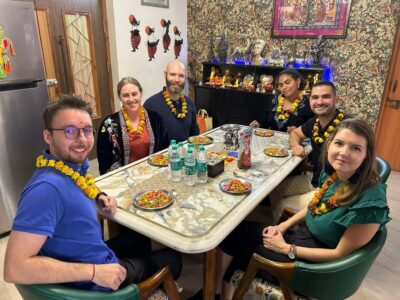 ★ 5.0AI Cooking Class and Much More in a Local Family HomeFrom $4085 reviews
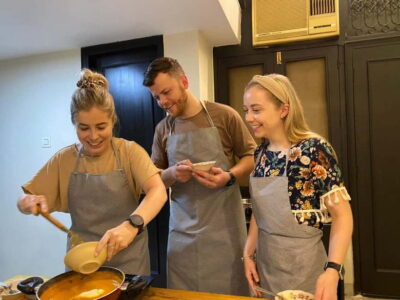 ★ 5.0Indian Cooking Class in a Local HomeFrom $4765 reviews
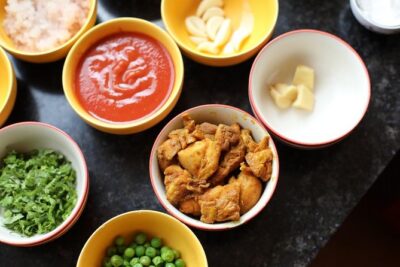 ★ 5.0Spice Knight (Cooking Class -> Meal -> Local Market walk)From $8559 reviews
 ★ 5.0Vegetarian : Private Cooking Class in Delhi home ( Learn 7 meal)From $4758 reviews
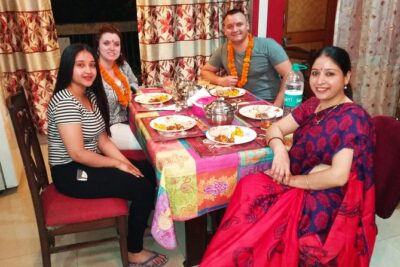 ★ 5.0Cooking Demo + Lunch/Dinner and interaction with an Indian family @ Chez AnjaliFrom $3548 reviews
Browse the lists this tour appears in