
Reviewed · DELHI SHOPPING TOURS
Delhi Markets: A Cultural Shopping Experience with an Expert
Your souvenir list starts with a shopping lane. This Delhi markets walk turns chaos into a plan, using a local market expert to guide you through famous lanes like Kinari Bazaar, Matia Mahal, and Janpath. Expect a fast, colorful cultural soundtrack: textiles, jewelry glitter, spice smells, and vendor conversations you can actually understand.
I especially like how the guide helps you spot quality and bargain without turning it into a guessing game. You’ll get practical bargaining tips plus guidance on what’s handmade and worth paying for, not just what looks pretty. Second, I like the variety packed into just 4 hours: wedding accessories at Kinari, kitchenware and street snacks near Jama Masjid at Matia Mahal, then boho clothes and Tibetan-style trinkets at Janpath.
One heads-up: if you hate sales pressure, set your preferences early. One low rating flagged a route that felt too shop-focused, with the guide waiting outside while pressure to buy was higher than expected—so be clear about your budget and pace.
In This Review
- Key things to know before you go
- Delhi markets don’t feel like one place
- Hotel pickup and a realistic 4-hour walking plan
- Kinari Bazaar: wedding accessories and how to judge handmade work
- Matia Mahal near Jama Masjid: kitchenware, spice air, and snack breaks
- Janpath Market: boho style, Tibetan trinkets, and giftable finds
- Bargaining tactics that keep you fair
- Street food tasting: when it helps and when to skip it
- What $9 buys in real market time
- Shop smart: cash, cards, and what to bring
- Who should book this Delhi markets tour
- When it might not be your style
- Should you book this Delhi markets shopping walk?
- FAQ
- How long is the Delhi markets shopping tour?
- How much does it cost?
- What markets are included?
- Is pickup included?
- What’s included besides the guide?
- Do I need cash, card, or both?
- Is the tour private?
- What languages is the guide available in?
- Is there a cancellation window?
Key things to know before you go
- Local expert first: You’re not just walking; you’re learning how these markets work.
- Kinari Bazaar focus: Wedding trims, embroidered pieces, and bangles made for gift-givers.
- Matia Mahal near Jama Masjid: Spice-and-street-life energy, with kitchen items and snack options.
- Janpath style hunt: Boho clothing, Tibetan trinkets, and indie fashion finds.
- Bargaining help: Guidance on how to haggle while still making fair deals.
- Solo-friendly comfort: Private group feel, with a guide navigating crowded roads and lanes.
Delhi markets don’t feel like one place
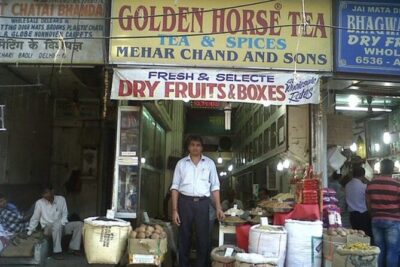
Delhi market shopping can feel like three different cities, and this tour uses that fact on purpose. You’ll start in Kinari Bazaar, where the visual language is all about weddings and celebration—shimmering bangles, hand-embroidered trims, and accessory-style items that look like they belong on a dressing table. From there you move toward Matia Mahal near Jama Masjid, where the mood shifts to spices, kitchenware, and snack-stop territory in the tight lanes around the mosque area. Then you land in Janpath Market, which feels more modern and fashion-forward, with boho clothing, Tibetan-style trinkets, and smaller indie-vendor vibes.
What makes this route smart is that it maps to how you actually shop. If you’re hunting for gifts, textiles, jewelry, or photo-friendly moments, each market serves a different craving. A good guide also helps you avoid the common mistake of buying the first thing that catches your eye, before you’ve seen enough to compare materials, finishing, and pricing logic.
And yes, the sensory part is real. You’ll walk through lanes where smells and sounds change block by block. With a local market expert, that chaos stays useful instead of stressful.
More market runs with a local eye


Hotel pickup and a realistic 4-hour walking plan
This is a 4-hour tour with hotel pickup and drop-off, which matters more than it sounds. In Delhi, getting started is half the battle. Your pickup is available across Delhi / Gurgaon / Noida / Ghaziabad and Faridabad, and also from Delhi Airport. That saves time and keeps your market focus where it belongs: on the stalls.
The pace is walking-based, and it’s designed around seeing 3–4 handpicked markets rather than sprinting through 10 stops you can barely remember. Expect tight lanes, crowd flow, and a bit of stop-and-ask time while your guide explains what you’re looking at. Reviews also point out that guides can handle intense crowds and jammed roads in Old Delhi areas, which is huge if you’re not used to navigating traffic and pedestrian surges.
One small practical note: you’ll want comfortable shoes. Even if the tour is only 4 hours, you’re doing real walking. If you’re hoping for a relaxed stroll with no shoulder-to-shoulder moments, you might feel the market intensity.
Kinari Bazaar: wedding accessories and how to judge handmade work
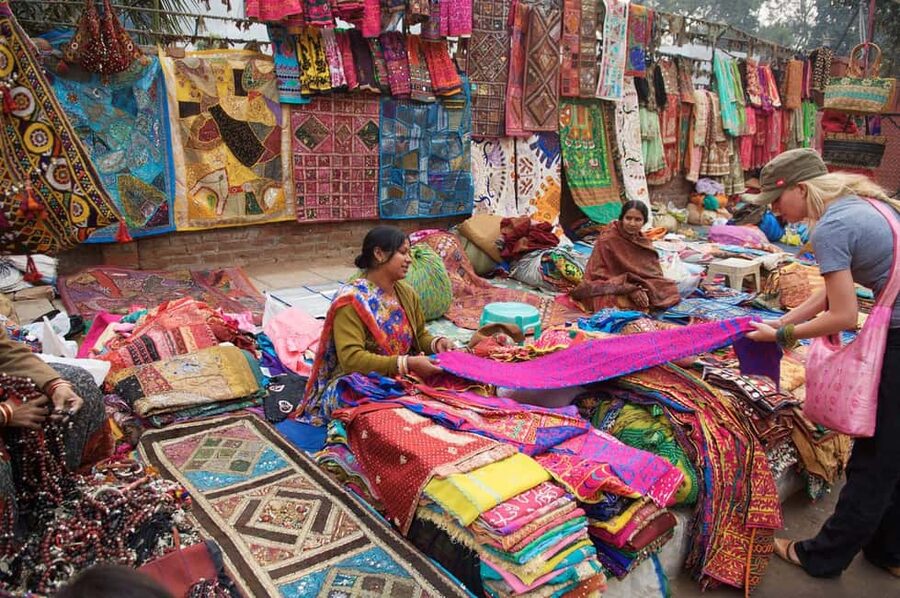
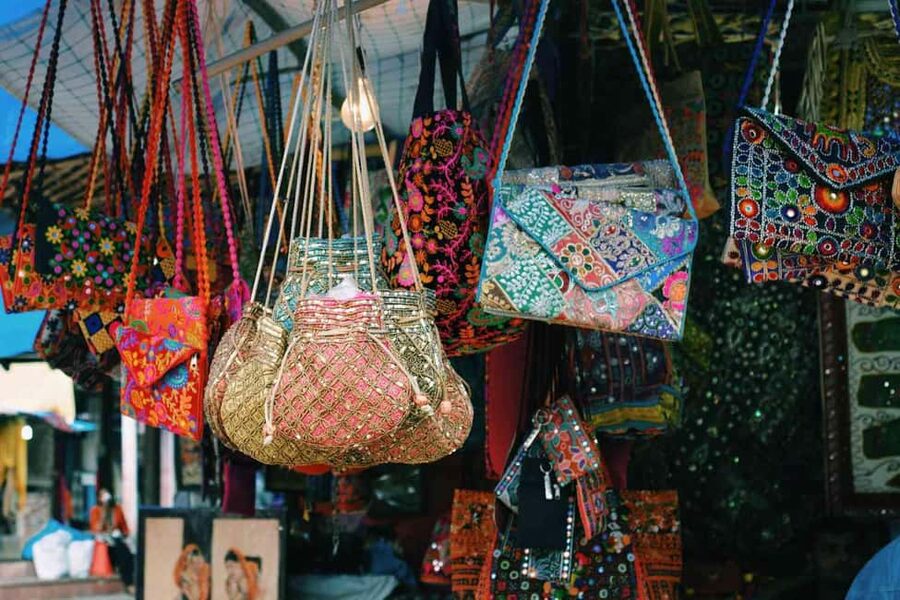
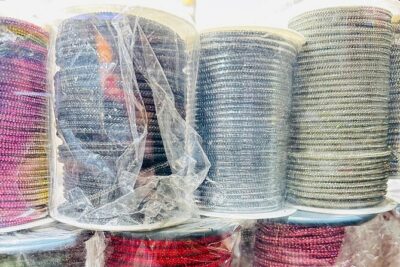
If Kinari Bazaar is your first stop, that’s a smart opener. The place is built around detail, and your eye gets trained fast. You’ll see wedding-focused items like intricate trims, embroidered trims used for garments and ceremony wear, glittery bangles, and accessory components that make great souvenirs if you buy the right size and quality.
Here’s what to watch for when you shop in Kinari Bazaar:
- Finish details: Handmade embroidery and trims tend to show consistent thread tension and clean edging.
- Materials and weight: Bangles and trims can look similar from a distance. Pick up a few and compare.
- Use-case clarity: Ask what it’s used for—accessory framing, garment decoration, or ceremony wear—so you don’t end up with something decorative but impossible to pack.
The value of having an expert with you shows up here. A guide can help you find high-quality handmade goods and translate what vendors are explaining, so you’re not just paying for shine. Even in past groups, guides like Samir have helped guests move through the Old Delhi spice and market area efficiently, then zero in on items based on what people asked for, not only what was conveniently available.
If you love fashion details, jewelry craft, or traditional decoration techniques, Kinari is the kind of place where one good buy can feel like a story you carry home.
Matia Mahal near Jama Masjid: kitchenware, spice air, and snack breaks
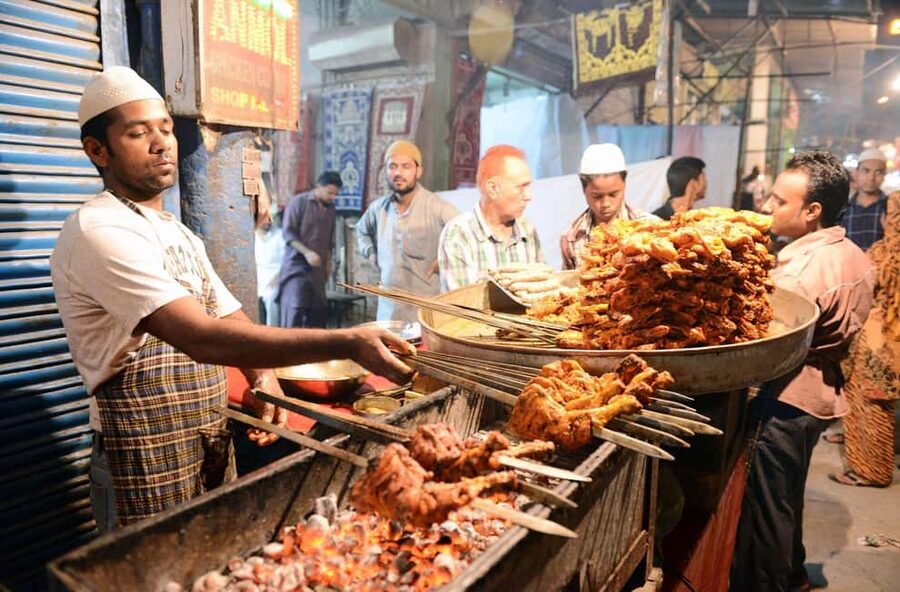
Matia Mahal is the shift in temperature—still in the Old Delhi energy, but more grounded in daily life. This is where kitchenware and street food start sharing the lanes, so your shopping becomes more than souvenirs. You’re seeing the market logic of what families actually buy and use.
When you’re in this area, take a moment to slow down and let your senses organize the place. Spices and food smells set the rhythm. Your guide’s job is to help you connect that rhythm to shopping choices, so you know what belongs where and what a vendor is actually selling.
Practical things to consider:
- Street food is optional: If you want it, this tour can include a tasting, so you don’t have to spend extra time hunting for a trustworthy stall.
- Ask before you photograph: Crowds plus close-up filming can irritate some vendors. A guide can help you handle it politely.
- Stay oriented: Lanes can feel identical. Your guide helps you not lose the thread, especially when the route zigzags.
Some departures also add a short transportation moment like a rickshaw ride through Old Delhi areas. If you’re curious about classic Delhi street movement and not just shopping, that kind of added element can make the experience feel more like a city story and less like a shopping errand.
Matia Mahal is also a strong pick if you want photos that look like real daily life—market shelves, utensil corners, spice sellers, and people moving with purpose.
Janpath Market: boho style, Tibetan trinkets, and giftable finds
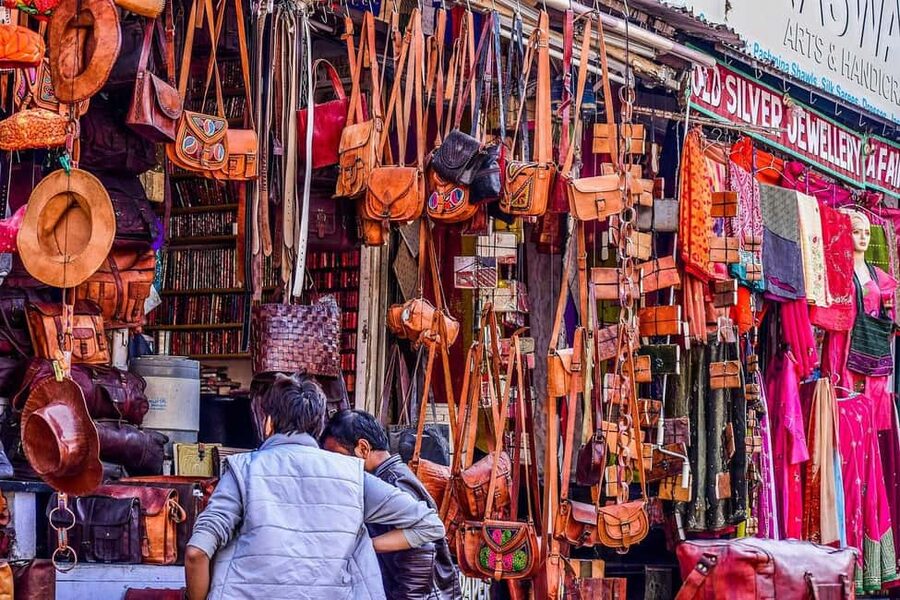
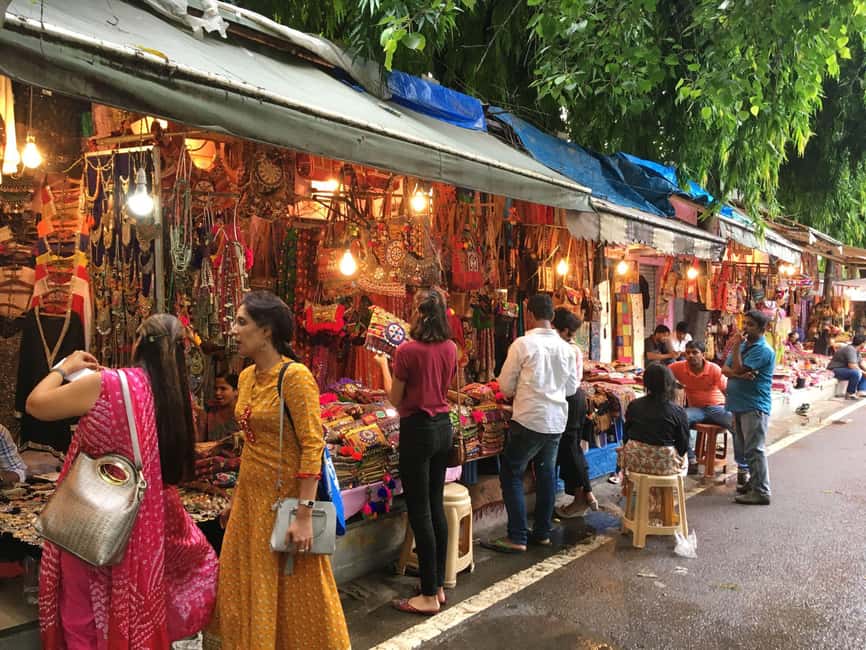
Janpath feels like the release valve after Old Delhi intensity. You’ll find boho clothes, indie-style accessories, and Tibetan trinkets—items that are easier to imagine wearing, using, or giving as gifts. It’s not as wedding-detail focused as Kinari, and it’s not as kitchen-and-spice grounded as Matia Mahal. Janpath is about style browsing.
This stop is perfect if:
- You want fashion souvenirs you can actually wear soon.
- You enjoy browsing textures—scarves, casual garments, small accessories.
- You like a market that feels slightly more relaxed in comparison, even when it’s still crowded.
A good guide helps you with the difference between “looks similar” and “is the same quality.” In past experiences with guides like Aamir and Riyaz, the emphasis is often on being patient and finding places that match your specific shopping needs. That’s important in Janpath, where it’s easy to see something appealing, then later realize it’s not made as well as it looked at first glance.
If you care about photography, Janpath gives you more variety of visual themes—colors, casual fashion displays, and small shop corners. You’ll likely get a few standout frames here without needing to chase rare street scenes.
More bazaars and boutiques to work through


Bargaining tactics that keep you fair
Bargaining in Delhi markets isn’t just about winning. It’s about communicating value, testing quality, and keeping the conversation respectful. This tour is built around bargaining guidance, which is a big deal if you don’t want to feel awkward.
Here’s how to bargain smarter during the walk:
- Start with a clear budget in your head. If you don’t, the market will make one for you.
- Compare at least two stalls for similar items. Your guide can point out what to compare.
- Use questions to slow down the decision. Ask about materials, how the item is made, and what it’s typically used for.
You’ll also want to handle the social side. In crowded lanes, bargaining can get loud and fast. A guide helps you move through that pace while keeping your confidence. Several guides have been praised for patience and for navigating crowds safely—Aamir and Aamer are specifically called out in feedback for making guests feel comfortable while moving through jammed roads and intense crowds.
One note of caution: low ratings mentioned shopping routes that felt too sales-driven for some guests. That doesn’t mean the tour is automatically like that, but it does mean you should communicate your boundaries. If you’re not buying, say so. If you want to keep moving, do it early, not after you’ve been stuck in a stall cycle for 20 minutes.
Street food tasting: when it helps and when to skip it
Street food is listed as optional, and that’s the right call. Some people want the flavors and the culture. Others already know they’re going to eat later and don’t want any stomach surprises.
If you choose the tasting, treat it like a guided introduction:
- You’ll get samples without needing to gamble on which stall looks safest.
- You’ll have a guide nearby who can handle ordering and basic explanations.
- You’ll likely get a better understanding of what locals actually eat in that lane.
If you skip it, you don’t lose the tour. You’ll still get the market storytelling and shopping structure. The tasting option simply adds one more “this is how people live here” layer, especially around Matia Mahal.
Also, keep your photo brain on. Some of the most memorable street moments come right between snack stops—vendors calling out, food being plated, and the lane changing character for a few minutes.
What $9 buys in real market time
Price is low, so you should think in terms of value: what you’re paying for isn’t items, it’s time, sorting, and guidance. At around $9 per person for 4 hours with hotel pickup, a local market expert, bottled water, and walking coverage across 3–4 markets, the tour is mainly about compressing learning time.
In other words, you’re paying for:
- fewer wrong turns
- less confusion about what’s high-quality
- better bargaining communication
- a safer, smoother experience in crowded zones
The private group format also matters. Even if the group is small, you’re not sharing your questions with strangers who want something totally different. This helps solo travelers a lot. Feedback highlighted that a solo traveler felt this tour was a good choice for exploring shops without feeling lost.
If you’re trying to buy high-quality handmade goods, that guidance can save money. You’ll spend less on items you later regret, and more on pieces that genuinely match your taste and packing needs. If you’re coming mainly for window shopping, you might still enjoy it—but you’ll get more value if you have at least a rough target: jewelry, textiles, trims, small gifts, or fashion pieces.
Shop smart: cash, cards, and what to bring
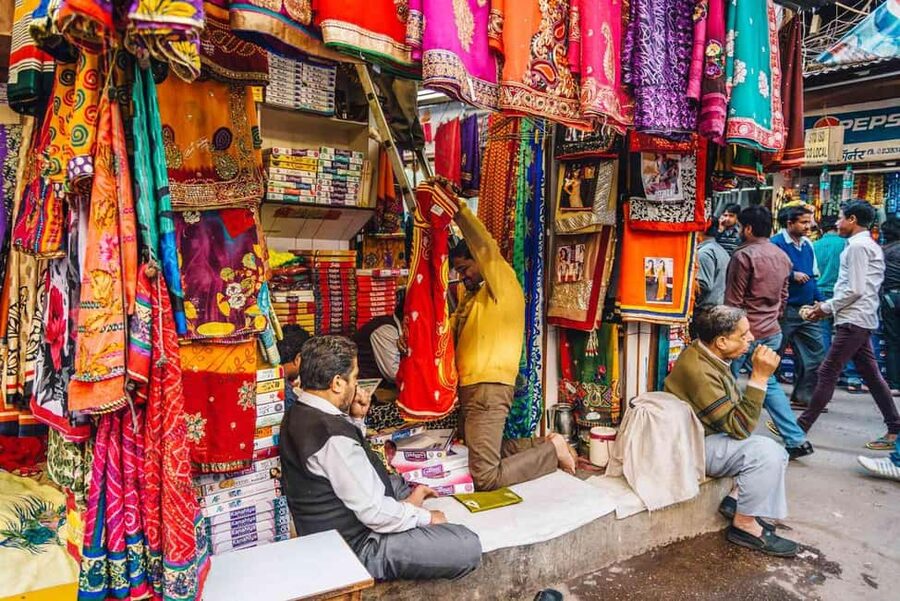
This is the kind of tour where you’ll want to be ready to pay quickly when you spot something you actually want. The practical info is simple: bring credit card and cash.
I like carrying both because markets can vary. Cash can be easier for smaller vendors, while a card can help if you find a bigger-ticket item or if a stall’s payment options are limited. Your guide can also help you decide what to purchase now versus later during the route.
Packing and buying strategy:
- Focus on items that pack well for a plane or train. Trims, accessories, scarves, and small jewelry can work well, especially if you choose flat or lightweight pieces.
- If you’re buying delicate embroidered items, ask about protective wrapping.
- Keep a small budget buffer. Handmade work can be worth more than you expect once you see the quality.
If your goal is photography, you can also come prepared with a simple plan: one or two “must-get” categories like wedding accessories detail shots at Kinari or fashion close-ups at Janpath. That way you’re not just shooting everything and buying nothing.
Who should book this Delhi markets tour
This tour fits best if you want a guided shopping experience with cultural context, not just wandering. You’ll be happiest here if you:
- care about crafts, textiles, jewelry, or fashion and want help judging quality
- like markets as stories, not just places to buy things
- want a guide to navigate crowds and busy lanes efficiently
- enjoy street photography and want practical help getting through dense areas
It’s also a great match if you’re traveling alone. The private group format and guided route helps you explore without feeling like you’re improvising every turn.
If your travel style is strictly “no bargaining, no shopping focus,” then you might feel the pressure element more than you want. In that case, you could still consider the cultural route, but be upfront with your guide about your shopping level.
When it might not be your style
I think it’s important to say this plainly: any market tour can become too shop-heavy if the guide prioritizes vendor relationships over your pace. One lower rating flagged a scenario where the information felt thin and the group seemed pushed toward shops with more pressure to buy.
You can prevent that by being direct:
- Tell the guide your budget range early.
- Say how many items you want to buy, if any.
- Ask to move on if you feel a stall conversation is going nowhere.
Also, crowd tolerance matters. Even with a strong guide, Old Delhi lanes can feel intense. If you hate tight spaces or get overwhelmed by noise, plan for a slower mindset and good shoes.
Should you book this Delhi markets shopping walk?
If you want the best chance of leaving with meaningful souvenirs—and not just random purchases—book it. This is a low-cost, guide-led way to hit several market personalities in 4 hours: wedding crafts at Kinari, daily-life kitchen and spice energy at Matia Mahal, and style shopping at Janpath. The standout benefit is the market expert help with quality spotting and bargaining, plus a route that makes the city’s shopping culture feel readable.
Skip it only if you dislike bargaining, hate sales pressure, or prefer ultra-structured sightseeing without any shopping focus. If you’re open to negotiating politely and you want your photos and purchases to connect, this tour is a solid use of time in Delhi.
FAQ
How long is the Delhi markets shopping tour?
It’s a 4-hour walking tour covering 3–4 handpicked markets.
How much does it cost?
The price listed is $9 per person.
What markets are included?
The tour includes Kinari Bazaar, Matia Mahal, and Janpath Market, plus additional market time to complete 3–4 total markets.
Is pickup included?
Yes. Hotel pickup and drop-off are included, with pickup available in Delhi, Gurgaon, Noida, Ghaziabad, Faridabad, and also from Delhi Airport.
What’s included besides the guide?
Included items are a local market expert guide, walking tour of the markets, bottled water, and street food tasting if you select that option.
Do I need cash, card, or both?
Bring both cash and a credit card.
Is the tour private?
Yes, it’s a private group.
What languages is the guide available in?
The guide is available in English, French, German, Hindi, Japanese, Russian, and Spanish.
Is there a cancellation window?
You can cancel up to 24 hours in advance for a full refund.
More New Delhi Shopping Runs
- Delhi Food Walk: Rickshaw Ride, Street Eats & Market Tour
★ 5.0 · 401 reviews - Old Delhi Food-Spice Market-Temples Tour Soon Featured on NETFLIX
★ 5.0 · 304 reviews - Old Delhi Odyssey: A Tour of Religion, Spice Market, & Best Food
★ 5.0 · 284 reviews - Customized Half Day or Full Day Delhi Shopping Tour with Female Consultant
★ 5.0 · 273 reviews - Private Customized Delhi Shopping Tour with Female Consultant
★ 5.0 · 160 reviews
More Tour Reviews in New Delhi
- Old & New Delhi City Tour – Half or Full Day Options Available
★ 5.0 · 4,811 reviews - Half Day Private Delhi City Tour
★ 5.0 · 4,474 reviews - Same Day Taj Mahal, Agra Fort & Baby Taj Tour from Delhi by Car
★ 5.0 · 4,304 reviews - Taj Mahal Day Tour from Delhi by Superfast Train – TOP RATED TOUR
★ 5.0 · 4,166 reviews - Delhi: Old and New Delhi Private Full or Half-Day Tour
★ 4.9 · 3,776 reviews
Bring an Empty Bag: More Delhi Shopping
- Customized Half Day or Full Day Delhi Shopping Tour with Female Consultant
★ 5.0 · 273 reviews - Private Customized Delhi Shopping Tour with Female Consultant
★ 5.0 · 160 reviews - Private Full Day Shopping Tour in New Delhi
★ 5.0 · 150 reviews - Delhi: Private Half-Day Guided Shopping Tour with Transfer
★ 4.8 · 119 reviews - Delhi: Private Half-Day Shopping Tour with Transfer
★ 4.9 · 111 reviews
Just added: more New Delhi reviews to browse
- 4 days Golden Triangle Tour★ 5.0 · 3 reviews
- Discover Old & New Delhi: Private Tour with Street Food★ 5.0 · 3 reviews
- Taj Mahal Tour From Delhi By Private Car★ 4.5 · 3 reviews
- Golden Triangle Tour 5 Days★ 5.0 · 3 reviews
- Taj Mahal: Express Entry Ticket For Sunset Tour with guide★ 5.0 · 3 reviews
- Agra Taj Mahal Sunrise & Sunset Tour from Delhi★ 5.0 · 3 reviews
Delhi Shopping Tours, compared.
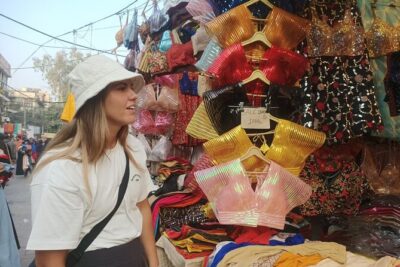 ★ 5.0Customized Half Day or Full Day Delhi Shopping Tour with Female ConsultantFrom $56273 reviews
 ★ 5.0Private Customized Delhi Shopping Tour with Female ConsultantFrom $80160 reviews
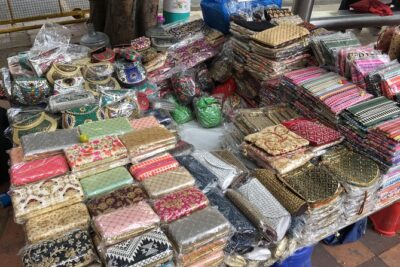 ★ 5.0Private Full Day Shopping Tour in New DelhiFrom $26150 reviews
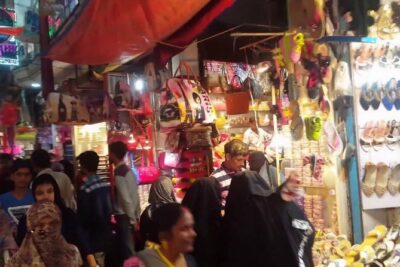 ★ 4.8Private Half-Day Guided Shopping Tour with TransferFrom $13119 reviews
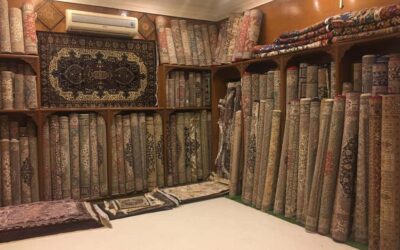 ★ 4.9Private Half-Day Shopping Tour with TransferFrom $20111 reviews
 ★ 4.9Guided Shopping Tour Experience with Female ExpertFrom $11109 reviews
 ★ 5.0Private Half-Day Guided Shopping Tour with Transfer in DelhiFrom $3059 reviews
 ★ 5.0Customized Half Day and Full Day Delhi Shopping, Street Food TourFrom $3052 reviews
Browse the lists this tour appears in