
Reviewed · OLD DELHI FOOD TOURS
Evening Old Delhi Food Walk
Old Delhi at night feels like time travel. This evening Old Delhi Food Walk turns the city’s most chaotic streets into a guided tasting circuit, with stops that range from Delhi-style home made ice cream to Mughal-inspired nihari. I like that the tour keeps a smart pace—sweet first, then tea, street snacks, and finally a hearty finishing plate—plus the group stays small (max 15), so you can actually ask questions. One thing to consider: it’s still a walking food tour, and you’ll be on your feet for about four hours in busy lanes.
The meeting spot is at Chawri Bazaar metro station, then you’re led through narrow lanes where decades-old shops feed locals every evening. I also like that the operator shapes the route around your dietary needs if you share them ahead of time, including vegetarian options. If spice isn’t your thing, still tell your guide early—Old Delhi food can run hot, and it helps to plan.
In This Review
- Quick hits: why this walk works
- Old Delhi after dark: why the evening matters
- Meeting at Chawri Bazaar and what the group experience feels like
- Delhi-style home made ice cream to start: sweet on purpose
- Bedmi Poori and the classic snack rhythm
- Chai in Old Delhi: the drink that guides the route
- Jalebi: sugar dipped candy with street-level crunch
- Inside the Sikh temple community kitchen (25,000 meals a day)
- Asia’s largest spice market and the sunset view
- Century-old lemonade: cool relief in a spicy city
- Halwa on the famous food street: the flavor balancer
- Nihari: slow-cooked Mughal comfort (with fermented bread)
- Price and value: is $70 fair for this tour?
- What’s included, and what you should plan for yourself
- Dietary needs and how to get the best version of this tour
- Who this food walk suits best (and who should rethink it)
- Should you book the Evening Old Delhi Food Walk?
- FAQ
- FAQ
- Where does the tour start?
- How long is the Evening Old Delhi Food Walk?
- How much does it cost?
- Is hotel pickup or drop-off included?
- What food and drinks are included?
- Is there a vegetarian option?
- Can the tour accommodate dietary restrictions?
- How big is the group?
- What’s the dress code and weather plan?
- Is cancellation free?
Quick hits: why this walk works
- Chawri Bazaar start: easy to reach, and a great launchpad for Old Delhi’s lanes.
- Sweet-to-savory pacing: ice cream, bedmi poor i, chai, jalebi, then proper meals.
- Big visuals, not just food: a bird’s-eye view from the spice market with sunset.
- Sikh temple kitchen stop: you’ll see how community cooking runs at massive scale (food for 25,000 people daily).
- A real final course: nihari with fermented bread, plus vegetarian alternatives if requested.
- Tight group size: capped at 15 travelers for more attention and smoother tasting.
Old Delhi after dark: why the evening matters
Old Delhi in the morning can feel almost peaceful, like the city takes a breath before the day heats up. Evening is when the place shifts gears. You get crowded lanes, quick chatter, sizzling woks, and the kind of food rhythm you’d miss if you only visit during daylight hours.
This is why the route leans so hard into evening-only energy. The tour is built around tasting dishes that make sense after dusk—sweets first to get you in the mood, then street snacks and hot drinks, ending with slow-cooked comfort food. That structure helps you avoid the common problem of sampling “a little of everything” without a plan.
More hours to spend in Old Delhi

Meeting at Chawri Bazaar and what the group experience feels like
You meet at Chawri Bazaar metro station, which is practical. You don’t need a complicated pickup, and you can arrive with enough time to find your guide and settle in. The tour runs about 4 hours, and the operator keeps the group to a maximum of 15.
That small size matters. Old Delhi streets can feel intense, and a tighter group helps you stay together when lanes narrow, shops crowd, or sidewalks get busy. It also makes it easier to get answers about what you’re eating and why it’s served the way it is.
Delhi-style home made ice cream to start: sweet on purpose
The tour kicks off on a sweet note with Delhi-style home made ice cream. Starting here is smart, even if you think you’ll “save room” for later. Ice cream early gives you a clean baseline for comparing flavors as the tour moves from dairy to sugar to spices.
It also sets expectations. Old Delhi isn’t only about one iconic dish. It’s a network of specialties—small shops, street vendors, and institutions—that all handle flavor differently. Getting that first taste of homemade style helps you notice those differences later.
Bedmi Poori and the classic snack rhythm
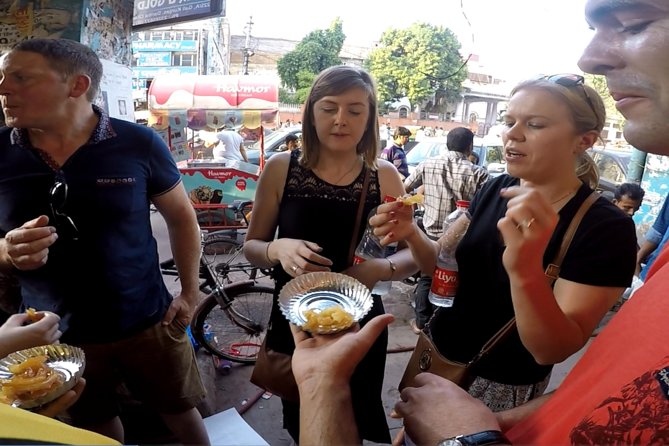
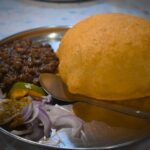
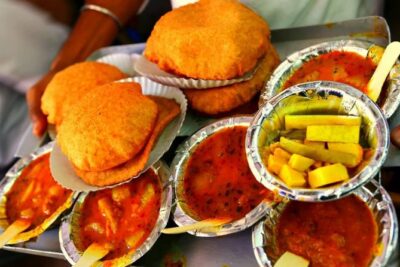
Next up is a sweet shop serving bedmi poor i, a local favorite. It’s puffy bread made from wheat flour layered with spiced potatoes and often paired with the way Indian snacks are designed to be eaten quickly, right where they’re made.
Why this works on the walk: bedmi poor i is filling, but it’s not heavy in the way a full meal can be. It gives you energy for the next stretch through narrow lanes, and the potato-spice mix pairs well with the drinks that come after.
If you’re watching dairy or have other dietary limits, share them at booking. The tour says it can shape stops to your restrictions, and it’s best when your guide has time to plan alternatives.
Chai in Old Delhi: the drink that guides the route
You’ll stop to taste chai, Indian tea infused with spices. This isn’t just a warm-up. Chai changes how you experience everything that comes after because it resets your palate between sugary snacks and spiced foods.
In Old Delhi, you’ll feel the street culture immediately—steam in the air, cups appearing fast, people pausing just long enough to drink and move on. That quick tempo is part of the charm, and the chai stop lets you slow down for a moment without losing momentum.
Still hungry? More Old Delhi food crawls
Jalebi: sugar dipped candy with street-level crunch
Then comes jalebi, described as sugar dipped candy. It’s the kind of sweet that feels simple but hits in layers—fried batter, syrup sweetness, and that sticky finish that makes you crave another bite while you’re still chewing the first.
On a food walk, jalebi can either be a random stop or a smart one. Here, it’s placed after chai, so you get contrast. Tea brings spice warmth; jalebi brings caramel-like sweetness. Together, they help you understand how Old Delhi plays with flavor swings.
Inside the Sikh temple community kitchen (25,000 meals a day)
One of the most striking stops is the Sikh temple community kitchen, where food for 25,000 people is cooked every day. It’s a different kind of “food stop.” You’re not just tasting something. You’re seeing food as service and routine—how a community system feeds a huge number of people without stopping for drama.
This adds real meaning to a street food tour. The rest of the route focuses on individual shops and quick street bites. The kitchen stop puts food in a bigger context and helps you appreciate why Old Delhi food culture isn’t only about novelty—it’s about tradition and repetition.
If you’re sensitive to crowds or noise, plan to take a steady pace here. Even when the tone is welcoming, you’ll still be in a busy, high-output environment.
Asia’s largest spice market and the sunset view
Next you head to Asia’s Largest spice market for a bird’s-eye view of Old Delhi and time for sunset. Spice markets are sensory in a way that’s hard to recreate later. You get scale, color, and the simple fact that people have been trading spices here for a long time.
The tour uses the viewpoint strategically. Instead of staying stuck at ground level while your brain gets overloaded, you get a higher perspective. That helps you connect the lanes you walked with the bigger map of the neighborhood.
This is also a great moment to notice how Old Delhi works as a whole system. Food doesn’t exist alone; it connects to sourcing, grinding, blending, and selling. A market like this makes that chain visible.
Century-old lemonade: cool relief in a spicy city
After the spice market, you’ll get a refreshing lemonade bottled in a unique way from a century old shop. That detail matters. When a drink is bottled and handled a certain way over generations, you taste consistency—exact flavor, not just “something sweet and sour.”
In practical terms, lemonade is also a reset. After spices and sweet street food, acidity and coldness can help bring your appetite back into focus for the last stretch.
Halwa on the famous food street: the flavor balancer
Then you taste halwa, described as an Indian sweet used to balance flavors. Halwa is the kind of finish that feels like dessert with purpose: it smooths out spice edges and brings warmth back into the picture before the final savory course.
This stop is often where a walk turns from snacky to satisfying. Halwa signals that you’re moving toward the “main event” meal.
Nihari: slow-cooked Mughal comfort (with fermented bread)
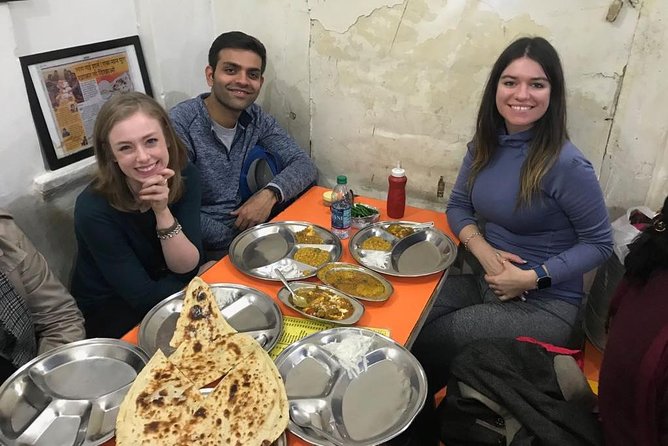
The tour ends with nihari, a Mughal-inspired lamb dish cooked for hours on low heat. It’s served with a fermented bread, and vegetarian options are available if you request them.
This ending is ideal because it shifts from street sweets to deep comfort food. Nihari is thick, spiced, and built for lingering. The fermented bread adds tang and helps with digestion after rich flavors.
If you’re a vegetarian, this part may look different depending on what your guide can arrange, but the tour explicitly states vegetarian options are available. Tell your dietary needs at booking so you’re not stuck guessing in the moment.
Price and value: is $70 fair for this tour?
At $70 per person, the price isn’t just for “a few bites.” It’s for a guided tasting route that includes food and drink across several categories. The tour lists food tasting, beverages, bottled water, tea, snacks, and lunch, plus a local guide. Taxes and GST are also included.
So what you’re buying is mostly time and orchestration. In Old Delhi, the challenge isn’t finding food—it’s finding good, appropriate places without getting lost, missing key classics, or spending time negotiating and second-guessing. A guided walk also helps you handle crowd flow and keep your pace steady.
For me, this price feels strongest if you want a structured evening with multiple iconic stops, and you’d rather spend your energy eating than mapping. If you already have a personal food plan and a local guide of your own, you might not need this format. But if you’re visiting for the first time, $70 can be a very efficient way to sample across the city’s food styles in one evening.
What’s included, and what you should plan for yourself
The tour includes a lot of the “stuff that adds up”: lunch, snacks, tea/coffee, beverages, and bottled water, plus the guide and required taxes. You’ll also get the food tasting portion throughout the route.
What’s not included is hotel pickup and drop-off. So you’ll want to arrive on your own at Chawri Bazaar metro station and leave on your own afterward. If you’re staying far from the metro, factor in travel time so you don’t show up rushed.
Dress code is smart casual, and the tour operates in all weather conditions, so bring what you need for rain or heat. Comfortable shoes matter more than fashion here.
Dietary needs and how to get the best version of this tour
A key selling point for this walk is that the route can be shaped according to your dietary restrictions, and vegetarian options are available. That’s huge in Old Delhi, where menus can shift quickly from one stall to the next.
Here’s the practical way to use that advantage: when you book, clearly tell the guide what you avoid. If you only say vegetarian, you might still get surprised by hidden ingredients in sauces or breads. If you have allergies, you should state them plainly (the tour data asks you to advise dietary requirements at booking).
Also think about spice tolerance. The tour includes chai with spices, jalebi sweetness, and nihari with slow-cooked spices. If you know you’ll struggle with heat, say so early so you can get the right portion and alternative.
Who this food walk suits best (and who should rethink it)
This tour is ideal if you want an evening Old Delhi experience with a guide who connects food to place—market views, temple kitchens, and the street-to-spoon rhythm of daily eating. It’s a good fit if you enjoy tasting multiple dishes rather than hunting for one “must-eat” item.
It may not be the best match if you need long seated breaks. This is described as a moderate physical effort walk (a moderate fitness level is recommended). You’ll be moving through lively lanes, so if you prefer a slower, mostly seated experience, you might find the pace demanding.
Should you book the Evening Old Delhi Food Walk?
If your goal is to eat your way through Old Delhi without wasting time guessing where to go, I think this tour is worth booking. The route hits the stuff that makes Old Delhi feel like Old Delhi: sweet starts, chai, iconic street sweets, a major market viewpoint at sunset, and a final course anchored by slow-cooked nihari.
Book it if you like guided tasting, you can handle a few hours of walking, and you’ll share your dietary limits at booking. Skip it only if you already know exactly where you want to eat and you don’t want a structured route.
One last practical note: the reviews you can find highlight guides who make the food feel understandable and memorable. If you’re lucky, you’ll get a guide like Adil, praised for being a gentleman and for explaining Indian food and Old Delhi context.
FAQ
FAQ
Where does the tour start?
The tour meets at Chawri Bazaar metro station in New Delhi.
How long is the Evening Old Delhi Food Walk?
It runs for about 4 hours (approx.).
How much does it cost?
The price is $70.00 per person.
Is hotel pickup or drop-off included?
No. Hotel pickup and drop-off are not included.
What food and drinks are included?
The tour includes beverages, bottled water, lunch, tea, snacks, and food tasting.
Is there a vegetarian option?
Yes. Vegetarian options are available if you advise your needs at booking.
Can the tour accommodate dietary restrictions?
The tour says it can be shaped according to your dietary restrictions. Advise dietary requirements at time of booking.
How big is the group?
The maximum group size is 15 travelers.
What’s the dress code and weather plan?
Dress code is smart casual. The tour operates in all weather conditions, so dress appropriately.
Is cancellation free?
Yes, free cancellation is available. You can cancel up to 24 hours in advance for a full refund.
More Tour Reviews in New Delhi
- Old & New Delhi City Tour – Half or Full Day Options Available
★ 5.0 · 4,811 reviews - Half Day Private Delhi City Tour
★ 5.0 · 4,474 reviews - Same Day Taj Mahal, Agra Fort & Baby Taj Tour from Delhi by Car
★ 5.0 · 4,304 reviews - Taj Mahal Day Tour from Delhi by Superfast Train – TOP RATED TOUR
★ 5.0 · 4,166 reviews - Delhi: Old and New Delhi Private Full or Half-Day Tour
★ 4.9 · 3,776 reviews
Still Hungry in Old Delhi
- The Great Indian Food Tour: Old Delhi Food and Heritage Walk
★ 5.0 · 1,698 reviews - Old Delhi Food, Heritage&Cultural Walk with Rickshaw ride to Masterji Kee Haveli
★ 5.0 · 742 reviews - Old Delhi Street Food Tour
★ 5.0 · 497 reviews - Breakfast Walk in Old Delhi
★ 5.0 · 449 reviews - Delhi: Old Delhi Street Food Tour with Rickshaw Ride
★ 4.9 · 403 reviews
More of Old Delhi
- The Great Indian Food Tour: Old Delhi Food and Heritage Walk
★ 5.0 · 1,698 reviews - Old Delhi Food, Heritage&Cultural Walk with Rickshaw ride to Masterji Kee Haveli
★ 5.0 · 742 reviews - Old Delhi Bike Tour
★ 5.0 · 616 reviews - Old Delhi Street Food Tour
★ 5.0 · 497 reviews - Breakfast Walk in Old Delhi
★ 5.0 · 449 reviews
Just added: more New Delhi reviews to browse
- 4 days Golden Triangle Tour★ 5.0 · 3 reviews
- Discover Old & New Delhi: Private Tour with Street Food★ 5.0 · 3 reviews
- Taj Mahal Tour From Delhi By Private Car★ 4.5 · 3 reviews
- Golden Triangle Tour 5 Days★ 5.0 · 3 reviews
- Taj Mahal: Express Entry Ticket For Sunset Tour with guide★ 5.0 · 3 reviews
- Agra Taj Mahal Sunrise & Sunset Tour from Delhi★ 5.0 · 3 reviews
Old Delhi Food Tours, compared.
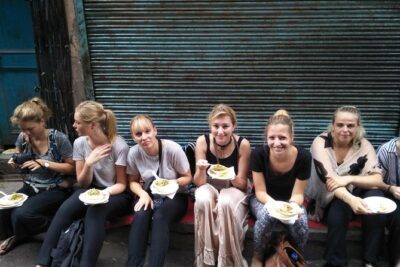 ★ 5.0The Great Indian Food Tour: Old Delhi Food and Heritage WalkFrom $431,698 reviews
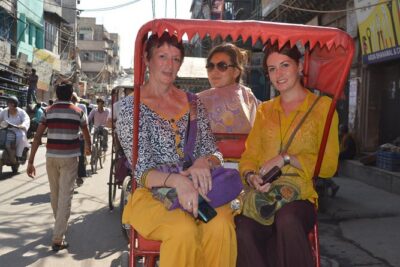 ★ 5.0Old Delhi Food, Heritage&Cultural Walk with Rickshaw ride to Masterji Kee HaveliFrom $52742 reviews
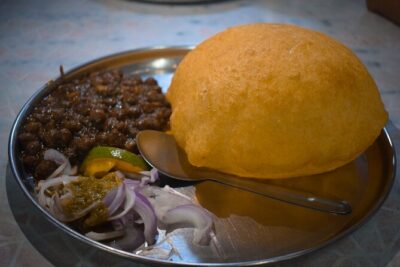 ★ 5.0Old Delhi Street Food TourFrom $40497 reviews
 ★ 5.0Breakfast Walk in Old DelhiFrom $80449 reviews
 ★ 4.9Old Delhi Street Food Tour with Rickshaw RideFrom $43403 reviews
 ★ 5.0Delhi Food Walk: Rickshaw Ride, Street Eats & Market TourFrom $40401 reviews
 ★ 5.0Old Delhi Street Food Tour – Explore Spices in Chandni ChowkFrom $34334 reviews
 ★ 5.0Old Delhi Food Tour: A Night Time FeastFrom $38326 reviews
Browse the lists this tour appears in