
Reviewed · OLD DELHI FOOD TOURS
Morning Old Delhi Food Walk
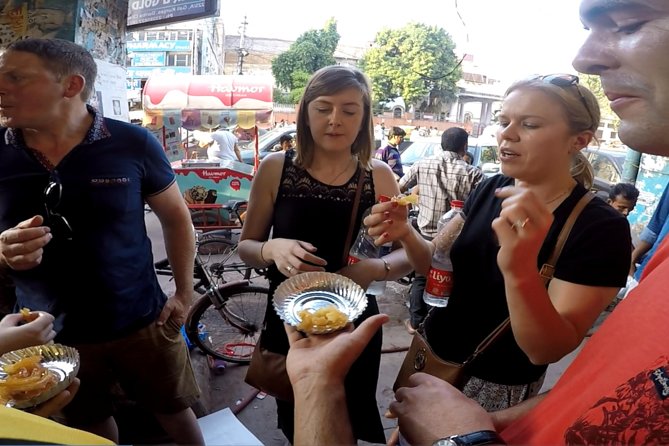
Old Delhi in the morning is a gift for your senses. I love the early start because the lanes feel calmer and the food tastes more focused, and I also like the range of regional dishes packed into one 4-hour route. One thing to consider: it’s active street time in tight lanes, so if you’re not comfortable with crowds and basic walking, plan for breaks and wear grippy shoes.
This morning route meets near Chawri Bazaar metro station and keeps groups small (up to 15). The pace is set by local guides, and in at least one run the guide name TJ handled the hard parts well, especially helping people cross major junctions and adjusting the route when needed. Dress is smart casual, and it runs in all weather, so bring the right layer for cool mornings and warm afternoons.
In This Review
- Key moments and why they matter
- Why Old Delhi morning food feels calmer (and more you)
- Chawri Bazaar meet-up: the “start” you can find fast
- How the 4-hour route actually eats: order matters
- Bedmi pooris: the breakfast stop that sets the tone
- Halwa and sweets: balancing flavors before the heavy hitters
- Nihari (Mughal-style lamb) and the fermented bread side
- Chai on narrow streets: a caffeine break that feels cultural
- Jalebi and other street sweets: the syrup-to-crunch moment
- Sikh temple community kitchen: food as service, not spectacle
- Asia’s largest spice market: the big picture from above
- Home-made ice cream ending: the cooling finale
- Price and value: what $43 buys you (and why it’s fair)
- Who should book this morning food route
- Should you book it? My practical take
- FAQ
- Where does the morning tour start?
- How long is the tour?
- How much does the tour cost?
- Is hotel pickup included?
- What food and stops are included?
- Is vegetarian food available?
- Can the tour accommodate dietary restrictions?
- What’s included in the price?
- What should I wear?
- How many people are in a group?
- Does it operate in bad weather?
Key moments and why they matter
- Chawri Bazaar start: you begin in the real flow of Old Delhi, not at a staged food court
- Breakfast-first ordering: sweet and savory stops are timed so flavors don’t fight each other
- Mughal-style comfort food: nihari and its sides show how Old Delhi got its deep, slow-cooked soul
- Tea, sweets, and street snacks: chai, jalebi, and other classics keep the tour fun between heavier meals
- Spice market views: you get the big-picture feel of Old Delhi’s food engine
- Sikh temple community kitchen: food here has scale and purpose, not just presentation
Why Old Delhi morning food feels calmer (and more you)
Old Delhi is famous for food, but the morning version hits differently. When you arrive early, the chaos is muted. That matters because you can actually notice what makes each stall special: the rhythm of cooking, the way vendors prep in small batches, and how the first customers set the day’s tone.
I like food tours most when they don’t rush you past the point. This one leans into the morning timing so you’re not squeezing your way through a wall of people just to taste something warm. You also get a better feel for how Old Delhi works—markets come alive in stages, and you watch that shift happen over the same few hours.
There’s another reason I’m a fan: many of the iconic dishes here are best when they’re fresh. The tour’s structure—sweet early, then hearty mains, then drinks and dessert—sets you up to try multiple textures (crisp, soft, slow-cooked, syrupy) without eating everything at random.
More hours to spend in Old Delhi

Chawri Bazaar meet-up: the “start” you can find fast
The meeting point is near Chawri Bazaar metro station in New Delhi. That’s practical. Metro access is a big advantage in a city where traffic can eat time. If you’re staying in central areas, you’ll likely find it easier to get to the start by public transit than by arranging pickup.
Group size is capped at 15 travelers, which keeps the tour from feeling like a cattle line. Reviews from other SpinMonkey-style mornings also describe 10–12 people and two guides, and that kind of ratio matters in crowded lanes: you can hear instructions, and crossing busy intersections is handled with more attention.
Dress code is smart casual. Don’t overthink it, but do choose clothing that lets you move comfortably. Since this operates in all weather, pack for the day you actually get: a light layer for morning coolness and something rain-ready if clouds roll in.
How the 4-hour route actually eats: order matters
A good food tour isn’t just a list of stops. It’s an eating plan. This morning route sets the sequence so you get variety without immediate overload.
You start with breakfast staples and balancing sweets, then you move into a slow-cooked savory dish, followed by tea and fried syrup desserts, and then you end with cold sweetness. That flow is thoughtful because it mirrors how people really eat locally: start warm, add richness, refresh with tea, then finish with something indulgent.
Also, the tour includes breakfast, food tastings, snacks, and beverages, plus bottled water. That’s a real value driver. If you tried to DIY this route, you’d spend more time hunting for places open early, and you might miss a few classics that are easy to overlook.
Bedmi pooris: the breakfast stop that sets the tone
The first stop is a sweet shop serving bedmi poor(i)—puffy bread made from wheat flour, typically paired with a layer of lentils and spiced potatoes. This is the kind of dish that works well at the beginning of the morning tour because it’s both filling and forgiving. It has a crisp-soft contrast and a warm, earthy flavor that doesn’t feel heavy in the same way as some mains can.
Why this stop is smart: it’s a foundational Old Delhi taste. Before you move to more dramatic dishes, you want one solid anchor that helps you reset your palate.
What to expect in practice: you’ll likely eat this like a local breakfast—warm bread, mixed fillings, and spices that hit quickly. If you’re sensitive to spice, tell the guide early. The tour description specifically says the route can be shaped around your dietary needs.
Halwa and sweets: balancing flavors before the heavy hitters
After bedmi poor(i), the tour includes halwa—an Indian sweet meant to balance the day. Think of this as a palate manager. Halwa helps you get a smooth sweetness before stronger savory flavors arrive later.
I like this sequencing because it reduces that one common problem on food tours: you end up eating all sweet first, then savory feels dull, or you go savory-heavy too early and everything else tastes “flat.” With halwa in the mix, savory dishes like nihari later tend to taste deeper.
Sweet shops can also vary in sweetness intensity. If you prefer less sugar, this is where you’ll appreciate telling your guide your preference.
Still hungry? More Old Delhi food crawls
Nihari (Mughal-style lamb) and the fermented bread side
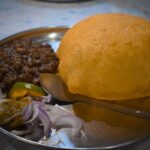
Next up is nihari, described as a Mughal-inspired lamb dish cooked for hours on low heat, served with a fermented bread. Nihari is the kind of comfort food that feels like a slow simmer turned into a meal.
This stop is where the tour shifts from breakfast comfort into something richer. The low-and-slow cooking gives it a deep, savory character, and pairing it with fermented bread helps with texture and digestion.
Vegetarian options are mentioned, so you’re not locked into lamb. If you’re vegetarian, ask what version they’re serving at your time slot, and mention any dietary restrictions beyond vegetarianism (for example, if you avoid onions or garlic). The tour says the route can be adapted to dietary restrictions, but your specific needs still require clear communication.
Chai on narrow streets: a caffeine break that feels cultural
Old Delhi is also about drinks, and the tour includes chai—tea infused with spices. This isn’t just a caffeine stop. Spiced chai acts like a reset between richer bites.
Sitting with chai while the city moves around you is where the morning quiet becomes real. You start to see how vendors work: quick gestures, tight teamwork, and a steady rhythm that keeps food consistent day after day.
If you dislike strong spice in tea, let the guide know. Spice levels can vary by stall, and your preference is easier to manage early than after you’ve finished a cup.
Jalebi and other street sweets: the syrup-to-crunch moment
Then comes jalebi—sugar-dipped fried candy. Jalebi’s charm is the contrast: crisp edges and sticky syrup. It’s also a classic that signals you’re entering the late-morning sweet zone.
This stop can be a favorite or a hard pass depending on your taste. If you like desserts that are very sweet, jalebi will be a highlight. If you prefer less sugar, you can still enjoy the bite but go slower.
Other sweet-and-snack favorites can appear on this kind of route, including lassi and kachori, and one shared highlight included kachori from Shaym Sweets at Nae Sadak. Even if the exact stall mix shifts, the tour’s strength is that you get the local rhythm of fried-and-sweet comfort foods rather than just one “Instagram-style” dessert.
Sikh temple community kitchen: food as service, not spectacle
One of the most meaningful stops is the community kitchen of a Sikh temple, where food is cooked for an enormous number of people each day (the tour description gives a figure of 25,000 people). This is different from the other tasting stops because it’s not about a single dish winning your taste test.
Instead, it shows you the scale and purpose behind the food culture in Old Delhi. You’ll likely come away with a clearer sense of why Indian food traditions are so tied to community and hospitality.
Practical note: temple visits often come with rules around dress and behavior. Since the tour says smart casual dress, aim for clothing that covers shoulders and is respectful, and be ready to follow staff instructions on the spot.
Asia’s largest spice market: the big picture from above
The tour includes a stop in Asia’s largest spice market, with a chance to get a bird’s-eye view of Old Delhi. This part is crucial because it reframes what you’ve been eating.
All those spices you tasted in chai, in savory gravies, and in fried snacks are part of a supply chain with real people behind it. Seeing the market layout helps you understand how Old Delhi’s food economy feeds itself—and why the flavors stay consistent.
If you’re a visual learner, this is a strong moment. It turns your taste memories into geography.
Home-made ice cream ending: the cooling finale
The tour wraps up with Delhi’s take on home-made ice cream and drops you back at the same place you started from.
I like a cold finish for a food tour like this because it balances all the warm, spiced items. It also gives you a last taste you can remember without it getting lost under the next bite of hot food.
If you’re very full by the end, take smaller tastes and focus on texture. Ice cream is often one of the easiest items to enjoy even when your stomach is tired.
Price and value: what $43 buys you (and why it’s fair)
The price is $43 for about 4 hours, and the inclusions matter. You’re getting:
- Breakfast
- Multiple food tastings
- Beverages and coffee/tea
- Snacks
- Bottled water
- A local guide, plus taxes and GST
If you’ve ever tried to assemble this kind of morning on your own, the hidden costs are usually time and open-hours. Old Delhi stalls don’t always operate on a tourist schedule, and the best spots can be hard to find without local guidance.
This tour also limits group size (max 15), which is part of the value. It’s easier for your guide to manage pacing, help with crossings, and adjust the route when you’ve already seen a stop.
One more value note: the tour promises it will shape the experience around dietary restrictions, and vegetarian options are available. That’s not just nice—it prevents you from wasting money or feeling left out.
Who should book this morning food route
This tour fits best if you:
- Love street food and want variety without planning five separate stops
- Enjoy food with history and neighborhood character, especially in the calmer morning hours
- Want a guide to handle the tricky parts, like dense lanes and busy junctions
- Have dietary needs and want the route adapted rather than guessed at
It might be less ideal if:
- You don’t like walking for a few hours in tight spaces
- You’re uncomfortable with basic city traffic crossings
- You prefer large, seated-meal restaurants over quick tastings
The description asks for moderate physical fitness, so choose accordingly.
Should you book it? My practical take
Yes, book it if you want a focused Old Delhi food morning with real local pacing. The biggest strengths are the early start, the mix of savory and sweet, and the fact that you’re not stuck trying to figure out what’s open and worth your time at dawn.
I’d think twice if you want a relaxed, low-step tour. This is street-level eating, so wear shoes that you trust, and don’t plan to do heavy sightseeing immediately afterward.
If you’re vegetarian or have specific restrictions, message your needs clearly at booking. The tour says it can shape the route based on your dietary restrictions, so giving your preferences early is how you get a smoother experience.
FAQ
Where does the morning tour start?
You meet near Chawri Bazaar metro station.
How long is the tour?
It runs for about 4 hours.
How much does the tour cost?
The price is $43.
Is hotel pickup included?
No. Hotel pickup and drop-off are not included.
What food and stops are included?
The tour includes tastings such as bedmi poor(i), halwa, nihari with fermented bread (vegetarian options available), chai, jalebi, a Sikh temple community kitchen, a spice market stop, and home-made ice cream.
Is vegetarian food available?
Yes. Vegetarian options are available, and you should advise the operator at booking if you’re vegetarian.
Can the tour accommodate dietary restrictions?
The tour says it can be shaped according to your dietary restrictions. Advise your needs at the time of booking.
What’s included in the price?
Taxes and GST, beverages, bottled water, breakfast, food tastings, coffee and/or tea, snacks, and a local guide are included.
What should I wear?
The dress code is smart casual.
How many people are in a group?
The tour has a maximum of 15 travelers and runs with a local guide.
Does it operate in bad weather?
It operates in all weather conditions, so dress appropriately.
More Tour Reviews in New Delhi
- Old & New Delhi City Tour – Half or Full Day Options Available
★ 5.0 · 4,811 reviews - Half Day Private Delhi City Tour
★ 5.0 · 4,474 reviews - Same Day Taj Mahal, Agra Fort & Baby Taj Tour from Delhi by Car
★ 5.0 · 4,304 reviews - Taj Mahal Day Tour from Delhi by Superfast Train – TOP RATED TOUR
★ 5.0 · 4,166 reviews - Delhi: Old and New Delhi Private Full or Half-Day Tour
★ 4.9 · 3,776 reviews
Still Hungry in Old Delhi
- The Great Indian Food Tour: Old Delhi Food and Heritage Walk
★ 5.0 · 1,698 reviews - Old Delhi Food, Heritage&Cultural Walk with Rickshaw ride to Masterji Kee Haveli
★ 5.0 · 742 reviews - Old Delhi Street Food Tour
★ 5.0 · 497 reviews - Breakfast Walk in Old Delhi
★ 5.0 · 449 reviews - Delhi: Old Delhi Street Food Tour with Rickshaw Ride
★ 4.9 · 403 reviews
More of Old Delhi
- The Great Indian Food Tour: Old Delhi Food and Heritage Walk
★ 5.0 · 1,698 reviews - Old Delhi Food, Heritage&Cultural Walk with Rickshaw ride to Masterji Kee Haveli
★ 5.0 · 742 reviews - Old Delhi Bike Tour
★ 5.0 · 616 reviews - Old Delhi Street Food Tour
★ 5.0 · 497 reviews - Breakfast Walk in Old Delhi
★ 5.0 · 449 reviews
Just added: more New Delhi reviews to browse
- 4 days Golden Triangle Tour★ 5.0 · 3 reviews
- Discover Old & New Delhi: Private Tour with Street Food★ 5.0 · 3 reviews
- Taj Mahal Tour From Delhi By Private Car★ 4.5 · 3 reviews
- Golden Triangle Tour 5 Days★ 5.0 · 3 reviews
- Taj Mahal: Express Entry Ticket For Sunset Tour with guide★ 5.0 · 3 reviews
- Agra Taj Mahal Sunrise & Sunset Tour from Delhi★ 5.0 · 3 reviews
Old Delhi Food Tours, compared.
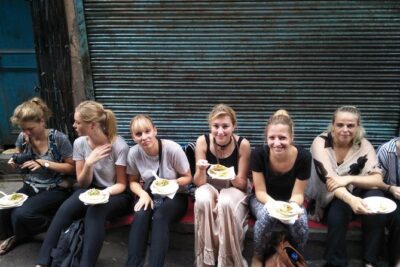 ★ 5.0The Great Indian Food Tour: Old Delhi Food and Heritage WalkFrom $431,698 reviews
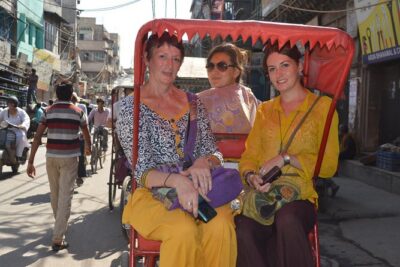 ★ 5.0Old Delhi Food, Heritage&Cultural Walk with Rickshaw ride to Masterji Kee HaveliFrom $52742 reviews
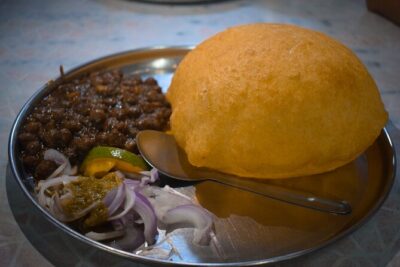 ★ 5.0Old Delhi Street Food TourFrom $40497 reviews
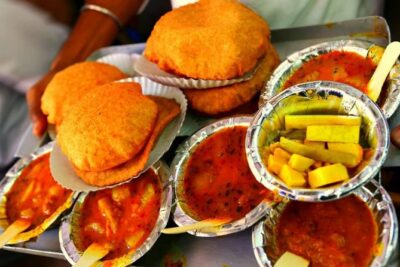 ★ 5.0Breakfast Walk in Old DelhiFrom $80449 reviews
 ★ 4.9Old Delhi Street Food Tour with Rickshaw RideFrom $43403 reviews
 ★ 5.0Delhi Food Walk: Rickshaw Ride, Street Eats & Market TourFrom $40401 reviews
 ★ 5.0Old Delhi Street Food Tour – Explore Spices in Chandni ChowkFrom $34334 reviews
 ★ 5.0Old Delhi Food Tour: A Night Time FeastFrom $38326 reviews
Browse the lists this tour appears in