
A kitchen class where your hands do the work. In New Delhi, this 3-hour session turns Indian cooking into something practical: you learn spices, cook multiple dishes from scratch, then eat the thali you made with your group.
I especially like the step-by-step hands-on format, because it’s not just watching someone else cook. And I also love how the class focuses on spices and how to use them, so the flavor makes sense rather than feeling like a mystery powder.
One thing to consider: there’s no hotel pickup or drop-off, so you’ll want to plan your own way to Tastesutra Studio (the Delhi Metro helps here).
In This Review
- Key Things You’ll Really Appreciate
- Inside the Tastesutra Studio Kitchen Experience
- Why that matters
- Welcome Drink, Spice Setup, and How Cooking Starts
- What I think you should pay attention to
- The Main Event: Your Hands on Chicken Curry, Dal, and Paneer
- Chicken curry: learning the sauce logic
- Dal: how lentils get good
- Paneer: what to watch so it stays tender
- Bread Practice: Roti and Paratha You Can Recreate
- Roti vs paratha in plain terms
- Rice and Dessert: the finish that makes the meal feel complete
- Why the dessert matters
- Picking Your Menu, Handling Allergies, and Eating Your Way
- Practical advice
- Price and Value: What $64 Buys You in 3 Hours
- Who the price makes sense for
- Getting to Tastesutra Studio Without Headaches
- What to plan in your own favor
- Who This Class Is Best For (and Not For)
- Ideal matches
- Might not be your best match if
- Should You Book This New Delhi Cooking Class?
- FAQ
- How long is the cooking class?
- What do I cook and eat?
- What’s included in the price?
- Do they offer hotel pickup or drop-off?
- Where is the meeting point?
- Which Metro stop should I use?
- Can they accommodate allergies or dietary preferences?
Key Things You’ll Really Appreciate
- A real thali meal you cook yourself, not a token sampling
- Spice knowledge with practical use, so you can recreate flavors later
- Bread practice with roti and paratha, which is where lots of home cooks struggle
- A full menu range, including chicken curry, paneer, dal, a seasonal vegetable, rice, and dessert
- Recipe take-home value, so you leave with more than photos
- English/Hindi instruction, making it easier to ask questions on the spot
Inside the Tastesutra Studio Kitchen Experience
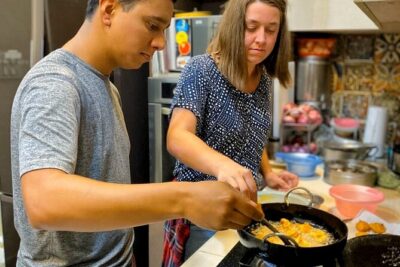
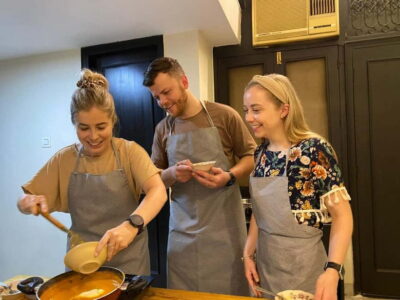
This class happens in a warm, homestyle Delhi studio kitchen. Think small-scale and personal. You’re not in a giant demo room where you stand on the sidelines. Instead, you’re working at the counter, tasting and adjusting as you go, with a local host guiding the process.
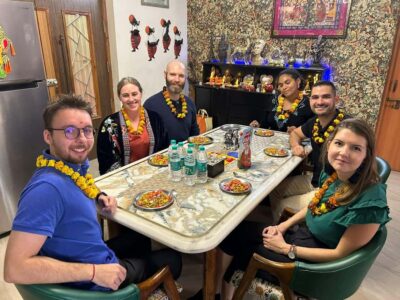
The flow is simple and useful: you start with a warm welcome, then get a refresher on key ingredients (especially spices), and finally you build a complete meal in stages. By the time you sit down, you’re not just eating Indian food. You’re eating your Indian food.
More kitchens to get your hands into


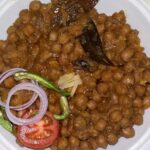

Why that matters
If you’re the type who likes to cook after a trip, this format is worth its weight in cumin. You’ll learn how different dishes rely on the same core building blocks: fat, heat control, spice timing, and balance. That’s the part that helps you cook again at home instead of copying one recipe blindly.
Welcome Drink, Spice Setup, and How Cooking Starts
The experience kicks off with a welcome drink and a quick start to the cooking day. The drink could be something like masala chai or lassi, depending on what’s being served for that session. It’s a nice first cue: Indian meals often begin with something warm or cooling, not with coffee-and-a-scone energy.
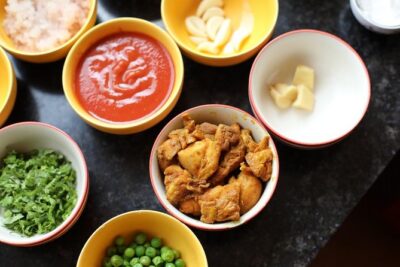
Then the real foundation starts: you’ll get familiar with different spices and their uses, guided by the instructor. The goal isn’t memorizing a spice rack like it’s a chemistry exam. It’s understanding what each spice does to flavor and when it shows up in a dish.
What I think you should pay attention to
Even if you don’t cook much, watch for two moments:
- When a spice hits hot oil or ghee (it changes character fast)
- When you add spices to build the base of a sauce or gravy
This is one of the most praised parts of the experience, and it’s easy to see why. When spices are explained with a purpose, your cooking stops being guesswork.
The Main Event: Your Hands on Chicken Curry, Dal, and Paneer
By the middle of the session, you’ll be cooking multiple dishes. The menu includes:
- Chicken curry
- A paneer (cottage cheese) dish
- A lentil (dal) preparation
- A seasonal vegetable
- Rice (served)
More aprons-on afternoons in New Delhi
Chicken curry: learning the sauce logic
Chicken curry can feel intimidating, but that’s often because people treat it like one big secret step. In a guided class, you’ll typically learn the building blocks: how to get a flavorful base, how to manage heat, and how to balance spice intensity with a sauce that coats the chicken.
If you’ve ever had curry that was either too sharp or too flat, the key lesson you’re likely to pick up is balance. You’ll see how spices and other ingredients work together instead of acting alone.
Dal: how lentils get good
Dal is where Indian cooking becomes very “real life.” It’s not only about taste. It’s about texture. A guided dal prep helps you understand what changes when lentils cook down, how thickness develops, and how seasoning ties it together.
You’ll also get exposure to the idea that dal is not just a side. In many homes, it’s a daily comfort dish. That mindset is useful when you cook at home, because it pushes you to aim for satisfying, not fancy.
Paneer: what to watch so it stays tender
Paneer can go wrong in two directions: rubbery or broken. A class gives you a chance to learn how paneer should feel during cooking and how it fits into a spiced dish.
Even if paneer dishes vary, the technique lessons are portable. You’ll pick up how to treat the cheese as an ingredient with its own needs, not just a garnish.
Bread Practice: Roti and Paratha You Can Recreate
One of the biggest value points here is that the menu includes two types of Indian bread:
- Roti
- Paratha
Bread-making in India has a big advantage. You don’t just learn a recipe. You learn motion: rolling, flattening, and cooking on the right heat. In a hands-on class, you get to practice those steps instead of just hearing about them.
Roti vs paratha in plain terms
Roti is typically about simplicity and correct heat. Paratha adds another layer: the dough process and cooking method create that richer, layered result.
If you want to cook at home later, bread is usually where you’ll see the biggest improvement fastest. Nail the technique and the whole meal feels more authentic, even with pantry spices.
Rice and Dessert: the finish that makes the meal feel complete
Rice is included as served, which is important because it affects how you eat. A thali meal isn’t one dish in a bowl. It’s multiple flavors, plus the way rice and bread carry sauces.
Then you’ll finish with a traditional Indian dessert. The exact dessert isn’t specified here, but the structure is. You cook savory dishes, eat together, then close with something sweet that turns the meal into a complete experience.
Why the dessert matters
It’s not just about sugar. Dessert signals that you’re stepping into Indian meal rhythm, where sweetness is part of the ending, not an afterthought.
Picking Your Menu, Handling Allergies, and Eating Your Way
The class offers the chance to pick a menu of your choice. Even with a core list, this is a meaningful option if you have personal preferences.
You can also request adjustments for allergies or dietary preferences. The key is timing: let the host know at booking. Requests for specific dishes may be accommodated for a customized menu, but you’ll only get that outcome if you communicate early.
Practical advice
If you’re watching for allergens, don’t treat it as a casual note. Tell them clearly what you need to avoid. That’s especially important for dishes that may include dairy, gluten-containing breads, or spice blends with multiple ingredients.
And one simple heads-up: pets aren’t allowed, so plan accordingly if you’re traveling with animals.
Price and Value: What $64 Buys You in 3 Hours
At $64 per person for 3 hours, this class sits in a practical sweet spot. You’re not paying only for instruction. You’re paying for:
- Ingredients
- Equipment and cutlery
- Lunch
- A welcome drink or water
- A guided, hands-on process to cook multiple dishes
In other words, you’re buying a full meal experience plus technique training. If you’ve tried cooking classes before where you chop one thing and call it done, this doesn’t feel like that. You’re making several components—chicken curry, dal, paneer, a seasonal vegetable, bread, and more—then eating the results as a true thali.
Who the price makes sense for
The value is strongest if you plan to cook at home after. If you’re simply hungry and want food, you could find cheaper meals around Delhi. But if your goal is to learn what makes Indian cooking work—and leave with recipes you can recreate—this price starts to look fair.
Getting to Tastesutra Studio Without Headaches
There’s no hotel pickup. You’ll meet at Tastesutra Studio.
The instructions are straightforward: use the Delhi Metro and get off at Lajpat Nagar station. From there, you can reach the studio by local transport or a short transfer, depending on what your route looks like that day.
What to plan in your own favor
- Give yourself extra time for the Metro-to-studio leg.
- If you’re carrying a camera or shopping bags, consider traveling lighter for kitchen work.
- Expect a warm indoor studio setting. Dress comfortably for hands-on cooking.
Who This Class Is Best For (and Not For)
This cooking class fits best if you want structured learning without food snobbery.
Ideal matches
- You’re a foodie who wants technique, not just taste
- You cook at home and want recipes you can actually repeat
- You travel solo or with friends and like a guided group meal
- You want a Delhi cultural activity that isn’t a museum run
Might not be your best match if
You hate hands-on activities, or you want a passive experience. This class is built around doing. If you’re looking for purely observational sightseeing, you might feel impatient.
Should You Book This New Delhi Cooking Class?
If you want one solid, practical culinary activity in New Delhi, I’d lean toward booking it.
Why: you leave with a full thali experience, you practice bread making (roti and paratha), you get real exposure to spices and how they’re used, and you take home recipes. For $64, that’s a lot of training time plus lunch built into one experience.
My main caution is simple: plan your own route to Tastesutra Studio since there’s no pickup. If you’re comfortable navigating by Metro and you’re ready to cook, this is the kind of class that pays off long after you leave Delhi.
FAQ
How long is the cooking class?
The experience lasts 3 hours.
What do I cook and eat?
You’ll cook a meal that includes chicken curry, paneer dish, dal, a seasonal vegetable, roti and paratha, and you’ll be served rice and a traditional Indian dessert.
What’s included in the price?
Equipment, cutlery, and ingredients are included, along with lunch and a welcome drink or water.
Do they offer hotel pickup or drop-off?
No. Hotel pickup and drop-off are not included.
Where is the meeting point?
The meeting point is Tastesutra Studio.
Which Metro stop should I use?
The guidance is to get off at Lajpat Nagar Metro station.
Can they accommodate allergies or dietary preferences?
You should let the host know at the time of booking if you have allergies or dietary preferences. Customized menu requests may be accommodated.
More New Delhi Cooking Classes
- Five Course Cooking Class & Meal
★ 5.0 · 250 reviews - Veg and Non veg : Private Cooking Class in Delhi home (7 meal)
★ 5.0 · 226 reviews - Indian Cooking Class in an Authentic Local Home – Learn 6 Dishes
★ 5.0 · 195 reviews - Delhi: AI Cooking Class and Much More in a Local Family Home
★ 5.0 · 85 reviews - New Delhi: Indian Cooking Class in a Local Home
★ 5.0 · 65 reviews
More Tour Reviews in New Delhi
- Old & New Delhi City Tour – Half or Full Day Options Available
★ 5.0 · 4,811 reviews - Half Day Private Delhi City Tour
★ 5.0 · 4,474 reviews - Same Day Taj Mahal, Agra Fort & Baby Taj Tour from Delhi by Car
★ 5.0 · 4,304 reviews - Taj Mahal Day Tour from Delhi by Superfast Train – TOP RATED TOUR
★ 5.0 · 4,166 reviews - Delhi: Old and New Delhi Private Full or Half-Day Tour
★ 4.9 · 3,776 reviews
Back in the Kitchen: Delhi Cooking
- Five Course Cooking Class & Meal
★ 5.0 · 250 reviews - AI Tour – Cook, Talk, Dine & more with locals at their Delhi Home
★ 5.0 · 238 reviews - Veg and Non veg : Private Cooking Class in Delhi home (7 meal)
★ 5.0 · 226 reviews - Indian Cooking Class in an Authentic Local Home – Learn 6 Dishes
★ 5.0 · 195 reviews - Delhi: AI Cooking Class and Much More in a Local Family Home
★ 5.0 · 85 reviews
Just added: more New Delhi reviews to browse
- 4 days Golden Triangle Tour★ 5.0 · 3 reviews
- Discover Old & New Delhi: Private Tour with Street Food★ 5.0 · 3 reviews
- Taj Mahal Tour From Delhi By Private Car★ 4.5 · 3 reviews
- Golden Triangle Tour 5 Days★ 5.0 · 3 reviews
- Taj Mahal: Express Entry Ticket For Sunset Tour with guide★ 5.0 · 3 reviews
- Agra Taj Mahal Sunrise & Sunset Tour from Delhi★ 5.0 · 3 reviews
Delhi Cooking Classes, compared.
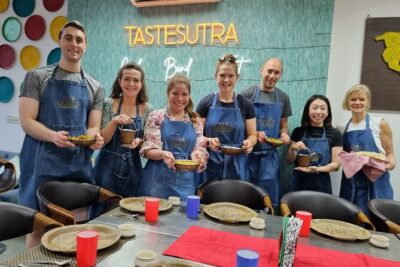 ★ 5.0Five Course Cooking Class & MealFrom $60250 reviews
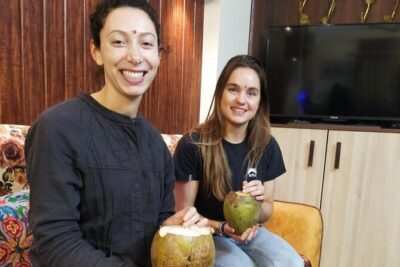 ★ 5.0AI Tour – Cook, Talk, Dine & more with locals at their Delhi HomeFrom $44238 reviews
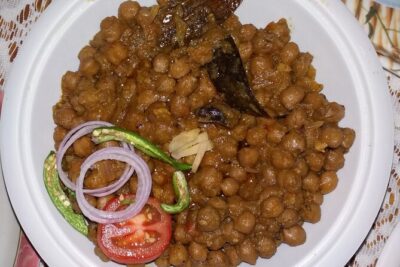 ★ 5.0Veg and Non veg : Private Cooking Class in Delhi home (7 meal)From $47226 reviews
 ★ 5.0Indian Cooking Class in an Authentic Local Home – Learn 6 DishesFrom $50195 reviews
 ★ 5.0AI Cooking Class and Much More in a Local Family HomeFrom $4085 reviews
 ★ 5.0Indian Cooking Class in a Local HomeFrom $4765 reviews
 ★ 5.0Spice Knight (Cooking Class -> Meal -> Local Market walk)From $8559 reviews
 ★ 5.0Vegetarian : Private Cooking Class in Delhi home ( Learn 7 meal)From $4758 reviews
Browse the lists this tour appears in