
Reviewed · DELHI COOKING CLASSES
New Delhi: Full-Day Cooking Class learn 8 dishes with Locals
A cooking class in a local home beats any kitchen studio. Here, you learn real Indian technique with Malika and Arunag and you can customize your menu to match your taste. What I like most is the hands-on pace and the thoughtful food flow. The only real drawback to flag is the physical setup: you’ll climb three flights of stairs to reach the kitchen.
This is a 12-hour, English-speaking, private-group experience built for food lovers, home cooks, and culture-minded travelers. You’ll start with chai and sweets, cook 7–8 dishes, taste around 12 traditional foods, and take home written recipes plus life-long help—so it’s not just a one-day food show.
In This Review
- Key highlights worth planning for
- A New Delhi cooking class in someone’s home, not a demo kitchen
- Custom menus: how you shape what you cook and eat
- Morning start at 10 AM: chai welcome and first hands-on steps
- Lunch in a real Delhi style: vegetarian thali or chhola bhatura
- Option A: Traditional vegetarian thali
- Option B: Chhola bhatura menu
- Non-veg add-on
- The afternoon reset: prep work that makes the dinner smooth
- 4:30 PM chai break with pakoras and a street snack
- Dinner: build your own iconic spread
- Recipes, written notes, and life-long assistance
- Value and price: what $109 gets you for 12 hours
- Who should book this New Delhi cooking class (and who shouldn’t)
- Should you book Malika and Arunag’s full-day cooking class?
- FAQ
- How many dishes will I learn?
- What and how much will I taste?
- Is lunch vegetarian only?
- What does dinner include?
- Is hotel pickup included?
- Is alcohol included?
- Do I need to climb stairs?
Key highlights worth planning for
- Menu customization with Malika and Arunag based on your preferences before you cook
- 7–8 hands-on dishes plus tasting around 12 traditional foods you choose
- Two meal styles in one day: a vegetarian lunch thali (or chhola bhatura) and a non-veg dinner
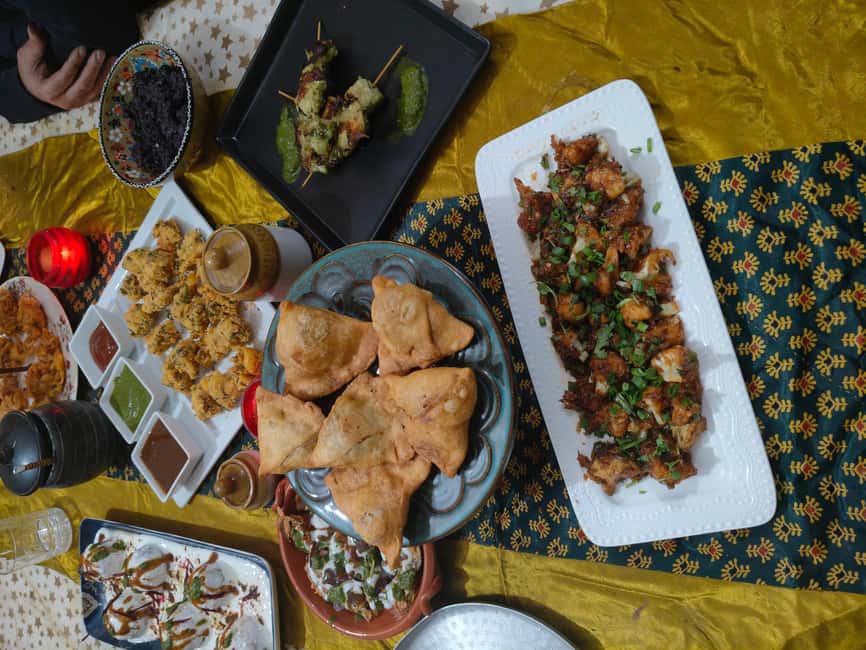
- Chai-and-snacks break with pakoras and a homemade street snack like chaat
- Written recipes for everything you make, plus life-long assistance afterward
A New Delhi cooking class in someone’s home, not a demo kitchen
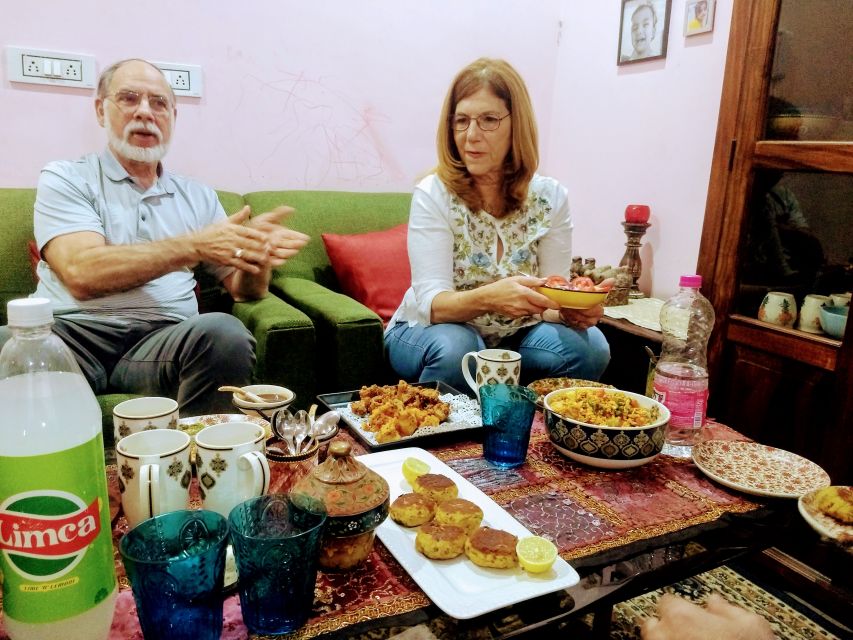
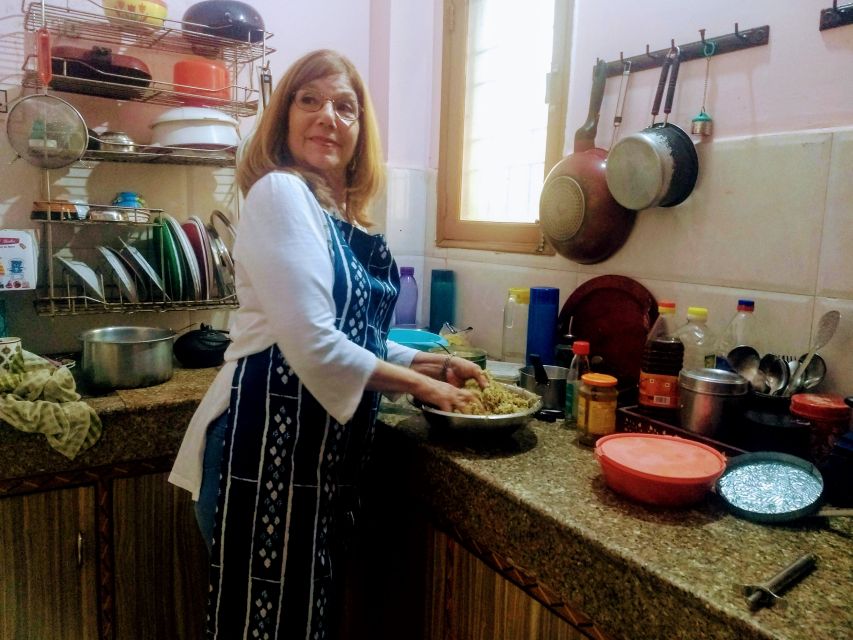
You’re not rolling into a classroom. You’re stepping into a real local home around 10 AM, meeting Malika and Arunag as you’d with friends who love feeding people. That matters because Indian cooking is as much about timing, multitasking, and seasoning as it is about any single recipe. In this setup, you get to practice those rhythms instead of watching from a stool.
This is also a private group, so the day can flex around you. Malika takes time to discuss flavor preferences after booking so you end up with a menu that makes sense for your palate—not a fixed lineup you have to pretend you like.
One more practical point: there’s no hotel pickup or drop-off. Your host contacts you once the booking is confirmed with their address and transport suggestions, so plan on handling your own way there.
More kitchens to get your hands into



Custom menus: how you shape what you cook and eat
The big value here is choice. You’re not just “learning Indian food.” You’re building a day that fits your preferences—vegetarian or non-vegetarian, and specific dish direction if you have favorites.
That menu customization shows up in two ways:
- What you learn to cook (7–8 authentic dishes)
- What you taste (around 12 traditional foods of your choice)
You’ll also get guidance on “how to think like a cook,” not just what to follow. The hosts explain spices and techniques, and they’re clear when it comes to flavor adjustment—salt, heat, tang, and finishing steps. If you’ve ever cooked Indian food at home and felt it was close but not quite right, that’s usually where this kind of help pays off.
Morning start at 10 AM: chai welcome and first hands-on steps
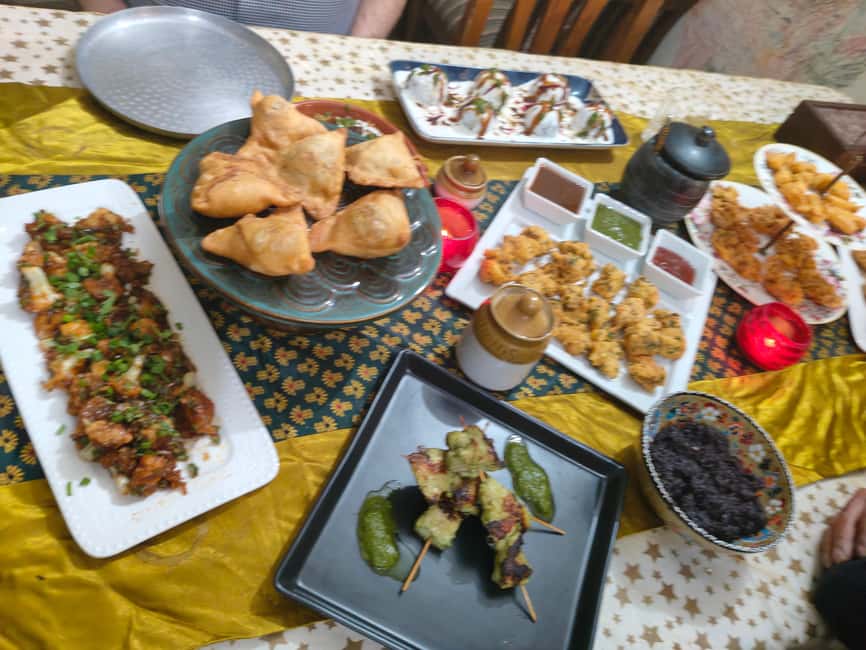
Your day begins around 10 AM with a welcome coffee or chai plus an Indian sweet. It’s a small thing, but it sets the tone: relaxed, friendly, and ready to cook. Then you get a quick overview of how the day runs, with time for questions and preferences.
Around 10:30 AM, you roll up your sleeves for the first cooking session. This is when the class does what many short workshops can’t: it builds momentum. You’re not just learning the basics of one dish. You’re learning multiple techniques that connect—tempering spices, building gravy, working with breads and sides, and balancing fresh and cooked flavors.
If you’re brand new in the kitchen, you’ll be thankful they guide you step-by-step. If you already cook Indian food, you’ll still likely pick up small, practical tricks from how they handle sequencing and seasoning.
Lunch in a real Delhi style: vegetarian thali or chhola bhatura
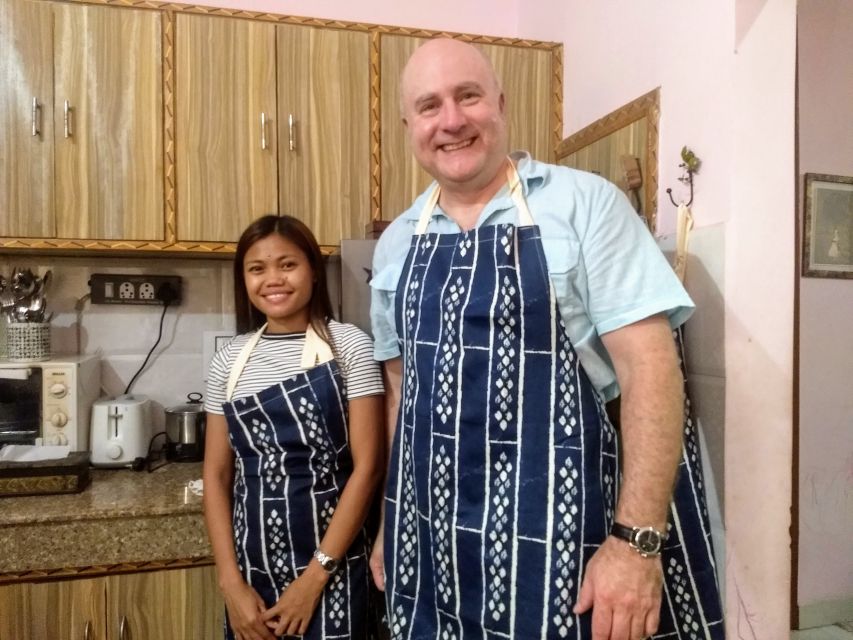
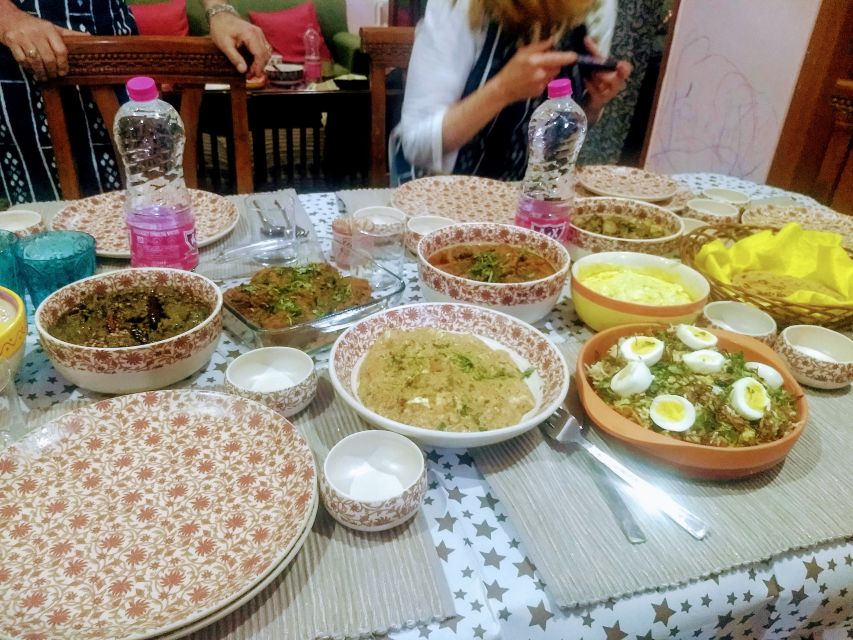
Lunch is a key anchor in this day. It’s traditional, sit-down, and it also functions like a live lesson in how Indian meals are structured.
Option A: Traditional vegetarian thali
The vegetarian thali typically includes:
- A seasonal veggie
- A potato dish
- A paneer dish
- Dal tadka or makhni
- Zeera rice
- Puri (fried bread)
- Raita (flavored yogurt)
- Pickles and relishes
- Dessert
Why this matters: you get to taste how different textures and flavors work together—crunchy puri with creamy raita, lentils with rice, and the pickles that cut through richness. It’s not “a meal,” it’s a map of the balance Indian cooking aims for.
More aprons-on afternoons in New Delhi
Option B: Chhola bhatura menu
If you choose this route, lunch features:
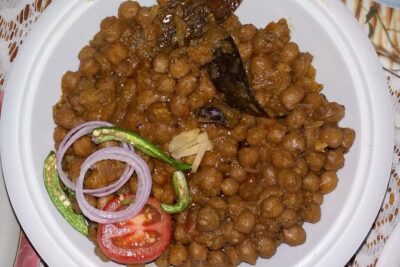
- Chhola
- Bhatura
- A potato dish
- Veg pulao
- Dahi bhalla (dumplings in yogurt)
- Relishes, pickles, and dessert
This option is great if you want a more street-food-feeling lunch while still staying fully traditional. The yogurt-based element (dahi bhalla) also helps you learn how cooling, sourness, and spice coexist.
Non-veg add-on
Non-vegetarian lunch options can be added on request. That flexibility is useful if you want to keep the day grounded in your comfort zone while still learning a broader spread.
After lunch, you get about an hour of downtime before returning to the kitchen.
The afternoon reset: prep work that makes the dinner smooth
That hour after lunch is smart. Indian cooking is timing-heavy, and a little breathing room helps you actually enjoy what comes next instead of feeling rushed.
When you head back around late afternoon, the focus shifts to lighter prep for dinner—things like frying onions and marinating ingredients. Even if you’re not cooking every minute, these prep steps are exactly what separates a “tasty homemade meal” from something that tastes layered and intentional.
This is also a good part of the day to ask questions. If there’s a spice blend, a technique, or a flavor you want to nail, it’s usually easier to troubleshoot before everything hits the stove.
4:30 PM chai break with pakoras and a street snack
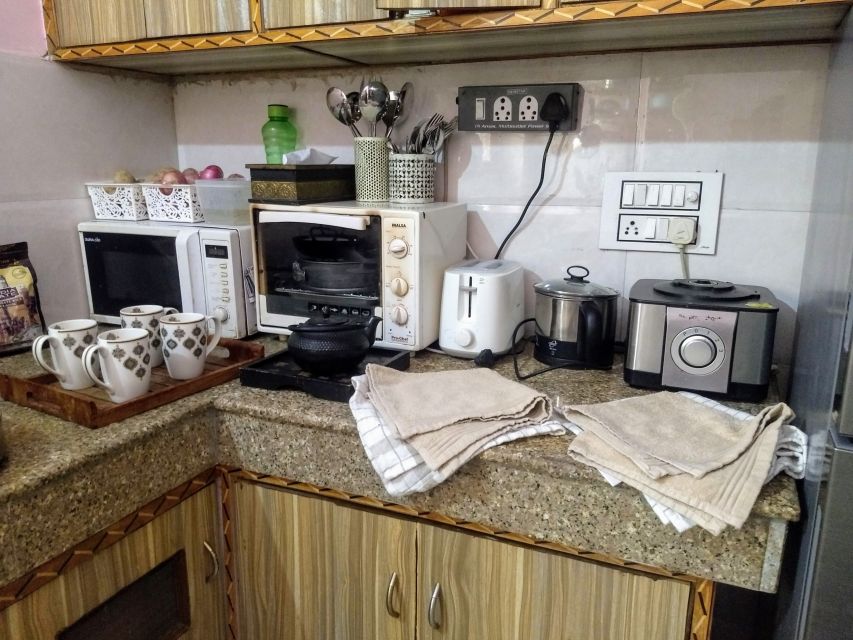
Around 4:30 PM, you get a refreshing cup of masala chai paired with pakoras (fritters) and a homemade street snack such as chaat. This is more than a break—it’s a palate reset.
Pakoras teach you batter consistency and frying control, while chaat teaches balancing: crunchy elements plus tang (often yogurt or chutneys) plus spice. When you later cook dinner, that snack memory can help you remember how to finish with the right “pop” instead of relying only on simmering.
In some cases, you may also get a neighborhood pause during breaks, including chatting with neighbors and a view from the roof. That kind of moment turns the day from just food lessons into a real, lived-in Delhi experience.
Dinner: build your own iconic spread
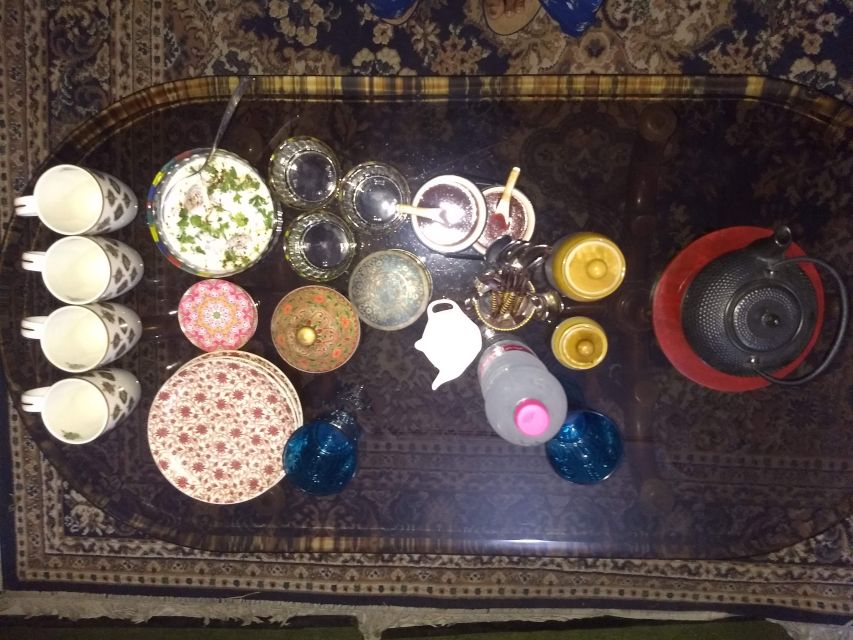
Dinner is where the day comes together. After tea and snacks, you cook an iconic non-vegetarian dinner built from the dishes you selected (or the options you chose with Malika’s help).
A typical dinner includes:
- A non-veg curry of your choice (examples given include butter chicken, korma, nihari, or rogan josh)
- A seasonal veggie
- Kebabs or tikka
- 1–type of bread
- Chicken or mutton biryani
- Homemade Indian dessert
You’re not only making one dish. You’re learning how the pieces fit: curry richness alongside bread and kebabs, biryani as the aromatic main, and dessert to wrap it up cleanly.
This is also where the hosts’ technique talk matters. Indian curries and gravies live on small decisions—spice timing, fat balance, thickness, and the final adjustment. Since dinner is the culmination of your morning and afternoon cooking, you get a chance to apply what you learned earlier in the day.
Recipes, written notes, and life-long assistance
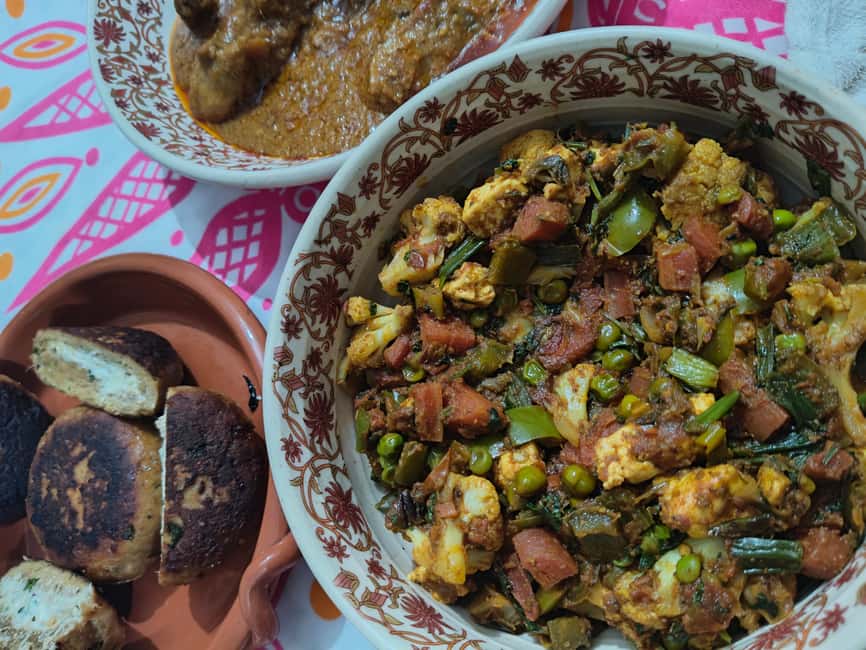
One reason this class feels better than a quick “two dishes and go” workshop is what you take home.
You receive recipes for all dishes prepared, and you also get life-long assistance. That’s big if you’re traveling and you want to recreate the dishes later without guessing your way through spice levels and cooking steps.
Written recipes help, but the real win is that you’re not left alone after the class ends. If you try making say, a biryani at home and something tastes off, you’ll have a clear reference for what the class focused on—plus a way to get support afterward.
Value and price: what $109 gets you for 12 hours
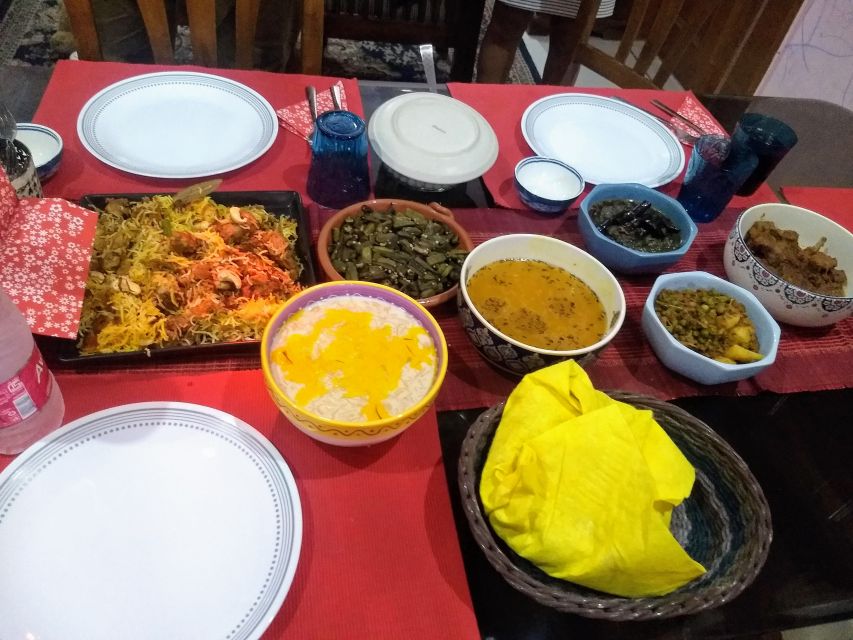
At $109 per person, this isn’t the cheapest cooking class on the planet. But for a full 12-hour day in a home kitchen, it stacks up in practical ways:
- You cook 7–8 dishes, not just one or two
- You also taste around 12 traditional foods you choose
- Lunch and dinner are fully built in a traditional style (including raita, breads, pickles, and dessert)
- Ingredients, equipment, and bottled water are included
- You get written recipes and life-long help
In other words, you’re paying for time, teaching, and the ability to take home skills. If you value one-day access to a family-style menu and hands-on guidance, this price starts to look fair rather than inflated.
Who should book this New Delhi cooking class (and who shouldn’t)
This works best for:
- Foodies who want real Indian technique and not just a recipe list
- Home cooks who like structured learning and want recipes they can follow later
- Travelers who enjoy “eat, cook, taste, repeat” and want a day that feels personal
A couple of cautions:
- You’ll climb three flights of stairs to reach the cooking class area. If mobility is an issue, skip this one.
- It’s not suitable for people with food allergies. If you have allergies, don’t assume you can swap ingredients without risk.
Should you book Malika and Arunag’s full-day cooking class?
If your goal is to learn Indian cooking the way people actually cook—multiple dishes, real sequencing, and flavor balancing—yes, you should book. The menu customization, the long teaching day, and the fact that you leave with written recipes and life-long assistance make this feel like more than a one-off experience.
If you’re short on time, strongly mobility-limited, or need strict allergy handling, then this probably isn’t the right fit. For everyone else who wants a hands-on New Delhi cooking day with a home-cooked feel, it’s a very solid choice.
FAQ
How many dishes will I learn?
You’ll learn to prepare 7–8 authentic Indian dishes during the full day.
What and how much will I taste?
You’ll taste around 12 traditional Indian foods, chosen based on your preferences.
Is lunch vegetarian only?
You can choose a traditional vegetarian thali for lunch, or opt for chhola bhatura. Non-vegetarian lunch options can also be added on request.
What does dinner include?
Dinner includes a non-veg curry of your choice, plus seasonal veggies, kebabs or tikka, bread, chicken or mutton biryani, and homemade dessert.
Is hotel pickup included?
No. Hotel pickup and drop-off are not included. The host will contact you with the address and transport suggestions.
Is alcohol included?
No. Alcoholic beverages are not included.
Do I need to climb stairs?
Yes. You have to climb 3 flights of stairs for the cooking class, and it’s not suitable for people with mobility impairments.
If you want, tell me your food preferences (vegetarian, non-veg, spice level, and any dishes you hope to learn), and I’ll suggest how to shape your best possible menu for this 12-hour day.
More New Delhi Cooking Classes
- Five Course Cooking Class & Meal
★ 5.0 · 250 reviews - Veg and Non veg : Private Cooking Class in Delhi home (7 meal)
★ 5.0 · 226 reviews - Indian Cooking Class in an Authentic Local Home – Learn 6 Dishes
★ 5.0 · 195 reviews - Delhi: AI Cooking Class and Much More in a Local Family Home
★ 5.0 · 85 reviews - New Delhi: Indian Cooking Class in a Local Home
★ 5.0 · 65 reviews
More Tour Reviews in New Delhi
- Old & New Delhi City Tour – Half or Full Day Options Available
★ 5.0 · 4,811 reviews - Half Day Private Delhi City Tour
★ 5.0 · 4,474 reviews - Same Day Taj Mahal, Agra Fort & Baby Taj Tour from Delhi by Car
★ 5.0 · 4,304 reviews - Taj Mahal Day Tour from Delhi by Superfast Train – TOP RATED TOUR
★ 5.0 · 4,166 reviews - Delhi: Old and New Delhi Private Full or Half-Day Tour
★ 4.9 · 3,776 reviews
Back in the Kitchen: Delhi Cooking
- Five Course Cooking Class & Meal
★ 5.0 · 250 reviews - AI Tour – Cook, Talk, Dine & more with locals at their Delhi Home
★ 5.0 · 238 reviews - Veg and Non veg : Private Cooking Class in Delhi home (7 meal)
★ 5.0 · 226 reviews - Indian Cooking Class in an Authentic Local Home – Learn 6 Dishes
★ 5.0 · 195 reviews - Delhi: AI Cooking Class and Much More in a Local Family Home
★ 5.0 · 85 reviews
Just added: more New Delhi reviews to browse
- 4 days Golden Triangle Tour★ 5.0 · 3 reviews
- Discover Old & New Delhi: Private Tour with Street Food★ 5.0 · 3 reviews
- Taj Mahal Tour From Delhi By Private Car★ 4.5 · 3 reviews
- Golden Triangle Tour 5 Days★ 5.0 · 3 reviews
- Taj Mahal: Express Entry Ticket For Sunset Tour with guide★ 5.0 · 3 reviews
- Agra Taj Mahal Sunrise & Sunset Tour from Delhi★ 5.0 · 3 reviews
Delhi Cooking Classes, compared.
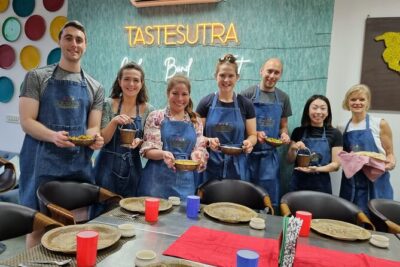 ★ 5.0Five Course Cooking Class & MealFrom $60250 reviews
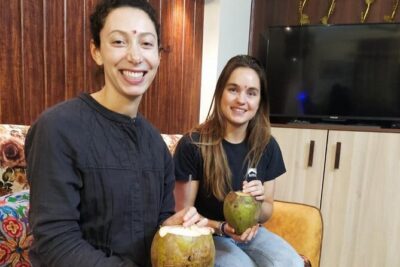 ★ 5.0AI Tour – Cook, Talk, Dine & more with locals at their Delhi HomeFrom $44238 reviews
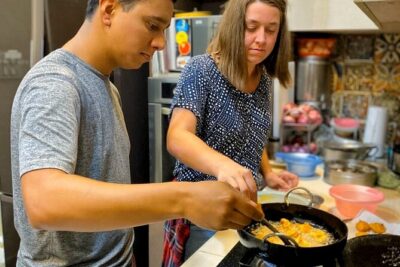
 ★ 5.0Veg and Non veg : Private Cooking Class in Delhi home (7 meal)From $47226 reviews
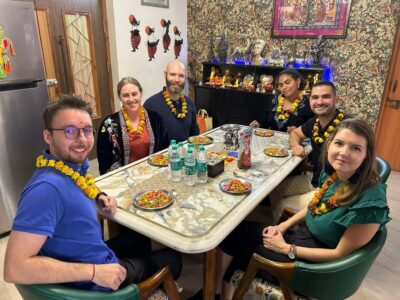
 ★ 5.0Indian Cooking Class in an Authentic Local Home – Learn 6 DishesFrom $50195 reviews
 ★ 5.0AI Cooking Class and Much More in a Local Family HomeFrom $4085 reviews
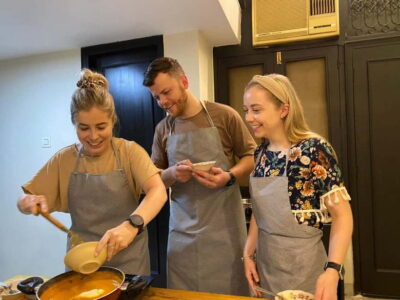 ★ 5.0Indian Cooking Class in a Local HomeFrom $4765 reviews
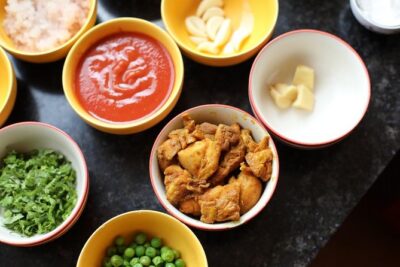 ★ 5.0Spice Knight (Cooking Class -> Meal -> Local Market walk)From $8559 reviews
 ★ 5.0Vegetarian : Private Cooking Class in Delhi home ( Learn 7 meal)From $4758 reviews
Browse the lists this tour appears in