
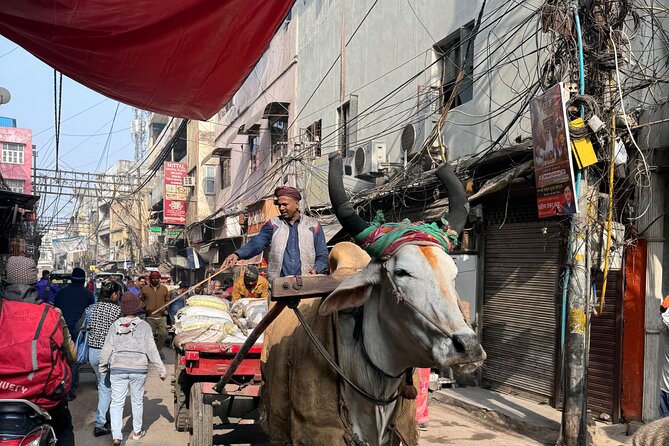
Reviewed · OLD DELHI FOOD TOURS
Old Delhi Heritage Food Walk
Spice smells and prayer steps in one walk. This Old Delhi Heritage Food Walk threads rickshaw lanes with masala chai and iconic stops like Khari Baoli spice market. You get a guided route through older-than-2,000-years Delhi, with the food doing half the storytelling.
I especially like how the guiding feels human and flexible. Guides such as Dave, Dev, and Devendra keep things moving, answer questions, and point out photo spots so you’re not just snapping blindly.
One consideration: you’re walking through crowded, narrow streets, so wear comfortable shoes and expect heat and spice-heavy air.
In This Review
- Key things I’d plan around
- Old Delhi Heritage Food Walk: Why This Mix of Food and Sights Works
- Meeting at Jama Masjid: Start Here and Get Your Bearings Fast
- Old Delhi Rickshaw Ride and Masala Chai: The Tour’s Best First Hour
- Jain Lal Mandir and Gauri Shankar Temple: Spiritual Stops With Character
- Khari Baoli: The Spice Market Stop You’ll Remember by Smell
- Gali Paranthe Wali: Paratha Culture in a Small, Focused Window
- Jama Masjid: Photo Time and a Clean Finish Back at the Gate
- Price and Value: Is $35 a Smart Deal?
- Who This Tour Fits Best (and Who Might Skip It)
- Should You Book the Old Delhi Heritage Food Walk?
- FAQ
- How long is the Old Delhi Heritage Food Walk?
- How much does the tour cost?
- Where does the tour start and end?
- Is pickup available?
- What’s included in the price?
- Is Jama Masjid admission included?
- Is this tour private?
- Can I cancel for a refund?
- Is the tour suitable for most people and can service animals join?
Key things I’d plan around
- A rickshaw ride plus masala chai early on to set the mood fast
- Khari Baoli spice market, often described as Asia’s largest spice market
- Temple stops that feel specific, not generic (Jain Lal Mandir’s bird hospital detail, plus a 600-year-old Hindu temple)
- Gali Paranthe Wali for paratha street culture, short and sweet
- Jama Masjid photo time, with notes that admission isn’t included
- $35 value built around included food tastings, bottled water, and most admissions
Old Delhi Heritage Food Walk: Why This Mix of Food and Sights Works
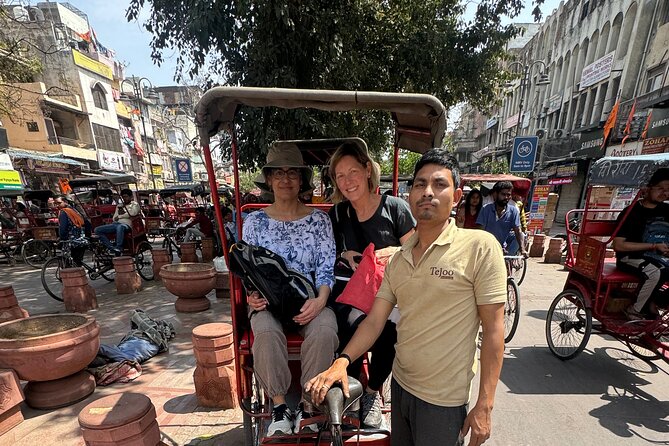
Old Delhi can feel like sensory overload in the best way. This tour turns that chaos into an ordered walk: a few major landmarks, then the food and spice scenes that explain how people actually live and eat here.
What I like most is that the food isn’t treated like an afterthought. You start with a classic cup of masala chai, then you move into spice-shopping territory at Khari Baoli, and you finish with a very specific street-food mission around parathas. It makes sense. Food first, then you understand why the city smells the way it does.
You’re also not just “checking boxes.” The route includes religious stops that are part of daily life, not museum-style sightseeing. Expect short time slices at each place, but enough context to read what you’re seeing—especially when the guide explains customs and what to watch for.
The price is also fair for what’s built in: bottled water, food tastings across the route, and admission tickets for most stops. The only real “extra” you may run into is tips, since those aren’t included.
More hours to spend in Old Delhi

Meeting at Jama Masjid: Start Here and Get Your Bearings Fast
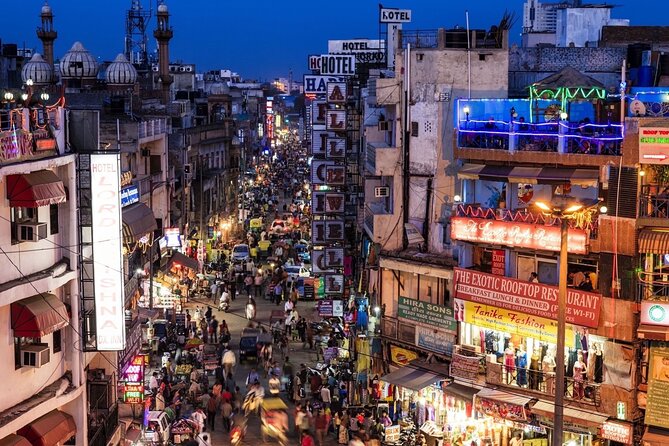
Your walk begins at Jama Masjid in Old Delhi, and you end back at the same meeting point. That matters because Old Delhi is easier when you have a clear home base. You don’t waste time hunting for your group at the end.
The day runs for the operator’s hours listed as 8:30 AM to 5:00 PM. The tour itself runs about 4 hours 30 minutes (approx.), so you should plan this as a main activity, not a quick side quest.
Pickup is offered, which is useful if you’re arriving from farther out or you just don’t want to wrestle with local transport on day one. Either way, the meeting point is near public transportation, so you can manage without pickup if you prefer.
One practical tip: if you’re sensitive to strong smells, remember that the spice market stop is part of the experience. You’ll see the stalls; you’ll also catch the strong scents up close.
Old Delhi Rickshaw Ride and Masala Chai: The Tour’s Best First Hour
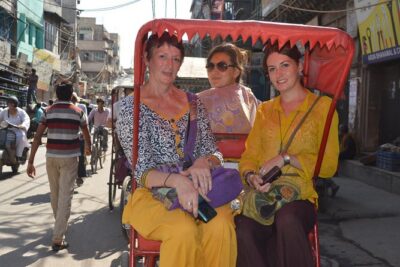
The tour kicks off with an Old Delhi rickshaw ride. This isn’t just a ride for fun—it’s the quickest way to get a feel for the city’s lanes. You’ll be close to shopfront life, street activity, and that intense motion that makes Old Delhi feel like it never truly stops.
Along the way, you’ll taste Indian authentic masala chai. This is a smart start because chai is common, comforting, and easy to compare with what you know at home. It also gives you a baseline flavor memory before the spice market.
You’ll also visit a Sikh temple during this opening section. That’s important context. You’re not only moving through food streets; you’re moving through places tied to faith and community routines.
This first stop is where the tour’s tone gets set: short, active, and guided with enough pacing that you don’t feel lost. In the reviews, guides like Dave and Dev/Devendra are praised for being punctual and professional, and that’s exactly what you want when you’re navigating traffic and crowds.
Jain Lal Mandir and Gauri Shankar Temple: Spiritual Stops With Character
The second and third stops focus on temples: Sri Digambar Jain Lal Mandir and Gauri Shankar Temple. These are both placed in the heart of Old Delhi, so you’re seeing religion embedded in the street fabric.
At Sri Digambar Jain Lal Mandir, one standout detail is that it’s associated with a bird hospital. That’s a very specific element—more than just architecture. It gives you something to notice beyond the typical “pretty temple” reaction.
Then comes Gauri Shankar Temple, described as older than 600 years. That age detail matters because it helps you understand these spaces aren’t new tourist sets. They’ve been part of the neighborhood rhythm long before street food tourism became a thing.
Time at each temple stop is short (about 30 minutes for each listed temple area), so you’ll be looking, listening, and respecting. You might be tempted to rush photos. Instead, pause long enough to absorb what people are doing around you—prayers, offerings, movement through space. That’s where the meaning shows.
If you like tours that explain what you’re seeing instead of only pointing, this part is a good fit. It’s also a nice break from the sensory push of markets, even though the streets remain busy.
Khari Baoli: The Spice Market Stop You’ll Remember by Smell
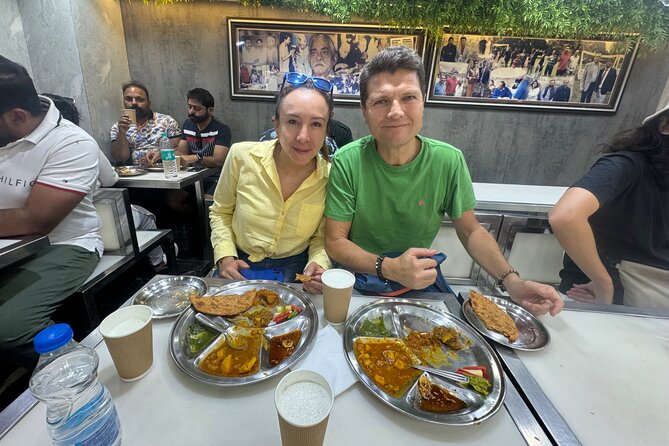
Khari Baoli is the big spice moment on the route. It’s described as the largest spice market of Asia, and that scale shows in how visually dense it feels. You’ll come out of the temple sections and into a world where spices are the main language.
What you’ll likely notice first is smell. Not subtle. You’ll smell cardamom, chili, cumin-type notes, and other mixed aromas that shift as you move stall to stall. Even if you can’t name every spice, your nose catches the differences.
This stop is also valuable because it connects food to supply. In many cities, you taste spices and that’s it. Here, you see where they come from in a concentrated way. It makes the food tastings later feel less random and more intentional.
It’s listed as about 1 hour for Khari Baoli. That’s a good length: enough time to walk and compare stalls, not so long that you get spice-saturated and start imagining you can taste the color of the air.
Practical note: dress for comfort. You’ll likely be close to spice piles, packaging, and lots of movement. Keep your phone protected and handle any heavier items you bring. The market is a place to look, not a place to fumble.
Still hungry? More Old Delhi food crawls
Gali Paranthe Wali: Paratha Culture in a Small, Focused Window
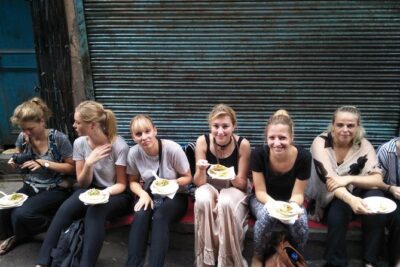
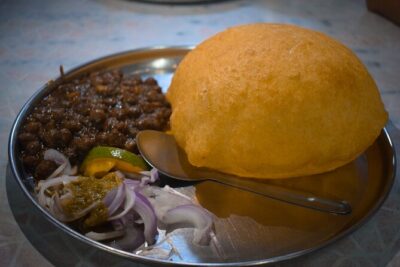
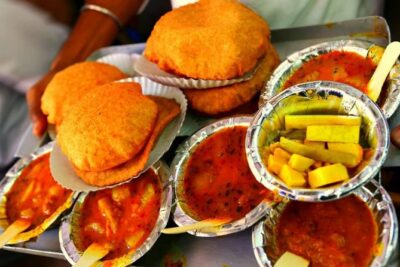
After the spice market, the route shifts to Gali Paranthe Wali. This street is famous for parathas, and the tour frames it around typical, unique bread-style food that people come for specifically.
You’ll have only about 30 minutes here, so this isn’t a long sit-down meal. Instead, it’s about the street-food atmosphere: ordering, watching how food is prepared nearby, and tasting what makes parathas special as a Delhi staple.
The value here is that you’re tasting something local and specific, not just grabbing a generic snack. A good guide can help you choose confidently—especially in a crowded lane where everything looks tempting and your stomach wants a plan.
This stop also works well if you want a manageable food experience. You get the key flavors without turning the whole tour into a nonstop eating marathon.
One more practical point: street-food culture can be intense. If you’re cautious about what you eat, go slow, ask questions, and let your guide handle the safest, most sensible approach. In the reviews, the street-food route is praised for being handled in a safe way, and that’s exactly the energy you want.
Jama Masjid: Photo Time and a Clean Finish Back at the Gate
Jama Masjid is both the meeting point and the final anchor. It’s described as the largest mosque of India, and the tour gives you a short photo-friendly window there (about 20 minutes). Admission ticket notes indicate that this stop’s admission isn’t included, so if you plan to go in deeper, you’ll want to check what’s covered on the day.
Even if you only do photos, it’s a strong finish. You’ll already have context from the earlier temple stops and the spice-market sensations, so the mosque view lands differently than it would on a normal sightseeing day.
Ending back at the meeting point is a small detail that feels big in practice. Old Delhi navigation can be confusing, and having a clear end point means you can move to your next plan without extra hassle.
If you want a smooth day, treat this tour as your Old Delhi backbone: it sets the route so you can explore afterward with fewer wrong turns.
Price and Value: Is $35 a Smart Deal?
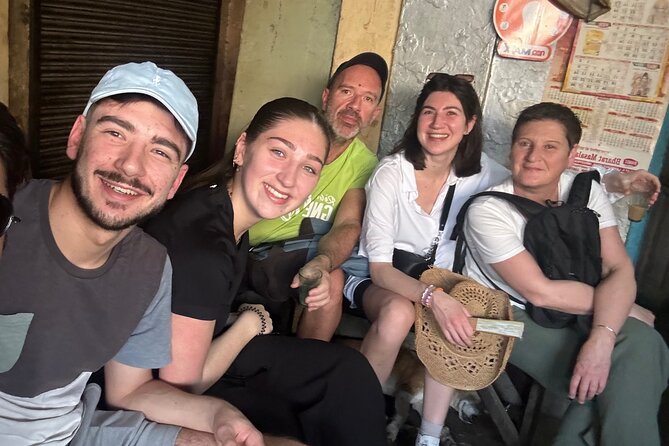
The price is $35.00 per person for an experience running about 4 hours 30 minutes. For central Old Delhi, that’s not a low-cost tour—but it’s also not just paying for walking. You’re paying for coordination, a guided route, bottled water, food tastings, and admission tickets for multiple stops.
Here’s what stands out as good value:
- Bottled water is included (one bottle), which sounds small until you’re in Old Delhi heat.
- Food tastings are part of the structure, including masala chai and paratha street culture.
- Admission tickets are included for most stops (Jama Masjid admission is noted as not included).
What you should budget for:
- Tips are not included.
- If you decide to do anything beyond the short photo time at Jama Masjid, you may need to cover entry or extras on your own.
The tour also offers pickup, mobile tickets, and group discounts. Those perks matter if you want less planning stress and more predictable logistics.
Finally, it’s a private tour where only your group participates. That usually means less waiting, fewer mismatched paces, and more time for questions.
Who This Tour Fits Best (and Who Might Skip It)
This Old Delhi Heritage Food Walk is best for you if you want a focused Old Delhi day without building your own route. It’s ideal when you like food with context—chai, spices, and paratha culture—paired with quick hits at major religious landmarks.
It’s also a strong fit for first-timers. The route helps you understand the geography of Old Delhi: start at Jama Masjid, move through temple stops, hit Khari Baoli for the spice “shock,” then shift to paratha street culture.
You might consider skipping or swapping for something else if you hate walking in crowded places. The route is compact in time, but Old Delhi lanes are narrow and lively. If that sounds exhausting, you’ll likely feel it.
And if you’re traveling with people who need everything slow and quiet, this might feel too active. But if your group likes street life, this tour gives you a guided way to enjoy it.
Should You Book the Old Delhi Heritage Food Walk?
Yes, if you want an Old Delhi experience that’s more than monuments. The mix of masala chai, Khari Baoli spices, temple stops with specific details, and a paratha-focused street stop gives you a well-rounded day that still stays manageable.
Book it especially if you value a guide who keeps things organized and responsive—based on the consistent praise for punctual, professional guiding and helpful photo pointers from guides such as Dave and Dev/Devendra. You’ll get the highlights without spending the day figuring out logistics.
If you prefer ultra-flexible travel with long meal times, you might find the stops short. But for many visitors, that’s the point: you sample the core flavors and sights in one 4.5-hour loop, then you can explore on your own with a better sense of direction.
FAQ
How long is the Old Delhi Heritage Food Walk?
It runs about 4 hours 30 minutes (approx.).
How much does the tour cost?
The price is $35.00 per person.
Where does the tour start and end?
It starts at Jama Masjid, Old Delhi, Delhi 110006, India and ends back at the same meeting point.
Is pickup available?
Pickup is offered.
What’s included in the price?
You receive bottled water (one bottle) and you taste different foods during the walk. Admission tickets are included for the listed stops, except where it notes admission is not included.
Is Jama Masjid admission included?
Admission ticket for Jama Masjid is noted as not included.
Is this tour private?
Yes. It’s a private tour/activity, and only your group participates.
Can I cancel for a refund?
Yes. Free cancellation is available. You can cancel up to 24 hours in advance for a full refund.
Is the tour suitable for most people and can service animals join?
Most travelers can participate, and service animals are allowed. The meeting point is near public transportation.
More Tour Reviews in New Delhi
- Old & New Delhi City Tour – Half or Full Day Options Available
★ 5.0 · 4,811 reviews - Half Day Private Delhi City Tour
★ 5.0 · 4,474 reviews - Same Day Taj Mahal, Agra Fort & Baby Taj Tour from Delhi by Car
★ 5.0 · 4,304 reviews - Taj Mahal Day Tour from Delhi by Superfast Train – TOP RATED TOUR
★ 5.0 · 4,166 reviews - Delhi: Old and New Delhi Private Full or Half-Day Tour
★ 4.9 · 3,776 reviews
Still Hungry in Old Delhi
- The Great Indian Food Tour: Old Delhi Food and Heritage Walk
★ 5.0 · 1,698 reviews - Old Delhi Food, Heritage&Cultural Walk with Rickshaw ride to Masterji Kee Haveli
★ 5.0 · 742 reviews - Old Delhi Street Food Tour
★ 5.0 · 497 reviews - Breakfast Walk in Old Delhi
★ 5.0 · 449 reviews - Delhi: Old Delhi Street Food Tour with Rickshaw Ride
★ 4.9 · 403 reviews
More of Old Delhi
- The Great Indian Food Tour: Old Delhi Food and Heritage Walk
★ 5.0 · 1,698 reviews - Old Delhi Food, Heritage&Cultural Walk with Rickshaw ride to Masterji Kee Haveli
★ 5.0 · 742 reviews - Old Delhi Bike Tour
★ 5.0 · 616 reviews - Old Delhi Street Food Tour
★ 5.0 · 497 reviews - Breakfast Walk in Old Delhi
★ 5.0 · 449 reviews
Just added: more New Delhi reviews to browse
- 4 days Golden Triangle Tour★ 5.0 · 3 reviews
- Discover Old & New Delhi: Private Tour with Street Food★ 5.0 · 3 reviews
- Taj Mahal Tour From Delhi By Private Car★ 4.5 · 3 reviews
- Golden Triangle Tour 5 Days★ 5.0 · 3 reviews
- Taj Mahal: Express Entry Ticket For Sunset Tour with guide★ 5.0 · 3 reviews
- Agra Taj Mahal Sunrise & Sunset Tour from Delhi★ 5.0 · 3 reviews
Old Delhi Food Tours, compared.
 ★ 5.0The Great Indian Food Tour: Old Delhi Food and Heritage WalkFrom $431,698 reviews
 ★ 5.0Old Delhi Food, Heritage&Cultural Walk with Rickshaw ride to Masterji Kee HaveliFrom $52742 reviews
 ★ 5.0Old Delhi Street Food TourFrom $40497 reviews
 ★ 5.0Breakfast Walk in Old DelhiFrom $80449 reviews
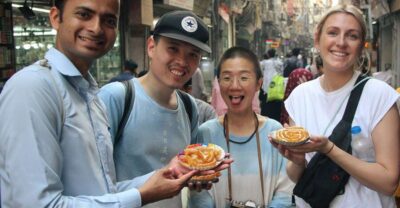 ★ 4.9Old Delhi Street Food Tour with Rickshaw RideFrom $43403 reviews
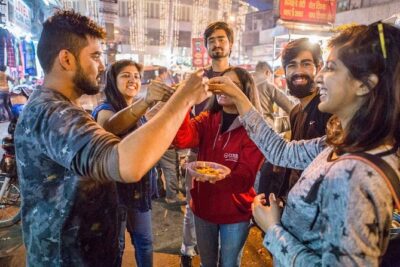 ★ 5.0Delhi Food Walk: Rickshaw Ride, Street Eats & Market TourFrom $40401 reviews
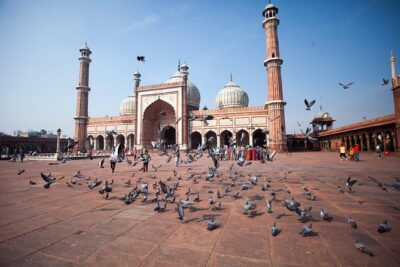 ★ 5.0Old Delhi Street Food Tour – Explore Spices in Chandni ChowkFrom $34334 reviews
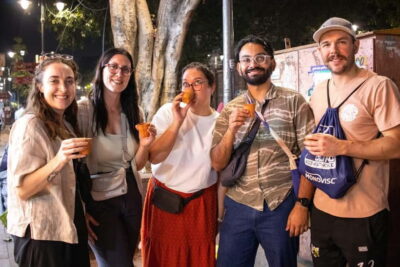 ★ 5.0Old Delhi Food Tour: A Night Time FeastFrom $38326 reviews
Browse the lists this tour appears in