
Reviewed · OLD DELHI HERITAGE WALKS
Old Delhi: Spices, Heritage and Bazaars Walking Tour
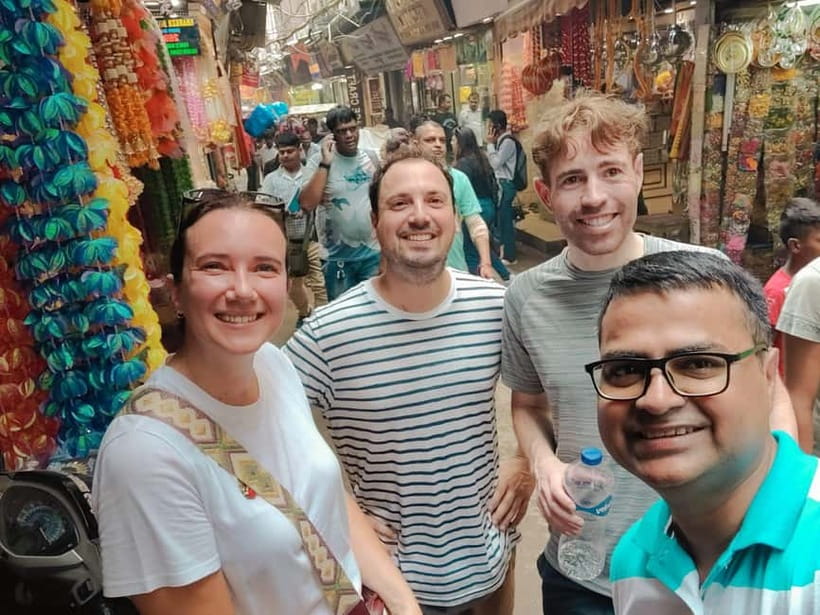
Spices hit you before the history does. This Old Delhi walking tour, led by English-speaking guide Jai Singh, is a smart way to see how daily life, Mughal-era architecture, and the city’s trading culture all mesh together in just 3 hours. I love the small group size (limited to 7), and I really like how the route focuses on sensory learning at Khari Baoli’s spice market, not just sightseeing stops on a checklist.
One consideration: it’s a walking-first experience with crowded lanes and stairs around Jama Masjid, and the mosque entry is optional but comes with an INR 450 per-person entrance fee if you choose to go in.
In This Review
- Key points worth knowing
- Starting at Jama Masjid Metro: logistics that keep the chaos manageable
- From Meena Bazaar to Jama Masjid: stepping into a 400-year-old living city
- Jama Masjid entry: choose your level, know the INR 450 fee
- Chandni Chowk lanes: markets with memory, not just storefronts
- Khari Baoli spice market: where the aromas become the lesson
- Chai, treats, and shopping stops: how to enjoy without getting steered
- Walking reality: pace, small group size, and staying comfortable
- Price and value: why $13 can feel like a bargain
- Who should book this Old Delhi spice and heritage walk
- Should you book it? A quick decision guide
- FAQ
- Where do I meet the guide?
- Is the Jama Masjid entrance included?
- How long is the tour?
- What’s included in the price?
- What is not included?
- How big is the group?
- Is the tour in English?
- Can I bring luggage or large bags?
- Where does the tour end?
- Do I need to provide contact details before the tour?
- Is the tour refundable if I change my plans?
Key points worth knowing
- Small group pace: limited to 7 people, so you’re not stuck in a giant moving crowd
- Jama Masjid views without pressure: optional interior visit, with an outside photo stop if you skip entry
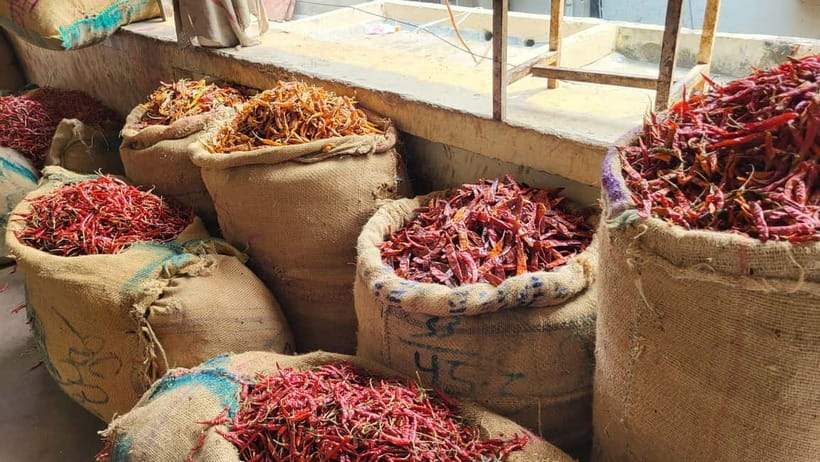
- Khari Baoli spice market immersion: wholesalers, big spice sacks, and real explanations of what you’re smelling
- Chandni Chowk + older bazaars: meandering lanes and long-running trade where crafts still matter
- Jai’s question-friendly style: he’s praised for patience and clear answers throughout the walk
Starting at Jama Masjid Metro: logistics that keep the chaos manageable
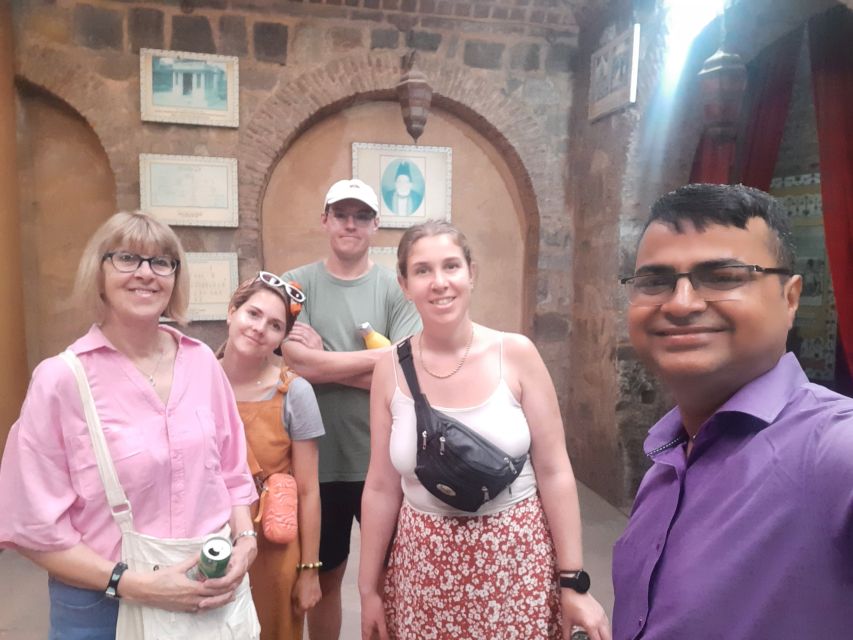
The meeting spot is very specific: Exit Gate no 1 of Jama Masjid Metro Station. If you’re arriving by Uber, you’re better off using the provided Google pin, because Old Delhi doesn’t do “easy landmarks” for anyone. The tour is designed to get you moving quickly, with a short briefing before you’re led into the maze.
This is one place where a little prep helps a lot. You’re asked to provide your WhatsApp/cell number (and email) when booking. That matters because if you show up a few meters off the pickup spot, the guide can coordinate you. In a crowded area, that one step saves real time and stress.
Pickup is optional, and it’s from centrally located hotels when offered, which can be handy if you don’t want to solve metro logistics that morning.
More hours to spend in Old Delhi




From Meena Bazaar to Jama Masjid: stepping into a 400-year-old living city
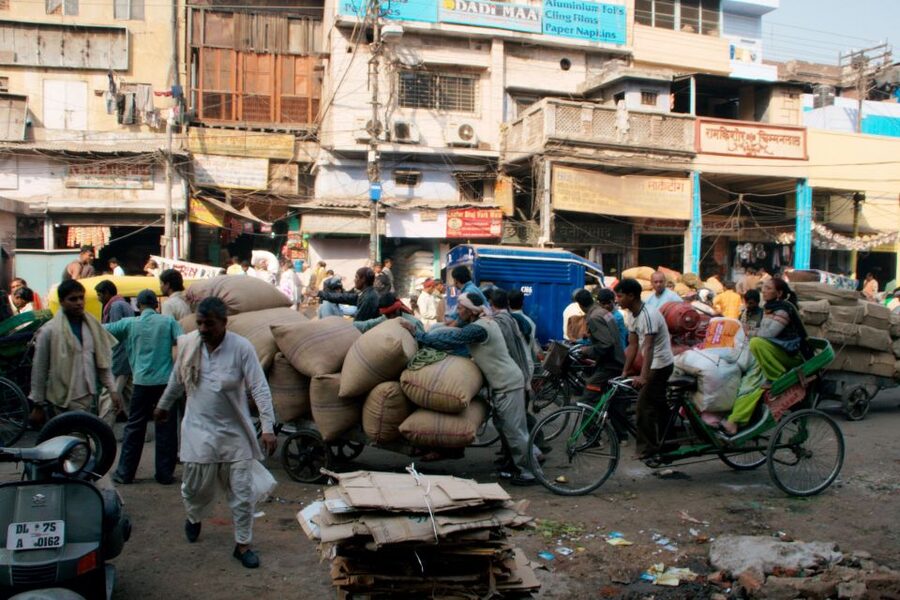
The walk begins around Meena Bazaar, which used to be tied to Mughal-era wealth and gems, but now functions as a working market selling budget-friendly goods for everyday people. That shift is part of the point. You’re not only looking at history; you’re watching how the city uses its old spaces now.
From there, the route climbs toward Jama Masjid, where you’ll see stone steps leading up to the mosque complex. Jama Masjid is considered India’s biggest mosque, and the tour connects it to Shah Jahan, the emperor associated with the Taj Mahal. Even if you don’t go inside, the approach sets the tone: big stone forms, busy streets below, and that classic Old Delhi contrast of monumental architecture next to everyday commerce.
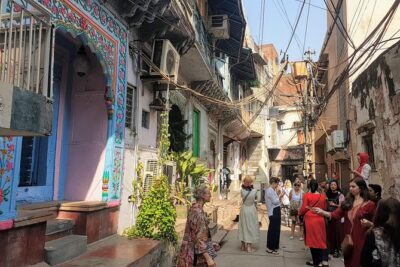
You’ll also spend time moving through meandering lanes and heritage-facing areas with traditional designs known as havelis. The best payoff here is context. You start to recognize the way Old Delhi streets funnel people to markets, crafts, and community spaces instead of acting like a random grid.
Jama Masjid entry: choose your level, know the INR 450 fee
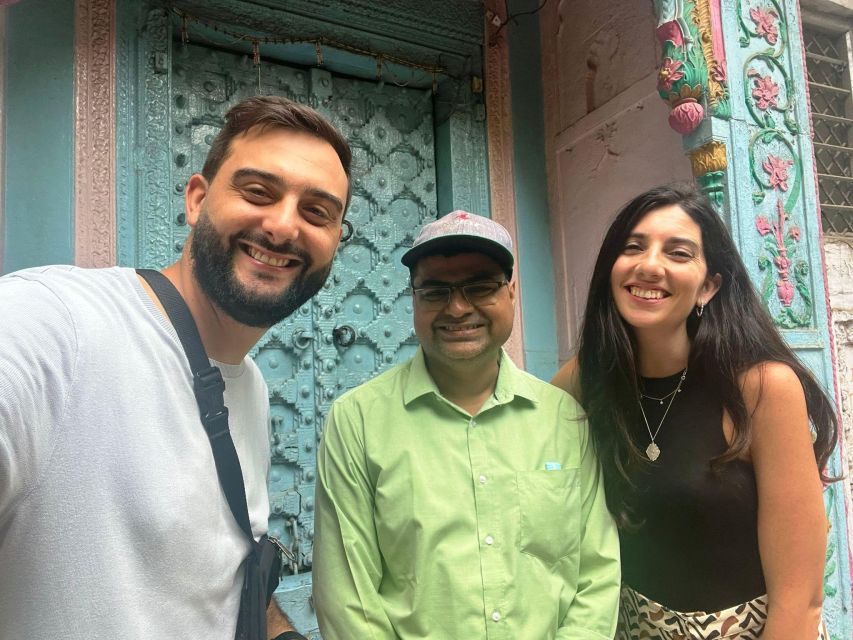
Jama Masjid entry is optional, not compulsory. If you choose not to enter, you’ll still get a photo stop from outside, so you’re not paying for access to a view you can get nearby.
If you do enter, the entrance fee is INR 450 per person. That fee is worth understanding in advance so the decision feels simple, not awkward mid-walk.
One practical detail: this is not a flat, wheelchair-style route. Steps and crowded paths are part of the experience around the mosque area, and the activity isn’t suitable for people with mobility impairments.
If you’re curious about maximizing the views, one of the mosque-related highlights is that you can get outstanding perspective over Old Delhi from within the complex area. A couple of guide-led variations described in provided feedback include rooftop/minaret viewing when allowed, so it’s reasonable to expect you’ll be guided toward the best visible angles during your Jama Masjid segment.
Chandni Chowk lanes: markets with memory, not just storefronts
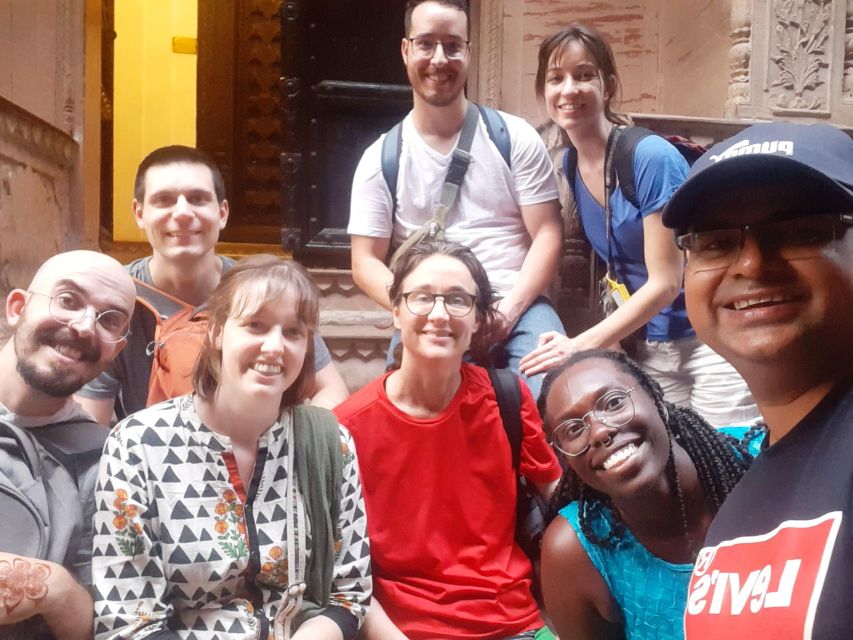
Next comes Chandni Chowk, where the guide’s job turns from “show you where to stand” into “teach you how the place works.” You’ll spend about 45 minutes in this zone, and you’ll move through lanes that feel like they fold in on themselves.
Chandni Chowk’s special value on this tour is that it’s treated as a living commercial district connected to Mughal-era trade patterns. You’re not just seeing famous streets—you’re learning how markets form, why lanes exist, and how different businesses cluster around familiar foot traffic.
A few themes tend to show up on the route: traditional neighborhood feel, visible craftsmanship nearby, and a sense that people are still doing the same kinds of trades they’ve done for a long time. One of the tour highlights also points to an old craft neighborhood connected to goldsmith artisans living since the Mughal era, so you may catch that deeper craft feel around this area as you move through.
Khari Baoli spice market: where the aromas become the lesson
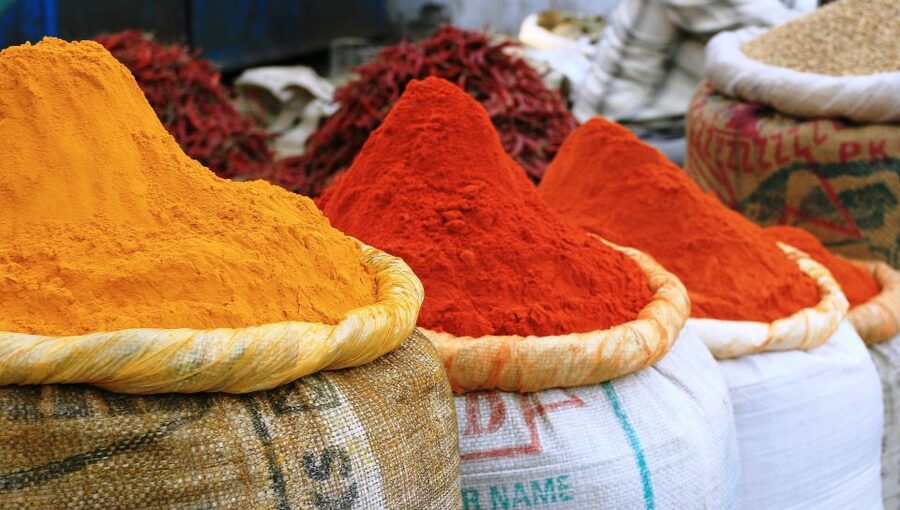
If there’s a single reason people book this tour, it’s the spice segment at Khari Baoli. You’ll spend about 30 minutes in this part, and it’s set up to do more than “take a photo in front of spices.”
The walk reaches a large warehouse-like setting where major spice merchants operate and deal with wholesalers. Big bags of spices are displayed in a way that brings the smell right into your face. Then you shift into a famous older spice depot/storehouse for a briefing about Indian spices—where you’re taught to connect names with aroma and use.
This is where the tour is surprisingly practical for shopping-minded travelers. When the guide explains what you’re paying for in your home kitchen versus what’s traded locally, it reframes the idea of buying spices. You stop thinking of spices as generic packets and start thinking of them as commodities with specific handling, quality cues, and traditional uses.
One more bonus: the spice market portion is ideal for people who want sensory travel without needing extreme hiking or “survive the wilderness” stamina. Old Delhi is intense, but the spice stop gives you a structured pause so the experience doesn’t become pure overwhelm.
On foot through the old city, a few more walks
Chai, treats, and shopping stops: how to enjoy without getting steered
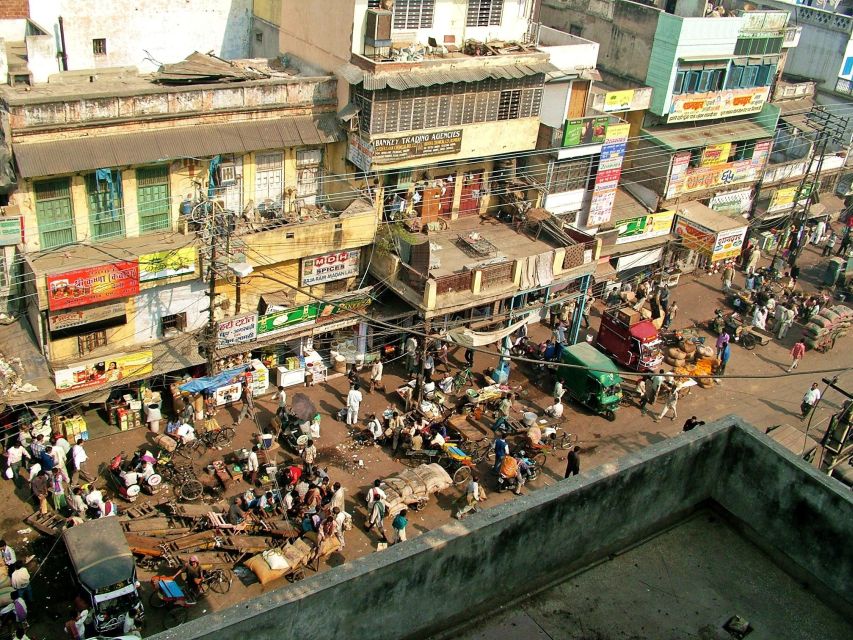
You won’t just be walking from one landmark to the next. Multiple parts of the experience are built around everyday culture—especially chai. In provided feedback, people describe chai tastings in different styles, plus stops for snacks like samosas and masala chai.
Food and drinks are listed as not included, so keep your expectations flexible. If the guide offers something, it may be a small tasting or a recommended purchase rather than a full meal being provided in the price. The safe approach: treat any tastings as a bonus, and budget modestly if you want more.
Shopping can also happen naturally along the route. One of the strongest values in this tour is the guide’s role as translator between you and the market. If you want to buy spices, jewelry, fabric, or tea-related items, you’ll get help understanding what you’re looking at and how to interact respectfully.
The tone from the guide matters here. Jai Singh is repeatedly described as patient and kind, including when people have lots of questions or when someone needs time to rest. That makes a difference in crowded markets, where your energy level can disappear fast.
Walking reality: pace, small group size, and staying comfortable
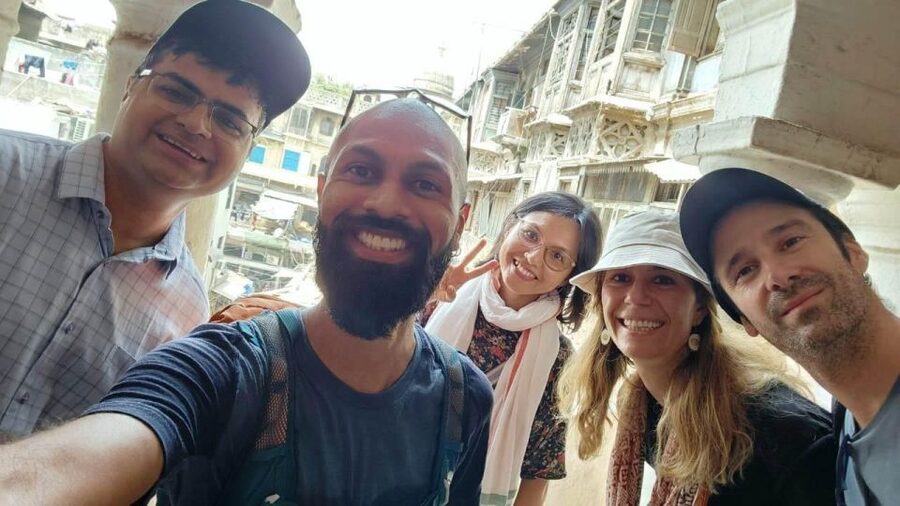
This tour lasts 3 hours, and it’s built as an active walk through Old Delhi’s busiest areas. It’s not a “museum-style” tour where you stand still for long blocks of time. You’ll be moving through meandering lanes, crowded bazaars, and market areas where you’ll want your attention on where you step and when you pause.
The group is small (up to 7). That’s a real quality-of-life improvement. Smaller groups don’t just feel nicer; they make it easier to slip into narrower lanes and still stay together. It also helps with questions, and in the feedback, Jai is praised for answering patiently.
Water is included: one mineral water bottle per person. That’s smart in a spice-heavy, stop-and-go setting. If you’re the type who gets thirsty easily, plan to take small sips throughout rather than “saving it” for the biggest moment.
At the end, you’ll be directed toward a Metro station / Uber point, with drop-off options noted as Connaught Place and Khari Baoli. That’s helpful because getting back on your own can be tricky after markets, when streets look similar and the crowd thickens.
Price and value: why $13 can feel like a bargain
At $13 per person for a 3-hour walking tour, this is positioned as value travel: you pay for a guide, route planning, and access to local market context. You’re not buying luxury. You’re buying something more useful: time saved and knowledge gained in a place where doing it alone could turn into aimless wandering.
What you get for that price:
- A local English guide
- A small group experience (up to 7)
- Express security check (so you’re not stuck longer than necessary in the mosque-area process)
- 1 mineral water bottle
What you don’t get:
- Meals and drinks
- Hotel pickup and drop-off (pickup is optional where offered, but it’s not guaranteed in the base price)
- Tips for the guide
Also note that if you choose to enter Jama Masjid, you pay INR 450 entrance fee separately. That’s not hidden, but it can change the total cost depending on your plans. Still, even with the optional entry, the overall structure feels like it’s built to give you more than a simple photo tour.
Who should book this Old Delhi spice and heritage walk
This tour is a good match if you:
- Want Old Delhi as a sensory experience (spices, crowds, craft streets), not just monuments
- Prefer a guide who can handle questions and explain social context
- Like small-group walking where you can keep up without feeling lost
It’s not a great match if you:
- Have mobility impairments or need step-free walking
- Are pregnant (the activity notes it’s not suitable)
If you’re traveling solo, the small-group design helps. Several people in the provided feedback highlighted feeling safe and well looked after even when going alone.
It’s also ideal if you’re the kind of traveler who likes to buy gifts with confidence. With a guide pointing out what’s worth paying attention to, your spice and tea purchases are more informed and less random.
Should you book it? A quick decision guide
Book this tour if you want the “how Old Delhi works” version of the city. Between the Jama Masjid area (optional entry and strong views), Chandni Chowk’s lanes, and the Khari Baoli spice market briefing, this is a compact route with real payoff. The price is low enough that you can focus on experiences instead of costs, as long as you’re okay with walking and the optional mosque fee if you choose to enter.
Skip it or choose a different style of tour if you need a low-step, low-crowd experience. Old Delhi is alive and busy, and this walk is designed for people who enjoy that energy.
FAQ
Where do I meet the guide?
Meet at Exit Gate no 1 of the Jama Masjid Metro Train Station. If coming by Uber, you can use the provided Google pin to find the pickup location.
Is the Jama Masjid entrance included?
No. Mosque entry is optional. If you enter, the entrance fee is INR 450 per person. If you don’t want to enter, you can still get a photo stop from outside.
How long is the tour?
The tour duration is 3 hours.
What’s included in the price?
A knowledgeable local guide and one mineral water bottle per person are included.
What is not included?
Hotel pickup and drop-off (unless selected as optional) and food and drinks are not included. Tips for the guide are also not included.
How big is the group?
It’s a small group limited to 7 participants.
Is the tour in English?
Yes, the live tour guide speaks English.
Can I bring luggage or large bags?
No. Luggage or large bags are not allowed.
Where does the tour end?
The tour ends at the nearest Metro station or Uber point, with drop-off locations listed as Connaught Place and Khari Baoli.
Do I need to provide contact details before the tour?
Yes. You must provide your WhatsApp/cell number and email during booking so the guide can coordinate if needed.
Is the tour refundable if I change my plans?
There is free cancellation up to 24 hours in advance for a full refund.
More Tour Reviews in New Delhi
- Old & New Delhi City Tour – Half or Full Day Options Available
★ 5.0 · 4,811 reviews - Half Day Private Delhi City Tour
★ 5.0 · 4,474 reviews - Same Day Taj Mahal, Agra Fort & Baby Taj Tour from Delhi by Car
★ 5.0 · 4,304 reviews - Taj Mahal Day Tour from Delhi by Superfast Train – TOP RATED TOUR
★ 5.0 · 4,166 reviews - Delhi: Old and New Delhi Private Full or Half-Day Tour
★ 4.9 · 3,776 reviews
The Old City on Foot, Continued
- The Great Indian Food Tour: Old Delhi Food and Heritage Walk
★ 5.0 · 1,698 reviews - Old Delhi Food, Heritage&Cultural Walk with Rickshaw ride to Masterji Kee Haveli
★ 5.0 · 742 reviews - Old Delhi Heritage Walking Tour
★ 5.0 · 247 reviews - 3-hour Old Delhi Heritage Walking tour with Rickshaw Ride
★ 5.0 · 240 reviews - 3-Hour Old Delhi Heritage Walking tour with Rickshaw ride
★ 4.6 · 158 reviews
More of Old Delhi
- The Great Indian Food Tour: Old Delhi Food and Heritage Walk
★ 5.0 · 1,698 reviews - Old Delhi Food, Heritage&Cultural Walk with Rickshaw ride to Masterji Kee Haveli
★ 5.0 · 742 reviews - Old Delhi Bike Tour
★ 5.0 · 616 reviews - Old Delhi Street Food Tour
★ 5.0 · 497 reviews - Breakfast Walk in Old Delhi
★ 5.0 · 449 reviews
Just added: more New Delhi reviews to browse
- 4 days Golden Triangle Tour★ 5.0 · 3 reviews
- Discover Old & New Delhi: Private Tour with Street Food★ 5.0 · 3 reviews
- Taj Mahal Tour From Delhi By Private Car★ 4.5 · 3 reviews
- Golden Triangle Tour 5 Days★ 5.0 · 3 reviews
- Taj Mahal: Express Entry Ticket For Sunset Tour with guide★ 5.0 · 3 reviews
- Agra Taj Mahal Sunrise & Sunset Tour from Delhi★ 5.0 · 3 reviews
Old Delhi Heritage Walks, compared.
 ★ 5.0The Great Indian Food Tour: Old Delhi Food and Heritage WalkFrom $431,698 reviews
 ★ 5.0Old Delhi Food, Heritage&Cultural Walk with Rickshaw ride to Masterji Kee HaveliFrom $52742 reviews
 ★ 5.0Old Delhi Heritage Walking TourFrom $13247 reviews
 ★ 5.03-hour Old Delhi Heritage Walking tour with Rickshaw RideFrom $7240 reviews
★ 4.63-Hour Old Delhi Heritage Walking tour with Rickshaw rideFrom $10158 reviews
★ 5.0The Great Indian Food Tour: Old Delhi Food and Heritage WalkFrom $43106 reviews
★ 5.03-hour Old Delhi Heritage Walking tour with Rickshaw RideFrom $7240 reviews
★ 4.63-Hour Old Delhi Heritage Walking tour with Rickshaw rideFrom $10158 reviews
★ 5.0The Great Indian Food Tour: Old Delhi Food and Heritage WalkFrom $43106 reviews
 ★ 5.0Timeless Treasures: An Old Delhi Heritage Walking TourFrom $2269 reviews
 ★ 5.0Old Delhi Heritage Walk with Rickshaw RideFrom $2468 reviews
Browse the lists this tour appears in