
Reviewed · DELHI TEMPLE & SPIRITUAL TOURS
Old Delhi Temples and Spice Market Tour
Old Delhi hits you fast. One minute you’re at Rajiv Chowk, the next you’re stepping into a world of spices, temples, and loud, everyday Delhi life. This Old Delhi temples and spice market tour strings the city’s major sights into a tight route that makes sense for a short stay: metro in, markets on foot, and a satisfying finish at a major Sikh shrine.
Two things I’d bet you’ll care about most: you get a guide named Vijay Kumar, and his style is built around clear context and smart pacing (including time for photos and small detours when they add meaning). And the most memorable moment is the Sikh temple stop, where the community kitchen feeds people for free, turning a religious lesson into something you can actually see with your own eyes.
One consideration: this is mostly walking through busy lanes and hopping on metro and tuk-tuk, so it’s not a great match if you have back problems or motion sickness. You’re moving through real city crowds for about 2.5 hours, so plan for short comfort breaks and keep expectations realistic.
In This Review
- Key highlights that make this tour worth it
- Where the tour starts at Rajiv Chowk, and why it matters
- The metro ride to Old Delhi and your first taste of the city
- Khari Baoli spice market (Chawri Bazar area): the best payoff for short time
- Fatehpuri Masjid and the Red Fort exterior: learning without slowing down
- Jain Atishay Kshetra Lal Mandir: a quieter reset inside the noise
- Kinari Bazaar: what you’ll actually enjoy shopping for
- Sis Ganj Guru Dwara (Sikh temple): the end stop that changes the tone
- Price and value: what $22 buys you in the real world
- Practical advice so you enjoy the walk (and don’t regret it later)
- Should you book this Old Delhi temples and spice market tour?
- FAQ
- Where do we meet for the Old Delhi temples and spice market tour?
- How long is the tour?
- What public transport is included?
- What are the main stops on the tour?
- Is the Red Fort visited inside?
- Are food and drinks included?
- Is there bottled water provided?
- What language is the tour guide?
- Is pickup available?
- Who might want to avoid this tour?
- Can I cancel for a refund?
Key highlights that make this tour worth it
- Vijay Kumar’s guidance keeps history understandable and the route efficient, with flexible photo timing
- Khari Baoli spice market gives you the full wholesale spice atmosphere in a short time window
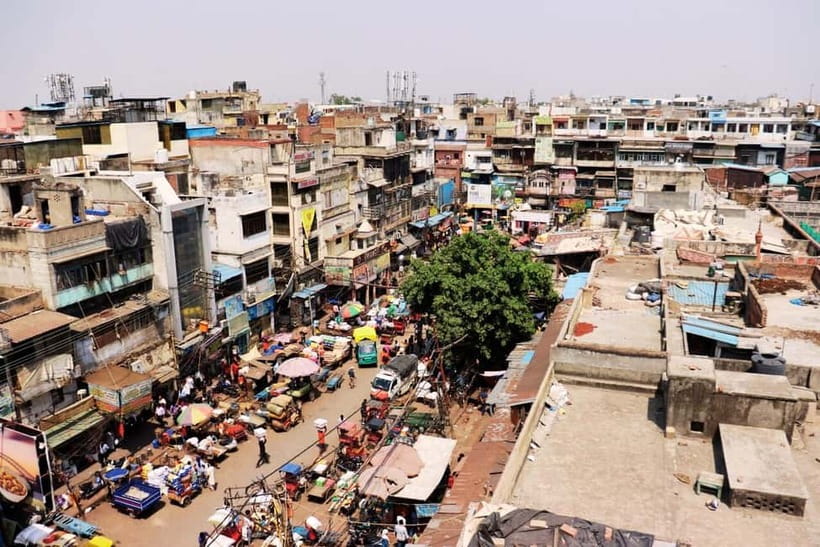
- Rooftop Old Delhi views help you connect street-level chaos to big monuments like Red Fort
- Shri Digambar Jain Atishay Kshetra Lal Mandir offers a calm contrast to the market noise
- Kinari Bazaar is a fun, walkable shopping stop with local craft-and-trade energy
- Sis Ganj Guru Dwara (Sikh temple) ends with lessons that culminate in the langar kitchen’s steady feeding
Where the tour starts at Rajiv Chowk, and why it matters
Meeting point is Rajiv Chowk Metro Station at Gate no. 2. I like this start because it’s simple: you’re not trying to locate a random backstreet pickup. Rajiv Chowk is a clear landmark, and it’s also the easiest place to use the metro system without stress.
From there, the tour uses a short metro ride (about 25 minutes) to reach Old Delhi. That matters because Old Delhi traffic and lane clutter can swallow time fast—so starting with metro helps you spend more of your 2.5 hours actually looking at things instead of being stuck. If you choose pickup, you’ll get the driver’s details after booking, but the core meeting spot stays at Rajiv Chowk.
You’ll also get packaged water as part of the tour. It’s a small thing, but in spice markets and temple courtyards, you’ll be glad you have it without needing to search for it.
More hours to spend in Old Delhi




The metro ride to Old Delhi and your first taste of the city
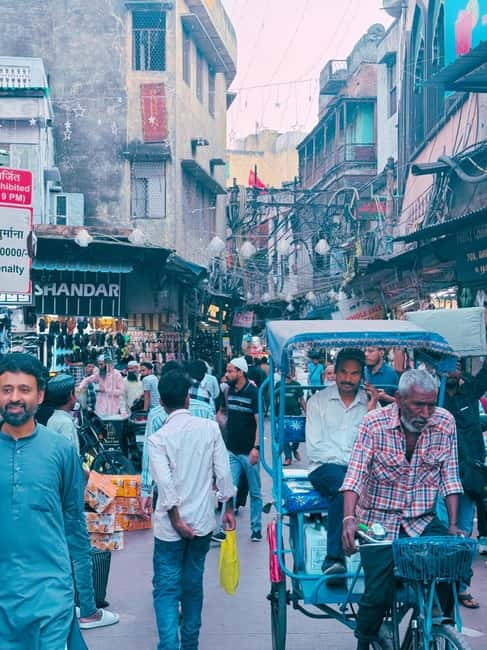
That first stretch is your transition from “Delhi as a map” to “Delhi as a lived-in place.” Old Delhi is described as chaotic and energetic for a reason: the streets are narrow, the activity is constant, and everything moves at human speed.
As you ride toward Old Delhi, you’re not just getting transport—you’re getting orientation. The guide’s job is to help you read what you’re seeing: what these neighborhoods are known for, where the major landmarks sit, and how the religious sites fit into the older urban fabric.
You’re going to notice the difference in sound and smell as the tour shifts from metro to tuk-tuk and then to walking. If you’re sensitive to sensory overload, this is your heads-up. A quick mental plan helps: expect crowds, expect noise, and expect spice aromas to be part of the experience rather than a surprise.
Khari Baoli spice market (Chawri Bazar area): the best payoff for short time
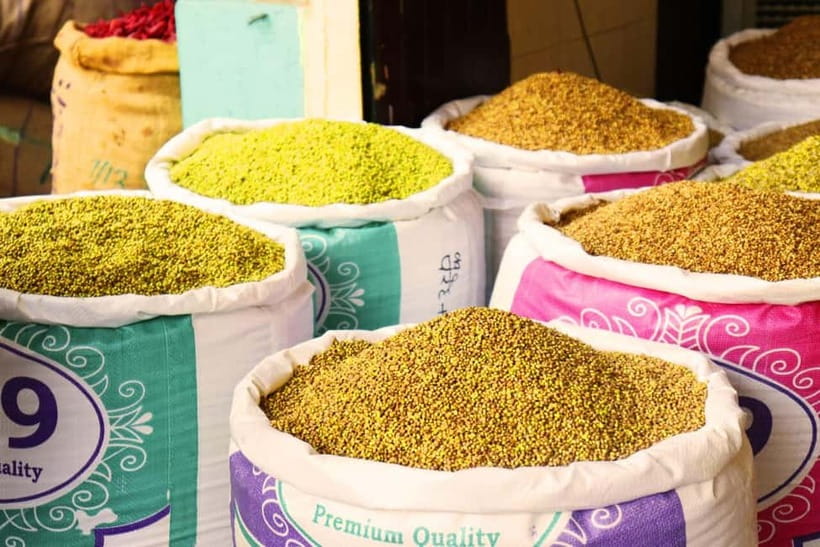
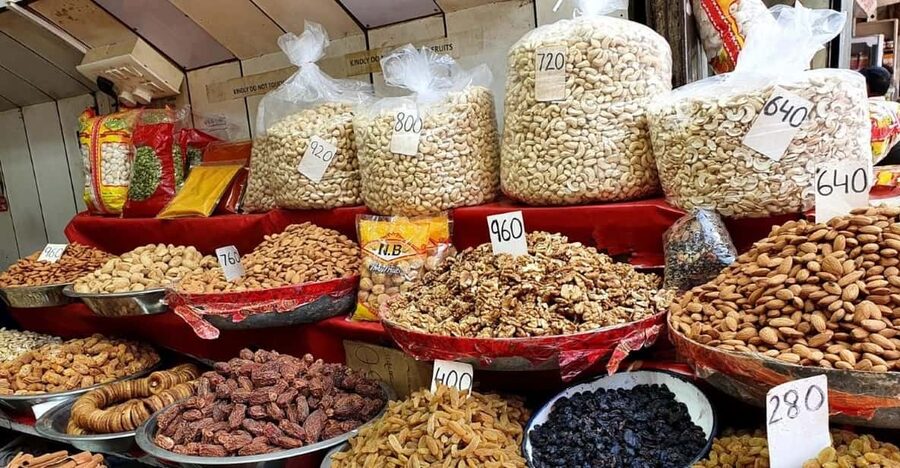
Your spice market segment focuses on Khari Baoli, known as a major wholesale spice market. The tour also connects this experience to the Chawri Bazar spice market area, so you get that Old Delhi “spices as commerce” feeling instead of just browsing a tourist strip.
What makes this stop special for your time budget is how fast it teaches you to understand the place. Spice markets aren’t only about smelling things. They’re about packaging, trade, and scale. You’ll be walking through lanes where spices are the business, and that gives you a different perspective than a general bazaar visit.
After the spice market, you’ll also get a rooftop view of Old Delhi. That rooftop moment is more valuable than it sounds. From street level, Old Delhi can feel like a blur. A viewpoint gives you context—where major monuments sit in relation to the neighborhoods you just walked through.
This is also where the guide points out the Red Fort exterior. You’re not going inside here; you’re learning to recognize it in the city view and understanding why it matters historically. For a 2.5-hour tour, that “see it, understand it” mix is a smart use of time.
Fatehpuri Masjid and the Red Fort exterior: learning without slowing down
Next comes Fatehpuri Masjid. You get a photo stop plus guided visit time, with the guide explaining what the mosque represents and why it matters in Delhi’s story. This stop works well because it isn’t just “look at a building.” It’s about fitting a specific landmark into a larger historical picture.
The way the tour combines Red Fort exterior views with the Fatehpuri area is practical. You’ll be able to connect the dots between palace power and religious life in the same broader landscape. Even without entering Red Fort, that exterior sightline helps you anchor what you learn.
One tip: during photo stops, decide quickly whether you want a few classic shots or you’d rather keep moving. The tour is timed, and the guide’s job is to keep you flowing to the next meaningful stop.
Also, this segment includes time for shopping. That doesn’t mean you’re forced to buy anything. In fact, you’re given options around spices—so if you want to pick up a bag for your pantry, you can. If you don’t, you can still enjoy the market atmosphere without spending your entire budget.
Jain Atishay Kshetra Lal Mandir: a quieter reset inside the noise
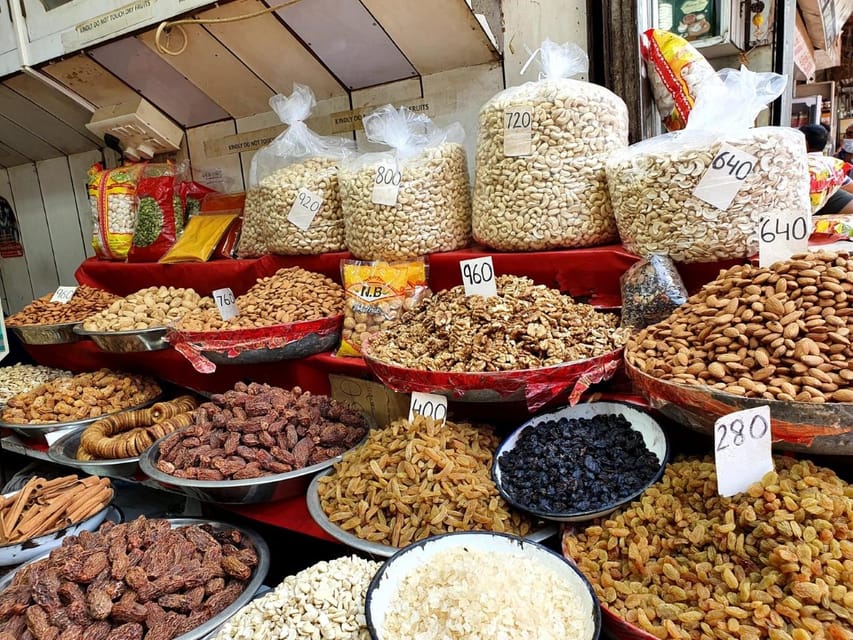
Then you shift from commerce to faith with Shri Digambar Jain Atishay Kshetra Lal Mandir. You’ll have a photo stop and guided visit time, plus a short walk.
I like this stop because it gives your eyes and mind a reset. Old Delhi markets can feel relentless. The Jain temple experience tends to feel more grounded—less about speed and more about observation. Even if you’re not a Jain scholar, you’ll come away with a clearer sense of Jain religious culture and how temple spaces operate inside a working city.
There’s also an expectation of walking. Not a hike—just enough footwork to keep the tour lively and to connect different neighborhoods. If you pace yourself—slow down for a moment, breathe, drink a sip of water—you’ll feel the day balance out.
Quieter corners: more Delhi temples and shrines
Kinari Bazaar: what you’ll actually enjoy shopping for
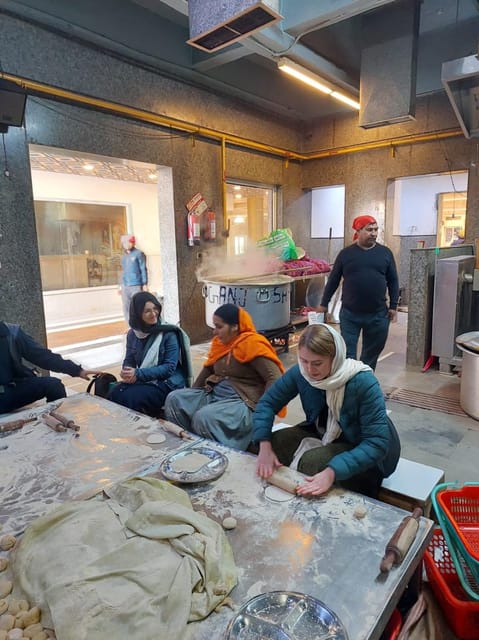
Kinari Bazaar is next, with guided walking time. This is the stop that many people find fun because it’s not only about spices. You’ll see the “trade side” of Old Delhi in a different way: goods, crafts, and everyday items moving through the city’s marketplace rhythm.
What I’d tell you to expect here is variety. You’re not required to buy. But you’ll have enough time to look carefully—especially if you enjoy watching how shops display products and how vendors respond to browsing.
Since your time is limited, I’d treat this as a “small souvenirs only” zone. If you find something meaningful—something you’ll actually use—you’re in a good place to pick it up. If not, don’t force it. The value of Kinari Bazaar in this tour is the texture and local feel.
Sis Ganj Guru Dwara (Sikh temple): the end stop that changes the tone
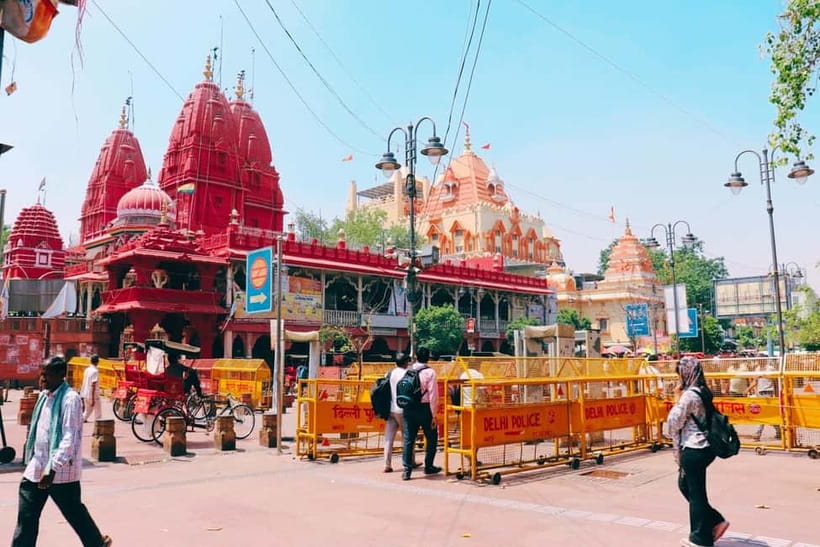
You finish at Sis Ganj Guru Dwara. This stop is built to teach you Sikhism through both history and lived practice. You’ll have a photo stop, visit time, and guided context, plus a walk around the area.
I’m going to be honest: this is the part that can tug at your emotions. Delhi’s history is intense, and Sikh history in the city has painful chapters. The guide’s explanation helps you see the temple as more than architecture.
But the most impactful part is what you witness at the temple—the community kitchen (langar) that feeds thousands every day for free. This is where the tour earns its strongest “why this is worth doing” point. You aren’t just hearing about religion. You’re seeing the service in action.
If you want to get the most out of it, slow down. Watch how the kitchen functions, listen to the guide’s explanation, and take a moment to let it land. This stop has a way of making the rest of the tour feel more purposeful.
Price and value: what $22 buys you in the real world
At $22 per person for about 2.5 hours, this tour is priced like a budget-friendly way to get major Old Delhi highlights without assembling your own plan.
Here’s the value logic I’d use if I were budgeting:
- You get metro tickets included (so you’re not paying extra just to reach Old Delhi).
- You also get tuk-tuk fare, which matters in a city where distances and lane connections don’t always match what your feet want to do.
- You get packaged water, which helps more than you’d think in spice and temple areas.
- And you get an English-speaking local guide who connects the stops into one coherent story—especially around landmark meaning.
Food isn’t included, so you’ll want to plan that separately. But for a short, high-density tour like this, leaving food out keeps the cost down and lets you choose what you actually want afterward. If you’re the type who likes a post-tour meal with no agenda, that’s a plus.
If you’re comparing this to DIY costs, the big difference is time and coordination. You’re paying for a guided route that hits the key sites efficiently.
Practical advice so you enjoy the walk (and don’t regret it later)
This tour makes you move. It’s not a sit-and-see museum circuit. You’ll do a metro ride, then tuk-tuk transfers, then multiple walking segments between sights and markets.
So bring what helps:
- Comfortable walking shoes (markets are uneven and crowded).
- A light layer (some temple areas can feel cooler inside, even in warm weather).
- Be ready for spice smells near Khari Baoli—mask or spray isn’t listed, so assume you’ll smell it.
- Keep expectations realistic if you get motion sickness. You’ll be on metro and tuk-tuk at different points.
Also, because food and drinks aren’t included, you should decide in advance how you’ll handle meals around the tour. Even if you don’t feel hungry, you’ll feel better if you’re not surprised by an empty stomach afterward.
Should you book this Old Delhi temples and spice market tour?
I’d book it if you want a fast, meaningful Old Delhi hit without planning fatigue. It’s especially a good fit for:
- Short stays in Delhi who still want major sights
- People who like walking markets with a guide who explains what they’re seeing
- Anyone who wants a temple visit that ends with a real-life example of community service at Sis Ganj Guru Dwara
I’d skip it if you need wheelchair-friendly access, have significant back issues, or you’re likely to feel unwell with motion. This is a street-and-courtyard style outing with walking and transfers, not a slow, fully cushioned experience.
If you want a tour where the markets feel connected to the monuments, and the final stop has real emotional weight, this one earns its reputation.
FAQ
Where do we meet for the Old Delhi temples and spice market tour?
You meet at Rajiv Chowk Metro Station at Gate no. 2.
How long is the tour?
The tour duration is 2.5 hours.
What public transport is included?
Metro ride tickets are included, and the tour also uses tuk-tuk for part of the route.
What are the main stops on the tour?
You’ll visit Khari Baoli (spice market area), Fatehpuri Masjid, Shri Digambar Jain Atishay Kshetra Lal Mandir, Kinari Bazaar, and Sis Ganj Guru Dwara, with views of the Red Fort exterior.
Is the Red Fort visited inside?
The tour includes viewing the Red Fort exterior, not an inside visit.
Are food and drinks included?
No. Food and drinks are not included.
Is there bottled water provided?
Yes. Packaged water is included.
What language is the tour guide?
The tour includes an English speaking local guide.
Is pickup available?
Pickup is optional. If you book, you’ll be given your driver’s name and contact details, and you’ll meet in the hotel lobby or right outside your apartment building.
Who might want to avoid this tour?
It’s not suitable for people with back problems, wheelchair users, people with motion sickness, babies under 1 year, or people over 95 years.
Can I cancel for a refund?
Yes. You can cancel up to 24 hours in advance for a full refund.
More Tour Reviews in New Delhi
- Old & New Delhi City Tour – Half or Full Day Options Available
★ 5.0 · 4,811 reviews - Half Day Private Delhi City Tour
★ 5.0 · 4,474 reviews - Same Day Taj Mahal, Agra Fort & Baby Taj Tour from Delhi by Car
★ 5.0 · 4,304 reviews - Taj Mahal Day Tour from Delhi by Superfast Train – TOP RATED TOUR
★ 5.0 · 4,166 reviews - Delhi: Old and New Delhi Private Full or Half-Day Tour
★ 4.9 · 3,776 reviews
Delhi Temples and Quiet Corners
- New Delhi: Akshardham Temple Tour with Water and Light Show
★ 4.8 · 313 reviews - Old Delhi Food-Spice Market-Temples Tour Soon Featured on NETFLIX
★ 5.0 · 304 reviews - Taj Mahal Sunrise with Lord Shiva Temple:- All Inclusive
★ 5.0 · 207 reviews - Old Delhi Temples and Spiritual Sites Private 6-Hour Tour
★ 4.8 · 204 reviews - Private Delhi Temples and Spiritual Sites 6 Hours Tour
★ 5.0 · 171 reviews
More of Old Delhi
- The Great Indian Food Tour: Old Delhi Food and Heritage Walk
★ 5.0 · 1,698 reviews - Old Delhi Food, Heritage&Cultural Walk with Rickshaw ride to Masterji Kee Haveli
★ 5.0 · 742 reviews - Old Delhi Bike Tour
★ 5.0 · 616 reviews - Old Delhi Street Food Tour
★ 5.0 · 497 reviews - Breakfast Walk in Old Delhi
★ 5.0 · 449 reviews
Just added: more New Delhi reviews to browse
- 4 days Golden Triangle Tour★ 5.0 · 3 reviews
- Discover Old & New Delhi: Private Tour with Street Food★ 5.0 · 3 reviews
- Taj Mahal Tour From Delhi By Private Car★ 4.5 · 3 reviews
- Golden Triangle Tour 5 Days★ 5.0 · 3 reviews
- Taj Mahal: Express Entry Ticket For Sunset Tour with guide★ 5.0 · 3 reviews
- Agra Taj Mahal Sunrise & Sunset Tour from Delhi★ 5.0 · 3 reviews
Delhi Temple & Spiritual Tours, compared.
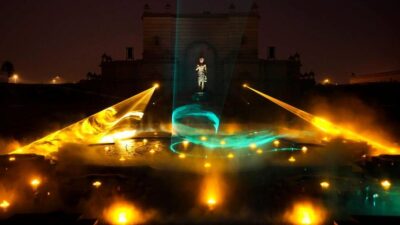 ★ 4.8Akshardham Temple Tour with Water and Light ShowFrom $21313 reviews
 ★ 5.0Old Delhi Food-Spice Market-Temples Tour Soon Featured on NETFLIXFrom $49304 reviews
 ★ 5.0Taj Mahal Sunrise with Lord Shiva Temple:- All InclusiveFrom $5207 reviews
 ★ 4.8Old Delhi Temples and Spiritual Sites Private 6-Hour TourFrom $40204 reviews
 ★ 5.0Private Delhi Temples and Spiritual Sites 6 Hours TourFrom $41171 reviews
 ★ 4.8Akshardham Temple Light Show with Custom Add-OnsFrom $10125 reviews
 ★ 4.8Private Spiritual Sites Car Tour with Lunch and EntryFrom $561 reviews
 ★ 5.0Half-Day Delhi Temple Tour with Pick-Up & Drop-OffFrom $3060 reviews
Browse the lists this tour appears in