
Reviewed · FOOD & DRINK
Unlock Delhi’s Secrets: Food and Photography Full Day Tour
Old Delhi can be loud. This tour keeps it manageable, and photo-ready. You start with a Jain temple visit, then move into the sensory overload of Chandni Chowk, where you’ll eat, wander, and learn how to spot the scenes worth photographing. I especially liked the way the route flows from morning calm to market energy, and I loved getting food explanations that help you understand what you’re tasting, not just ordering.
One thing to consider: you’re walking and moving through busy areas for a big chunk of the day. It’s a small group (max 10), but you’ll still want comfortable shoes and a flexible attitude about crowds, smells, and timing.
In This Review
- Key highlights you’ll feel right away
- Starting at Lajpat Rai Market: how the day gets set up for photos
- Chandni Chowk street food: what to expect in the lanes
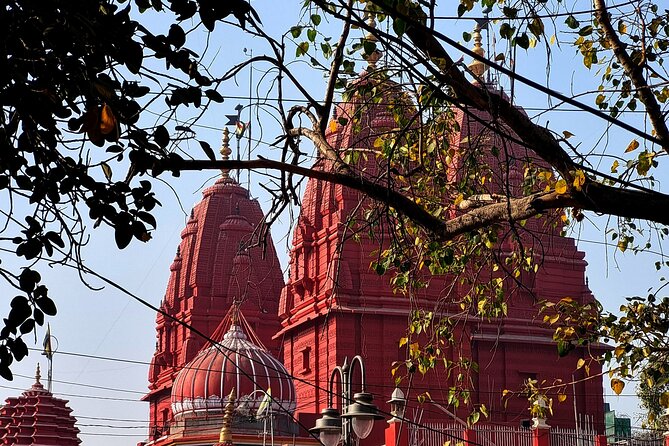
- Jain temple and the calm contrast you’ll appreciate later
- Khari Baoli: Asia’s spice market for close-up color and scent
- Metro to New Delhi: the smart switch from chaos to calm
- Sikh temple + leafy avenues: community atmosphere in a quieter pocket
- Lutyens Zone and the monument-photo moment
- Food and snack strategy: what to eat while you walk
- Getting around: tuk-tuk + cycle rickshaw without the stress
- Group size and guide help: why max 10 is a sweet spot
- Price and value: what $113.33 really covers
- Who should book this Delhi food and photography tour
- Should you book it or not?
- FAQ
- What’s the meeting point for this tour?
- Where does the tour end?
- How long is the tour?
- How many people are in the group?
- What rides and transport are included?
- What food is included?
- Is hotel pickup or drop-off included?
Key highlights you’ll feel right away
- Morning start at Chandni Chowk when lanes are waking up and photos look less chaotic
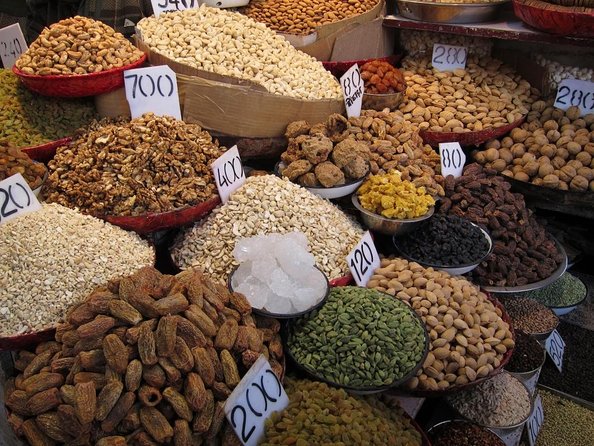
- Khari Baoli spice market for color, texture, and close-up shots of stacked spices
- Delhi metro transfer that makes the Old-to-New contrast easy and time-efficient
- Lutyens Zone architecture for clean lines and colonial-era photo compositions
- Temple stops (Jain + Sikh) that add calm, context, and community atmosphere
- Tuk-tuk + cycle rickshaw rides that keep the day fun, not just sightseeing
Starting at Lajpat Rai Market: how the day gets set up for photos
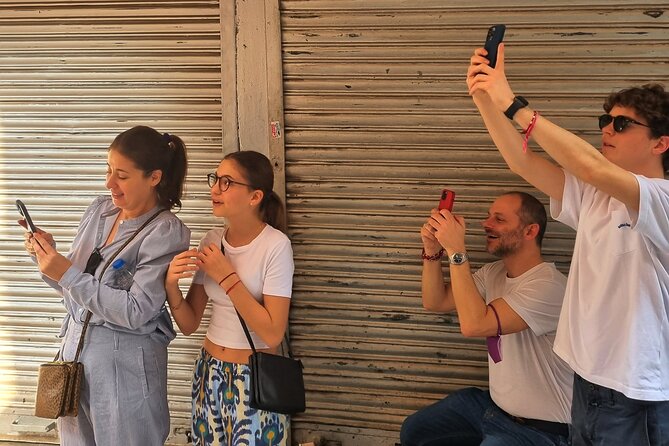
I like tours that plan for light, movement, and where your camera will actually work. This one begins at Lajpat Rai Market in the Chandni Chowk area, so you’re positioned right in the middle of Old Delhi energy from the start. The biggest win is timing: you get into the streets early enough that the market is active, but not yet maxed out.
Your guide on the day is named Faizy, and the thing I’d tell you to watch for is how he nudges you toward places a normal walk wouldn’t naturally lead you to. He also helps with pacing, which matters in Delhi. If you arrive later, you’ll still see things, but you’ll spend more time shuffling than shooting.
Other plates worth crossing town for

Chandni Chowk street food: what to expect in the lanes
The tour’s longest block is Chandni Chowk, about four hours. You’ll move through narrow lanes packed with shops selling spices, textiles, jewelry, and traditional sweets. It’s historic too, tied to the Mughal-era feel of Old Delhi—so even when you’re focused on photos, you’re seeing the city’s older commercial spine.
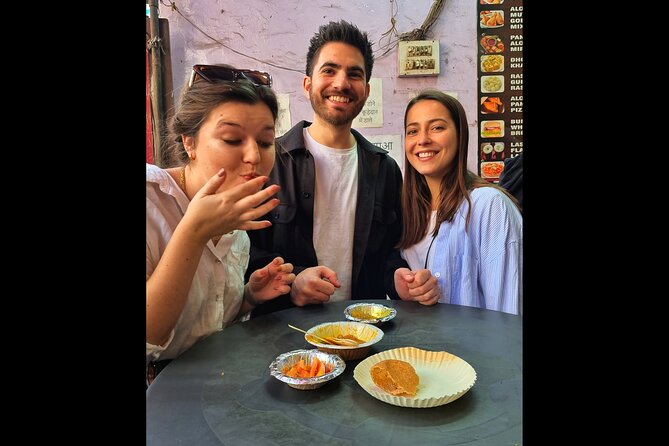
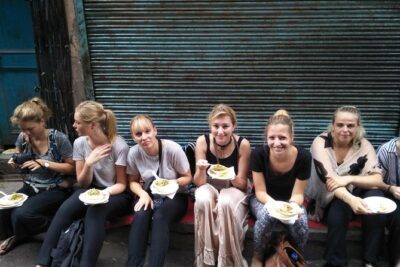
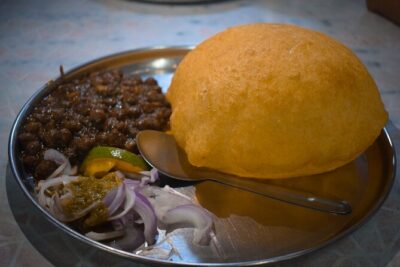
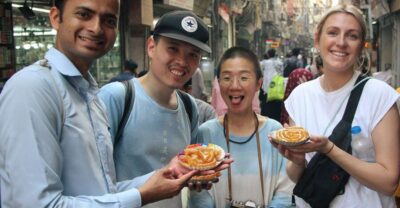
Now the practical part: this is also where you’ll eat. You’ll get a hot, crisp assortment of Delhi delicacies and snack portions that make the walk easier. Based on the food described for this experience, you can expect fried breads served with potato gravy, plus chaat-style flavor combinations that hit salty, tangy, and spicy notes fast. If you’re nervous about street food, this kind of guided tasting is the safest way to test your comfort level.
Photo-wise, Chandni Chowk is a mix of close detail and chaotic motion. You’ll want a slightly faster shutter speed (if you shoot handheld) because people and motorcycles move through the frame. Also, don’t only chase portraits—spice sacks, shop signs, and food steam can make great shots even when you can’t stop for long.
Jain temple and the calm contrast you’ll appreciate later
Before the market becomes full-on sensory overload, you visit a historic Jain temple. I love this order because it resets your brain. Temples give you a pause from the noise, and they also help you understand the city beyond street commerce.
You’ll notice how the vibe changes: less crowd crush, more focused quiet. That contrast becomes useful for your photography too. When you later move back into markets and spice stalls, your eyes are trained to look for patterns: faces, textures, small rituals, and light on stone.
Khari Baoli: Asia’s spice market for close-up color and scent
After Old Delhi’s lanes, you head to Khari Baoli, often described as Asia’s oldest spice market. This is one of the most straightforward places to get photos that look like Delhi without needing fancy editing. The stalls are stacked with vibrant powders and spices, and the visual rhythm is perfect for both wide shots and tight close-ups.
One detail I’d keep in mind: in a spice market, the best photos often come from patience, not speed. If you stop long enough, you can frame layers of color—red chilies, turmeric tones, darker blends—while vendors move in and out of your background. Your guide helps you spot what’s worth photographing, which saves time when your senses are already overwhelmed.
Also, it’s not only about color. Spices have texture and weight. Look for scoops, handwritten labels, and the way sacks are arranged at different heights. Those little cues make images feel real rather than staged.
Metro to New Delhi: the smart switch from chaos to calm
A big part of the value here is the transition between Old and New Delhi. You travel by Delhi metro rather than trying to fight traffic for hours. You’ll still feel the city changing—Old Delhi is dense, loud, and narrow-lane intense. New Delhi is more spacious, greener, and more spread out.
I like this because it turns what could be a slog into a reset. Between the two zones, you’re not just going somewhere new; you’re changing how you walk, shoot, and even breathe. It also keeps the day realistic in a 7-hour window.
Practical tip: keep your camera gear organized during the transfer. Metro platforms and station corridors can get crowded, and you don’t want to be fumbling when the light changes on a street outside.
More good eating found around New Delhi
Sikh temple + leafy avenues: community atmosphere in a quieter pocket
In the New Delhi portion, you visit a Sikh temple and spend time around a well-manicured garden and leafy avenues. This section is a good reminder that Delhi isn’t only markets and monuments. There’s a steady, communal rhythm here—quiet observation, tradition-focused space, and a calmer pace.
I’d encourage you to treat this stop like a cultural moment, not a photo assignment. You’ll still likely get good images—think soft lighting, people in natural routines, architectural details—but the point is to slow down. When you do, your photos look better too because you’re waiting for natural expressions instead of forcing shots.
This is also where the tour’s balance shows up: you get intensity in Old Delhi, then a calmer New Delhi stretch that makes the whole day feel less exhausting.
Lutyens Zone and the monument-photo moment
Next comes the Lutyens Zone, where you’ll see majestic colonial architecture. For photography, this is the opposite of Old Delhi. Here, you’ll find geometry, symmetry, and long sightlines—perfect for architectural framing. If your usual style is street portraits, this is a helpful change. You’ll learn how to photograph buildings like subjects, not just backdrops.
The tour also includes a garden stop paired with time to capture the iconic monument’s vibrant glow in your photographs. Even if you don’t call it a “golden hour” plan, this is the idea: the monument looks better when the light warms. For your camera, that means you can often get richer tones without harsh contrast.
If you like skyline-style compositions, position yourself early and test a couple angles. In a group tour, you can’t linger forever—so use your moment wisely.
Food and snack strategy: what to eat while you walk
Let’s talk about food in a way you can actually use. This tour provides hot and crisp snack portions and bottled water, so you’re not trying to figure out what to buy with a full group behind you. That matters on a food-and-photo day, because hunger kills your stamina and your patience.
Based on what’s described for the day, plan for:
- Fried breads dipped in potato gravy, which tend to be hearty and filling
- Chaat-style bites with fast flavor swings—sweet, salty, tangy, spicy
- An assortment designed for quick tasting rather than long sit-down dining
If you’re sensitive to spice, start with the milder items and let your guide steer you from there. If you love heat, you’ll enjoy the variety because Delhi’s street food often layers flavors in a single bite.
Also, since you’re moving between neighborhoods, keep your expectations flexible. Some items are best eaten immediately while hot and crisp. If you delay eating for a photo, you may end up with the wrong texture.
Getting around: tuk-tuk + cycle rickshaw without the stress
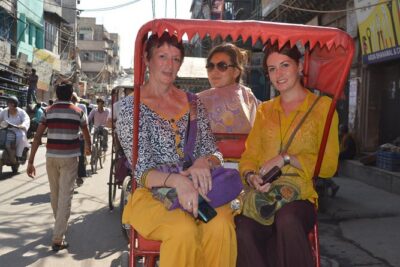
This tour mixes transport styles: a tuk-tuk ride and a cycle rickshaw ride, plus the metro for the main Old-to-New switch. I like this because you get different speeds and viewpoints. Tuk-tuks are practical for short hops and getting through tighter zones. Cycle rickshaws give you a more old-world street view that’s great for street-level photography.
Your day still feels like a single flow, not a series of unrelated transfers. That’s the hidden value: logistics that keep you moving while protecting your energy.
One small caution: cycle rickshaws can be bumpy. If you’re prone to motion discomfort, consider how long you want to sit in that position. Most people are fine, but it’s worth thinking about.
Group size and guide help: why max 10 is a sweet spot
A maximum group size of 10 travelers is ideal for a day like this. You get enough people to share energy, but not so many that you get separated into a crowd. It also helps your guide manage pacing—stopping when a photo moment is good, moving when lanes get crowded.
Faizy’s role stands out in the way the tour is described: he’s enthusiastic about showing unique places and pushing you beyond the obvious tourist stops. The practical benefit is that you’re not spending your time guessing which alley to take or whether that food stall looks safe and worth trying. You’re learning by doing, with guidance that keeps you oriented.
Price and value: what $113.33 really covers
At $113.33 per person for about 7 hours, the price looks fair when you break it into what you’re actually receiving. You’re getting:
- Delhi metro ride, plus tuk-tuk and cycle rickshaw transfers
- Snack tasting (hot and crisp assortment) and bottled water
- A storyteller/guide who helps with on-the-ground choices
- A focused route combining Old Delhi markets and New Delhi monuments
If you tried to recreate this independently, you’d likely spend time piecing together metro directions, local transport, and where to eat. Even if you’re not paying for a full-time guide, you might pay in wasted time and missed photo opportunities. Here, you’re paying for a controlled day where you can focus on seeing and shooting.
Who should book this Delhi food and photography tour
This tour is a strong fit if you:
- Want Old Delhi and New Delhi in one day without spending half your time in transit
- Care about both food and photography, not just one or the other
- Like guided cultural context at temples, not just photo stops
- Prefer smaller groups (max 10) and a day that feels structured
You might want to skip it if you:
- Hate crowds and don’t want to walk through busy market streets
- Expect a slow, sit-and-stay pace with lots of downtime
- Need hotel pickup or a private experience (this does not include hotel pickup/drop-off)
Should you book it or not?
Yes, you should book this tour if your goal is a satisfying, photo-focused day that also teaches you how to taste Delhi. The mix of Chandni Chowk, Khari Baoli, temple calm, and Lutyens Zone architecture is exactly the kind of contrast that makes a city feel real. And with Faizy guiding you, you’ll spend less time guessing and more time doing.
I’d skip it only if you want a low-energy day or if navigating busy streets sounds like a chore. For everyone else, it’s a smart way to see Delhi like you actually live there for a few hours.
FAQ
What’s the meeting point for this tour?
The tour starts at Lajpat Rai Market, Chandni Chowk, Delhi 110006.
Where does the tour end?
It ends at Shah Tomb, Lodhi Rd, Lodhi Gardens, Lodhi Estate, New Delhi 110003.
How long is the tour?
The duration is about 7 hours.
How many people are in the group?
The tour has a maximum of 10 travelers.
What rides and transport are included?
You’ll use Delhi metro, plus a tuk-tuk ride and a cycle rickshaw ride.
What food is included?
You’ll get hot and crisp snacks along with bottled water.
Is hotel pickup or drop-off included?
No. Hotel pickup and drop-off are not included.
Eat Your Way Round New Delhi
- The Great Indian Food Tour: Old Delhi Food and Heritage Walk
★ 5.0 · 1,698 reviews - Old Delhi Food, Heritage&Cultural Walk with Rickshaw ride to Masterji Kee Haveli
★ 5.0 · 742 reviews - Old Delhi Street Food Tour
★ 5.0 · 497 reviews - Delhi: Old Delhi Street Food Tour with Rickshaw Ride
★ 4.9 · 403 reviews - Delhi Food Walk: Rickshaw Ride, Street Eats & Market Tour
★ 5.0 · 401 reviews
More Tours in New Delhi
- Old & New Delhi City Tour – Half or Full Day Options Available
★ 5.0 · 4,811 reviews - Half Day Private Delhi City Tour
★ 5.0 · 4,474 reviews - Same Day Taj Mahal, Agra Fort & Baby Taj Tour from Delhi by Car
★ 5.0 · 4,304 reviews - Taj Mahal Day Tour from Delhi by Superfast Train – TOP RATED TOUR
★ 5.0 · 4,166 reviews - Delhi: Old and New Delhi Private Full or Half-Day Tour
★ 4.9 · 3,776 reviews
More Tour Reviews in New Delhi
- Old & New Delhi City Tour – Half or Full Day Options Available
★ 5.0 · 4,811 reviews - Half Day Private Delhi City Tour
★ 5.0 · 4,474 reviews - Same Day Taj Mahal, Agra Fort & Baby Taj Tour from Delhi by Car
★ 5.0 · 4,304 reviews - Taj Mahal Day Tour from Delhi by Superfast Train – TOP RATED TOUR
★ 5.0 · 4,166 reviews - Delhi: Old and New Delhi Private Full or Half-Day Tour
★ 4.9 · 3,776 reviews
Just added: more New Delhi reviews to browse
- 4 days Golden Triangle Tour★ 5.0 · 3 reviews
- Discover Old & New Delhi: Private Tour with Street Food★ 5.0 · 3 reviews
- Taj Mahal Tour From Delhi By Private Car★ 4.5 · 3 reviews
- Golden Triangle Tour 5 Days★ 5.0 · 3 reviews
- Taj Mahal: Express Entry Ticket For Sunset Tour with guide★ 5.0 · 3 reviews
- Agra Taj Mahal Sunrise & Sunset Tour from Delhi★ 5.0 · 3 reviews
Food & Drink, compared.
 ★ 5.0The Great Indian Food Tour: Old Delhi Food and Heritage WalkFrom $431,698 reviews
 ★ 5.0Old Delhi Food, Heritage&Cultural Walk with Rickshaw ride to Masterji Kee HaveliFrom $52742 reviews
 ★ 5.0Old Delhi Street Food TourFrom $40497 reviews
 ★ 4.9Old Delhi Street Food Tour with Rickshaw RideFrom $43403 reviews
 ★ 5.0Delhi Food Walk: Rickshaw Ride, Street Eats & Market TourFrom $40401 reviews
 ★ 4.9Old Delhi: Private Tour of Chandni Chowk, Tuk Tuk & FoodFrom $70345 reviews
 ★ 5.0Old Delhi Street Food Tour – Explore Spices in Chandni ChowkFrom $34334 reviews
 ★ 5.0Old Delhi Food Tour: A Night Time FeastFrom $38326 reviews
Browse the lists this tour appears in