
Reviewed · GOLDEN TRIANGLE TOURS
4-Day Golden Triangle, Haridwar, Rishikesh, Spiritual Ganges Tour
Early light, holy river, and marble perfection. This 4-day plan strings together the best of India’s Golden Triangle with the soul-soothing Ganga scene, all done with your own air-conditioned car and a guide who keeps things moving. I like that the day-by-day route is practical (less guessing, fewer logistics headaches), and I especially like the timing built around Taj Mahal at sunrise. One thing to keep in mind: monument entry fees are not included, so you’ll want to budget extra on top of the tour price.
You also get that mix of big sights and quieter rituals: Delhi’s UNESCO stops, Agra’s fortress and marble tombs, then the Ganga Aarti on the ghats in Haridwar and again in Rishikesh. Based on what people value most from this operator, the service feel is more guest-like than salesy, with help to tweak the schedule when possible. Just know the early mornings and temple rules (like taking shoes off) mean you’ll travel in comfy, practical mode.
In This Review
- Key Highlights You’ll Notice Fast
- A Golden Triangle + Ganga Rituals in Four Days
- Private Car, Guide, and Smooth Transfers
- Delhi on Day 1: Qutub Minar, Lotus Temple, and Chandni Chowk
- Qutub Minar and the nearby UNESCO complex
- Lotus Temple for a quieter mental reset
- India Gate and Humayun’s Tomb for “big monument” time
- Chandni Chowk lunch: where the day turns human
- Agra on Day 2: Taj Sunrise and the Agra Fort Trail
- Taj Mahal at sunrise
- Breakfast and the Agra Fort circuit
- Tomb of Itimad-ud-Daulah, aka the Baby Taj
- Return to Delhi
- Haridwar on Day 3: Ghats, Mansa Devi, and the Evening Ganga Aarti
- Har Ki Pauri: the emotional center
- Kusha Ghat for a quieter feel
- Temple visits: Mansa Devi and Chandi Devi
- Ganga Aarti at Har Ki Pauri
- Rishikesh on Day 4: Bridges, Ashrams, and Neer Garh Waterfall
- Suspension bridges: Ram Jhula, Laxman Jhula, and Janki Jhula
- Parmarth Niketan Ashram and possible evening Aarti
- Neer Garh Waterfall: the nature reset
- Optional yoga class and optional Triveni Ghat Aarti
- Return to Delhi
- Price and Practical Details: What You’re Really Paying For
- Who This Tour Fits Best (and Who Might Want Another Option)
- Should You Book This Tour?
- FAQ
- Is pickup and drop included for this tour?
- Are monument entry fees included?
- Does the tour include a guide and private car?
- Is the Taj Mahal visit guaranteed?
- Do I need to bring an ID?
- What should I wear or bring for temple visits and early mornings?
- Is yoga included in the tour?
Key Highlights You’ll Notice Fast
- Taj Mahal at sunrise: calmer light, strong atmosphere, and cooler air than daytime visits
- Private AC transport with pickup/drop: door-to-door in Delhi to reduce stress
- Two Ganga Aarti settings: Haridwar first, then a calmer Rishikesh option
- Less crowd-chasing in Rishikesh: Janki Jhula and Neer Garh offer a break from the main bridges
- Real temple logistics: you’ll be walking, taking shoes off, and doing some stairs
- Service that feels personal: guests specifically praised being treated like a guest and help planning
A Golden Triangle + Ganga Rituals in Four Days
This tour is built for you if you want a single, organized thread through North India: UNESCO architecture in Delhi and Agra, then the spiritual spine of the Ganga River in Haridwar and Rishikesh.
The Golden Triangle part hits the usual icons, but the pacing matters. You’re not just checking boxes; you’re moving at the right times for the big emotional moments—especially the Taj Mahal in early morning light. Then, as the days progress, the schedule shifts from monuments to rituals. By the end, you’re not just seeing India. You’re feeling it through chants, lamps, incense, and riverfront crowds that are part tradition, part daily life.
You should still go in with the right expectation: this is a lot of seeing in four days. You’ll have long drive days, early starts, and a few hours spent on walking and stairs. The payoff is that you’ll cover a lot of ground without doing the planning work yourself.
Delhi, Agra and Jaipur: more full circuits



Private Car, Guide, and Smooth Transfers
The biggest practical win here is that you travel with a private air-conditioned car and a live English-speaking guide. That matters more than it sounds. In a place like Delhi, where routes can get confusing fast, door-to-door pickup and a driver who knows the timing can save hours—and frustration.
Included in the service are parking fees, tolls, taxes, fuel, and allowances, plus pickup and drop in Delhi (airport, railway station, or your chosen location). So when you’re done with sightseeing, you’re not scrambling for taxis or trying to negotiate. Your guide also helps you understand what you’re looking at, which makes the monuments feel less like random stone.
A few details you should plan around:
- Taj Mahal has a Friday closure. If your dates land on Friday, the visit won’t happen.
- You need a valid photo ID for monument entry checks.
- Comfortable shoes help, because you’ll remove them at temples and sacred places.
If you’re the kind of traveler who hates last-minute chaos, this setup is a strong value.
Delhi on Day 1: Qutub Minar, Lotus Temple, and Chandni Chowk
Day 1 is a classic Delhi starter set, but with good variety. It starts with Qutub Minar, then shifts from Indo-Islamic stonework to modern faith, then to city landmarks, and finally a lively market-lunch break.
Qutub Minar and the nearby UNESCO complex
Qutub Minar is the tall centerpiece—about 73 meters—built in the early 13th century. You’ll also see the surrounding historic structures like the Quwwat-ul-Islam Mosque and Alai Darwaza, plus unfinished features like the Alai Minar. The carvings here are worth slowing down for. Even if you know the basics, the details make it feel handmade, not generic.
Budget note: the Qutub Minar entry fee is not included.
Lotus Temple for a quieter mental reset
Then you move to the Lotus Temple, a Bahá’í House of Worship shaped like a white lotus. The cool part is that it’s open to people of all faiths, so the vibe feels calmer than what you might expect from a big religious stop in a busy city. Nine pools and gardens around the building help the space feel restful.
Quieter corners: more Delhi temples and shrines

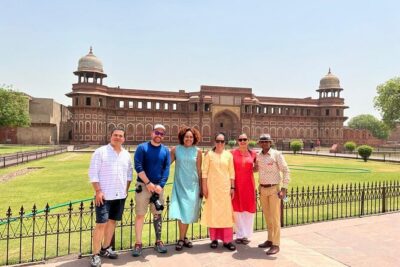
India Gate and Humayun’s Tomb for “big monument” time
India Gate gives you a war memorial setting with broad lawns along Rajpath. It’s free and quick, but it helps you understand Delhi’s civic scale—this is not a small-city story.
After lunch in Chandni Chowk (more on that next), you finish with Humayun’s Tomb. This Mughal masterpiece, built for Emperor Humayun and set in Persian-style garden layout, is one of the key early Mughal landmarks. It also matters because it influenced later design ideas you’ll see at the Taj.
Chandni Chowk lunch: where the day turns human
Chandni Chowk is loud and full of motion, and that’s the point. You get a lunch stop here at a reputable local restaurant. The menu can lean Mughlai (like biryani or korma) and also has vegetarian classics such as aloo ka paratha.
This lunch break is more than food. It gives your day a rhythm shift before the long move to Agra.
Day 1 drawback to watch: by the time you reach Agra, it’s late enough that you may not feel like doing much more than settling in. That’s normal. Plan for a relaxed evening and a good night’s sleep.
Agra on Day 2: Taj Sunrise and the Agra Fort Trail
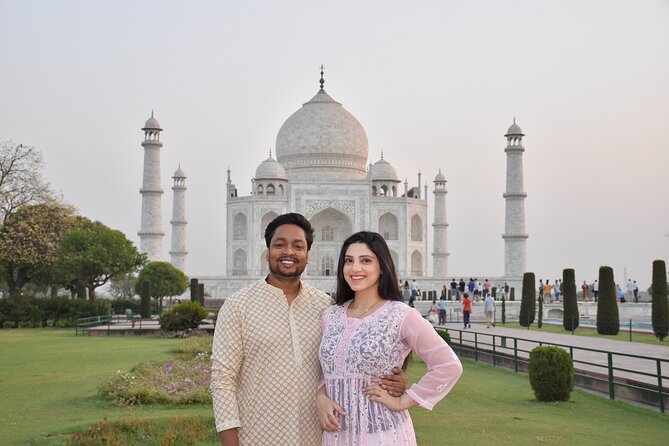
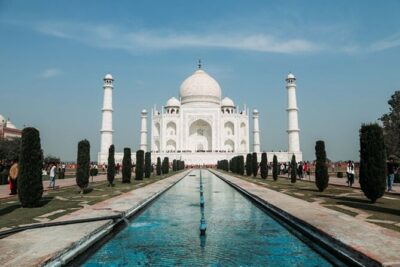
Day 2 is where this tour earns its name. You get an early start for the Taj Mahal at sunrise. That timing is everything: softer light on the marble, fewer people crowding your view, and a feeling that’s harder to replicate at any other hour.
Taj Mahal at sunrise
You’ll see the marble glowing as dawn hits. This is one of those moments where the photos look okay, but the real thing hits differently. The air is still. The monument feels almost weightless for a moment—then the scale sinks in.
Important: Taj Mahal is closed on Fridays, so your schedule needs to avoid that if you want this specific experience.
You’ll also need your photo ID for entry. And because sunrise is early, expect it to feel cold or at least chilly. One reviewer specifically suggested packing a sweater, and I agree with that logic. Even if the day warms up later, mornings can be sharp.
Breakfast and the Agra Fort circuit
After the Taj, breakfast at a top-rated local eatery keeps you fueled. This is a good place to try local comfort food options, like poori bhaji or parathas, and then ease into the day.
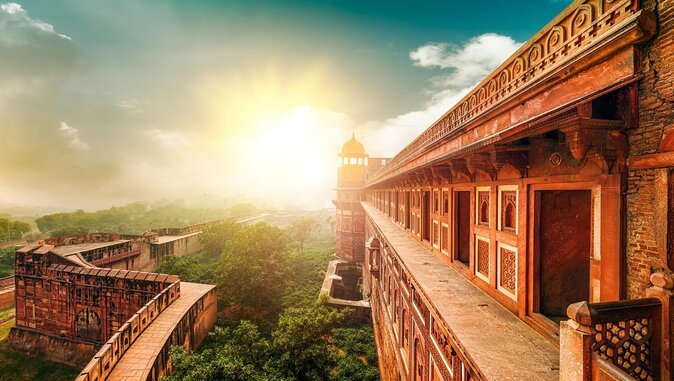
Next up: Agra Fort, the red sandstone fortress built by Akbar and used as a royal residence across generations. You’ll likely focus on major halls such as Diwan-i-Khas and Diwan-i-Am, and you’ll have a chance for a distant view across the Yamuna toward the Taj.
The goal here isn’t just to see buildings. It’s to see how power worked in stone.
Tomb of Itimad-ud-Daulah, aka the Baby Taj
Then comes the quieter marvel: Itimad-ud-Daulah. Often called the Baby Taj, it’s a marble tomb with fine inlay work, lattice-style details, and floral motifs. It’s more delicate than the big-ticket monuments, and that makes it a great counterbalance before your return drive to Delhi.
Return to Delhi
You finish Day 2 by driving back to Delhi for an overnight stay. It’s a long day, but it keeps the overall four-day structure clean. Just keep your energy for Day 3—Haridwar takes over the schedule fast.
Haridwar on Day 3: Ghats, Mansa Devi, and the Evening Ganga Aarti
Day 3 is the shift from architecture to living ritual. The drive from Delhi to Haridwar is listed as about 4 to 5 hours, so give yourself time to ease in. Once you check in, you’ll head straight to the ghats.
Har Ki Pauri: the emotional center
Har Ki Pauri is the heart of Haridwar’s Ganga life. The ghat is tied to legend, and it’s also where the famous Ganga Aarti happens. You’ll have a chance to see the area early, when the riverfront energy feels less like a show and more like a daily rhythm.
Kusha Ghat for a quieter feel
Kusha Ghat is nearby but calmer. It’s a good choice if you want spiritual time without the heaviest crowd pressure. If you’re sensitive to loud spaces, this stop is a helpful buffer.
Temple visits: Mansa Devi and Chandi Devi
Then you go upward—Mansa Devi Temple and Chandi Devi Temple are reached by cable car or trek (depending on your route). Both give you a view out over the city and river area, which helps you understand how Haridwar sits in the valley.
Temple time is also where you’ll notice local customs: shoes off, modest behavior, and a slower pace than monument sites. These stops are less about ticking UNESCO boxes and more about connection.
Ganga Aarti at Har Ki Pauri
As evening falls, Har Ki Pauri turns into a spiritual theatre. Priests perform synchronized rituals with lamps and chants. You’ll see diyas drifting on the river, and the sound and light create a strong sensory memory.
Afterward, you return to your hotel for dinner and sleep—smart planning, because Rishikesh is waiting the next morning.
Practical consideration: evening ghats can be packed. If you want a comfortable view, arrive a bit early and keep your expectations flexible.
Rishikesh on Day 4: Bridges, Ashrams, and Neer Garh Waterfall
Rishikesh is about an hour from Haridwar, so you get a smoother start. The day focuses on bridge landmarks, spiritual centers, and one nature break.
Suspension bridges: Ram Jhula, Laxman Jhula, and Janki Jhula
You’ll walk in the orbit of three suspension bridges:
- Ram Jhula, a long iron span linking major ashrams, with river and hill views
- Laxman Jhula, often tied to legend and surrounded by temples and cafés
- Janki Jhula, newer and typically calmer, a good place to slow down
These are not just bridges. They’re where daily spiritual life and tourist life overlap. You’ll see temples, shops, and people moving with purpose.
Parmarth Niketan Ashram and possible evening Aarti
Then you visit Parmarth Niketan Ashram. It’s known for being organized and serene, with spiritual talks, yoga sessions, and the famous evening Ganga Aarti.
This stop is a great way to end the spiritual rhythm of the trip without repeating Haridwar’s crowd intensity.
Neer Garh Waterfall: the nature reset
Not every second of Rishikesh is about chants. You also go to Neer Garh Waterfall, a few kilometers from the center. A short trek gets you into a greener, cooler setting.
This is a smart balance stop. If temples have you walking more than you expected, the waterfall trail gives you a different kind of stretch.
Optional yoga class and optional Triveni Ghat Aarti
There’s also an optional 60-minute yoga class at a well-known ashram or wellness center, with advance booking recommended. If you want a deeper connection to the area, this is the kind of add-on that feels worth the time.
If time allows before heading back, you can also see an optional Ganga Aarti at Triveni Ghat, usually described as calmer than Haridwar’s.
Return to Delhi
You leave Rishikesh in the late afternoon and drive back about 4 hours, arriving by late evening. Plan for a low-key night after this. Your legs and senses will be tired in the best way.
Price and Practical Details: What You’re Really Paying For
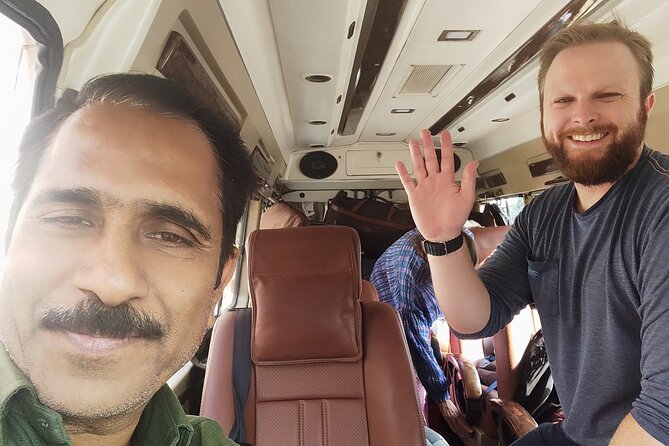
The price is listed at $299 per person for four days. That’s not just transportation. The value is in what’s bundled:
- Private chauffeur and a private air-conditioned car
- Live guide
- Pickup and drop in Delhi areas
- Hotels and breakfast are included only if you choose that option
- Parking, tolls, taxes, fuel, and interstate taxes are included
What’s not included:
- Monument entry fees (listed as approx $50 per person)
- Anything outside the plan (extra activities beyond what’s included)
So the cost feels fair if you compare it to doing this route on your own while paying for private transport and guide help. If you’re comfortable handling trains and separate drivers, you could save money, but you’ll spend more time coordinating. This tour is for people who want the schedule done and the driving handled.
One more practical note: bring a sweater or light warm layer for early mornings. Sunrise timing can be colder than you expect, especially if you’re not used to India’s north in the early hours.
Who This Tour Fits Best (and Who Might Want Another Option)
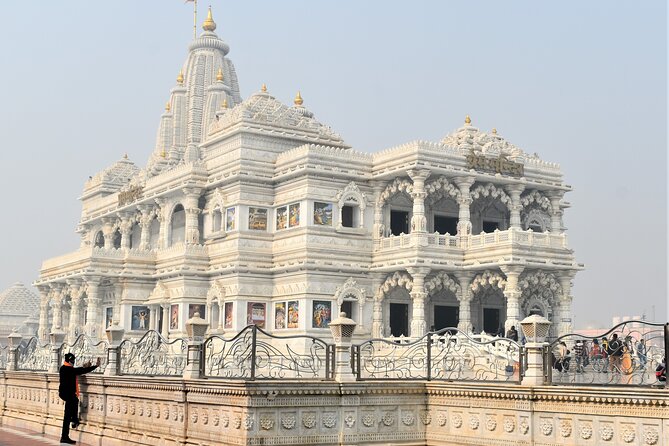
This is a good match if you:
- want a single organized route through Delhi, Agra, Haridwar, and Rishikesh
- care about the big moments like Taj Mahal sunrise and Ganga Aarti
- dislike public-transport logistics and prefer private door-to-door movement
- like having a guide explain what you’re seeing
You might want to think twice if you:
- hate early starts and long drive days
- expect totally free monument access (it’s not included)
- plan to visit on a Friday and want the Taj guaranteed (Friday closure applies)
Also, if you’re sensitive to crowd situations, build patience for ghats in the evening and marketplaces in the day.
Should You Book This Tour?
I’d book it if your priority is a smooth, guided sweep of North India with the Ganga rituals built into the plan. The route hits major cultural landmarks without making you do the hard planning work, and the sunrise timing is the kind of detail that changes the feel of the day.
If you’re the type who likes to control every hour, you might prefer a more flexible DIY setup. But if you want the comfort of a private AC car, pickup/drop, and a guide while covering Delhi to Rishikesh in four days, this tour makes a lot of sense.
One extra reassurance: the service tone seems to focus on making the experience feel personal. And with free cancellation up to 24 hours in advance, you can book with less stress if your dates are still firming up.
FAQ
Is pickup and drop included for this tour?
Yes. Pickup and drop are included within Delhi, such as from the airport, railway station, or your chosen location in the NCR area.
Are monument entry fees included?
No. Monument entry fees are not included, and they’re listed as approximately $50 per person. Some places may be free, but you should still budget for paid monuments.
Does the tour include a guide and private car?
Yes. You get a live tour guide (English-speaking, with various foreign languages available) and sightseeing by private air-conditioned car or tempo traveler, plus a private uniformed chauffeur.
Is the Taj Mahal visit guaranteed?
Taj Mahal remains closed on Friday, so the sunrise visit would not be possible if your schedule falls on a Friday.
Do I need to bring an ID?
Yes. You should bring a valid photo ID for monument entry checks.
What should I wear or bring for temple visits and early mornings?
Wear comfortable shoes because you must remove them before entering temple or sacred places. For the sunrise portion, bringing a sweater or warm layer is a smart idea due to early-morning chill.
Is yoga included in the tour?
Yoga is optional. The plan mentions a 60-minute yoga class at a respected ashram or wellness center, and advance booking is recommended.
To the Ganges: Haridwar and Rishikesh
- Private Haridwar and Rishikesh Day Tour from Delhi- All Inclusive
★ 5.0 · 357 reviews - Private Day Trip to Haridwar and Rishikesh from Delhi by Car
★ 5.0 · 43 reviews - Private Rishikesh and Haridwar Tour from Delhi
★ 4.5 · 42 reviews - Full-Day Private Tour in Rishikesh & Haridwar
★ 5.0 · 32 reviews - Moderate Himalayan Treks Near Rishikesh From Delhi
★ 5.0 · 21 reviews
Delhi Temples and Quiet Corners
- New Delhi: Akshardham Temple Tour with Water and Light Show
★ 4.8 · 313 reviews - Old Delhi Food-Spice Market-Temples Tour Soon Featured on NETFLIX
★ 5.0 · 304 reviews - Taj Mahal Sunrise with Lord Shiva Temple:- All Inclusive
★ 5.0 · 207 reviews - Old Delhi Temples and Spiritual Sites Private 6-Hour Tour
★ 4.8 · 204 reviews - Private Delhi Temples and Spiritual Sites 6 Hours Tour
★ 5.0 · 171 reviews
The Full Golden Triangle, More Options
- 3-Days Private Golden Triangle Tour: Delhi, Agra & Jaipur by Car
★ 5.0 · 1,107 reviews - 3-Days Private Golden Triangle Tour: Delhi, Agra & Jaipur by Car
★ 5.0 · 1,098 reviews - 3-Day Delhi, Agra and Jaipur Private Tour – India Golden Triangle
★ 5.0 · 812 reviews - Four-Day Private Luxury Golden Triangle Tour to Agra and Jaipur From New Delhi
★ 5.0 · 807 reviews - 5 Nights 6 Days Private Golden Triangle Tour – Delhi Agra Jaipur
★ 5.0 · 574 reviews
Just added: more New Delhi reviews to browse
- 4 days Golden Triangle Tour★ 5.0 · 3 reviews
- Discover Old & New Delhi: Private Tour with Street Food★ 5.0 · 3 reviews
- Taj Mahal Tour From Delhi By Private Car★ 4.5 · 3 reviews
- Golden Triangle Tour 5 Days★ 5.0 · 3 reviews
- Taj Mahal: Express Entry Ticket For Sunset Tour with guide★ 5.0 · 3 reviews
- Agra Taj Mahal Sunrise & Sunset Tour from Delhi★ 5.0 · 3 reviews
Golden Triangle Tours, compared.
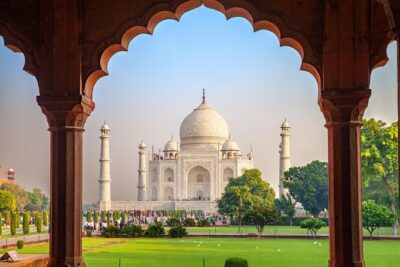 ★ 5.03-Days Private Golden Triangle Tour: Delhi, Agra & Jaipur by CarFrom $1271,107 reviews
★ 5.03-Days Private Golden Triangle Tour: Delhi, Agra & Jaipur by CarFrom $1271,098 reviews
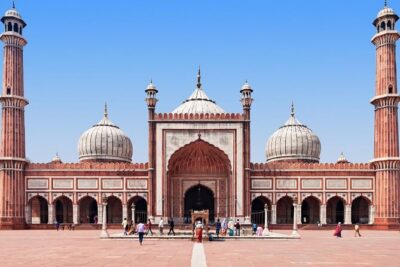 ★ 5.03-Day Delhi, Agra and Jaipur Private Tour – India Golden TriangleFrom $110812 reviews
 ★ 5.0Four-Day Private Luxury Golden Triangle Tour to Agra and Jaipur From New DelhiFrom $160807 reviews
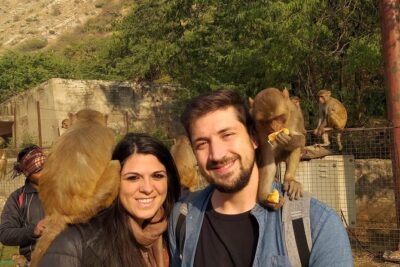 ★ 5.05 Nights 6 Days Private Golden Triangle Tour – Delhi Agra JaipurFrom $240574 reviews
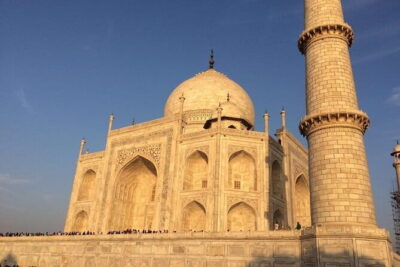 ★ 5.04 Days Golden Triangle TourFrom $146499 reviews
 ★ 5.0Private Car and Drive for Golden Triangle (4N/5D)From $167451 reviews
 ★ 5.0Private Golden Triangle Tour Delhi Agra Jaipur ( Top Rated )From $148436 reviews
Browse the lists this tour appears in