
Reviewed · RAJASTHAN TOURS FROM DELHI
Cultural Rajasthan
Rajasthan, but with sand and lakes in one trip. This 14-day private route blends Marwar and Mewar culture with dramatic scenery changes, from Shekhawati artwork to desert dunes, guided in English or Spanish. I especially like the way the plan builds in a Lake Pichola boat ride and city walks that help you feel the places, not just check landmarks off.
One heads-up: the days are full, with long road stretches and a lot of sightseeing packed in (often around 8 hours), and entrance fees aren’t included for the ticketed monuments. Plan for that so you don’t get surprised halfway through your trip.
In This Review
- Key Highlights Worth Knowing
- Why This Cultural Rajasthan Plan Works (Even If You’re Busy)
- Day 1 in New Delhi: Arrival Without the Stress Spiral
- New and Old Delhi in One Day: Tombs, Mosques, and a Spice-Market Hit
- Mandawa in Shekhawati: Fresco Havelis and Evening Stroll Energy
- Bikaner: Junagarh Fort, Palaces, Camels, and Jain Temple Stops
- Jaisalmer: Golden City Views and Desert Time That Actually Feels Different
- Jodhpur: Mehrangarh Fort Power and Market-Life Wander Time
- Udaipur and Ranakpur: Lakeside Views Plus 1444 Carved Pillars
- Udaipur’s Palaces and Temples: City Palace, Saheliyon Ki Bari, and Local Craft Time
- Pushkar: A Lake-Based Walking Tour With Temples and Market Time
- Jaipur: Tilonia Stop for Community Work, Then Palaces and Observatory Views
- Amber Fort Day Plus Shopping Time in Jaipur
- Agra and Fatehpur Sikri: Mughal Scale From Road Trip to Sunrise
- Price and Value: What $1,960 Buys (and What You’ll Still Pay For)
- Guides, Drivers, and the Crowd-Handling Advantage
- How to Decide: Should You Book Cultural Rajasthan?
- FAQ
- What is the duration of the Cultural Rajasthan tour?
- Where does the tour start?
- Is pickup included?
- Is the tour private?
- What’s included in the price?
- Are monument entrance fees included?
- Is WiFi included?
- Are flights and visa costs included?
- If weather is poor, what happens?
- Can I get a full refund if I cancel?
Key Highlights Worth Knowing
- Marwar–Mewar cultural focus across multiple regions, not just a generic Rajasthan list
- English/Spanish local guides in each city so the history and details land faster
- Desert time in Jaisalmer with jeep rides into the dunes and an overnight desert camp
- Udaipur by water including a boat ride at Lake Pichola plus palace-temple touring
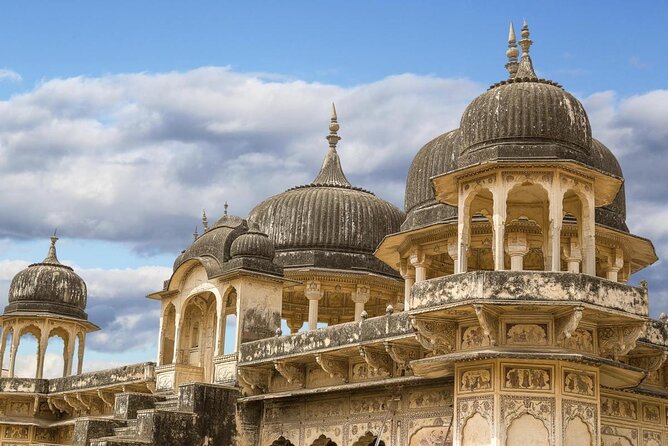
- Shekhawati’s fresco havelis in Mandawa, one of the best art-and-streets combos in the region
- Mughal big-hitters in Agra with Fatehpur Sikri on the way and Taj Mahal at sunrise timing
Why This Cultural Rajasthan Plan Works (Even If You’re Busy)
This tour is built around contrasts. You start in Delhi, then move into the semi-desert world of Shekhawati, swing through camel-and-fort territory in Bikaner, hit the sand-dune zone for Jaisalmer, and then cool things down in Udaipur with lakes and boat time. That shift matters because Rajasthan can feel same-y if you only chase forts. Here, the land changes—and so do the stories.
I like that it’s private. That means you’re not stuck in a cattle-car group rhythm. You also get a steady pattern: guided sightseeing in the morning and an easier second half—markets, optional walking tours, or recovery time after drives.
The practical note: you’ll spend serious time in a vehicle. This is part of the deal when you go big across Rajasthan. If your ideal vacation is slow and spontaneous, this schedule may feel like a sprint with great scenery.
Deeper into Rajasthan, straight from Delhi



Day 1 in New Delhi: Arrival Without the Stress Spiral
Day one is straightforward: arrive at Delhi International Airport, meet a representative, and get a transfer to your pre-booked hotel with help at check-in. After a long international flight, that first easy step is worth a lot.
You then get free time in Delhi with no mandatory program. I like that balance. It gives you room to eat something you actually recognize, reset your jet lag, and get oriented.
If you land late in the day, this is also a good choice because it avoids an immediately intense sightseeing push.
New and Old Delhi in One Day: Tombs, Mosques, and a Spice-Market Hit
Delhi day is the kind of day that makes history feel real. You go to Jama Mosque and add a rickshaw ride there—an excellent way to see Old Delhi’s street texture without turning it into a full-day walking ordeal.
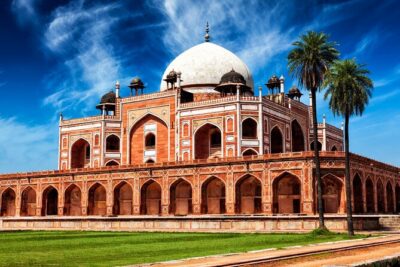
From there you’ll cover major anchors like Raj Ghat, Humayun’s Tomb, the Lotus Temple, and Qutub Minar. The mix is intentional: Mughal-era gravitas in one block, modern religious architecture in another, and a major early monument in the mix too.
Then you drive past big government and diplomatic landmarks like India Gate, Parliament House, the President’s Palace, and the diplomatic area. It’s not the same as a deep guided lecture, but it helps you understand how Delhi is layered—history, power, and modern city life all at once.
The optional evening food walk in the local market is a nice add-on if you want a sensory finish. Old Delhi’s spice market is a standout because it’s not museum-still-life. It’s real commerce.
One drawback to know: this is a full day. If you’re sensitive to crowds or want lighter pacing, you may need the next day’s travel into Mandawa to serve as your slow reset.
Mandawa in Shekhawati: Fresco Havelis and Evening Stroll Energy
You head to Mandawa early to avoid Delhi traffic. That’s a smart move. When you start this trip with fewer delays, the whole schedule feels kinder.
Mandawa sits in Shekhawati, often described as an open-air art zone. The big draw is the havelis—mansions covered in fresco paintings—where you can see the wealth, taste, and symbolism of past merchant life.
You’ll visit notable spots like Chokhani Saraf and Ladia Haveli, plus Mandawa Castle. I like that you’re not just driving past. You get a half-day tour focused on the visual impact of the art, then you get to breathe it in with a walking tour of the town afterward.
Evening walking time in a small place is underrated. You get to see how the street rhythm feels when it’s not peak shopping hours.
Tip for you: keep your camera charged. Frescoes don’t forgive low light, and you’ll want details.
Bikaner: Junagarh Fort, Palaces, Camels, and Jain Temple Stops
Bikaner is where the trip turns from art to fort-and-function. You’ll drive into the city and focus on Junagarh Fort, one of the key strongholds in the region. The day also includes Lalgarh Palace, a camel breeding farm stop, and a Jain temple visit.
This pairing works well because it adds variety to the idea of Rajasthan. Forts are often the only “wow” people expect, but here you also get the day-to-day animal work and spiritual architecture in the same general area.
I especially like that camel breeding is included. It gives the landscape a purpose beyond sightseeing. You start connecting why these places exist in the first place.
One consideration: these stops can take a steady chunk of time. Wear comfortable shoes and expect some heat, especially if you’re traveling outside the coolest months.
Jaisalmer: Golden City Views and Desert Time That Actually Feels Different
Jaisalmer is the tour’s desert pay-off. First, you get a relaxed start after the drive, then you go to Sam for a jeep ride in the sand dunes at sunset. That timing is a big part of the appeal. The light turns sand into something almost sculptural.
Back at the hotel, the night comes with momentum, but day six is where the desert experience sharpens. You’ll tour Jaisalmer’s Sonar Fort, visit Gadi Sagar Lake, and stop at a Jain temple. Then, at 4:00 pm, you go to the desert sand dunes camp and stay overnight.
The value here isn’t just a photo moment. It’s the change in environment. Cities in Rajasthan can blur together if your schedule is rushed, but desert night time brings a different pace—stars, silence (relative to the cities), and that feeling of being in a different world.
I do recommend you pack with the desert night in mind. Even if daytime feels hot, nights can be cooler, and camps are not the same as a hotel bed.
Jodhpur: Mehrangarh Fort Power and Market-Life Wander Time
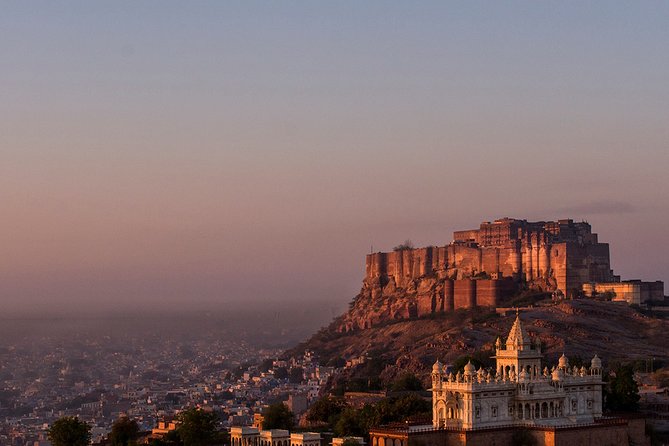
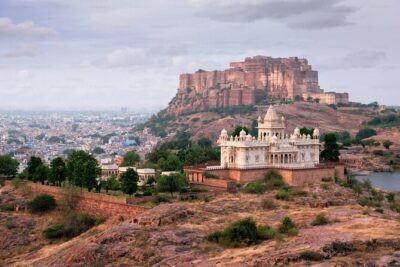
Jodhpur earns its nickname by delivering the goods: Mehrangarh Fort is the headline, with huge views and strong presence. You also visit Umaid Bhawan Palace, Jaswant Thada, and the Clock Tower area.
What I like about the mix is that you get both royal-era architecture and memorial structures, then you roll directly into real city life with optional market time.
If you want shopping, this is a good day for it. The markets here are the kind where you can browse without needing a strict itinerary every five minutes.
Practical note: forts mean stairs and uneven stone. Bring shoes you can handle, not just something that looks good in pictures.
Udaipur and Ranakpur: Lakeside Views Plus 1444 Carved Pillars
Udaipur is often the emotional payoff in a Rajasthan trip, and this plan gives it real breathing room. On the way, you stop at Ranakpur Jain Temple. The standout detail is its 1444 carved pillars, and the day is structured so you’re not doing Ranakpur as a quick photo stop.
The architectural focus is the point here. Carving style and repetition matter, and a guided visit helps you notice what you’d otherwise walk past.
After arriving in Udaipur, you check in and get an evening that’s mostly free. That matters because after long drives, you need time to settle.
Then you get Lake Pichola time with a boat ride. Water changes the mood fast. It’s also a nice break between fort-heavy days.
Udaipur’s Palaces and Temples: City Palace, Saheliyon Ki Bari, and Local Craft Time
The Udaipur sightseeing day is built around the city’s major cultural landmarks. You visit City Palace and the museum area, Saheliyon Ki Bari (Garden of Maids of Honour), Bhartiya Lok Kala Mandir, and Jagdish Temple.
You also get time later for shopping in Udaipur markets, famous for handmade paintings. I like this “creative shopping” option because it’s tied to what you saw earlier. You’re not just buying souvenirs; you’re buying something connected to local art.
If you’re someone who likes to watch how people trade—rather than only buying objects—this is one of the better stops. The city feels made for slow wandering.
Pushkar: A Lake-Based Walking Tour With Temples and Market Time
Pushkar is the softer side of the route. You drive there, check in, and then head out for a walking tour around Pushkar Lake and temples nearby.
This is a good day if you want something less about forts and more about atmosphere. The walking format is also helpful because it lets you move at your own pace around the lake area.
Evening is free for the small local market. That’s where you can keep things simple: snacks, small purchases, and a relaxed night.
Jaipur: Tilonia Stop for Community Work, Then Palaces and Observatory Views
Jaipur day starts with a drive via Tilonia village, a non-profit effort linked to community support and women empowerment. I like having one stop that isn’t only about monuments. It gives you a “how people live and organize” layer to balance the palace-and-fort focus.
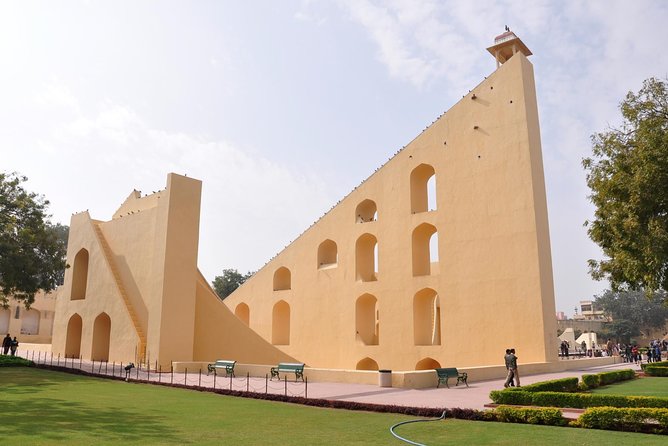
Then the city tour includes City Palace and Museum, Palace of Winds, and an observatory stop. The observatory visit is a helpful reminder that science and design mattered a lot in royal-era planning.
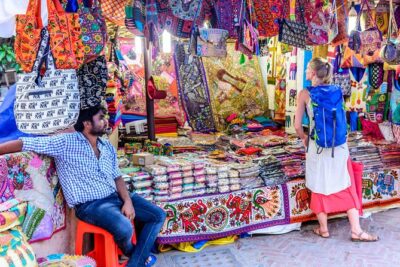
Evening is free for independent time, so you can manage your energy. Markets in Jaipur are also where you’ll find plenty of handicrafts, silk, and jewelry.
Amber Fort Day Plus Shopping Time in Jaipur
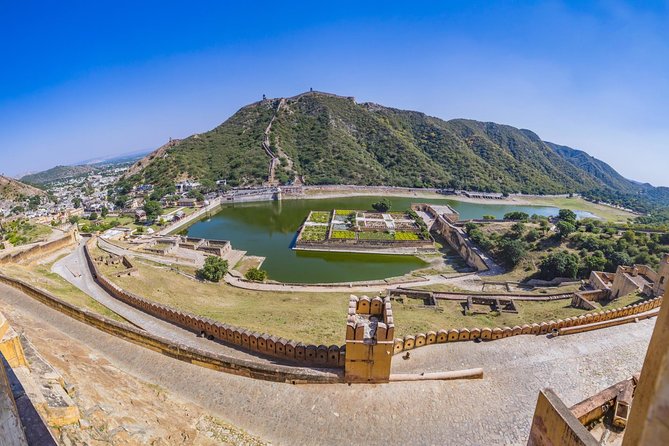
Next, you go to Amber Fort for a half-day excursion. Amber is one of the big Jaipur “musts,” and having it as a dedicated visit avoids the rushed feeling you get when it’s tacked on at the end of a long day.
The rest of your time is free for shopping in Jaipur. This is the part of the schedule where you can tailor your trip: more handicrafts, more fabrics, more jewelry hunting, or just time to sit somewhere cool and people-watch.
This is also a day to keep your wallet organized. Jaipur shopping can be fun, but it’s easy to overbuy if you treat it like a scavenger hunt.
Agra and Fatehpur Sikri: Mughal Scale From Road Trip to Sunrise
Agra arrives after a drive that includes Fatehpur Sikri. That stop matters because it shifts you from Rajasthan’s forts into a broader Mughal context.
In Agra, you check in and later visit Mehtab Bagh at sunset. That’s specifically for seeing the Taj Mahal from the other side of the river. It’s a clever idea because it adds an angle you don’t get from just one side of the complex.
Then the next morning is Taj Mahal at sunrise. Early timing is the point here: you’re seeing the monument when the light changes and the crowds are usually less intense than later in the day.
You also visit Agra Fort, including Deewan-E-Aam, Deewan-E-Khas, and Moti Masjid. These add texture to Taj Mahal. Taj is the headline, but the fort stops show the bigger Mughal system around it.
You finish with local markets time in Agra, then head back to Delhi International Airport for your onward flight.
Price and Value: What $1,960 Buys (and What You’ll Still Pay For)
At $1,960 per person, this isn’t the cheapest way to travel across Rajasthan. But it’s not trying to be. The value comes from how much is handled for you: air-conditioned vehicle, private transportation, arrival/departure assistance, and English/Spanish local guides in each city.
Accommodation is 13 nights in three-star/heritage/equivalent hotels, plus breakfast is included for 14 days. Also included are the boat ride on Lake Pichola, and a wide set of operational costs like taxes, parking, fuel charges, and driver allowance.
What’s not included is also important. Monument entrance fees for the sites on the program are extra. Airfare, visa fees, and travel insurance are also not included. And you should expect tips and personal expenses to be on your side of the ledger too.
So the real question is this: do you want to pay for comfort, private guiding, and less stress between cities? If yes, this budget can make sense. If you want to keep every rupee under control and do everything yourself, you’ll likely feel the add-ons quickly.
Guides, Drivers, and the Crowd-Handling Advantage
One thing that keeps coming up in feedback is the human touch. People specifically praised drivers like Shoaib for smooth, safe handling, and guides such as Raja for making Jaipur and Agra stops clearer. In Agra, guides like Jameel/Jamil were noted for deep Mughal history explanations and for helping people navigate the Taj Mahal area comfortably.
Even if the specific guide name varies, the pattern is consistent: the tour is built around guides who can turn complicated sites into something you can actually understand while you’re standing there.
That matters most at big-ticket attractions like Humayun’s Tomb, Qutub Minar, and the Taj Mahal, where crowd flow and timing can overwhelm you if you’re trying to interpret everything alone.
How to Decide: Should You Book Cultural Rajasthan?
I think this is a strong booking if you want a guided, high-variety Rajasthan circuit with a mix of culture, architecture, and landscape shifts, plus a little community thread via Tilonia. It’s also a good match for first-timers who don’t want to figure out routing between cities.
Skip it if you hate long drives, want lots of free time with no set sightseeing, or you know you’ll get annoyed by extra entrance fees. Also, if you prefer totally flexible travel, private touring is still structured here.
Bottom line: if you like organized pacing, local guidance, and a trip that moves through Rajasthan’s major moods, this Cultural Rajasthan plan is a practical, enjoyable way to do it.
FAQ
What is the duration of the Cultural Rajasthan tour?
The tour is approximately 14 days.
Where does the tour start?
The tour starts in New Delhi, India.
Is pickup included?
Yes. Pickup is offered, and there is assistance on arrival/departure by a representative.
Is the tour private?
Yes. It’s a private tour/activity, and only your group participates.
What’s included in the price?
Included features are air-conditioned vehicle and private transportation, arrival/departure assistance, accommodation for 13 nights (three star/heritage/equivalent), English/Spanish-speaking local guides for sightseeing, a boat ride at Lake Pichola in Udaipur, and breakfast (14). Taxes, parking, fuel charges, and driver allowance are also included.
Are monument entrance fees included?
No. Entrance fees of the monuments mentioned in the program are not included.
Is WiFi included?
No. WiFi on board is not included.
Are flights and visa costs included?
No. Any international or domestic airfare, visa fees, and travel insurance costs are not included.
If weather is poor, what happens?
This experience requires good weather. If it’s canceled due to poor weather, you’ll be offered a different date or a full refund.
Can I get a full refund if I cancel?
Yes, free cancellation is offered up to 24 hours in advance for a full refund. If you cancel less than 24 hours before the start time, the amount is not refunded.
More Tour Reviews in New Delhi
- Old & New Delhi City Tour – Half or Full Day Options Available
★ 5.0 · 4,811 reviews - Half Day Private Delhi City Tour
★ 5.0 · 4,474 reviews - Same Day Taj Mahal, Agra Fort & Baby Taj Tour from Delhi by Car
★ 5.0 · 4,304 reviews - Taj Mahal Day Tour from Delhi by Superfast Train – TOP RATED TOUR
★ 5.0 · 4,166 reviews - Delhi: Old and New Delhi Private Full or Half-Day Tour
★ 4.9 · 3,776 reviews
Further into Rajasthan
- Alluring North India and Rajasthan Tour
★ 5.0 · 552 reviews - 13 Nights 14 Days Private Tour of Heritage Rajasthan from New Delhi
★ 5.0 · 149 reviews - 8-Day Golden Triangle & Rajasthan Private Tour from Delhi
★ 5.0 · 134 reviews - 12-Days – Splendors of Golden Triangle & Rajasthan
★ 5.0 · 72 reviews - 14 Days Golden Triangle with Wildlife Safari & Heritage Rajasthan
★ 5.0 · 37 reviews
Just added: more New Delhi reviews to browse
- 4 days Golden Triangle Tour★ 5.0 · 3 reviews
- Discover Old & New Delhi: Private Tour with Street Food★ 5.0 · 3 reviews
- Taj Mahal Tour From Delhi By Private Car★ 4.5 · 3 reviews
- Golden Triangle Tour 5 Days★ 5.0 · 3 reviews
- Taj Mahal: Express Entry Ticket For Sunset Tour with guide★ 5.0 · 3 reviews
- Agra Taj Mahal Sunrise & Sunset Tour from Delhi★ 5.0 · 3 reviews
Rajasthan Tours from Delhi, compared.
 ★ 5.0Alluring North India and Rajasthan TourFrom $2,400552 reviews
 ★ 5.013 Nights 14 Days Private Tour of Heritage Rajasthan from New DelhiFrom $226149 reviews
 ★ 5.08-Day Golden Triangle & Rajasthan Private Tour from DelhiFrom $492134 reviews
 ★ 5.012-Days – Splendors of Golden Triangle & RajasthanFrom $2,38072 reviews
 ★ 5.014 Days Golden Triangle with Wildlife Safari & Heritage RajasthanFrom $83537 reviews
 ★ 5.0Royal Rajasthan: Whispers From The Past Curated JourneyFrom $1,06834 reviews
 ★ 5.0Rajasthan:- Maharaja Places of Royal Rajasthan 07- Days TourFrom $85017 reviews
 ★ 4.55-Night Private Rajasthan Tour from Delhi Including Jaipur, Jodhpur and UdaipurFrom $35815 reviews
Browse the lists this tour appears in