
Reviewed · DELHI RICKSHAW & TUK-TUK TOURS
Old Delhi: 3-Hour Tuk-Tuk/Rickshaw Tour
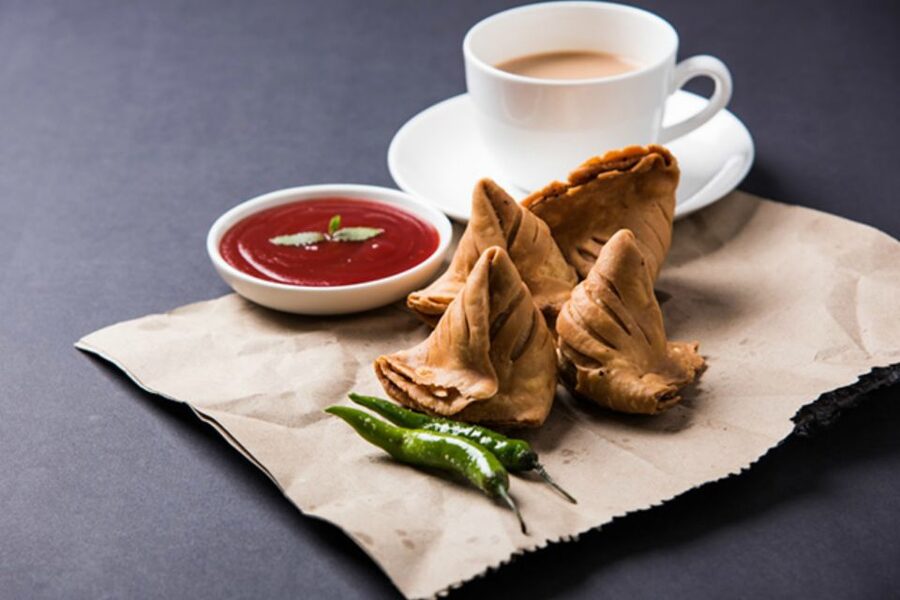
Old Delhi is loud; this tour gets you through. You’ll ride a tuk-tuk rickshaw with an English-speaking guide, hitting big hitters like Jama Masjid, Khari Baoli, and Gurudwara and Jain stops, with chai and samosa built in.
I especially like the 3-hour pacing. It’s long enough to feel like you really got oriented, but short enough that you’re not stuck walking and weaving through traffic stress for hours.
I also like that it’s not just monuments. You get real community life at langar in Gurudwara Sis Ganj, and your guide brings the sites to life with clear explanations (some guides are described as funny and sharp, like Raghuveer Singh and Arham). One catch: there’s no hotel pickup, so you’ll need to reach the meeting point near Red Fort.
In This Review
- Key things that make this Old Delhi tuk-tuk tour work
- Why a 3-hour tuk-tuk tour makes sense in Old Delhi
- Meeting at Sunehri Masjid by Red Fort: the easiest first move
- Jama Masjid courtyard and the minaret-view gamble
- Khari Baoli spice market: smell, history, and what to buy (and skip)
- Chandni Chowk snack break: pacing yourself in Old Delhi’s main artery
- Gurudwara Sis Ganj and langar: community kitchen, not just a photo stop
- Jain Mandir and the bird hospital: a quieter ending with meaning
- Price and logistics: what $25 really covers
- What to bring so the experience stays pleasant
- Safety, shoe rules, and Sunday market changes
- Who this tour suits best (and who should think twice)
- Should you book this Old Delhi tuk-tuk tour?
- FAQ
- How long is the Old Delhi tuk-tuk rickshaw tour?
- Where is the meeting point?
- Is water included in the tour price?
- Are ticket lines skipped?
- What language is the tour guide?
- Are markets open on Sundays?
- Do I need to remove shoes at stops?
Key things that make this Old Delhi tuk-tuk tour work
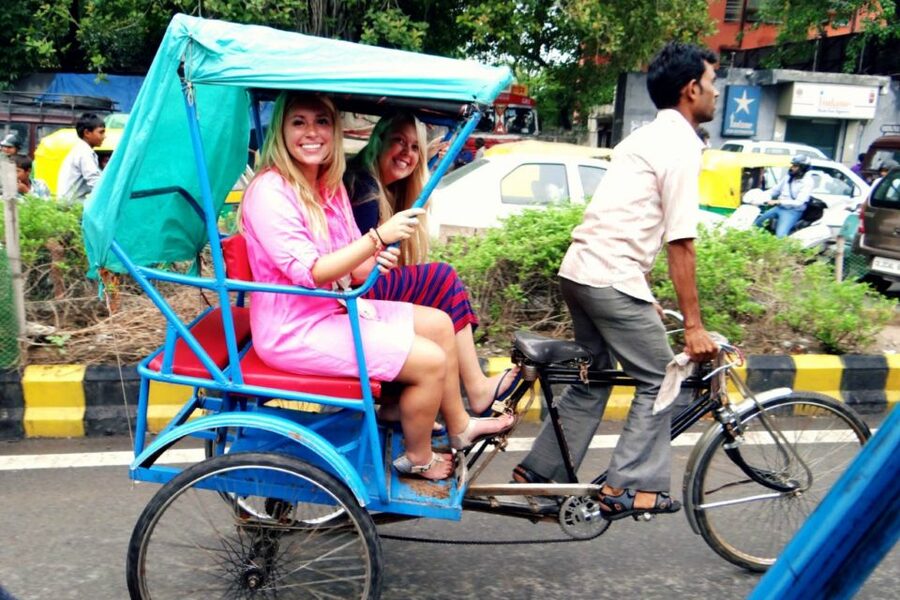
- No long walks required: you cover Old Delhi by tuk-tuk so you can spend your energy on the sights
- Jama Masjid plus views: the red sandstone courtyard and a minaret view if it’s open
- Khari Baoli spice market stop: hands-on spice education and context for what you’re smelling
- Chandni Chowk snack timing: you eat after you’ve built up an appetite
- Gurudwara Sis Ganj langar experience: see Sikh community kitchen life, not just architecture
- Jain Mandir bird hospital: a quieter, more unusual ending than you’d expect
Why a 3-hour tuk-tuk tour makes sense in Old Delhi
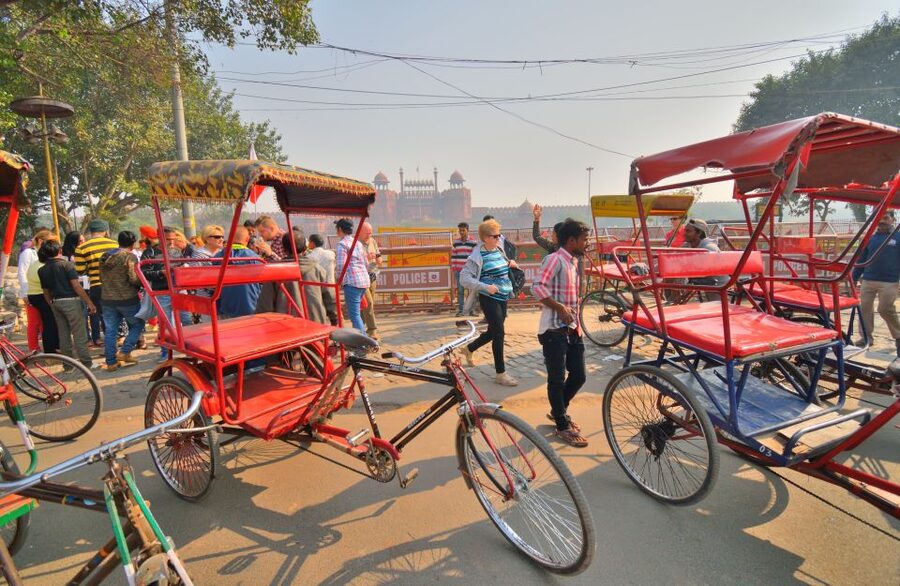
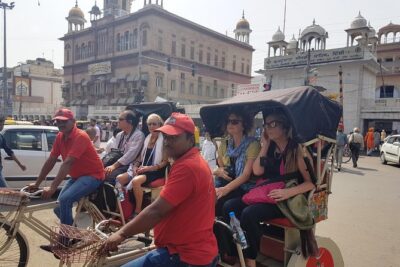
Old Delhi can feel like sensory overload—horns, scooters, crowds, vendors calling out, and narrow lanes that don’t forgive mistakes. This is why the tuk-tuk format matters. You’re still in the middle of it, but you’re not doing it all on foot. You’ll roll past colorful markets and busy streets while your guide helps you understand what you’re seeing and why it matters to local life.
The 3-hour window is also a practical sweet spot. If you only have a morning or an early evening, you can still hit the major landmarks—Jama Masjid, the spice areas, and the Sikh and Jain sites—without turning the day into a forced march. And because your guide is with you the whole time, you’re not left figuring out routes through the busiest parts of Old Delhi.
One more thing I like: the tour doesn’t treat “food” like an afterthought. You’re building up to the evening tea-time snacks (chai and samosa) right when your appetite makes sense—after you’ve walked through and smelled your way through spice and market stops.
More hours to spend in Old Delhi




Meeting at Sunehri Masjid by Red Fort: the easiest first move
You meet at the gate of Sunehri Masjid, Nishad Raj Marg, Lal Qila, Old Delhi (opposite the Red Fort parking). Your guide will wait outside with a green banner that says Sunehri Masjid.
This is a smart meeting point because it’s close to a major landmark, and it’s easy to orient yourself around Red Fort. If you’re using public transport, the Delhi Metro stop is Jama Masjid on the Violet Line. From there, it’s a straightforward connection.
Do plan ahead for one simple reality: you’re starting in a busy area. Keep your phone and wallet secure from crowded-street pickpocketing, and stay close to your guide. Since there’s no hotel pickup, your arrival timing matters more here than on tours that collect you from your hotel lobby.
Also, keep in mind what’s not included: water isn’t provided. Bring your own so you don’t end up rationing sips mid-walk or mid-ride.
Jama Masjid courtyard and the minaret-view gamble
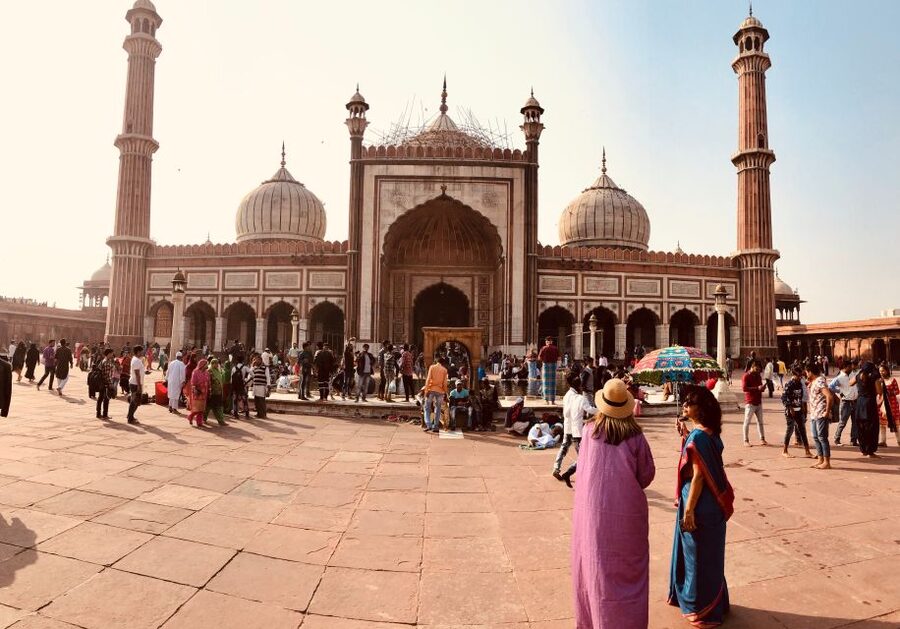
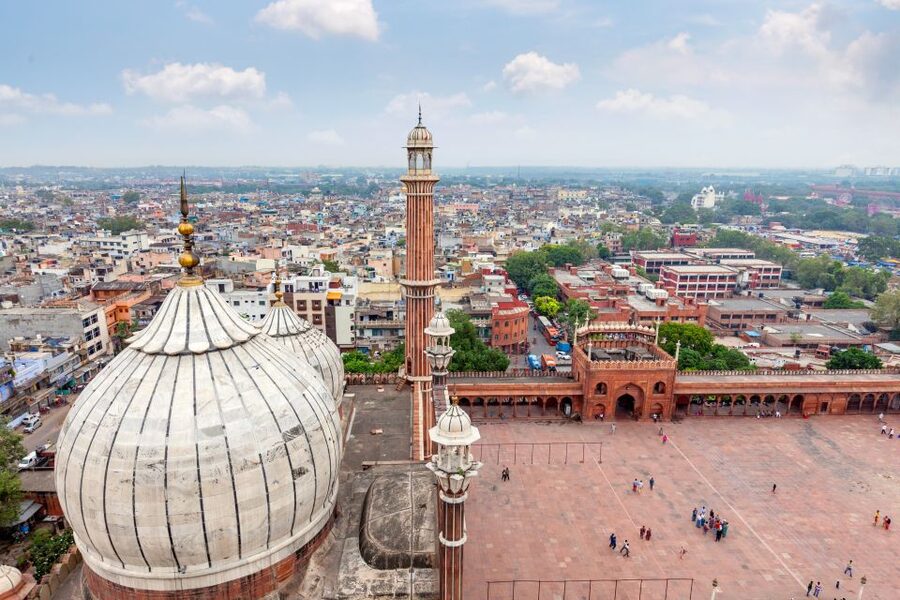
Your first major anchor stop is Jama Masjid, India’s largest mosque. Expect to spend time in the red sandstone courtyard and take in the scale. This place isn’t just a pretty postcard; it’s an active religious site that shapes daily rhythms around it.
Here’s the part that can really make the visit memorable: the tour notes that if you’re lucky, you may even climb a minaret for views of Old Delhi. In practice, that means the view isn’t guaranteed—the minaret may be closed—but you’ll still get a powerful perspective from the courtyard and surrounding areas.
You’ll also need to follow basic worship-site rules. When you enter places of worship, you must remove your shoes and socks. Wear shoes that are easy to slip off and back on. Socks matter—if you hate fiddling with clothing changes in a crowd, plan for that before you arrive.
On top of the site itself, the guide role is huge. A good guide helps you read the space: why you’re seeing what you’re seeing, where the important sightlines are, and how Old Delhi’s layout connects to the mosque’s prominence. If you get a guide like the ones praised in previous tours—clear, friendly, and willing to tailor the pace—you’ll feel less like you’re just standing and more like you’re actually understanding.
Khari Baoli spice market: smell, history, and what to buy (and skip)
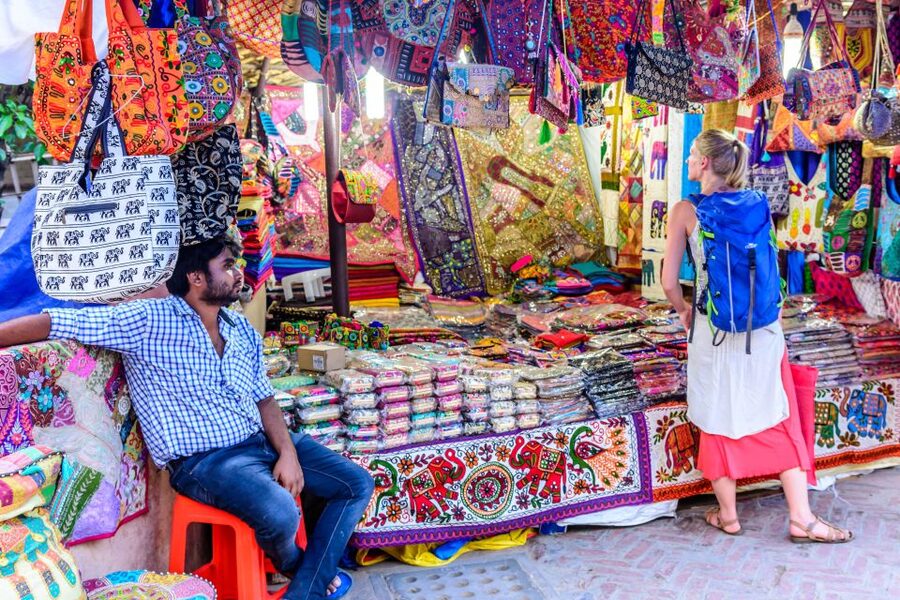
After Jama Masjid, you head through Khari Baoli, described as Asia’s largest spice market and tied to the 17th century. This stop is where the tour becomes hands-on, not just scenic.
You’ll ride there in the tuk-tuk, then spend time in the spice market environment with your guide explaining how spices are used and what people associate them with—your tour includes information about medicinal and health benefits. Even if you don’t treat those claims as medical advice, it’s still valuable context. You’ll better understand why certain spices are sold the way they are, how they’re discussed, and why locals consider them everyday essentials rather than “specialty souvenirs.”
What to watch for: spice markets can turn into a shopping pressure cooker fast. You don’t have to buy anything to get value from the stop. If you do want to purchase, set a simple rule for yourself—buy one or two items you can actually use at home, not a “maybe I’ll figure it out later” bag.
In previous guides’ descriptions, a common strength has been safety and pacing—helping you move through the crowds without getting swept into the most aggressive sales conversations. Stay close to your guide and keep your hands and bags controlled; crowded markets are exactly where pickpockets look for distractions.
Chandni Chowk snack break: pacing yourself in Old Delhi’s main artery
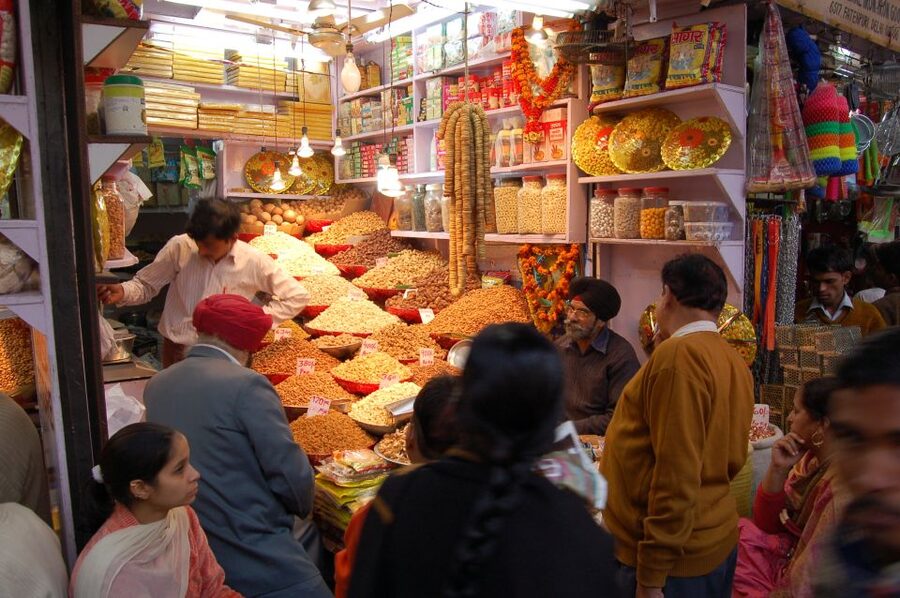
You’ll build your appetite by then, and that’s when the tour drops you into a quick stop at Chandni Chowk. This is one of Old Delhi’s best-known market corridors, and it can be intense on your senses—so the snack timing matters.
The included treats are evening-style favorites: chai and samosa. This is a smart choice for two reasons. First, it’s simple food you can usually eat without long waits. Second, it gives you a break from standing, staring, and navigating without losing momentum.
A practical tip: if you’re sensitive to spice levels, ask for mild if you can. You may not control everything, but a small adjustment makes the difference between enjoying the food and feeling wiped out right after. Also, since water isn’t included, chai can be great but still leaves you needing hydration—especially if it’s warm outside.
This is also a good moment to observe how markets work when you’re not being rushed by walking. You’re sitting in the middle of the action for a short time, but you’re not trying to cross every lane. It’s a nice reset before the more religious and community-focused stops.
More of the city from the back of a rickshaw
Gurudwara Sis Ganj and langar: community kitchen, not just a photo stop
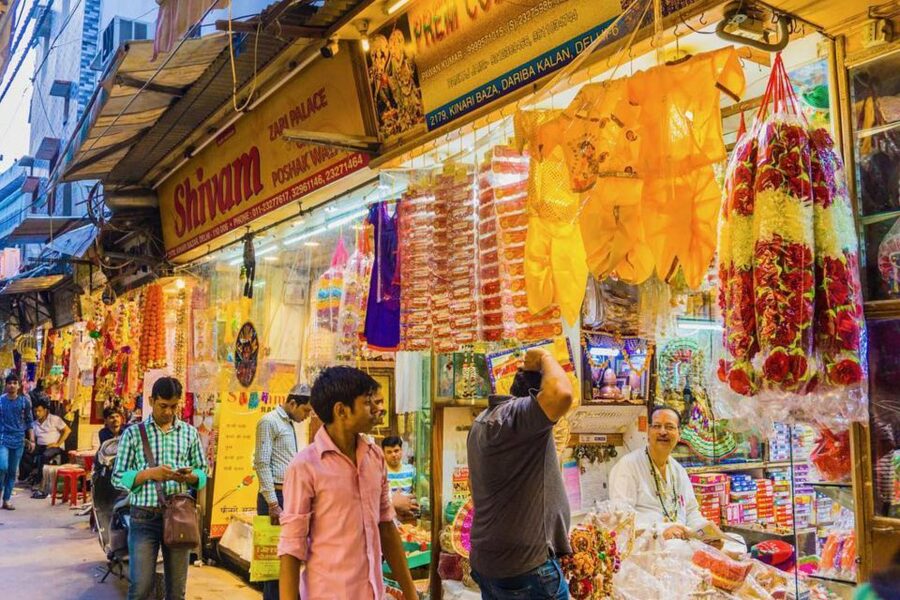
Next comes Gurudwara Sis Ganj, a significant Sikh prayer house. This stop shifts the tour from markets and sightseeing into community life.
You’ll spend time interacting with locals, and the highlight here is the langar experience. Langar is the community kitchen service, where people share food as part of Sikh practice. It’s one of those experiences that can feel bigger than you expected—because you’re watching a working system of hospitality, not just touring a building.
The best part of langar for many people is the simplicity. You’re fed, you see how strangers treat each other, and you realize the “community” piece isn’t a slogan—it’s how the place runs. If you’re tired from crowds, langar can be a calmer pocket, at least compared with the surrounding streets.
One practical note: religious sites require the basic etiquette you’d expect—follow your guide’s instructions quickly so you don’t slow down the group. Even when you’re excited, move with care.
Jain Mandir and the bird hospital: a quieter ending with meaning
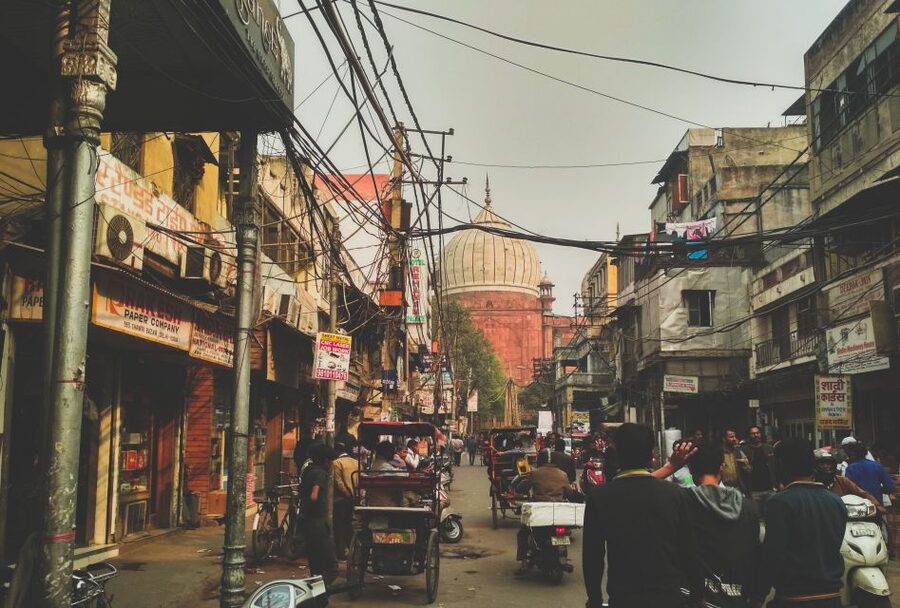
The tour ends at Jain Mandir, which is noted as home to a charitable hospital for birds. This is a thoughtful counterpoint to the louder market streets you’ve been moving through.
The tour includes time to learn about the tenets of Jain religion, which helps you connect this last stop to the bigger theme: different faiths shaping daily life in Old Delhi. Instead of just checking another box, you get a reason why a bird hospital belongs inside a temple complex and how religious values can show up in practical care.
Even if you’re not a religion-history person, this ending works because it gives you a moment to breathe. You’re not in “shopping mode” anymore. You’re in “understanding mode,” and that shift makes the whole tour feel more rounded.
Price and logistics: what $25 really covers
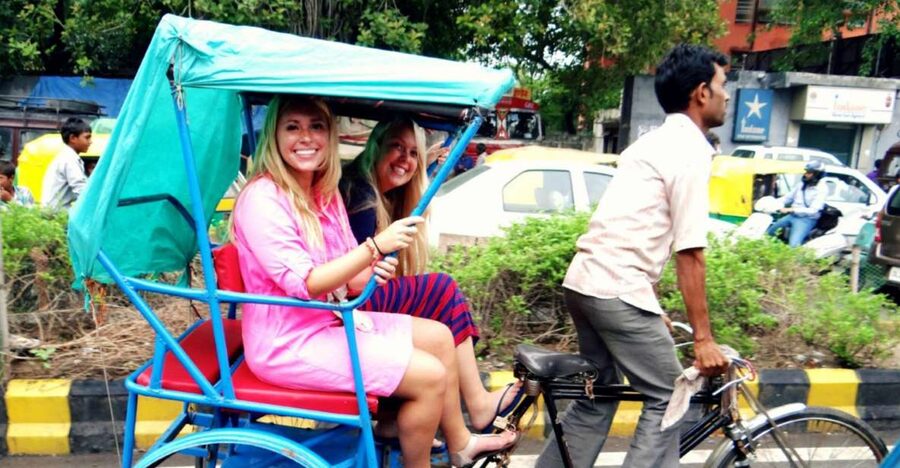
At $25 per person for a 3-hour Old Delhi tuk-tuk tour, you’re paying for time-saving transport, a guide, and cultural access—plus snacks. It’s not just a ride; it’s a guided loop built around high-impact stops.
Here’s what’s included:
- Tuk-tuk tour
- Professional English-speaking guide
- Tea and snacks
And what’s not included:
- Water
- No hotel pickup/drop-off
- Any extra services
Also, the tour includes skip-the-ticket-line for the relevant sights where that applies. That matters when you’re short on time and when queues in big sites can eat your schedule.
Because water and hotel pickup aren’t included, your best value move is simple: plan your start time so you’re not late to the meeting point, and bring what you’ll need for comfort.
What to bring so the experience stays pleasant
Wear comfortable shoes. You’ll be in and out of religious spaces where you must remove shoes and socks. Add sunglasses, sun hat, and sunscreen because Old Delhi sun can sneak up on you, even when you’re busy looking at everything.
Safety, shoe rules, and Sunday market changes
This tour is very doable, but you need to follow a few non-negotiables.
First: stay close to your guide at all times. Old Delhi crowds can make it easy to drift and hard to get back on track. Also watch for pickpockets in crowded areas—keep a grip on your phone, camera, wallet, and anything you’d hate to lose.
Second: plan for shoe removal. In temples and places of worship, you must remove your shoes and socks. If you’re wearing footwear that’s annoying to remove, you’ll feel it in every stop.
Third: Sunday changes happen. The main markets are closed on Sundays, and the itinerary is adjusted to show other local markets instead. If your schedule lands on a Sunday, don’t worry—your route will shift so you still get market time.
Finally, this tour isn’t suitable for everyone. It’s listed as not suitable for pregnant women and wheelchair users. If you fall into either category, look for a more accessible alternative.
Who this tour suits best (and who should think twice)
This is a great fit if you:
- Want a fast, guided introduction to Old Delhi’s major sights
- Prefer seeing markets without doing all the walking
- Like food that’s tied to a moment (chai and samosa after the spice and market stops)
- Care about community culture as much as architecture (langar at Gurudwara Sis Ganj)
It might be less ideal if you:
- Need hotel pickup or easy door-to-door logistics (there isn’t any)
- Can’t manage shoe removal and crowd movement
- Require wheelchair access or have pregnancy-related limitations
Should you book this Old Delhi tuk-tuk tour?
I think you should book this if you want a smart, time-efficient Old Delhi route that mixes big landmarks with everyday life—especially if the idea of navigating Khari Baoli and Chandni Chowk on your own sounds exhausting. The tuk-tuk is the main value driver here: it reduces walking fatigue while still letting you feel the city up close.
I’d only pass if your top priority is slow, detailed museum-style exploration, or if you strongly prefer a quieter, less crowd-facing itinerary. For many people, though, the blend of Jama Masjid, spice market context, Sikh langar community life, and a calm Jain Mandir ending hits the right balance—three hours well spent.
FAQ
How long is the Old Delhi tuk-tuk rickshaw tour?
It’s 3 hours long.
Where is the meeting point?
You meet at the gate of Sunehri Masjid, Nishad Raj Marg, Lal Qila, Old Delhi, New Delhi, Delhi 110006, opposite Red Fort parking. Your guide will be outside the Green Banner stating Sunehri Masjid.
Is water included in the tour price?
No. Water isn’t included.
Are ticket lines skipped?
Yes. The tour includes skip-the-ticket-line.
What language is the tour guide?
The live tour guide is available in English and Spanish.
Are markets open on Sundays?
The main markets are closed on Sundays, and the itinerary is changed to show other local markets instead.
Do I need to remove shoes at stops?
Yes. You must remove your shoes and socks in temples and places of worship.
More Tour Reviews in New Delhi
- Old & New Delhi City Tour – Half or Full Day Options Available
★ 5.0 · 4,811 reviews - Half Day Private Delhi City Tour
★ 5.0 · 4,474 reviews - Same Day Taj Mahal, Agra Fort & Baby Taj Tour from Delhi by Car
★ 5.0 · 4,304 reviews - Taj Mahal Day Tour from Delhi by Superfast Train – TOP RATED TOUR
★ 5.0 · 4,166 reviews - Delhi: Old and New Delhi Private Full or Half-Day Tour
★ 4.9 · 3,776 reviews
More Rides Through the Lanes
- Old Delhi Food, Heritage&Cultural Walk with Rickshaw ride to Masterji Kee Haveli
★ 5.0 · 742 reviews - Delhi: Old Delhi Street Food Tour with Rickshaw Ride
★ 4.9 · 403 reviews - Delhi Food Walk: Rickshaw Ride, Street Eats & Market Tour
★ 5.0 · 401 reviews - Old Delhi: Private Tour of Chandni Chowk, Tuk Tuk & Food
★ 4.9 · 345 reviews - 3-hour Old Delhi Heritage Walking tour with Rickshaw Ride
★ 5.0 · 240 reviews
More of Old Delhi
- The Great Indian Food Tour: Old Delhi Food and Heritage Walk
★ 5.0 · 1,698 reviews - Old Delhi Food, Heritage&Cultural Walk with Rickshaw ride to Masterji Kee Haveli
★ 5.0 · 742 reviews - Old Delhi Bike Tour
★ 5.0 · 616 reviews - Old Delhi Street Food Tour
★ 5.0 · 497 reviews - Breakfast Walk in Old Delhi
★ 5.0 · 449 reviews
Just added: more New Delhi reviews to browse
- 4 days Golden Triangle Tour★ 5.0 · 3 reviews
- Discover Old & New Delhi: Private Tour with Street Food★ 5.0 · 3 reviews
- Taj Mahal Tour From Delhi By Private Car★ 4.5 · 3 reviews
- Golden Triangle Tour 5 Days★ 5.0 · 3 reviews
- Taj Mahal: Express Entry Ticket For Sunset Tour with guide★ 5.0 · 3 reviews
- Agra Taj Mahal Sunrise & Sunset Tour from Delhi★ 5.0 · 3 reviews
Delhi Rickshaw & Tuk-Tuk Tours, compared.
 ★ 5.0Old Delhi Food, Heritage&Cultural Walk with Rickshaw ride to Masterji Kee HaveliFrom $52742 reviews
 ★ 4.9Old Delhi Street Food Tour with Rickshaw RideFrom $43403 reviews
 ★ 5.0Delhi Food Walk: Rickshaw Ride, Street Eats & Market TourFrom $40401 reviews
 ★ 4.9Old Delhi: Private Tour of Chandni Chowk, Tuk Tuk & FoodFrom $70345 reviews
 ★ 5.03-hour Old Delhi Heritage Walking tour with Rickshaw RideFrom $7240 reviews
★ 4.63-Hour Old Delhi Heritage Walking tour with Rickshaw rideFrom $10158 reviews
★ 5.03-hour Old Delhi Heritage Walking tour with Rickshaw RideFrom $7240 reviews
★ 4.63-Hour Old Delhi Heritage Walking tour with Rickshaw rideFrom $10158 reviews
 ★ 5.0Luxury Rickshaw Tour of Old DelhiFrom $85106 reviews
 ★ 4.8Old Delhi City Tour with Tuk-Tuk Ride & Street FoodFrom $288 reviews
Browse the lists this tour appears in