
Reviewed · OLD DELHI TOURS
Old Delhi: Khari Bawli – Asia’s Largest Spice Market
Spices have a street address in Delhi. This Khari Bawli walk works because it turns Old Delhi’s spice trade into something you can actually understand, with a guide explaining what you see and why it matters.
I especially like the sensory side: you’ll walk past spices, dried fruits, herbs, and teas and learn how they fit into everyday Indian cooking and traditional uses.
The second big win is the people part. You get hotel pickup in a private, air-conditioned vehicle, an English-speaking expert guide (multiple other languages too), plus bottled water and light refreshments so you can keep going without feeling rushed.
One thing to plan for: you are walking in the market area for 3–4 hours, so comfortable shoes, sun protection, and cash for shopping are not optional. If crowds and strong smells aren’t your thing, this may feel like a lot.
In This Review
- Key things I’d circle before you go
- Khari Baoli Road: why this spice market grabs you fast
- The 3–4 hour rhythm: what happens during the tour
- Hotel pickup in a private vehicle: simple comfort before the crowd
- Walking Khari Baoli lanes: what to look for besides the obvious
- Tea sampling and shopkeeper chats: how you turn shopping into learning
- Photos in Old Delhi: how to get strong shots without slowing the group
- What I’d pack (and why): shoes, cash, and sun gear
- Price and value: is $23 per person a fair deal?
- The guide experience: what the top reviews emphasize
- Who should book this Khari Bawli spice market tour?
- Should you book? My honest take
- FAQ
- How long is the Khari Bawli spice market tour?
- What’s included in the price?
- Do I need cash?
- Is the tour mostly walking?
- What languages are available for the live guide?
- Can I cancel and get a full refund?
Key things I’d circle before you go
- Asia’s largest spice market: You’re not just window-shopping, you’re learning the “what and why” behind the shelves.
- A real guide, not a slideshow: Expect clear explanations of culinary and traditional medicine uses.
- Photo-friendly chaos: Colorful displays and lively street scenes make it easy to get great shots.
- Tea sampling built in: You’ll get a taste of the market’s flavor story, not only a lecture.
- Hotel pickup + private vehicle: It’s a smooth start and finish for Old Delhi.
Khari Baoli Road: why this spice market grabs you fast
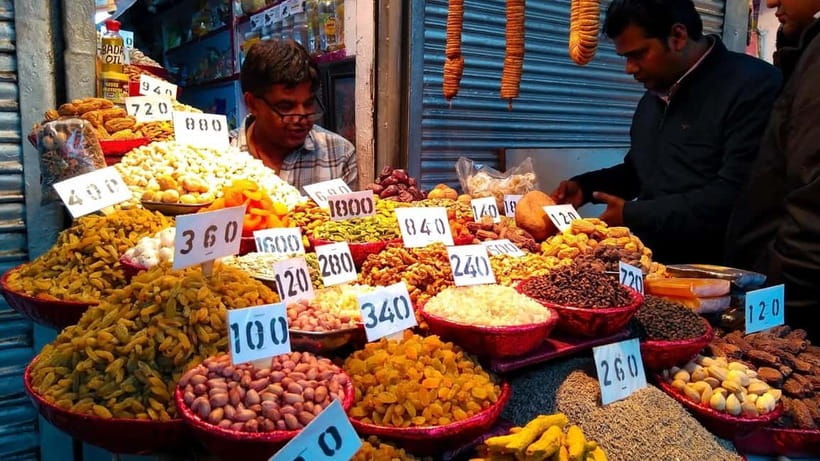
Khari Bawli (on Khari Baoli Road) is one of those places where your senses get the steering wheel. Even before the guide starts talking, you’ll feel it: the mix of dried goods, the sharp-clean smell of spices, and the everyday rhythm of shop doors opening and closing along narrow lanes.
What I like about this kind of tour is that it doesn’t treat the market like a random shopping stop. Your guide connects the goods to Delhi’s culinary and trade traditions, so you can look at a stack of powders and actually understand where it fits in a meal—or why it’s been used traditionally.
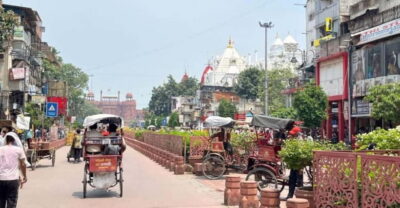
You also get the Old Delhi setting as part of the experience. While you’re walking, you’ll notice the architecture and street life around you, which helps you place the market in a bigger city story instead of treating it like a standalone attraction.
More hours to spend in Old Delhi



The 3–4 hour rhythm: what happens during the tour
This is a short tour, designed for momentum. In about 3–4 hours, you’ll cover enough ground to feel the market’s scale, but not so long that it becomes a dragging endurance test.
Here’s how the flow usually works:
- You meet your guide and head toward Khari Baoli Road after hotel pickup in a private vehicle.
- You walk through the market lanes where you’ll see an intense mix of spices, dried fruits, herbs, and teas.
- Your guide explains the history and the market’s role in Delhi’s food and trade culture.
- You learn practical “uses” for what you’re seeing, including how spices and herbs show up in Indian cuisine and traditional medicine.
- You stop for interaction with shopkeepers and often sample teas.
- You wrap up with chances to take photos of colorful displays and Old Delhi scenes, then return via hotel drop-off.
This pace works well if you want a genuine cultural experience but still want time in your day for other sights or a relaxed meal afterward.
Hotel pickup in a private vehicle: simple comfort before the crowd
Old Delhi can be hectic to navigate on your own. A big part of the value here is that you don’t start by figuring out logistics. You get hotel pickup and drop-off in a private, air-conditioned vehicle, which takes the edge off the first and last part of your trip.
That air-conditioned ride matters more than you’d think in India heat. Even if you’re excited, you’ll want to arrive at the market fresh enough to look, ask questions, and enjoy the guide’s explanations instead of just trying to survive the day.
It’s also a private-group setup. That usually means you can move at a comfortable pace and ask follow-up questions when something specific catches your eye—like when a shopkeeper shows you a product and your guide helps translate what you should know.
Walking Khari Baoli lanes: what to look for besides the obvious
Yes, it’s crowded and yes, it’s sensory-heavy. But there’s a trick to getting more out of the walk: pay attention to categories, not individual items.
Your guide will point out different kinds of goods you’ll see around Khari Bawli Road, including:
- powdered spices and whole spice blends
- dried fruits and herbs
- teas in different forms
As you walk, you’re not only looking at color. You’re learning the “how it’s used” side—how these ingredients connect to Indian cuisine and how they’re traditionally used in various ways. That turns your eyes into a tool: you start to recognize patterns, like what tends to be sold as a kitchen staple versus what shows up as a tea or an herb focus.
Also, expect Old Delhi architecture and street life to appear in the margins of your route. You’ll get photo opportunities without needing to leave the market environment. Just keep your phone secure and your eyes open—this is the kind of place where the best photos happen when you’re watching both the stalls and the people moving through them.
Tea sampling and shopkeeper chats: how you turn shopping into learning
One of the most practical parts of this tour is that it doesn’t just talk about flavors—it also helps you taste them. You’ll have a chance to sample teas, which is a smart move because tea shows up in everyday Indian life and it’s an easy entry point for understanding spice culture.
Then there’s the shopkeeper conversation. You’ll engage with local sellers and learn how items are described and used. If you decide to purchase spices, you get assistance with translating local language, which is huge for avoiding the two classic mistakes:
- buying something you don’t know how to use
- paying for confusion because the meaning got lost in translation
I also like that your guide’s role here is practical. The goal is not to pressure you into buying. The goal is to help you shop with clarity, so your souvenirs are actually useful when you get home.
More bazaars and boutiques to work through


Photos in Old Delhi: how to get strong shots without slowing the group
You’ll want photos here. The market makes it easy: colorful displays, stacks of goods, busy street scenes, and visual textures everywhere.
To get the best results without feeling chaotic, treat it like this:
- Pause when your guide is talking so you can shoot while the information is fresh.
- Move with the flow when the crowd thickens. Most great market photos come from timing, not from stopping too long.
- Use wider framing for the street life and narrow framing for close-up textures like powders and dried herbs.
Also, Old Delhi scenes can include strong sunlight. Bring sunglasses and plan for quick exposure adjustments on your camera phone. A hat helps too, especially if your tour runs during the brightest hours.
What I’d pack (and why): shoes, cash, and sun gear
The tour is straightforward, but it’s not light.
Bring:
- Comfortable shoes (you’ll be walking in the market area)
- Sunglasses and a hat (sun and glare add up)
- Cash (if you want to buy spices)
You’ll also get bottled water and light refreshments during the tour, which helps you stay steady. Still, you’ll feel better if you treat this like a walking outing, not a quick stop.
Price and value: is $23 per person a fair deal?
At about $23 per person for a 3–4 hour experience, the value comes from what’s included, not just the headline number.
For that price, you get:
- hotel pickup and drop-off in a private, air-conditioned vehicle
- an expert English-speaking guide (with additional language options)
- bottled water and light refreshments
- help with translation if you purchase spices
- a private group setup
In other words, you’re paying for an experienced person to make sense of the market, plus real logistics help in a place that can be confusing on your own.
If you care about shopping but you also want understanding—what spices do, how they’re used, and how the market fits into Delhi’s food culture—this price point is appealing. If you only want a quick look and you’re happy with minimal guidance, you might question whether you need the full guided format. But for most first-time visitors to Old Delhi’s spice world, the guide and pickup are what make it worthwhile.
The guide experience: what the top reviews emphasize
The strongest praise centers on the guide’s personality and communication. One review highlighted how friendly the guide was and how they handled guests’ wishes well. Another key point: the guide explained a lot and could speak German clearly.
Even if you’re not using German, that’s a good sign. It suggests your guide isn’t just reciting facts. You’ll likely get patient answers, useful explanations, and a smoother experience when you’re navigating a sensory market.
Who should book this Khari Bawli spice market tour?
This tour fits best if you:
- want a guided introduction to Old Delhi’s spice and tea culture
- enjoy learning how ingredients connect to cooking and traditional uses
- like practical souvenir shopping with translation help
- prefer a simple logistics setup with pickup and drop-off
It’s also a good option for people who want strong photo opportunities without planning a route through a busy area on their own.
Consider skipping or changing expectations if:
- walking in crowds and strong smells will stress you out
- you want a long, sit-down food experience instead of a market walk
Should you book? My honest take
Yes, I’d book this if you want Old Delhi’s spice market to feel understandable and not just chaotic. The combination of hotel pickup, a private vehicle, a guide who explains what you’re seeing, and tea sampling makes the experience feel efficient and real.
If you’re on the fence, here’s the quick test: if you want more than photos—if you want to know what you’re looking at and how spices fit into everyday life—this is a good match.
FAQ
How long is the Khari Bawli spice market tour?
It lasts about 3 to 4 hours.
What’s included in the price?
Hotel pickup and drop-off in a private, air-conditioned vehicle, an English expert guide, bottled water and light refreshments, and translation assistance if you buy spices.
Do I need cash?
Cash is recommended, especially if you plan to purchase spices in local shops.
Is the tour mostly walking?
Yes. Walking is required in the market area.
What languages are available for the live guide?
English, Spanish, French, German, Italian, Japanese, and Hindi.
Can I cancel and get a full refund?
Free cancellation is available up to 24 hours in advance for a full refund.
More New Delhi Shopping Runs
- Delhi Food Walk: Rickshaw Ride, Street Eats & Market Tour
★ 5.0 · 401 reviews - Old Delhi Food-Spice Market-Temples Tour Soon Featured on NETFLIX
★ 5.0 · 304 reviews - Old Delhi Odyssey: A Tour of Religion, Spice Market, & Best Food
★ 5.0 · 284 reviews - Customized Half Day or Full Day Delhi Shopping Tour with Female Consultant
★ 5.0 · 273 reviews - Private Customized Delhi Shopping Tour with Female Consultant
★ 5.0 · 160 reviews
More Tour Reviews in New Delhi
- Old & New Delhi City Tour – Half or Full Day Options Available
★ 5.0 · 4,811 reviews - Half Day Private Delhi City Tour
★ 5.0 · 4,474 reviews - Same Day Taj Mahal, Agra Fort & Baby Taj Tour from Delhi by Car
★ 5.0 · 4,304 reviews - Taj Mahal Day Tour from Delhi by Superfast Train – TOP RATED TOUR
★ 5.0 · 4,166 reviews - Delhi: Old and New Delhi Private Full or Half-Day Tour
★ 4.9 · 3,776 reviews
More of Old Delhi
- The Great Indian Food Tour: Old Delhi Food and Heritage Walk
★ 5.0 · 1,698 reviews - Old Delhi Food, Heritage&Cultural Walk with Rickshaw ride to Masterji Kee Haveli
★ 5.0 · 742 reviews - Old Delhi Bike Tour
★ 5.0 · 616 reviews - Old Delhi Street Food Tour
★ 5.0 · 497 reviews - Breakfast Walk in Old Delhi
★ 5.0 · 449 reviews
Just added: more New Delhi reviews to browse
- 4 days Golden Triangle Tour★ 5.0 · 3 reviews
- Discover Old & New Delhi: Private Tour with Street Food★ 5.0 · 3 reviews
- Taj Mahal Tour From Delhi By Private Car★ 4.5 · 3 reviews
- Golden Triangle Tour 5 Days★ 5.0 · 3 reviews
- Taj Mahal: Express Entry Ticket For Sunset Tour with guide★ 5.0 · 3 reviews
- Agra Taj Mahal Sunrise & Sunset Tour from Delhi★ 5.0 · 3 reviews
Old Delhi Tours, compared.
 ★ 5.0The Great Indian Food Tour: Old Delhi Food and Heritage WalkFrom $431,698 reviews
 ★ 5.0Old Delhi Food, Heritage&Cultural Walk with Rickshaw ride to Masterji Kee HaveliFrom $52742 reviews
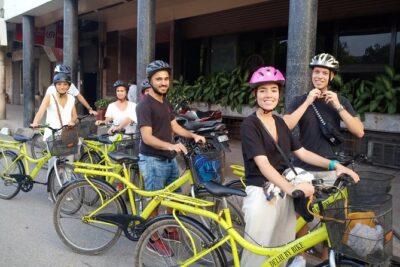 ★ 5.0Old Delhi Bike TourFrom $30616 reviews
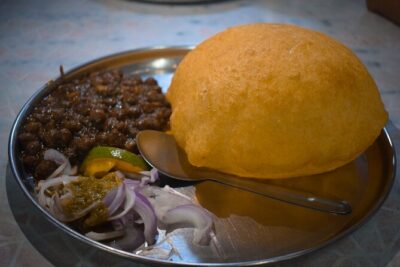 ★ 5.0Old Delhi Street Food TourFrom $40497 reviews
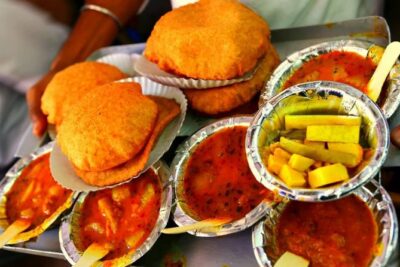 ★ 5.0Breakfast Walk in Old DelhiFrom $80449 reviews
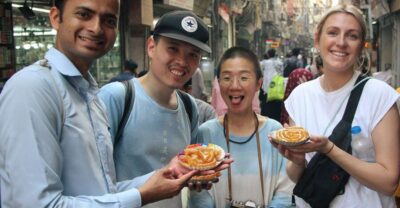 ★ 4.9Old Delhi Street Food Tour with Rickshaw RideFrom $43403 reviews
 ★ 4.9Old Delhi: Private Tour of Chandni Chowk, Tuk Tuk & FoodFrom $70345 reviews
 ★ 5.0New Delhi and Old Delhi Private Tour 4-8 Hours – CustomizableFrom $10342 reviews
Browse the lists this tour appears in