
Reviewed · OLD DELHI FOOD TOURS
Temples, Bazaars & Food Tasting in Old Delhi with Female Guide
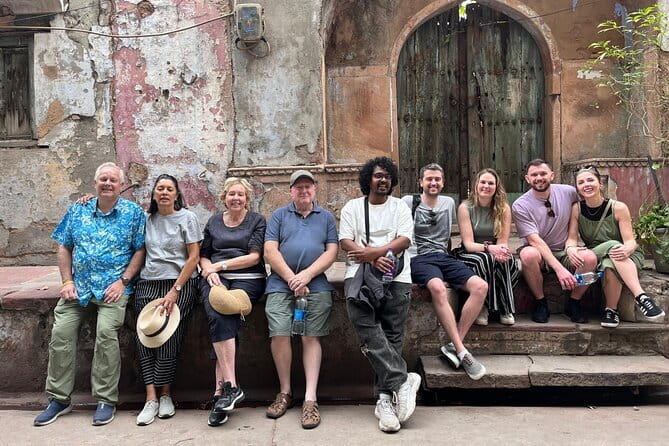
Smell the spices before you even reach the market. This 3-hour Old Delhi tour packs Chandni Chowk and the Khari Baoli spice lanes into a smart route, with a female guide who keeps the stories clear and the walking doable. I also really like the mix of spiritual stops and everyday street life, from the Sis Ganj Guru Dwara kitchen to Jain temples with standout details.
One more thing I like: the food tasting is part of the tour rhythm, not an afterthought, with bites like chai, samosa, pakora, traditional bread, curry, and lassi. The only real drawback to think about is that you’ll be moving through busy lanes, so if crowds stress you out, take breaks when you can and don’t rush the photo stops.
In This Review
- Key Things That Make This Tour Worth It
- Old Delhi Goes Faster With a Female Guide (and Better Explanations)
- Meeting at Lal Qila Metro: How the Tour Starts Without Stress
- Chandni Chowk Lanes: Where the Senses Take Over
- Sis Ganj Guru Dwara and the Free Kitchen Tradition
- Red Fort Area and a Hindu Temple View From Outside
- The Jain Temple Complex at Lal Mandir and the Bird Hospital
- Silver Street: Dariba Kalan and the Old Delhi Trade Loop
- Naughara: Row of Nine Houses and More Jain Temple Time
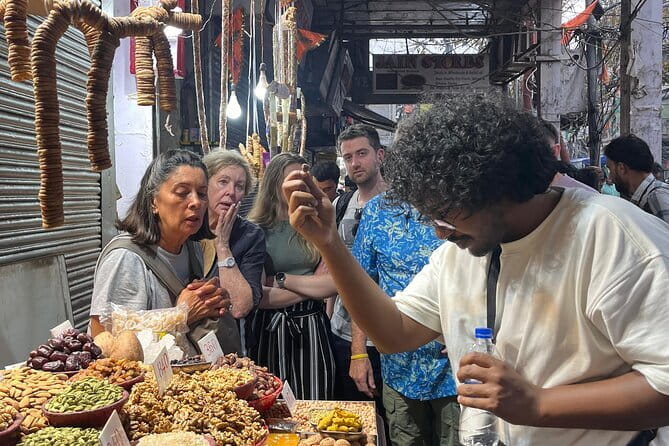
- Khari Baoli: Asia’s Second-Largest Spice Market
- Fatehpuri Masjid: The 375-Year-Old Mosque Moment
- Food Tasting in Old Delhi: Chai, Samosa, Pakora, Bread, Curry, Lassi
- What 3 Hours Feels Like on the Ground
- Price and Value: Is $29 Fair for Old Delhi Highlights?
- Who Should Book This Old Delhi Food and Temple Walk?
- Should You Book This Old Delhi Food-and-Temple Tour?
- FAQ
- What is the meeting point for this Old Delhi tour?
- How long is the tour?
- How much does the tour cost?
- What food is included in the tasting?
- Which markets and streets are covered?
- Which temples and religious sites are included?
- Are any entrances or admissions included?
- Are rickshaw rides included?
- What should I do if I have food allergies?
- What happens if weather is bad?
Key Things That Make This Tour Worth It
- Female guide focus that feels comfortable and easy to ask questions.
- Old Delhi’s best street hits in 3 hours: Chandni Chowk, Khari Baoli, and Fatehpuri Masjid.
- Temple variety across faiths: Sikh, Jain, Hindu (outside view), and a major mosque.
- Food tasting with a real sequence, including chai, samosa, pakora, bread, curry, and lassi.
- Rickshaw rides included, so you’re not stuck walking every single meter.
Old Delhi Goes Faster With a Female Guide (and Better Explanations)
Old Delhi can feel like sensory overload. That’s part of the fun, but it can also make you wander in circles. With a guide, you get the map in your head right away: where you are, why it matters, and what to look for besides the obvious shop signs.
I also like that this experience is led by a female guide. It creates a calmer tone, especially if you’re traveling solo and you want to ask practical questions without feeling self-conscious. The pace stays social and organized, yet you’re still in the real markets, not a staged version.
The stories you hear along the way matter. You’re not just looking at temples and lanes. You’re picking up the basic ideas behind what you’re seeing, from Sikh community traditions to Jain temple details and how bazaars evolved around trade.
More hours to spend in Old Delhi


Meeting at Lal Qila Metro: How the Tour Starts Without Stress
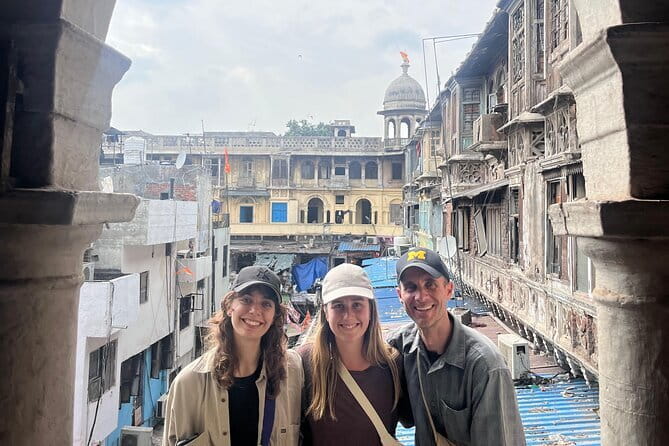
You’ll meet at Metro Station Lal Qila, Chandni Chowk area, and then you finish right back at the same spot. That simple start/end point helps a lot in a place where directions can get messy fast.
This is also a small-group tour, with a maximum of 20 people. That size is big enough for energy, but small enough that your guide can keep the group together in tight lanes. You’ll also have a mobile ticket, which is handy when you’re bouncing between entrances and street-level stops.
One practical thing: plan on short walks between stops, plus a few bursts of crowd navigation. Even if the tour feels “easy,” Old Delhi lanes don’t give you much personal space. I’d treat it like a guided walking day, not a slow museum visit.
Chandni Chowk Lanes: Where the Senses Take Over
Chandni Chowk is the headline name for a reason. You’ll start here in the bustling lanes, where food smells, spice aromas, and market sounds stack on top of each other.
What I like about beginning in Chandni Chowk is how it sets your brain up for the rest of the tour. You learn what kind of places you’ll be passing: spice and goods bazaars, specialty streets, and the busy flow of daily shopping. Once you get your bearings here, the later markets feel like chapters in the same story.
The tour time at Chandni Chowk is short, so you’re not stuck shopping or waiting around. Your guide steers you toward the most meaningful parts of the area, and you get enough time to notice the patterns: storefront clusters, narrow lanes, and how people move through it all.
Sis Ganj Guru Dwara and the Free Kitchen Tradition
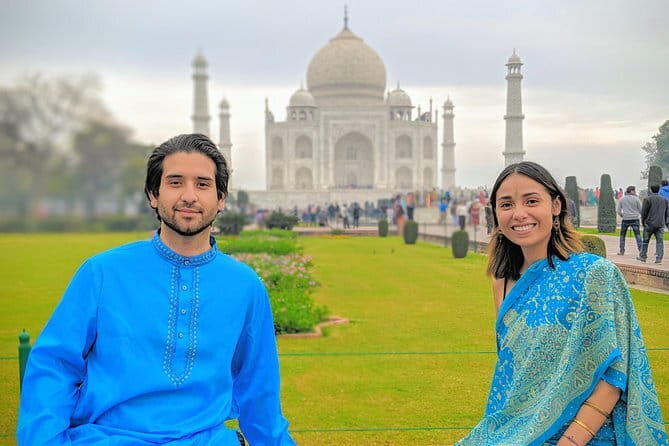
Next you’ll visit Sis Ganj Guru Dwara, a Sikh temple stop with cultural context and a look at the mega kitchen. This is one of the tour’s strongest “value for your time” moments because you see community hospitality up close, not just the building.
One key detail here is that the kitchen serves food for free to a huge number of people every single day. Seeing how that system works makes the temple stop feel practical and real, not just a quick photo stop. You also get a chance to understand what the Sikh community emphasizes day to day.
Also, admission is free here, so you’re not adding costs to the experience while you’re getting a lot of context.
Keep in mind: temples are places where you’ll want to behave respectfully, and you’ll likely be in shared spaces with other visitors. Go in with a calm attitude and you’ll have a better time.
Red Fort Area and a Hindu Temple View From Outside
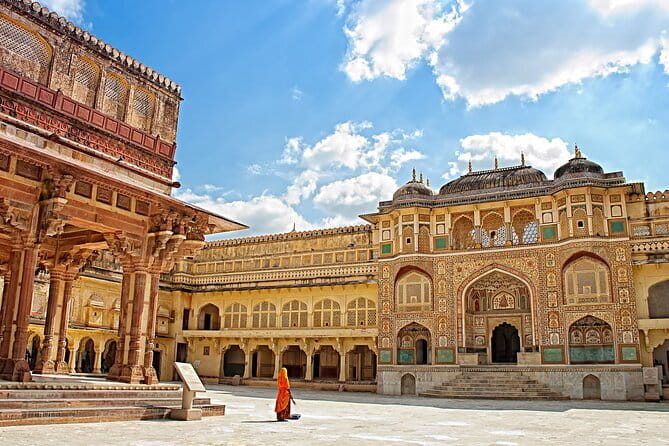
You’ll also pass near the Red Fort and a Hindu temple, with visits described as exterior views. This works as a “big landmark” moment inside a walking-and-eating day, without turning the tour into long waits or ticket lines.
Why this is useful: Old Delhi is crowded, and the best way to see major sites is often to position yourself well, then keep moving. Getting exterior context from your guide helps you connect what you later notice in the surrounding streets.
If you’re the type who wants full, inside access to famous buildings, you might treat this stop as a highlight you’ll build on later. The tour is designed for a compact 3-hour overview and food tasting, so it won’t promise deep entry into every monument.
Quieter corners: more Delhi temples and shrines

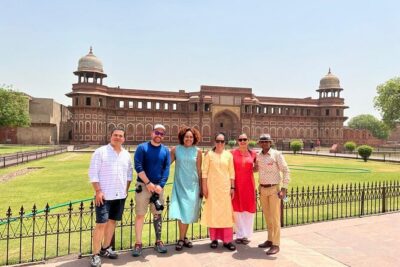
The Jain Temple Complex at Lal Mandir and the Bird Hospital
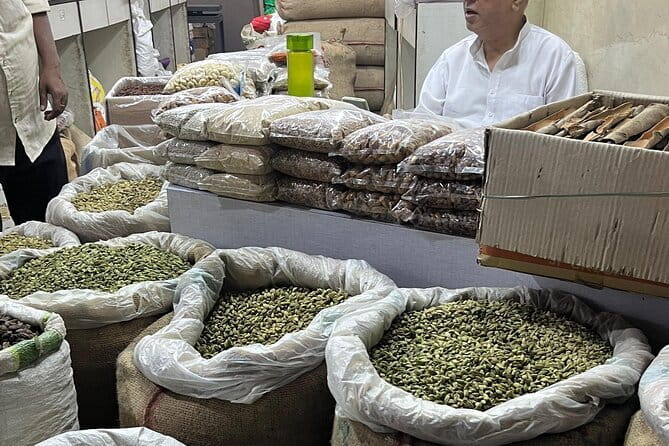
Then you shift into Jain temple territory at Lal Mandir Shri Digambar Jain Atishay Kshetra. Jain temples can feel like an entirely different visual world, with lots of detail and a calmer mood than some of the market streets.
What I find compelling is that Jainism gets explained in a way you can actually connect to the architecture and the atmosphere, not just a quick label. And this stop includes a bird hospital inside, which adds a gentle, unusual layer to your visit.
That bird hospital detail makes the stop memorable without needing hype. You see a small part of how care and compassion can show up in daily temple life.
The time here is long enough to see details, but short enough that you’re not stuck waiting around. If you want quiet, this is one of the calmer pauses in the schedule.
Silver Street: Dariba Kalan and the Old Delhi Trade Loop
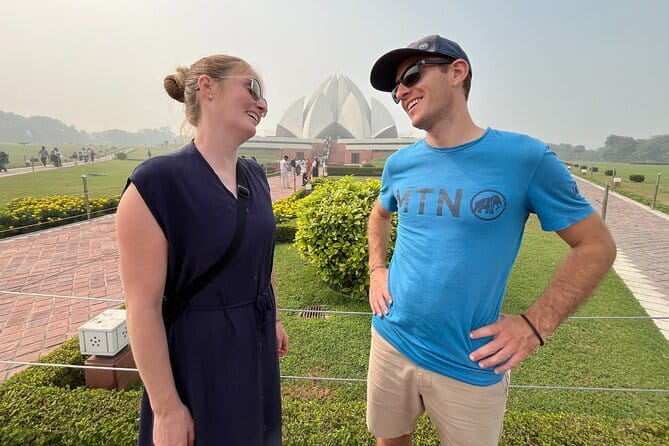
Dariba Kalan is next, and it’s famous for silver. Even if you don’t plan to buy anything, this is a helpful stop because it shows you how Old Delhi’s bazaars work as specialized trade lanes.
You get a taste of that “shopping as culture” feeling. Silver shops tend to cluster, so once you notice the patterns your guide points out, you’ll understand why the lane feels distinct from the spice-heavy streets.
This stop is brief, which is good if you’re balancing a food tasting with temple visits. You get enough to feel the market identity without losing the pace of the day.
Naughara: Row of Nine Houses and More Jain Temple Time
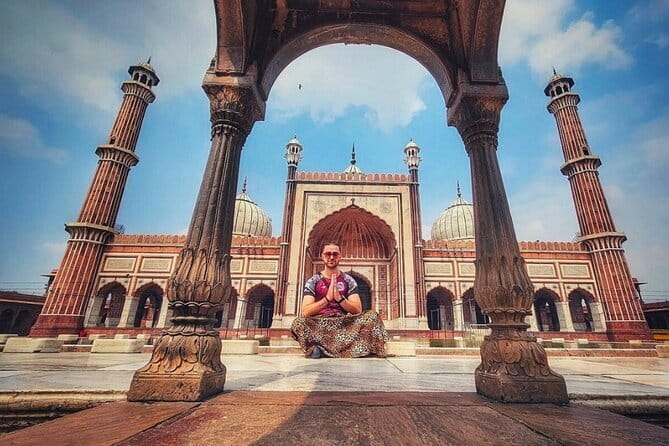
You’ll then pass through Naughara, the row of nine houses area, and also spend time exploring a Jain temple there. This part matters because it’s not just another bazaar lane.
The row-of-houses idea is a reminder that Old Delhi isn’t only about open-air markets. It’s also about architecture, local history, and neighborhood structure. The tour uses this time to connect streets to sacred spaces, which makes the walking feel purposeful.
Expect more details during this temple segment than in the quick shopping lanes. If you like visual complexity and small discoveries, this is a good stretch of the tour.
Khari Baoli: Asia’s Second-Largest Spice Market
Khari Baoli is the spice-market headline. You’ll smell it before you really process it. The aroma hits fast, and the whole place feels like an active workspace rather than a tourist street.
This stop is worth it even if you’ve already seen spice markets elsewhere, because the scale and intensity are on another level. It’s also a nice “reset” in the tour flow. After temples, this is sensory, loud, and practical.
You’ll be here long enough to see how people buy in bulk, how the stalls are organized, and how spice trading shapes the street’s rhythm. If you have sensitive noses, you might want to go slower and take small breaks.
Fatehpuri Masjid: The 375-Year-Old Mosque Moment
Next is Fatehpuri Masjid, described as about 375 years old and the second-largest mosque in the area. This is one of the cleanest big-mosque moments on the route because you’re in the heart of Old Delhi, and the scale of the place makes the surrounding crowd make more sense.
You’ll get enough time for a proper glance and photos, plus a bit of context from your guide. This stop also balances the religious variety, so your day doesn’t feel like one-track temple tourism.
The time here is short, so don’t expect it to replace a dedicated mosque visit later. Instead, see it as a powerful waypoint that helps you understand Old Delhi as a multi-faith city.
Food Tasting in Old Delhi: Chai, Samosa, Pakora, Bread, Curry, Lassi
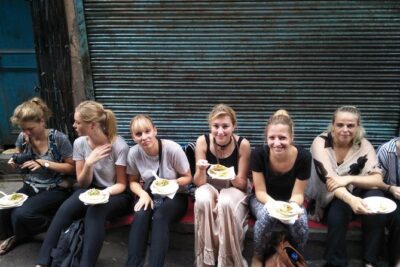
The food part is the heart of the experience. This isn’t just nibbling while you walk. It’s structured bites, with coffee and/or tea included and bottled water provided.
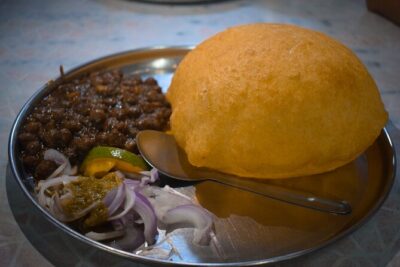
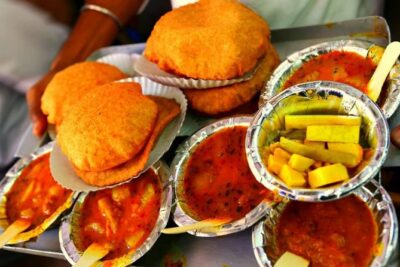
Here’s what to expect based on what’s included: chai, samosa, pakora, traditional bread, a curry, and lassi. That lineup covers the classics plus a mix of savory and cooling flavors.
Why this is such good value: Old Delhi can be intimidating for first-timers. A guide helps you get the order right and avoid guessing. Also, having tasting items spread across the route keeps you energized without turning the day into a full meal search.
One practical tip for you: if you have food allergies, tell the operator ahead of time. The tour specifically invites you to write about food allergies, which is exactly what you should do in advance.
What 3 Hours Feels Like on the Ground
This is a compact 3-hour itinerary. You’ll move through several key areas and do multiple religious stops, plus spice-market time and a food sequence.
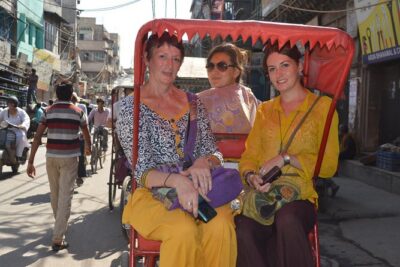
So what should you expect in real life? Short visits, lots of street atmosphere, and enough time at each stop to understand what you’re looking at. The rickshaw rides included help break up distance, but it’s still a walking day with busy lanes.
If you get tired quickly, pick comfy shoes and plan to go with the flow. If you like seeing a lot in a short window, this pacing is exactly the point.
Also, the tour requires good weather. If rain shows up, your experience may be adjusted, so keep that in mind when you plan your days.
Price and Value: Is $29 Fair for Old Delhi Highlights?
At $29 per person for roughly 3 hours, this feels like a good deal for three reasons.
First, you’re paying for guidance through an area that’s hard to “figure out” on your own. Second, your food tasting is included, not optional. Third, admission costs for several stops are handled, and you get a mix of marketplaces plus temples plus a major mosque area.
Could you build something similar on your own? Sure, but you’d spend more time navigating and figuring out which stalls and stops are worth your attention. For most first-timers, the guided structure saves money and energy.
The only value caution I’d give you: if you want lots of time inside major monuments, this route is designed more for highlights and street life than for deep indoor sightseeing. Think of it as an Old Delhi sampler with strong direction.
Who Should Book This Old Delhi Food and Temple Walk?
This tour makes sense if you want:
- A short Old Delhi day with structure
- A female guide experience, especially if you’d feel more comfortable with that setup
- Temple variety (Sikh, Jain, Hindu area views, and a major mosque moment)
- Food tasting as part of the plan, not as a separate activity
- Spice market time at Khari Baoli plus market lanes like Dariba Kalan and shopping streets such as the silver and related bazaar areas
Skip it if you want a quiet, slow, high-end museum style day. The tour is about active streets, crowds, and quick, meaningful stops.
Should You Book This Old Delhi Food-and-Temple Tour?
I’d book it if you have only a few hours in New Delhi and you want your time to count. It’s built for first-timers who want context, plus a food list that hits recognizable classics like samosa, pakora, and lassi.
You’ll also be happy here if you prefer a small group (max 20) and a guide who can keep the day organized in tight lanes.
Book with one caveat: bring patience for busy streets and plan for weather. If that fits your travel style, this is one of the more practical ways to experience Old Delhi without getting lost in the noise.
FAQ
What is the meeting point for this Old Delhi tour?
You’ll start at Metro Station Lal Qila, Chandni Chowk, Delhi 110006, India, and the tour ends back at the same meeting point.
How long is the tour?
It runs for about 3 hours.
How much does the tour cost?
The price is $29.00 per person.
What food is included in the tasting?
The tour includes coffee and/or tea, plus food items such as chai, samosa, pakora, traditional bread, a curry, and lassi.
Which markets and streets are covered?
You’ll visit market areas including Chandni Chowk, Dariba Kalan (silver street), and Khari Baoli (spice market), plus other Old Delhi lanes such as Naughara and the row of nine houses area.
Which temples and religious sites are included?
You’ll visit Sis Ganj Guru Dwara (Sikh), Lal Mandir Shri Digambar Jain Atishay Kshetra (Jain), a Jain temple in the Naughara area, and you’ll also pass by Red Fort and a Hindu temple from outside. You’ll also include Fatehpuri Masjid.
Are any entrances or admissions included?
Admission is free for several stops, and admission is included for the Jain temple at Lal Mandir and for Fatehpuri Masjid, plus a couple of additional listed temple-related stops.
Are rickshaw rides included?
Yes, rickshaw rides are included as part of the experience.
What should I do if I have food allergies?
The tour asks you to write to them if you have food-related allergies, so you can get the right guidance before you join.
What happens if weather is bad?
The tour requires good weather. If it’s canceled due to poor weather, you’ll be offered a different date or a full refund.
Still Hungry in Old Delhi
- The Great Indian Food Tour: Old Delhi Food and Heritage Walk
★ 5.0 · 1,698 reviews - Old Delhi Food, Heritage&Cultural Walk with Rickshaw ride to Masterji Kee Haveli
★ 5.0 · 742 reviews - Old Delhi Street Food Tour
★ 5.0 · 497 reviews - Breakfast Walk in Old Delhi
★ 5.0 · 449 reviews - Delhi: Old Delhi Street Food Tour with Rickshaw Ride
★ 4.9 · 403 reviews
Delhi Temples and Quiet Corners
- New Delhi: Akshardham Temple Tour with Water and Light Show
★ 4.8 · 313 reviews - Old Delhi Food-Spice Market-Temples Tour Soon Featured on NETFLIX
★ 5.0 · 304 reviews - Taj Mahal Sunrise with Lord Shiva Temple:- All Inclusive
★ 5.0 · 207 reviews - Old Delhi Temples and Spiritual Sites Private 6-Hour Tour
★ 4.8 · 204 reviews - Private Delhi Temples and Spiritual Sites 6 Hours Tour
★ 5.0 · 171 reviews
More of Old Delhi
- The Great Indian Food Tour: Old Delhi Food and Heritage Walk
★ 5.0 · 1,698 reviews - Old Delhi Food, Heritage&Cultural Walk with Rickshaw ride to Masterji Kee Haveli
★ 5.0 · 742 reviews - Old Delhi Bike Tour
★ 5.0 · 616 reviews - Old Delhi Street Food Tour
★ 5.0 · 497 reviews - Breakfast Walk in Old Delhi
★ 5.0 · 449 reviews
Just added: more New Delhi reviews to browse
- 4 days Golden Triangle Tour★ 5.0 · 3 reviews
- Discover Old & New Delhi: Private Tour with Street Food★ 5.0 · 3 reviews
- Taj Mahal Tour From Delhi By Private Car★ 4.5 · 3 reviews
- Golden Triangle Tour 5 Days★ 5.0 · 3 reviews
- Taj Mahal: Express Entry Ticket For Sunset Tour with guide★ 5.0 · 3 reviews
- Agra Taj Mahal Sunrise & Sunset Tour from Delhi★ 5.0 · 3 reviews
Old Delhi Food Tours, compared.
 ★ 5.0The Great Indian Food Tour: Old Delhi Food and Heritage WalkFrom $431,698 reviews
 ★ 5.0Old Delhi Food, Heritage&Cultural Walk with Rickshaw ride to Masterji Kee HaveliFrom $52742 reviews
 ★ 5.0Old Delhi Street Food TourFrom $40497 reviews
 ★ 5.0Breakfast Walk in Old DelhiFrom $80449 reviews
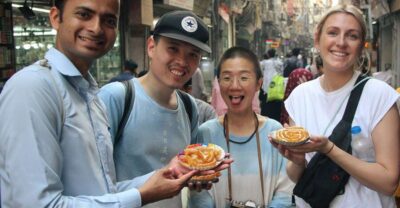 ★ 4.9Old Delhi Street Food Tour with Rickshaw RideFrom $43403 reviews
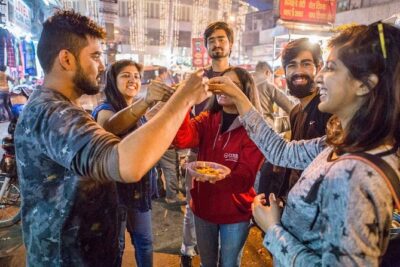 ★ 5.0Delhi Food Walk: Rickshaw Ride, Street Eats & Market TourFrom $40401 reviews
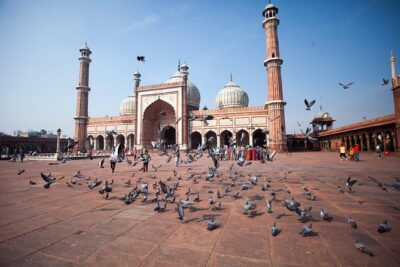 ★ 5.0Old Delhi Street Food Tour – Explore Spices in Chandni ChowkFrom $34334 reviews
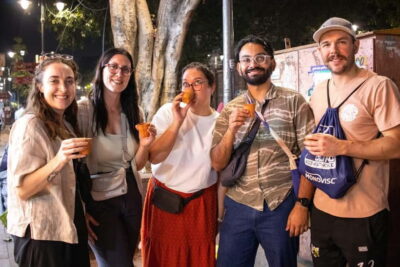 ★ 5.0Old Delhi Food Tour: A Night Time FeastFrom $38326 reviews
Browse the lists this tour appears in