
Reviewed · WILDLIFE
Wildlife of Central India
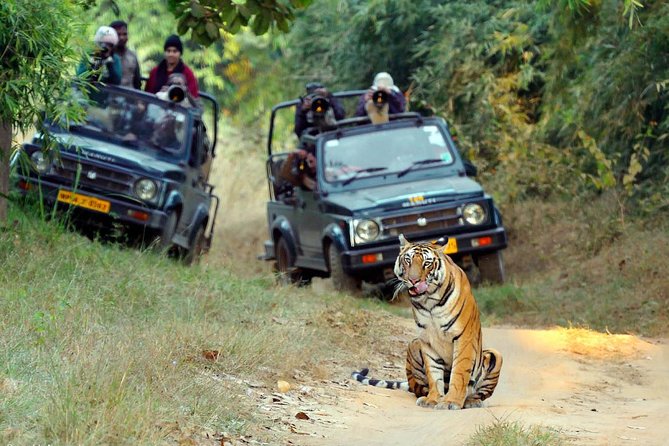
Tigers are the main reason you’ll book this. This 12-day private, customizable wildlife tour in Central India is built around tiger sightings, with safari and photography time in major reserves, plus a detour to the Bhimbetka rock shelters UNESCO site.
I love two things right away. First, you get safari permits and the still camera fee included, so you’re not juggling last-minute payments. Second, you’ll have a full cycle of meals during your tiger-reserve days, which matters when safaris start early and end late.
One drawback to consider: this experience is non-refundable and can’t be changed, so pick your dates carefully before you commit.
In This Review
- Key highlights you’ll care about
- First you chase tigers, then you learn why it works
- Delhi meeting point: easy start, but don’t be late
- How the trip moves: domestic flights plus an air-conditioned car
- Bandhavgarh and Kanha: the safari base you’ll remember
- Beyond tigers: leopard, sloth bear, wild dogs, and bison
- Photography time that doesn’t feel like homework
- Forest walks and birdwatching: the slower pace that makes sense
- Pench and Satpura style reserves: more chances, not “more rushing”
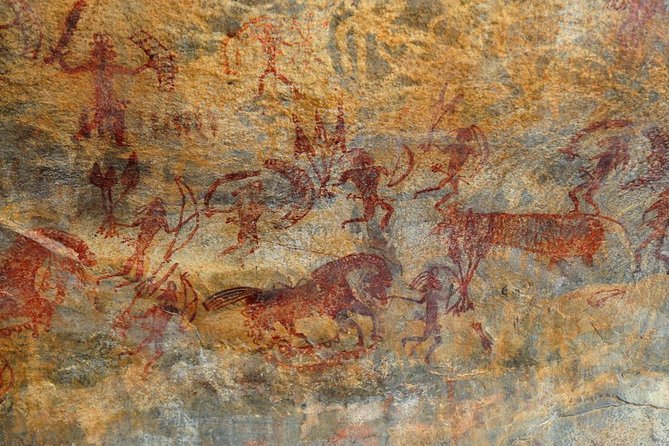
- Bhimbetka Rock Shelters: 30,000-year-old cave paintings in the same trip
- Lodges, twin sharing, and meals in tiger country
- Price and value: what $3,149 covers (and why it can make sense)
- Who this tour fits best (and who should reconsider)
- Booking advice: what to ask before you go
- Should you book Wildlife of Central India?
- FAQ
- How long is the Wildlife of Central India tour?
- Where does the tour start and when?
- What wildlife is the tour mainly focused on?
- Which parks and reserves are included?
- Are meals included?
- What is included in the price?
- Is pickup offered?
- Is the tour private?
- Is the experience refundable if I cancel?
Key highlights you’ll care about
- Private, customizable setup: only your group goes on the trip.
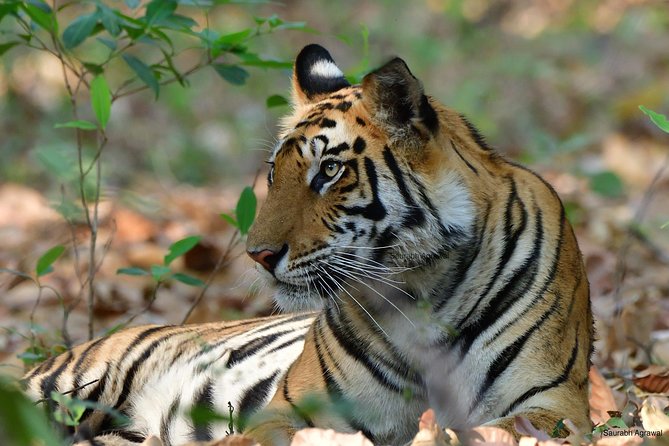
- Tigers first, but not only tigers: the prime focus is tiger, with chances for leopard, sloth bear, wild dogs, and bison.
- Safari + photography rhythm: you’ll do safari-style wildlife viewing with photography-friendly breaks, forest walks, and birdwatching.
- Bhimbetka cave art stop: UNESCO-listed rock shelters with cave paintings believed to be 30,000 years old.
- Value where it counts: accommodation, domestic flights, safari permits, and meals during tiger-reserve visits are included.
First you chase tigers, then you learn why it works
This is a Central India big-cat trip with a clear “tigers first” logic. The schedule is arranged around the reality that wildlife viewing is all about timing, vehicle rules, and getting you into the right areas at the right hours.
What makes it more than just a series of drives is the way the day flows. Safaris tend to be early and active, then you reset with downtime and wildlife-focused add-ons like birdwatching and forest walks. I like that the tour is framed as a mix of seeing animals and understanding conservation, not just checking a box.
Also, you’re not only in tiger country. Your overall route links tiger reserves with a famous human-made landmark at Bhimbetka, where you get a totally different kind of wonder: cave art from tens of thousands of years ago.
Closer to the wild: more animal encounters



Delhi meeting point: easy start, but don’t be late
You’ll start in New Delhi at Indira Gandhi International Airport (T3 Road), with a start time of 10:00 am. The meeting point is near public transportation, which is handy if you’re coming in from elsewhere in the city.
Since this trip is built to move quickly, I’d plan your Delhi day like a runner. Arrive early, sort your logistics the night before, and keep your morning calm. One day of stress at the start can snowball when the rest of the trip is safari timing-heavy.
How the trip moves: domestic flights plus an air-conditioned car
A big reason this tour is popular for wildlife lovers is simple: it covers a lot of ground in 12 days without turning every day into an exhausting travel day.
You’ll travel by domestic flights plus overland car journeys. The overland parts are done in an air-conditioned car, which is a real comfort boost when you’re traveling between reserves.
This “fly when you can, drive when you must” strategy is also practical for wildlife travel, because it protects the most valuable thing you have: the hours you can spend where permits and safari entry matter.
Bandhavgarh and Kanha: the safari base you’ll remember
Bandhavgarh and Kanha are the heart of the tiger search. In practical terms, that means you’ll spend serious time in reserves where the chances are taken seriously—routes, timing, and vehicle positioning are part of the game.
I like that the tour is designed with wildlife viewing as the main activity, not a side quest. You’re not bouncing through towns all day. You’re in safari mode, with enough structure to keep you from wasting daylight.
A note on expectations: the tour aims for big-cat sightings, but wildlife isn’t a guarantee. Still, a plan that focuses on the right reserves plus the right viewing windows gives you a much stronger odds set than a “whenever we feel like it” approach.
Beyond tigers: leopard, sloth bear, wild dogs, and bison
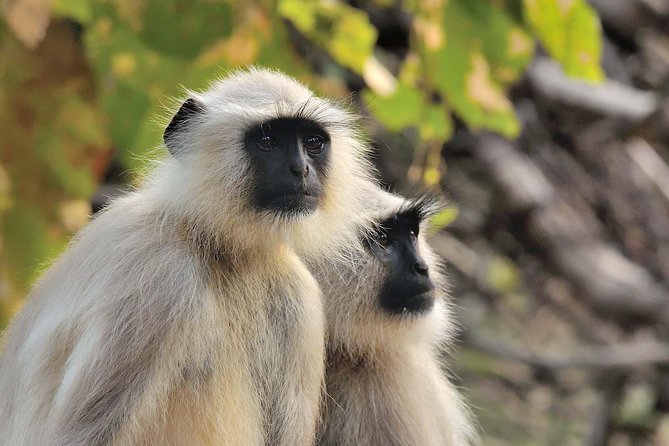
The prime focus is tigers, but the tour is also positioned as a broader Central India wildlife search.
You’ll be out looking for:
- leopard
- sloth bear
- wild dogs
- bison
That lineup is a big reason this kind of Central India trip feels special. Tigers get the headlines, but leopards, sloth bears, and wild dogs are exactly the animals that make wildlife days feel unpredictable—in a good way.
You’ll also get chances to spot other animals along the way, and the birdwatching add-ons help you stay engaged even when you’re not locked onto one species.
Photography time that doesn’t feel like homework
This is a safari-and-photography style tour. You’ll have still camera fee coverage in the package, and the activities are built around being able to look closely and photograph what you see.
In real safari conditions, photos are less about perfect setups and more about timing, patience, and getting ready quickly. The tour’s structure—safaris plus forest walks and birdwatching—supports that.
If you like wildlife photography, this is also where guide skill matters. People have specifically praised the guides and the way the experience turns into an educational walk through conservation work, not just a drive with no context. Having that explanation can help you understand animal behavior and why certain moments matter.
Forest walks and birdwatching: the slower pace that makes sense
Not every wildlife moment happens from a jeep window. Forest walks and birdwatching add a different pace and a different kind of attention.
I like this balance because it keeps the trip from feeling one-note. Safaris are great for spotting big animals, but walks and bird-focused time are often when you notice the smaller stuff—signs of animals, calling birds, tracks, and the habitat details that make the big sightings more understandable.
It also helps you reset your brain between safaris. When you spend all day scanning for movement, a change of pace can make you sharper next outing.
Pench and Satpura style reserves: more chances, not “more rushing”
Alongside Bandhavgarh and Kanha, the tour includes two tiger reserves. In the experiences shared by past participants, the route commonly pairs in reserves like Pench and Satpura, which means you’re not putting all your tiger odds into one location.
That matters because tiger viewing can be very session-dependent. Having multiple reserves gives you multiple opportunities with different habitat types and different animal patterns.
I also appreciate that the tour stays wildlife-first. You’re not stacking too many different activities in one day just to fill the calendar. You keep enough time to actually do the thing you came for.
Bhimbetka Rock Shelters: 30,000-year-old cave paintings in the same trip
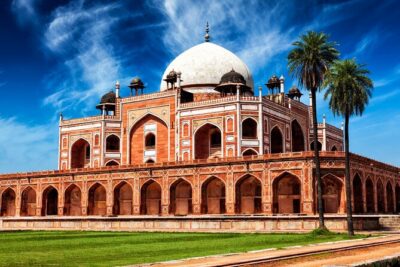
One of the most interesting diversions in this itinerary is Bhimbetka Rock Shelters, a UNESCO-listed site. You’re going there specifically to see cave paintings believed to be around 30,000 years old.
It’s a powerful change of pace from safari viewing. Tigers and leopards are about the present and the survival of species. Bhimbetka is about humans watching the natural world for a very long time.
This stop also gives your body a break. Safari days can be intense—early starts, long periods of scanning, and lots of sitting in vehicles. A cultural and heritage-focused visit helps you come back from the wildlife effort a bit more balanced.
Lodges, twin sharing, and meals in tiger country
Accommodation is included, with twin/double sharing. If you want more privacy, a single supplement is available.
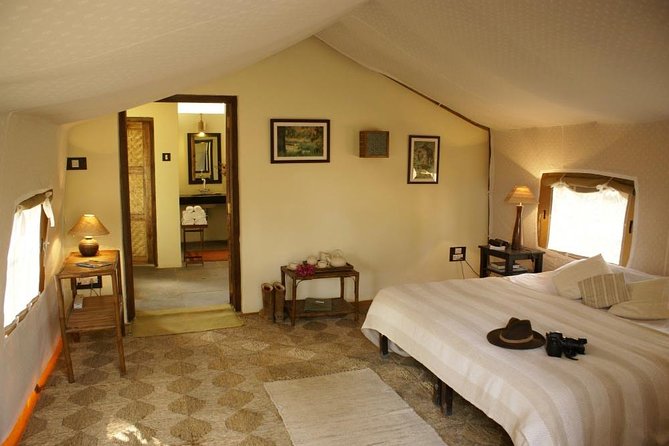
Where wildlife tours sometimes cut corners, this one is described as using high-quality lodges in pleasant settings. That’s not just comfort for its own sake; a better lodge setup helps you recover properly between safaris.
Meals are also handled in a way that fits the wildlife rhythm. You get full-cycle meals during the tiger-reserve days, which is practical. You won’t be hunting for food at the exact times you’d rather be focused on the next safari.
Price and value: what $3,149 covers (and why it can make sense)
At $3,149 per person for about 12 days, you’re not just paying for “a place to sleep and a car.” You’re paying for the parts that are hardest to DIY smoothly:
- accommodation
- domestic airfare
- safari permits
- the still camera fee
- surface transportation in an air-conditioned car
- meals during tiger-reserve visits
If you tried to cobble this together on your own, the big costs would likely land in the same buckets—permits, transport coordination, and the need to move between reserves at the right times. The value is strongest if you want tiger-focused access without spending your trip managing reservations.
Of course, the price still includes the fact that wildlife tours are specialized. You’re paying for time in the right places, and you’re paying for structure that protects those hours.
Who this tour fits best (and who should reconsider)
This trip is for you if:
- you’re serious about tigers as the main goal
- you want a structured safari schedule with added wildlife activities like birdwatching and forest walks
- you like the idea of combining wildlife with a UNESCO cave-art stop
This trip might be a tough fit if:
- you hate early starts and prefer very relaxed days
- you need a plan you can easily change later, because this one is non-refundable and not amendable once booked
Also, if you’re traveling with your own tiger-vision expectations—like wanting maximum flexibility each day—keep in mind this is a private tour with a planned flow. Private usually means more comfort and fewer strangers, but it also means fewer improvisation options.
Booking advice: what to ask before you go
If you’re considering booking, I’d ask two simple questions up front:
- Which tiger reserves are included on your exact departure dates?
- What safari style mix should I expect (jeep safaris, plus forest walks and birdwatching time)?
Those answers help you match the tour to your personal wildlife style—big-cat sightings from vehicles versus a more walking-and-observing approach.
It’s also worth asking whether you’ll work directly with the operator’s team led by Saurabh. Past experiences highlight him as a key part of planning and guidance, and it can be comforting to know you’re in hands that take details seriously.
Should you book Wildlife of Central India?
Book it if you want a focused Central India wildlife trip where tigers are the headline, with real structure behind the scenes—permits, cameras, transport, and meals timed for safari life. The addition of Bhimbetka cave paintings makes it more memorable than a standard “just safari” package.
Skip it or reconsider if you want a low-effort trip you can easily reschedule. With wildlife, timing matters, and with this one, you can’t treat booking like a placeholder.
If you go, go with patience. Your best tiger moment may take time to arrive, but this tour is designed to give you the best shot while keeping the day-to-day logistics manageable.
FAQ
How long is the Wildlife of Central India tour?
The tour is about 12 days.
Where does the tour start and when?
It starts at Indira Gandhi International Airport (T3 Road) in New Delhi, with a start time of 10:00 am.
What wildlife is the tour mainly focused on?
The prime focus is tiger sightings. The tour also aims for other species such as leopard, sloth bear, wild dogs, and bison.
Which parks and reserves are included?
You’ll visit Bandhavgarh and Kanna National Parks, plus two tiger reserves. The trip also includes Bhimbetka Rock Shelters.
Are meals included?
Yes. A full cycle of meals is provided while visiting the tiger reserves.
What is included in the price?
Accommodation (twin/double sharing, with single supplement available), domestic airfare, meals during tiger-reserve visits, safari permits and still camera fee, and surface transportation in an air-conditioned car.
Is pickup offered?
Yes, pickup is offered.
Is the tour private?
Yes. It’s a private tour/activity, and only your group participates.
Is the experience refundable if I cancel?
No. It is non-refundable and cannot be changed for any reason. If you cancel or ask for an amendment, you won’t get a refund.
More Wildlife Encounters
- Golden Triangle with Wildlife and Royal Castle Stay
★ 4.5 · 101 reviews - 14 Days Golden Triangle with Wildlife Safari & Heritage Rajasthan
★ 5.0 · 37 reviews - Same Day Tajmahal at Sunrise and SOS wildlife sanctuary tour
★ 5.0 · 28 reviews - 8-Day Private Golden Triangle Tour with a Ranthambore Wildlife Safari From Delhi
★ 4.5 · 23 reviews - From Delhi :Taj Mahal And Agra Tour with Elephant wildlife sos
★ 5.0 · 22 reviews
More Tour Reviews in New Delhi
- Old & New Delhi City Tour – Half or Full Day Options Available
★ 5.0 · 4,811 reviews - Half Day Private Delhi City Tour
★ 5.0 · 4,474 reviews - Same Day Taj Mahal, Agra Fort & Baby Taj Tour from Delhi by Car
★ 5.0 · 4,304 reviews - Taj Mahal Day Tour from Delhi by Superfast Train – TOP RATED TOUR
★ 5.0 · 4,166 reviews - Delhi: Old and New Delhi Private Full or Half-Day Tour
★ 4.9 · 3,776 reviews
Just added: more New Delhi reviews to browse
- 4 days Golden Triangle Tour★ 5.0 · 3 reviews
- Discover Old & New Delhi: Private Tour with Street Food★ 5.0 · 3 reviews
- Taj Mahal Tour From Delhi By Private Car★ 4.5 · 3 reviews
- Golden Triangle Tour 5 Days★ 5.0 · 3 reviews
- Taj Mahal: Express Entry Ticket For Sunset Tour with guide★ 5.0 · 3 reviews
- Agra Taj Mahal Sunrise & Sunset Tour from Delhi★ 5.0 · 3 reviews
Wildlife, compared.
 ★ 4.5Golden Triangle with Wildlife and Royal Castle StayFrom $415101 reviews
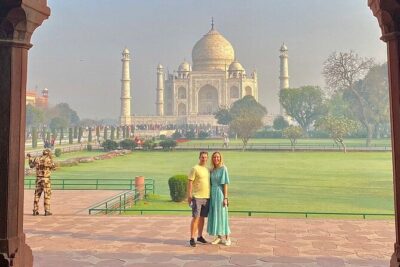 ★ 5.014 Days Golden Triangle with Wildlife Safari & Heritage RajasthanFrom $83537 reviews
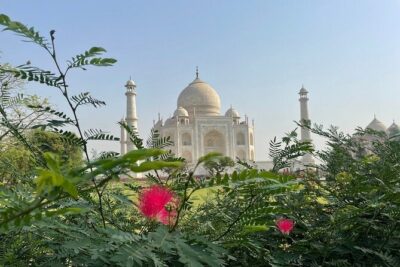 ★ 5.0Same Day Tajmahal at Sunrise and SOS wildlife sanctuary tourFrom $16528 reviews
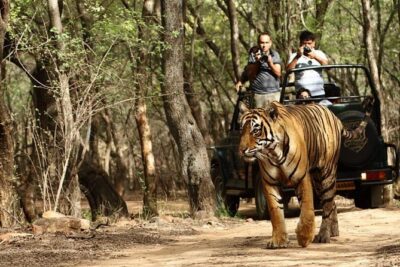 ★ 4.58-Day Private Golden Triangle Tour with a Ranthambore Wildlife Safari From DelhiFrom $1,06523 reviews
 ★ 5.0From Delhi :Taj Mahal And Agra Tour with Elephant wildlife sosFrom $9622 reviews
 ★ 5.0Bharatpur Bird watching & Wildlife from DelhiFrom $15918 reviews
 ★ 4.02-Night Private Ranthambore National Park and Wildlife Tour from DelhiFrom $38414 reviews
 ★ 5.0Taj Mahal with Wildlife SOS Elephant Conservation and Care CenterFrom $16511 reviews
Browse the lists this tour appears in