
Reviewed · OLD DELHI HERITAGE WALKS
3-4 Hour Old Delhi Heritage Walk Tour with Tuk Tuk Ride Wherever Required
Old Delhi hits fast, and keeps moving. This 3–4 hour heritage walk is built for first-timers who want the big sights without getting stuck in traffic or lost in the alleys, with an air-conditioned vehicle and a small group capped at 15.
I like the way the day mixes major landmarks with everyday street life, especially the shift from Jama Masjid to the market lanes around Chandni Chowk. I also like that you get door-to-door pickup and then hop on tuk tuk and rickshaw rides when walking would be slow.
One thing to plan for: Jama Masjid admission isn’t included (and camera fees there also aren’t), so you’ll want a bit of extra cash or card for that stop. Plus, the route is weather-dependent, so if conditions are poor, you’ll need to be flexible with your date.
In This Review
- Key Highlights Worth Booking For
- Old Delhi in Half a Day: How the Route Feels
- Jama Masjid: Mughal Power at the Start of the Day
- Chandni Chowk Side Streets: Spices, Silver, and Everyday Commerce
- Gali Paranthe Wali: A Short Stop With Strong Local Flavor
- Khari Baoli: Asia’s Largest Wholesale Spice Market
- Naughara and Dariba Kalan: Side Streets With Meaning
- Guides, Safety, and Crowd Control: The Real Value
- Tuk Tuk and Rickshaw Rides: Why They Make the Day Better
- Price and Value: What $24 Buys in Old Delhi
- Who This Tour Fits Best
- When to Book and What Weather Can Do
- Should You Book This Old Delhi Heritage Walk?
- FAQ
- How long is the Old Delhi Heritage Walk Tour?
- What does the tour cost?
- Is pickup from my hotel included?
- What’s included in the price?
- Are tickets for Jama Masjid included?
- How big is the group?
- What happens if the weather is poor?
Key Highlights Worth Booking For
- Small-group cap (15 people) keeps the tour feeling personal even in crowded Old Delhi
- AC transport + tuk tuk/rickshaw hops help you cover ground without turning it into a full-day endurance test
- Jama Masjid (Shah Jahan era) gives you a true Mughal starting point before the markets
- Khari Baoli spice market is a top-tier wholesale experience, not a tourist-trap stop
- Dariba Kalan and gold/silver lanes add a craft-and-shopping layer beyond food and spices
- Guides like Tariq, Adeel, and Rahis Kahn are repeatedly praised for English, crowd logistics, and keeping things on track
Old Delhi in Half a Day: How the Route Feels
Old Delhi can overwhelm you fast. That’s exactly why I like the structure here: you get a tight timeline, a clear route, and transport support so you spend less energy figuring out where to go next. The day is designed as a half-day loop, with most stops timed for getting in, seeing what matters, and moving on before fatigue sets in.
The group limit to about 15 people matters more than you’d think. Smaller groups usually mean less waiting and fewer bottlenecks when you pass through busy lanes. And since it’s capped, you’re more likely to get answers to practical questions from your guide as you go.
You’ll also feel the rhythm of Old Delhi. Some sections are best walked slowly through dense market corridors, while others are easier with short tuk tuk or rickshaw rides that save time and keep you comfortable.
More hours to spend in Old Delhi


Jama Masjid: Mughal Power at the Start of the Day
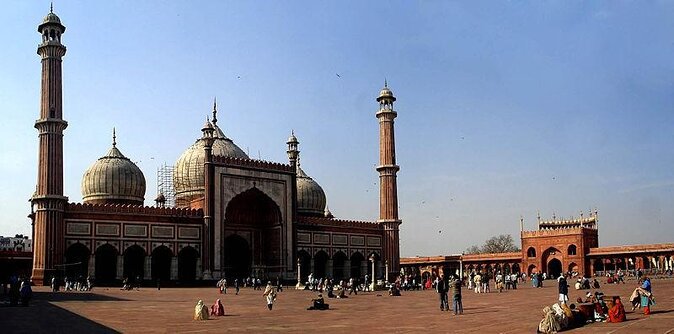
Jama Masjid is the anchor for this tour, and it’s a powerful one. It was built by Mughal Emperor Shah Jahan between 1644 and 1656, at the legendary cost of 1 million rupees. That gives you instant context for why the scale feels so monumental when you arrive.
Plan for about 45 minutes here. The key point: admission isn’t included, and camera fees aren’t included either. So if you’re the type who brings a camera for architecture shots, I’d budget for those costs before you show up.
Even if you’re not a religious-history person, the mosque works as a “read the city” moment. It frames Old Delhi’s Mughal-era origins and helps you understand why the markets and lanes developed around such a central presence.
Chandni Chowk Side Streets: Spices, Silver, and Everyday Commerce

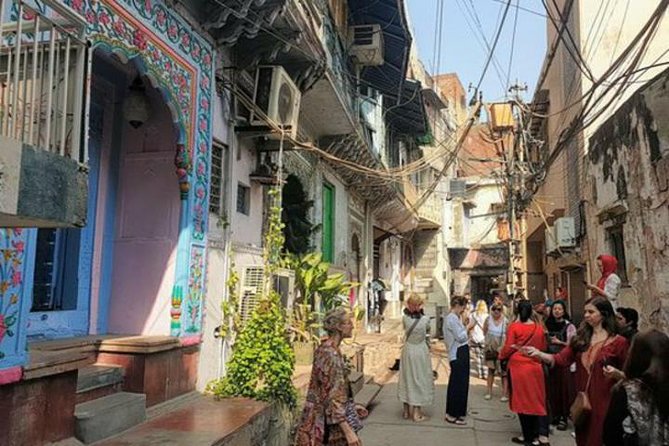
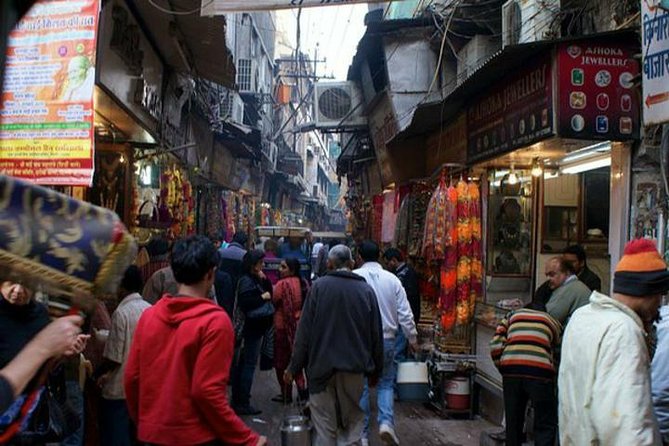
After Jama Masjid, you shift into the market ecosystem around Chandni Chowk. This stop is timed at around 30 minutes, and it’s where you start to see Old Delhi as a living system—food supplies, household goods, and crafts moving through narrow lanes.
Chandni Chowk itself is known for shopping streets full of spices, dried fruit, silver jewelry, and vivid saris. You’ll also notice small shops in the side streets that sell essential oils, which adds a sensory layer that’s hard to replicate on a “quick photo” visit.
The practical benefit of doing this with a guide: you’re not just walking through stalls. You’re learning how the city’s marketplace logic works—what kinds of goods cluster in which areas, and what to look for when the signage is packed and the lanes look similar from one corner to the next.
You might be tempted to shop at every turn, but your best move is to keep this stop about observation first. If you want to buy, decide later after Khari Baoli and Dariba Kalan, when you’ve got a better sense of what’s available and how prices and product types tend to vary.
Gali Paranthe Wali: A Short Stop With Strong Local Flavor
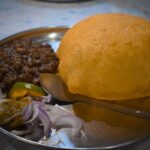
You’ll spend about 15 minutes at Gali Paranthe Wali, the well-known paratha street in the Chandni Chowk area. It’s a “micro-experience” stop: short enough to keep you on schedule, but long enough to recognize what the street is famous for.
This is one of those places where the alley itself is the attraction. Even if you skip a food purchase, you’ll see the rhythm of vendors and the way customers move in and out of doorways and stalls packed close together.
If you’re hungry, you might find this the best moment to grab a quick bite. If you’re not, it’s still worth using the time to watch what’s cooking, what’s popular, and how quickly the street turns over during peak hours.
Khari Baoli: Asia’s Largest Wholesale Spice Market
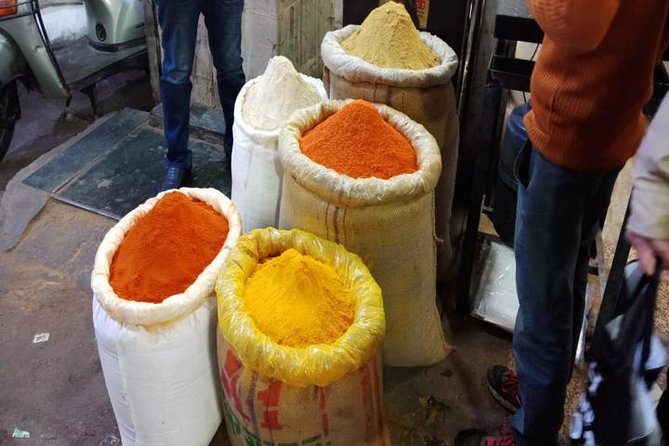
Khari Baoli is where Old Delhi really turns up the volume. You’ll have about 30 minutes at this street known for wholesale grocery trading, and it’s described as Asia’s largest wholesale spice market. That matters because it changes the vibe from “shopping street” to “supply chain street.”
Here you’re looking at spices, nuts, herbs, rice, tea, and other food products—sold in a wholesale context. That means the scale and packaging style can feel more “business to business” than what you’re used to in smaller retail markets.
Doing this as a guided stop helps you avoid the trap of thinking you must choose one spice stand and compare everything from scratch. Instead, your guide can help you understand what you’re seeing at a street level: bulk ingredients, mixes, and the idea that this market supports restaurants, shops, and home cooks across the city.
If you plan to buy spices to take home, I’d treat this as your “ingredient research” stop. Sample, compare, and then decide what to pack later based on what you actually want to use.
On foot through the old city, a few more walks
Naughara and Dariba Kalan: Side Streets With Meaning
Naughara is a short stop (about 25 minutes) where the story is part of the experience. The name translates to nine homes (nau ghar), though there’s a conflicting explanation that it refers to nine pots (nau ghara) of water kept out for thirsty travelers.
That kind of detail is exactly why I like doing heritage walks like this: you start noticing that Old Delhi’s streets often carry small clues about how people lived, traveled, and managed hospitality centuries ago. The stop itself is brief, but the context sticks with you as you move to the next area.
Then you’ll reach Dariba Kalan for about 30 minutes. This lane is tied to Persian roots in the name, with the idea of a special “pearl” meaning, and the suffix Kalan means big. In practical terms, it’s known for gold and silver stalls, so it’s a strong contrast to the spice lanes earlier in the day.
If you love crafts, this is a better fit than another standard “look but don’t touch” market stop. You’re getting a sense of the old trade patterns where different goods clustered by specialty.
Guides, Safety, and Crowd Control: The Real Value
The quality of this kind of tour lives or dies with the guide, and the names you may encounter come up for specific reasons. Guides like Tariq, Adeel, and Rahis Kahn are repeatedly praised for English and for handling the logistics of crowded lanes.
What stands out is practical competence. People describe pickup at the hotel on time, driving in a clean, comfortable AC vehicle, and an ability to navigate through busy sections without rushing. You also hear that the guide keeps things feeling safe, which is a huge deal in a place where streets can look chaotic.
Also, a good guide helps you avoid the “shopping maze” problem. In markets this dense, you can spend an hour walking in circles without learning anything. With the right person leading, each stop has a point, and your time feels purposeful.
Tuk Tuk and Rickshaw Rides: Why They Make the Day Better

This tour doesn’t treat transport like a checkbox. You’ll use an AC car to move between areas, and you’ll switch to tuk tuk and rickshaw rides when the route needs it.
That combination matters because Old Delhi has two realities at once: big landmarks you want to reach, and narrow lanes where cars can’t go. Short rides help you keep momentum while still experiencing the street-level feel on foot.
It’s also easier for your energy. A half-day is long enough to feel it if you’re constantly walking, and short rides let you absorb sights without arriving at the last stop tired and cranky.
Price and Value: What $24 Buys in Old Delhi
At $24 per person for roughly 3–4 hours, the value comes from what’s included and what it saves you. You’re paying for an air-conditioned vehicle, private transportation, bottled water, and GST, plus a guided route across several key Old Delhi areas.
What you’re not paying for is part of the mosque costs: Jama Masjid admission isn’t included, and camera fees also aren’t. That’s a normal setup for heritage tours, but it does mean the true out-of-pocket cost depends on how you plan to photograph that stop.
The best way to think about the price: this tour is less about “ticket value” and more about time value. You’re buying help with navigation, crowd management, and making sure you hit the core highlights in a short window without turning the day into a logistics puzzle.
If you’re the kind of traveler who enjoys markets but wants a plan, $24 can feel like a bargain. If you prefer total freedom and already know your way around Old Delhi, you might decide to self-guide instead. But if you’re new to the area, this setup reduces stress quickly.
Who This Tour Fits Best
This is a strong match for:
- First-time visitors to New Delhi who want Old Delhi highlights without a full day
- Travelers who like a mix of monumental sites and active markets
- People who appreciate a small-group pace and a guide who handles crowd flow
Most travelers can participate, which is a helpful signal if you’re unsure about the walking or the pace. Still, remember this is Old Delhi. Narrow lanes, crowds, and uneven foot traffic are part of the experience, even when rides are added where required.
If you’re traveling with very limited mobility or you’re hoping for a completely low-walking outing, you might want to compare with tours that are more car-based. The core stops here are street-first, mosque-first, and market-first.
When to Book and What Weather Can Do
The tour needs good weather. That’s important because a heritage walk with multiple outdoor market legs can become unpleasant if conditions are bad. If the tour is canceled due to poor weather, you’ll be offered a different date or a full refund.
I also like the booking timing pattern shown here: it’s often reserved about a month in advance on average. If your trip dates are fixed and you’re visiting during a busy season, you’ll do better grabbing a slot early rather than waiting until the last week.
Should You Book This Old Delhi Heritage Walk?
I’d book this tour if you want Old Delhi to feel organized without losing the real street texture. The combination of AC transit, a small group, and short tuk tuk/rickshaw hops makes the day manageable, and Jama Masjid plus Chandni Chowk plus spice-market time is a smart highlight stack.
Skip it only if you dislike markets, hate walking through crowds, or you’re trying to do this strictly on a shoestring with zero extra costs. Also, plan for Jama Masjid admission and camera fees, so there’s no surprise right when the day is starting strong.
FAQ
How long is the Old Delhi Heritage Walk Tour?
The tour runs about 3 to 4 hours.
What does the tour cost?
It’s priced at $24.00 per person.
Is pickup from my hotel included?
Yes, hotel pickup is offered, with door-to-door transfers included.
What’s included in the price?
Included items are bottled water, an air-conditioned vehicle, private transportation, and GST.
Are tickets for Jama Masjid included?
No. Admission ticket for Jama Masjid isn’t included, and camera fees there also aren’t included.
How big is the group?
It’s a small group with a cap of 15 visitors.
What happens if the weather is poor?
The tour requires good weather. If it’s canceled due to poor weather, you’ll be offered a different date or a full refund.
More Rides Through the Lanes
- Old Delhi Food, Heritage&Cultural Walk with Rickshaw ride to Masterji Kee Haveli
★ 5.0 · 742 reviews - Delhi: Old Delhi Street Food Tour with Rickshaw Ride
★ 4.9 · 403 reviews - Delhi Food Walk: Rickshaw Ride, Street Eats & Market Tour
★ 5.0 · 401 reviews - Old Delhi: Private Tour of Chandni Chowk, Tuk Tuk & Food
★ 4.9 · 345 reviews - 3-hour Old Delhi Heritage Walking tour with Rickshaw Ride
★ 5.0 · 240 reviews
The Old City on Foot, Continued
- The Great Indian Food Tour: Old Delhi Food and Heritage Walk
★ 5.0 · 1,698 reviews - Old Delhi Food, Heritage&Cultural Walk with Rickshaw ride to Masterji Kee Haveli
★ 5.0 · 742 reviews - Old Delhi Heritage Walking Tour
★ 5.0 · 247 reviews - 3-hour Old Delhi Heritage Walking tour with Rickshaw Ride
★ 5.0 · 240 reviews - Old Delhi: Spices, Heritage and Bazaars Walking Tour
★ 5.0 · 173 reviews
More of Old Delhi
- The Great Indian Food Tour: Old Delhi Food and Heritage Walk
★ 5.0 · 1,698 reviews - Old Delhi Food, Heritage&Cultural Walk with Rickshaw ride to Masterji Kee Haveli
★ 5.0 · 742 reviews - Old Delhi Bike Tour
★ 5.0 · 616 reviews - Old Delhi Street Food Tour
★ 5.0 · 497 reviews - Breakfast Walk in Old Delhi
★ 5.0 · 449 reviews
Just added: more New Delhi reviews to browse
- 4 days Golden Triangle Tour★ 5.0 · 3 reviews
- Discover Old & New Delhi: Private Tour with Street Food★ 5.0 · 3 reviews
- Taj Mahal Tour From Delhi By Private Car★ 4.5 · 3 reviews
- Golden Triangle Tour 5 Days★ 5.0 · 3 reviews
- Taj Mahal: Express Entry Ticket For Sunset Tour with guide★ 5.0 · 3 reviews
- Agra Taj Mahal Sunrise & Sunset Tour from Delhi★ 5.0 · 3 reviews
Old Delhi Heritage Walks, compared.
 ★ 5.0The Great Indian Food Tour: Old Delhi Food and Heritage WalkFrom $431,698 reviews
 ★ 5.0Old Delhi Food, Heritage&Cultural Walk with Rickshaw ride to Masterji Kee HaveliFrom $52742 reviews
 ★ 5.0Old Delhi Heritage Walking TourFrom $13247 reviews
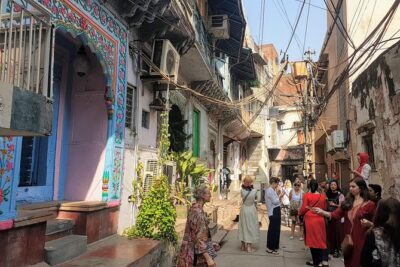 ★ 5.03-hour Old Delhi Heritage Walking tour with Rickshaw RideFrom $7240 reviews
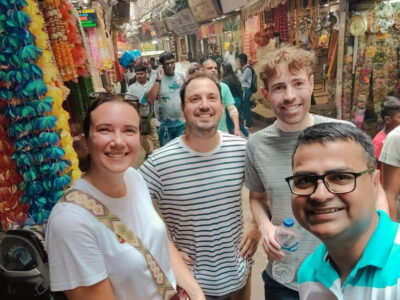 ★ 5.0Old Delhi: Spices, Heritage and Bazaars Walking TourFrom $13173 reviews
★ 4.63-Hour Old Delhi Heritage Walking tour with Rickshaw rideFrom $10158 reviews
★ 5.0The Great Indian Food Tour: Old Delhi Food and Heritage WalkFrom $43106 reviews
★ 5.0Old Delhi: Spices, Heritage and Bazaars Walking TourFrom $13173 reviews
★ 4.63-Hour Old Delhi Heritage Walking tour with Rickshaw rideFrom $10158 reviews
★ 5.0The Great Indian Food Tour: Old Delhi Food and Heritage WalkFrom $43106 reviews
 ★ 5.0Timeless Treasures: An Old Delhi Heritage Walking TourFrom $2269 reviews
Browse the lists this tour appears in