
Reviewed · HISTORICAL TOURS
Delhi: Heritage Photography Tour
Tombs, street art, and photo coaching in 2 hours. This Delhi walking tour is built around finding strong angles fast, with Safdarjung Tomb as the starting point and photo tips that help you shoot like you planned the route. I especially liked how the guide sets you up for what to look for before you reach each gate and courtyard.
I love the mix of subjects. You bounce from monumental Mughal-era architecture to shaded greenery at Lodhi Garden, then finish with the color and textures of Lodhi-area wall art and the Rose Garden.
One consideration: the walk is on foot, and it is not suitable for wheelchair users or pregnant women. If you’re bringing a small daypack and comfortable shoes, it’s a doable pace, but it’s still a true heritage walk.
In This Review
- Key highlights worth aiming for
- Why Delhi’s heritage photo stops make sense
- Starting at Safdarjung Tomb: you’ll shoot before you even walk far
- Safdarjung Tomb and the Muhammad Shah Sayyid Tomb relics
- Lodhi Garden: the best part for nature, trees, and structure together
- Bara Gumbad tomb and mosque area: domes, arches, and in-between lanes
- Athpula Bridge and the lake crossing: a calmer change of scene
- Shish Gumbad, Sikandar Lodi Tomb, and the Rose Garden wrap-up
- Lodhi street art: modern color added to old stone
- Guide storytelling and photo tips: what you actually get
- Price and value for a 2-hour photo walk
- Practical logistics: shoes, bags, and how to keep it smooth
- Who this tour is best for
- Should you book this Delhi Heritage Photography Tour?
- FAQ
- How long is the Delhi Heritage Photography Tour?
- Where do I meet the guide?
- How much does it cost?
- What’s included in the tour price?
- What languages are the guides available in?
- Are there any restrictions on what I can bring?
- Do I need to bring anything?
- Is the tour suitable for wheelchair users or pregnant women?
- Is hotel pickup and drop-off included?
Key highlights worth aiming for
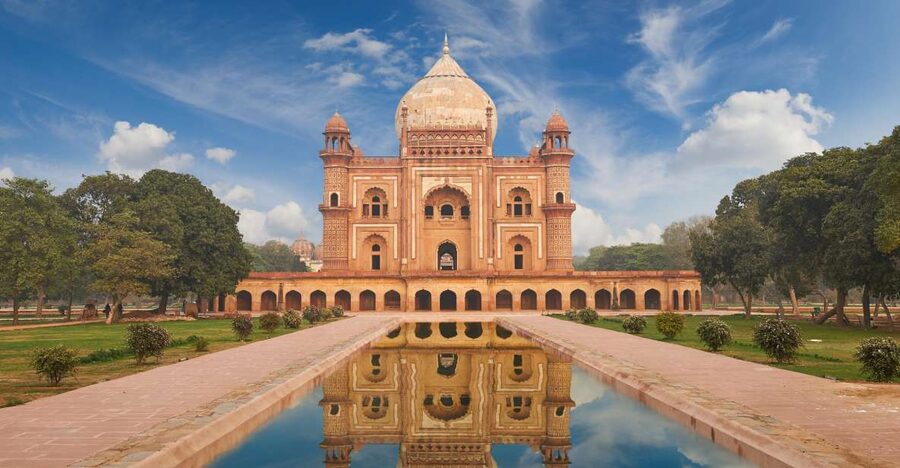
- Safdarjung Tomb starting point: you begin at the ticket counter, so you’re shooting quickly instead of wandering.
- Muhammad Shah Sayyid Tomb relics: a quieter stop where history shows up in details you can frame.
- Lodhi-era architecture stops: Bara Gumbad tomb and mosque areas give you dome-and-arch compositions.
- Lodhi Garden nature-and-geometry: trees, paths, and architectural edges in one walk.
- Lodhi street art walls: painted themes that add modern color to old stone.
- Rose Garden finish: a final stretch that’s made for softer light and calm images.
Why Delhi’s heritage photo stops make sense
Delhi can feel chaotic at first, but that’s also why it’s great for photography. You get crowds sometimes, then sudden pockets of calm: tomb walls, garden paths, and lake views that break up the city noise.
This tour is smart because it’s not just about seeing famous sites. It’s about learning how to work them. You get entry to each photographic destination, plus photography tips timed to what you’re actually seeing right then. That means you’re not stuck with generic “take a picture” advice. You’re getting help with angles, pacing, and how to include context.
And the subject mix is practical for almost any camera setup. If you shoot with a phone, you’ll still get clean framing opportunities at the tombs and in the garden. If you shoot with a DSLR or mirrorless, you’ll appreciate the architectural shapes and the chance to layer foreground trees with stone domes.
The whole thing fits into a tight schedule—2 hours—so it works even if you’re juggling multiple sights in one day.
More paths into old New Delhi


Starting at Safdarjung Tomb: you’ll shoot before you even walk far
The meeting point is the entrance gate of Safdarjung Tomb (at the ticket counter). That matters more than it sounds. In big cities, the hardest part is often figuring out where the best light and best compositions begin. Starting at the right place helps you avoid a wasted first 20 minutes.
Expect to start with a guide who is also your storyteller. The tour is described as English-and-Hindi (and Spanish is offered too). The guide’s job isn’t just to escort you; it’s to help you look. You’ll get prompts like where to stand for domes and arches, and when to pause for a cleaner background.
This is also where you’ll learn a key habit for Delhi photography: don’t aim only for the landmark. Use the landmark to organize your shot, then add something human or local around it—edges of pathways, surrounding walls, or the feel of the gardens.
If you want a simple win, focus on symmetry and then break it intentionally. Safdarjung’s forms let you do both without needing special equipment.
Safdarjung Tomb and the Muhammad Shah Sayyid Tomb relics
Safdarjung Tomb is a strong opener because it gives you pure architectural structure. Even if you’ve never shot Mughal-style monuments before, you can make compelling photos by concentrating on repetition—arches, edges, and the way shadows sit along stone.
Then you move to the Muhammad Shah Sayyid Tomb, described as a place that displays relics from Delhi’s past. This stop shifts your attention from outdoor geometry to historical detail. It’s the kind of location where the best shots are often about small information: objects, patterns, and how light hits the surfaces around the relics.
Photography tip value here: you’ll likely need to change your approach mid-tour. Tomb exteriors reward wide angles and careful positioning. Relic-focused spaces often ask for steadier framing and more patience—slower steps, fewer “spray and pray” shots, and a willingness to wait for your background to clear.
Also, this is where the storytelling side helps. Learning what you’re seeing gives your photos context. Even if your camera is the same, your photos feel more intentional when you understand why a feature exists.
Lodhi Garden: the best part for nature, trees, and structure together
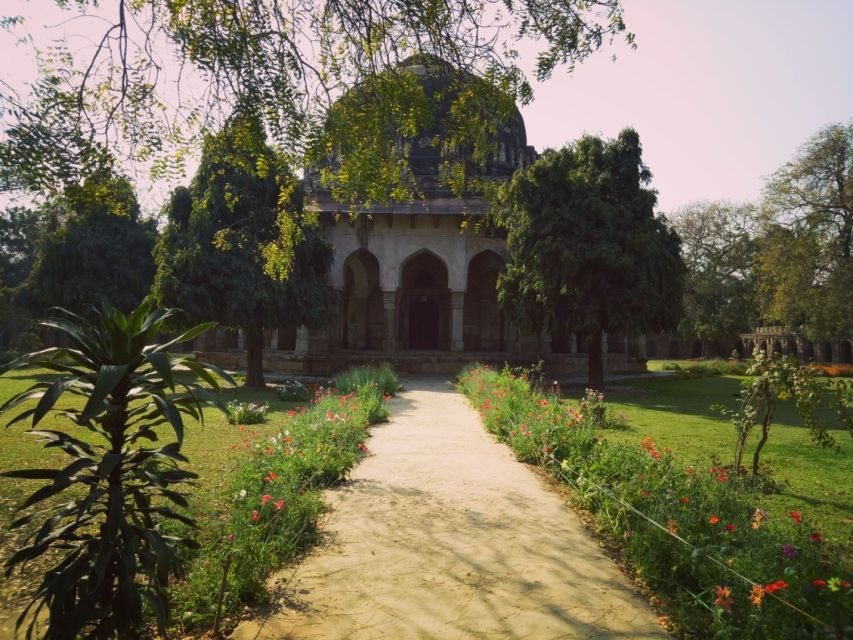
After the tombs, the tour shifts into Lodhi Garden, described as the loveliest park in Delhi and the best place for mixing nature, architecture, and multiple tree varieties in one frame.
This is a practical break. Tombs can make you feel like you’re always moving toward stone walls. A garden gives you softer shapes, layered greens, and a chance to play with foregrounds—tree branches framing a walkway, or a path leading toward a distant structure.
The guide’s job here is especially useful because parks are easy to photograph badly. You can get lots of leaves and still end up with flat images. The fix is to use composition rules you already know: include a path line, place a subject slightly off-center, and use architectural edges to give your photos a sense of direction.
If you like photographing patterns, trees in this area can offer them. If you prefer calmer portraits or “quiet travel” shots, a garden stop also helps you shoot with fewer distractions.
In short: this is the part of the tour that feels like a reset button for your camera brain.
Bara Gumbad tomb and mosque area: domes, arches, and in-between lanes
From the garden, you pass centuries-old buildings, wide lanes, embassies of different countries, and the Bara Gumbad tomb and mosque area (noted as 15th-century).
This is where Delhi’s texture shows up for photos. Tomb photography isn’t only about one building; it’s also about the space around it. Wide lanes help you step back for an establishing shot. Older buildings help you include history in the background without making your main subject messy.
The Bara Gumbad stop is a gift for anyone who likes strong dome shapes. Domes are forgiving: even a slightly imperfect shot still looks “right,” because the curves read clearly on camera.
One caution: because these are active, lived-in areas nearby, you’ll want to plan for foot traffic. The guide’s pacing matters. You’ll get better results by slowing down rather than trying to rush through every angle.
If you’re the kind of photographer who likes to shoot detail textures—stonework, edges, carved forms—this section gives plenty of material.
More frames from your New Delhi trip
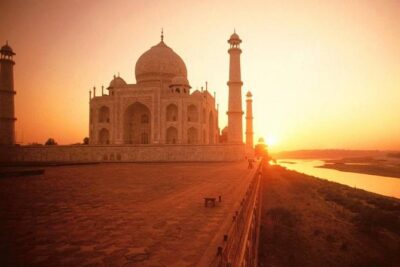

Athpula Bridge and the lake crossing: a calmer change of scene
Next comes the Athpula Bridge crossing to reach the lakeside area. This isn’t just a scenic detour. Bridges are great for framing because they create natural leading lines. A body of water also adds reflection potential, plus softer lighting compared with exposed stone courtyards.
Lake-adjacent scenes can help your set look more varied. After tombs and walls, water adds visual breathing room. Your photos stop feeling like all the same “type” of shot, even if you’re shooting the same subject categories.
Practical move: if you use a phone, try to keep the horizon level. If you use a camera, you can experiment with slower shutter speeds only if conditions and stability allow. If you’re not sure, prioritize clean composition over technical perfection.
This bridge-and-lake segment also gives you something the rest of the tour doesn’t: a sense of space. Delhi can feel dense. Here you’ll get a wider-feeling background.
Shish Gumbad, Sikandar Lodi Tomb, and the Rose Garden wrap-up
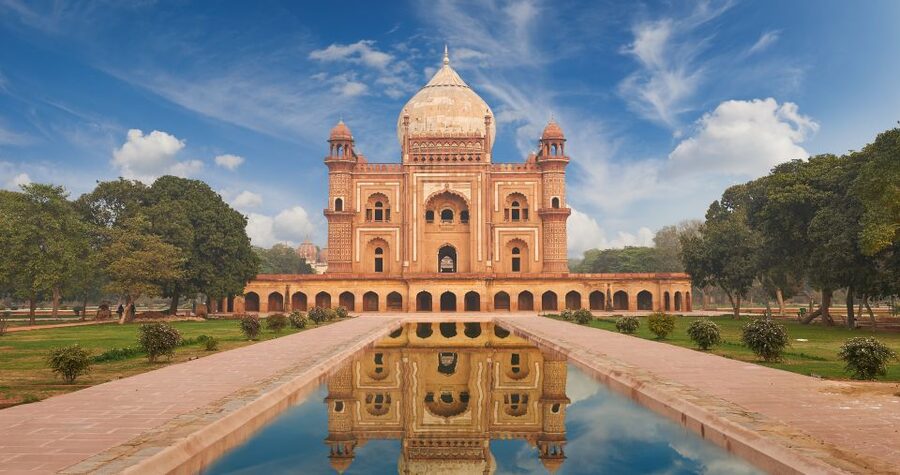
The tour’s later part includes Shish Gumbad, described as the last lineage of the Lodhi Dynasty, plus the Sikandar Lodi Tomb and the Rose Garden.
Shish Gumbad stands out because the guide frames it as a dynastic marker—history you can feel in the monument’s place in the overall story of the city. For photos, that usually means you’re not only looking at the structure; you’re looking at how it fits into its surroundings. Even if you keep a simple shot, knowing it’s tied to the Lodhi lineage helps you choose angles that communicate significance.
Sikandar Lodi Tomb adds more tomb photography practice. By now you’ll be warmed up. That’s when you start making better choices: you’ll know which backgrounds look busy, and you’ll understand how close you need to be for the stone details to read clearly.
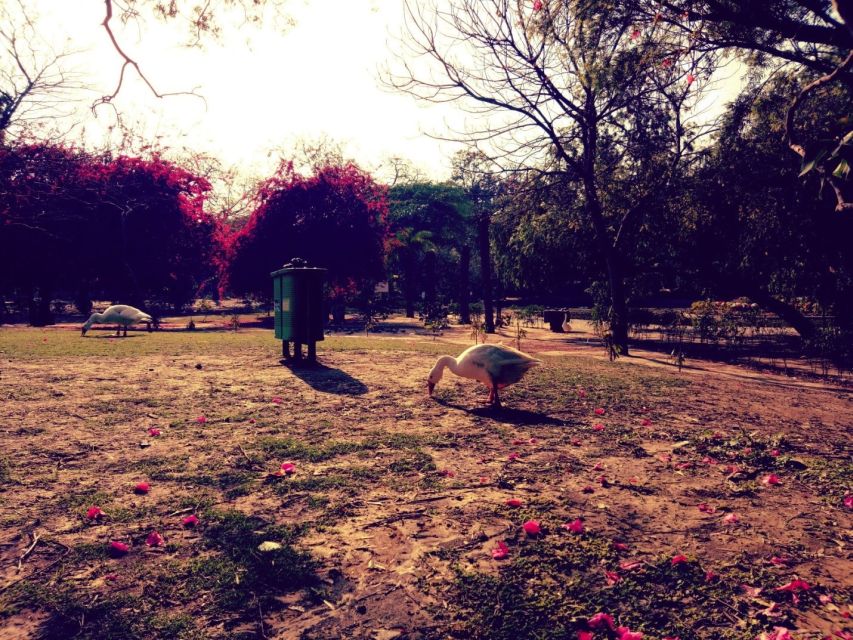
Then you transition into the Rose Garden. This is a smart finishing choice. Gardens naturally slow you down, and the Rose Garden section is a chance to capture softer scenes that don’t demand the same heavy “architectural intensity.” Think gentle color, paths, and quieter compositions.
If you want a simple photo strategy for the last 20–30 minutes: shoot a few clean wide shots first, then follow with closer detail shots, and leave a small gap for one calm “reset” image where you don’t rush.
Lodhi street art: modern color added to old stone
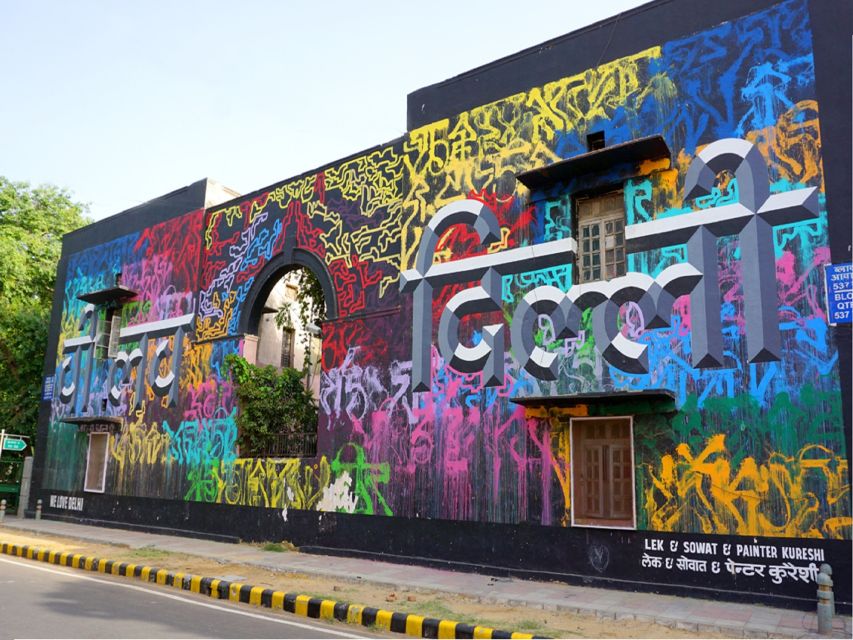
In the final stretch, the tour includes Lodhi street art, using painted walls with themes such as nature, the origin of the world, and life and death.
This is one of the strongest reasons to book this particular tour if you care about variety. Delhi photography can become either “all tombs” or “all monuments.” Street art adds a contemporary layer that keeps your portfolio from feeling repetitive.
Also, it’s an easy win for photographers because walls give you natural surfaces for color. You can frame with a simple rule: keep the wall as the main background and let your subject be either the art itself or the small details around it. Don’t overcomplicate it—street art already has visual structure.
From a storytelling angle, the themes matter. Life and death paired with heritage sites makes the tour feel like a full cultural conversation, not just a sightseeing circuit.
If you shoot portraits or street candids, this section can help, too—but keep respect first. Focus on the art and the wall environment.
Guide storytelling and photo tips: what you actually get
The tour is led by a trained, friendly guide who speaks English and Hindi, and the tour description also states Spanish availability. The guide is more than a route planner. You’ll get photography tips as you go and conversation space for religious aspects and local importance.
That matters for value because it affects how you shoot. When someone explains context—why something matters, what the symbols are, how people relate to the site—you stop taking random photos. Your frames start to reflect ideas, not just objects.
I’ve seen mention of guides such as Rajeev and Ameesha specifically, and the common theme is guidance that helps you keep moving at a comfortable pace while still letting you do your own photography. One of the guides was described as patient and experienced with working around photographers who want to try their own angles rather than be micromanaged.
If you’re worried about feeling rushed, that’s a positive sign. In a tight 2-hour session, pacing is everything.
Price and value for a 2-hour photo walk
At about $14 per person for a 2-hour tour, this sits in a very budget-friendly zone. The value comes from three things you normally pay separately in Delhi: entry access to the photographic destinations, a guide who handles the route, and practical photo coaching.
Most inexpensive tours in big cities either focus on transport or on talking. This one includes entry to the main photo stops and makes it easier to shoot without adding extra costs or detours.
What’s not included is also worth knowing: there’s no hotel pickup or drop-off, and you won’t get a water bottle. You’ll want to bring your own water and plan your start from the Safdarjung Tomb area.
There is also one practical cost of time you should consider. Because it’s a walking tour, you’re investing energy. If you’re fit and you like shooting, you’ll probably feel the price is fair. If you want a seated, low-walking experience, you may feel it’s less worth it.
Overall, for a short heritage photography session with entry included, it’s priced like a value play.
Practical logistics: shoes, bags, and how to keep it smooth
Bring comfortable shoes. That’s not a generic request here; it’s the main requirement. You’ll be moving between tombs, garden paths, and streetside art walls. If your footwear isn’t made for walking, you’ll spend the tour thinking about your feet instead of your frames.
You also need to plan your carry. Luggage or large bags aren’t allowed, so travel light. A small daypack is usually fine, but anything bulky is likely to cause hassle.
Because you start at Safdarjung Tomb and the tour runs about 2 hours, you’ll want to show up on time. The meeting point is clear: the entrance gate at the ticket counter.
If anything goes off-schedule on the day, a good practical move is to ask at the Safdarjung Tomb security area and ticket counter for help locating your guide. That’s the exact place where staff and local help are already used to dealing with visitor issues.
Who this tour is best for
You’ll like this most if you:
- want photography-first guidance, not just a history lecture
- enjoy a mix of architecture, garden greenery, and street art
- like short tours that don’t hijack your whole day
You might not love it if you:
- need a wheelchair-friendly route or you’re traveling with mobility limits (not suitable for wheelchair users)
- are pregnant (not suitable for pregnant women)
- hate walking between several outdoor stops with a few indoor transitions
It’s also ideal for people who want to learn photo habits quickly. In 2 hours, you can test new framing ideas without committing to a full day.
Should you book this Delhi Heritage Photography Tour?
I’d book it if you want a photo-focused route that blends tombs, garden calm, and Lodhi street art in one tidy 2-hour session. The strongest reason is practical: you get entry to the main photo destinations plus photography tips, and the guide’s storytelling adds meaning to your images.
I’d hesitate only if walking is hard for you, or if you’re the type who gets stressed by moving between multiple sites in a short time. Also, since the overall rating is mixed, be the organized one: arrive early, keep your footwear ready, and be ready to pivot your plan if the day feels delayed.
If you’re game for a focused heritage photo walk with a story behind each stop, this is a solid value choice.
FAQ
How long is the Delhi Heritage Photography Tour?
It lasts 2 hours.
Where do I meet the guide?
Meet the storyteller at the entrance gate of the Safdarjung Tomb, at the ticket counter.
How much does it cost?
The price listed is $14 per person.
What’s included in the tour price?
Entry to all photographic destinations, photography tips, one hot beverage, and a friendly English-and-Hindi-speaking storyteller/guide. The guide also covers conversations around religious aspects and local importance.
What languages are the guides available in?
The live tour guide is available in English, Hindi, and Spanish.
Are there any restrictions on what I can bring?
Luggage or large bags are not allowed.
Do I need to bring anything?
Comfortable shoes are recommended.
Is the tour suitable for wheelchair users or pregnant women?
No. It is not suitable for wheelchair users or pregnant women.
Is hotel pickup and drop-off included?
No, hotel pickup and drop-off are not included.
Old New Delhi, Toured Properly
- The Great Indian Food Tour: Old Delhi Food and Heritage Walk
★ 5.0 · 1,698 reviews - Old Delhi Food, Heritage&Cultural Walk with Rickshaw ride to Masterji Kee Haveli
★ 5.0 · 742 reviews - Old Delhi Heritage Walking Tour
★ 5.0 · 247 reviews - 3-hour Old Delhi Heritage Walking tour with Rickshaw Ride
★ 5.0 · 240 reviews - Old Delhi: Spices, Heritage and Bazaars Walking Tour
★ 5.0 · 173 reviews
More Tours in New Delhi
- Old & New Delhi City Tour – Half or Full Day Options Available
★ 5.0 · 4,811 reviews - Half Day Private Delhi City Tour
★ 5.0 · 4,474 reviews - Same Day Taj Mahal, Agra Fort & Baby Taj Tour from Delhi by Car
★ 5.0 · 4,304 reviews - Taj Mahal Day Tour from Delhi by Superfast Train – TOP RATED TOUR
★ 5.0 · 4,166 reviews - Delhi: Old and New Delhi Private Full or Half-Day Tour
★ 4.9 · 3,776 reviews
More Tour Reviews in New Delhi
- Old & New Delhi City Tour – Half or Full Day Options Available
★ 5.0 · 4,811 reviews - Half Day Private Delhi City Tour
★ 5.0 · 4,474 reviews - Same Day Taj Mahal, Agra Fort & Baby Taj Tour from Delhi by Car
★ 5.0 · 4,304 reviews - Taj Mahal Day Tour from Delhi by Superfast Train – TOP RATED TOUR
★ 5.0 · 4,166 reviews - Delhi: Old and New Delhi Private Full or Half-Day Tour
★ 4.9 · 3,776 reviews
Just added: more New Delhi reviews to browse
- 4 days Golden Triangle Tour★ 5.0 · 3 reviews
- Discover Old & New Delhi: Private Tour with Street Food★ 5.0 · 3 reviews
- Taj Mahal Tour From Delhi By Private Car★ 4.5 · 3 reviews
- Golden Triangle Tour 5 Days★ 5.0 · 3 reviews
- Taj Mahal: Express Entry Ticket For Sunset Tour with guide★ 5.0 · 3 reviews
- Agra Taj Mahal Sunrise & Sunset Tour from Delhi★ 5.0 · 3 reviews
Historical Tours, compared.
 ★ 5.0The Great Indian Food Tour: Old Delhi Food and Heritage WalkFrom $431,698 reviews
 ★ 5.0Old Delhi Food, Heritage&Cultural Walk with Rickshaw ride to Masterji Kee HaveliFrom $52742 reviews
 ★ 5.0Old Delhi Heritage Walking TourFrom $13247 reviews
 ★ 5.03-hour Old Delhi Heritage Walking tour with Rickshaw RideFrom $7240 reviews
 ★ 5.0Old Delhi: Spices, Heritage and Bazaars Walking TourFrom $13173 reviews
★ 4.63-Hour Old Delhi Heritage Walking tour with Rickshaw rideFrom $10158 reviews
★ 5.0Old Delhi: Spices, Heritage and Bazaars Walking TourFrom $13173 reviews
★ 4.63-Hour Old Delhi Heritage Walking tour with Rickshaw rideFrom $10158 reviews
 ★ 5.013 Nights 14 Days Private Tour of Heritage Rajasthan from New DelhiFrom $226149 reviews
 ★ 5.0Gandhi Delhi Private History Adventure TourFrom $40127 reviews
Browse the lists this tour appears in