

Reviewed · DELHI RICKSHAW & TUK-TUK TOURS
Delhi: Old & New Delhi Private Tour with Rickshaw Ride
Pedal power in Old Delhi hits different. This private 8-hour circuit strings together big sights from Old Delhi and New Delhi, with an easy rhythm: your guide handles the stories, you handle the photos and the people-watching.
I especially like the cycle rickshaw ride through Chandni Chowk because it slows you down in the right way. I also like the UNESCO one-two punch of Qutb Minar and Humayun’s Tomb, where guided stops make the sites make sense.
The main catch is timing and pace. Old Delhi gets crowded, you’ll do some walking, and the Lotus Temple is closed on Mondays, so plan your day around that.
In This Review
- Quick picks before you go
- How this Delhi tour feels: Old streets, new landmarks, zero guesswork
- Jama Masjid: big scale, clear context, and smart photo timing
- Chandni Chowk by cycle rickshaw: the best way to read Old Delhi fast
- Khari Baoli spice market: scents and colors with a manageable time window
- Red Fort from the outside: a classic landmark with an important limitation
- Akshardham stop + a break: a helpful shift in pace
- Lotus Temple and Bangla Sahib Gurudwara: calm contrast in the middle of the day
- New Delhi landmarks: India Gate, Parliament area, and the stones in-between
- UNESCO sequence: Qutb Minar and Humayun’s Tomb with guide-led meaning
- Tour logistics that really matter: private car comfort, pickup clarity, and timing
- Price and value: is $19 a bargain or a trade-off?
- Who this tour suits best (and who should think twice)
- Should you book this Delhi Old and New tour?
- FAQ
- Is this tour private or shared?
- How long is the Delhi Old and New tour?
- Are entrance tickets to monuments included?
- Is the Lotus Temple open every day?
- Where do I meet the guide for hotel or airport pickup?
- Is the cycle rickshaw ride included?
- Is there a live guide, and what language do they speak?
- Is this tour suitable if I have mobility or back problems?
Quick picks before you go
- Private AC pickup and drop-off from your hotel, airport, or preferred location in Delhi NCR
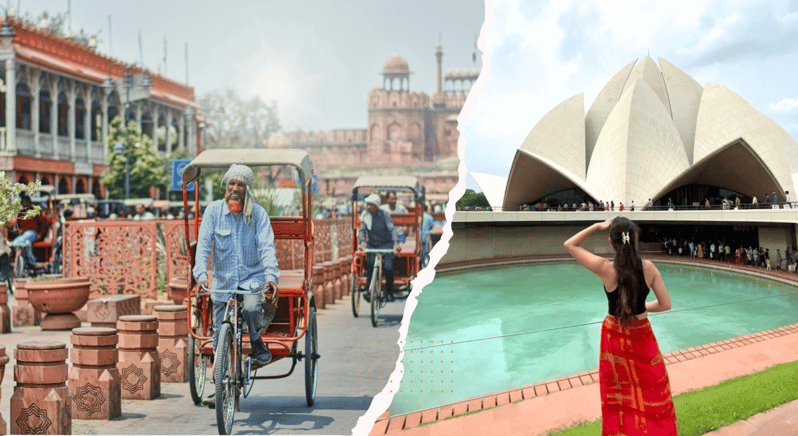
- Cycle rickshaw through Chandni Chowk for a hands-on view of Old Delhi life
- Guided UNESCO visits at Qutb Minar and Humayun’s Tomb
- Religious sites with practical etiquette: modest clothing, knees and shoulders covered
- Guide quality matters, and one standout guide name in feedback is Zubair for clear, deep history
How this Delhi tour feels: Old streets, new landmarks, zero guesswork
This is the kind of Delhi day that works even if it’s your first visit. You get a local guide guiding the flow, plus private AC car transfers so you’re not stuck hopping between areas on your own.
What I like most is that the day balances spectacle with orientation. Jama Masjid and Chandni Chowk give you the sensory chaos of Old Delhi, while the Qutb Minar and Humayun’s Tomb stops switch the pace into something slower and more architectural. Then New Delhi’s government and memorial zone helps you understand how the city sits next to its own past.
And because it’s a private group, you can move at your comfort level. Your guide can adjust the walking and photo stops as the traffic and crowd levels change.
The old and the new, covered a few more ways




Jama Masjid: big scale, clear context, and smart photo timing
You start with Jama Masjid, one of Delhi’s most iconic mosques. You’ll get a photo stop and a guided visit, plus time for sightseeing and shopping nearby.
Here’s what makes this stop work on a day like this: your guide frames the mosque not just as a photo spot, but as a landmark tied to how Old Delhi functions. That helps you understand why you’ll see people coming and going in patterns that feel busy but also practiced.
Practical note: dress modestly. Plan on knees and shoulders covered, especially if you’re lingering for a guided moment. Comfortable shoes matter here, because even with the car, you’ll be on your feet in dense areas.
Chandni Chowk by cycle rickshaw: the best way to read Old Delhi fast

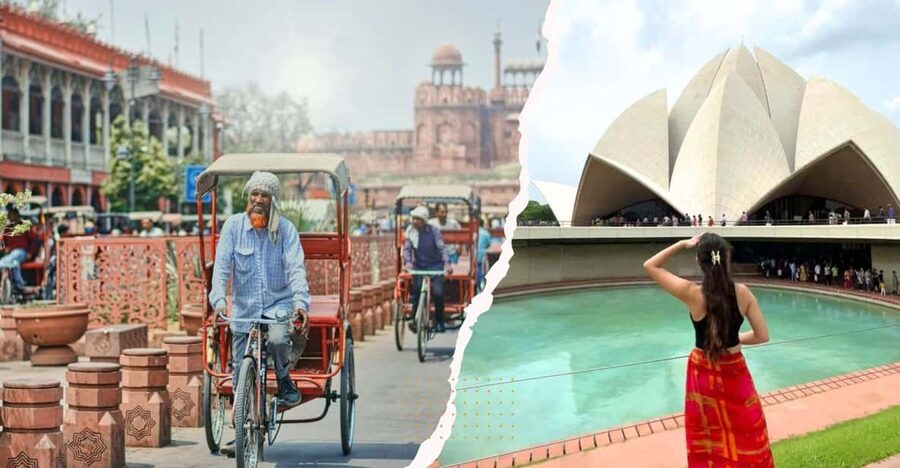
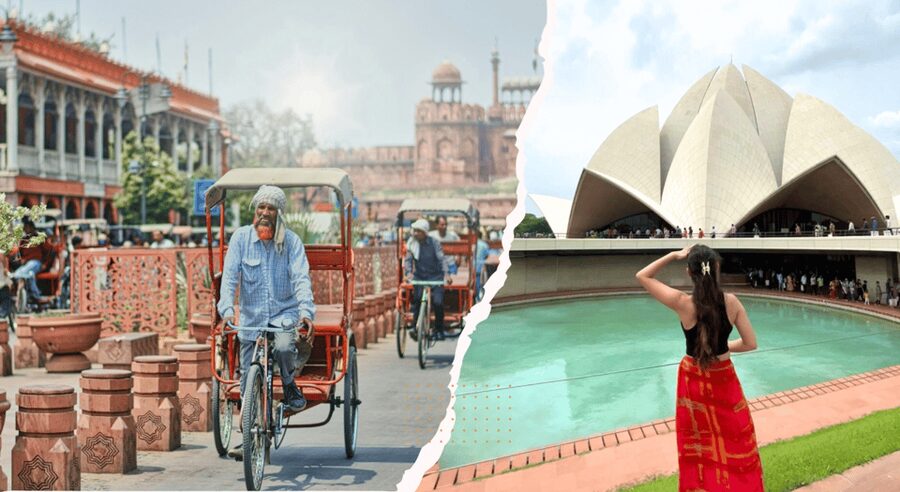
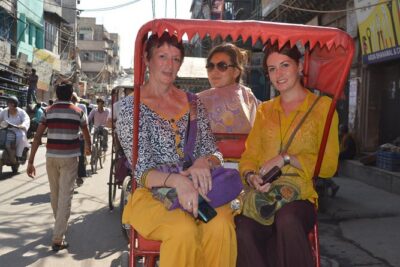
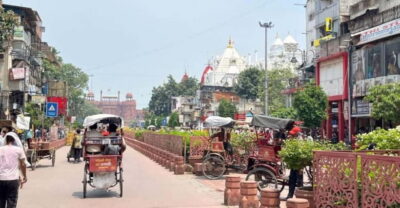
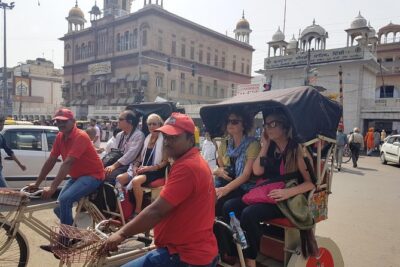
After Jama Masjid, the tour switches to the highlight that most people remember: a cycle rickshaw ride through Chandni Chowk. This is the part where the city stops being “sights” and becomes “streets.”
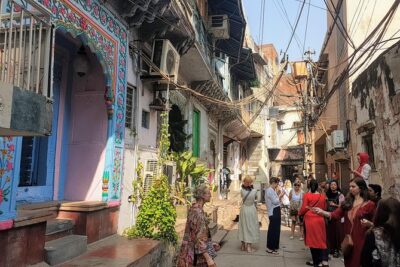
On foot, Old Delhi can feel like sensory overload. In a cycle rickshaw, you get the motion without losing control of where to look. You can spot the rhythms of the market lanes, notice shopfront signage, and watch everyday life unfold in front of you.
You also get a guided walkthrough timed for visibility. The ride includes photo stop + guided tour energy, so you’re not just passing through—you’re learning what you’re seeing as you go.
One thing to consider: if you have a back issue or mobility limits, this kind of seating and traffic navigation may not be ideal. The tour is not positioned as suitable for people with back problems or mobility impairments.
Khari Baoli spice market: scents and colors with a manageable time window
Next comes Khari Baoli, a spice and market area that’s famous for color and smell. You’ll have a short visit with guided context and time to shop, but it’s not so long that it becomes overwhelming.
This is a great stop for understanding how Old Delhi trades work. Spices here aren’t just souvenirs; they’re part of the daily economy. Your guide can help you decode what you’re seeing so shopping feels less like random browsing and more like informed choosing.
Bring sunscreen and expect some heat. Even if the day starts cool, mid-day sun can hit hard. Also, keep your hands free for photos—market lanes can be crowded, and you’ll want both balance and quick movement.
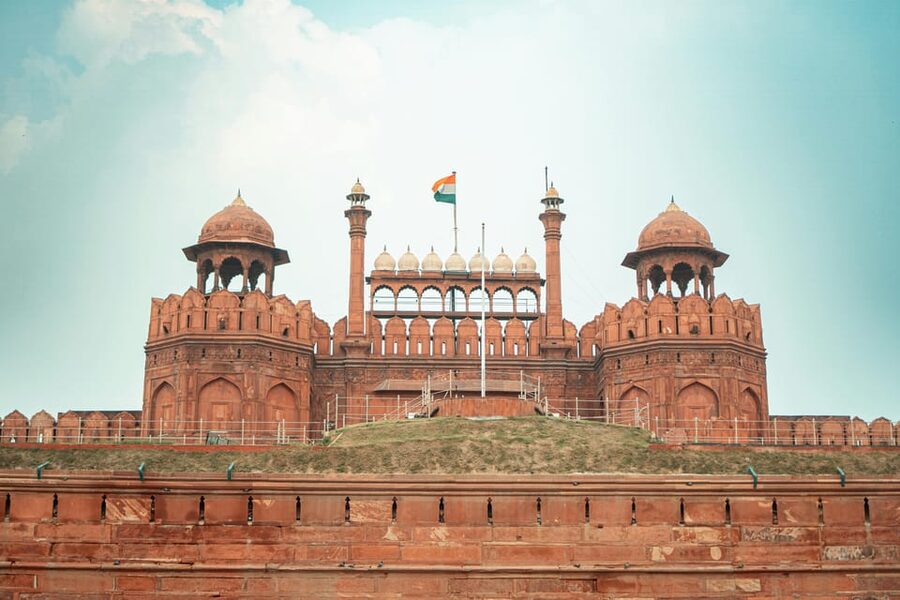
Red Fort from the outside: a classic landmark with an important limitation
You’ll see the Red Fort from the outside with a short pass-by and photo time. Entry isn’t included unless you’ve selected an all-inclusive option that specifically adds monument access.
This isn’t a dealbreaker, but it’s worth aligning expectations. The Red Fort is one of the big names that people want to enter, so if that matters to you, confirm what’s covered before you go.
If you’re mainly interested in getting a strong first impression of Old Delhi’s scale, the exterior view works fine—especially after the Chandni Chowk rickshaw ride, when your brain is already in “city pattern” mode.
More of the city from the back of a rickshaw
Akshardham stop + a break: a helpful shift in pace
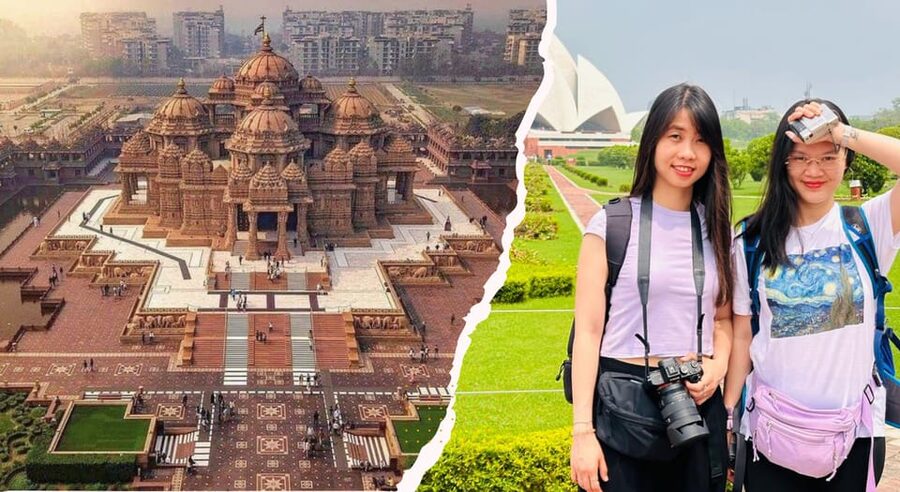
Later in the day, you’ll make time for Akshardham with photo time, a guided visit, and shopping, plus a walk. This part of the route gives you a different kind of Delhi sight: more modern, more structured, and easier to appreciate at a slower walking pace.
Then you get a break and free time (a full hour). That matters more than you’d think on an 8-hour schedule. Markets and major monuments can burn energy fast, and the midday reset helps you keep your attention for the UNESCO sites later.
If you’re the type who gets “museum tired” after too many entrances, this break is a smart feature. If you prefer constant movement, you can use the free time for a snack, a bathroom stop, or just letting the day catch up with you.
Lotus Temple and Bangla Sahib Gurudwara: calm contrast in the middle of the day
One of the best contrasts in this tour is the switch from market noise to places of reflection. You’ll visit the Lotus Temple and also stop at Bangla Sahib Gurudwara, including time to see the community kitchen in action.
The Lotus Temple is beautiful and visually clean compared to Old Delhi lanes. It’s also a place where the architecture makes people slow down, even in a group schedule.
The important catch is the Lotus Temple closure on Mondays. If your dates land on Monday, your day plan may change at that stop. I’d treat that temple as a bonus on the right day, not a guarantee.
For religious sites, dress modestly again. Knees and shoulders covered is the key rule. You’ll also want to bring a respectful mindset—these are active worship spaces, not just attractions.
New Delhi landmarks: India Gate, Parliament area, and the stones in-between
As the day shifts into New Delhi, you’ll see major government and memorial landmarks from photo stops and guided passes.
India Gate gets a guided visit and photo time. Parliament and the President’s House area are handled as sight and photo stops with guided context. This section helps you connect the dots: how modern Delhi organizes itself around institutions and monuments.
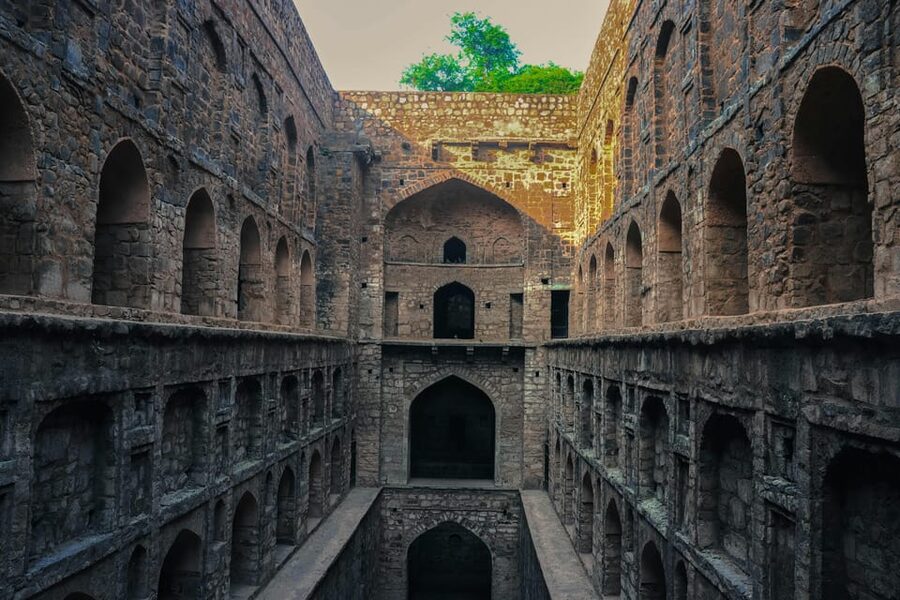
You’ll also make a stop at Agrasen ki Baoli. This is one of those Delhi structures that feels quieter than the headline sites, but it’s a great reminder that Old and New can overlap in the same day. The guided visit and photo time help you understand the space instead of just walking past it.
UNESCO sequence: Qutb Minar and Humayun’s Tomb with guide-led meaning
The UNESCO stops are where the tour earns its name. You’ll visit Qutb Minar with a guided tour (about an hour), then continue to Humayun’s Tomb for another guided visit (about an hour).
What you want from UNESCO in a private format is interpretation. “Pretty buildings” are easy. Understanding why these forms matter in Delhi’s long timeline takes a guide with clear explanations. In feedback for this experience, the guide Zubair gets praised for guiding people through deep history in a way that actually lands, so if you’re assigned to a guide like that, you’ll get more out of these hours.
Qutb Minar’s scale and Humayun’s Tomb’s layout are both easier to appreciate with guidance. You’ll also have enough time to look slowly and take photos without constantly running.
Tour logistics that really matter: private car comfort, pickup clarity, and timing
This tour includes private air-conditioned vehicle transfers with a professional driver. You’ll get bottled water, which sounds small until you’re halfway through a hot day in the city’s busiest areas.
Pickup works from multiple areas in Delhi NCR, and you’ll meet your guide/driver in a predictable way. For hotel pickups, you wait in the lobby and the driver or guide meets you holding a sign with your name. For airport pickups, you meet outside specific arrival exits, with details shared in advance.
Also, expect the day to flex slightly based on traffic and pacing. That’s normal for Delhi. The upside of private scheduling is that your guide can adjust without breaking the whole plan.
One more practical point: skip-the-ticket-line is listed as part of the experience. That can save real time at major sites, but entry fees are still a separate question (more on that next).
Price and value: is $19 a bargain or a trade-off?
$19 per person is extremely low for an 8-hour private day with AC transport, a live guide, and major Delhi sights. The value question comes down to what’s included in your specific option.
Here’s the key trade-off:
- Monument entry fees are not included unless you’ve selected an all-inclusive option.
- The cycle rickshaw ride is tied to what your booking includes (all-inclusive vs standard), so confirm before you count it as guaranteed.
If you choose the standard option, you may end up paying entry fees at UNESCO sites or other monuments. If you choose the all-inclusive option, you’re paying more upfront, but fewer “surprise payments” show up once you arrive.
Lunch is not included either, unless your booking option states otherwise. So budget for snacks or plan your midday break around meals.
My advice: if you hate paperwork and last-minute payments, choose the all-inclusive setup. If you’re price-sensitive and comfortable paying entries directly, the standard option can still work well.
Who this tour suits best (and who should think twice)
This is a great fit for first-timers who want structure without feeling trapped in a bus schedule. It’s also a strong option if you like mixing big landmarks with real street experience, like the Chandni Chowk ride.
It may not be ideal if you:
- Have back problems or mobility impairments
- Need minimal walking in crowded areas
- Want guaranteed access to every monument interior without checking entry coverage first
If you’re traveling with kids, children must be accompanied by an adult. And because parts of the route involve religious sites and busy markets, keeping the day calm and watchful is part of the success.
Should you book this Delhi Old and New tour?
Book it if you want a single-day plan that covers Old Delhi streets, major religious landmarks, and the UNESCO icons of Qutb Minar and Humayun’s Tomb—without you doing navigation homework.
Don’t book it if you specifically need monument interiors like Red Fort on the schedule and you’re not selecting an all-inclusive option. And reconsider if mobility/back issues make walking and street-level movement hard.
If you do book, here’s the smart move: choose comfortable shoes, bring sunscreen, dress modestly for worship areas, and confirm whether monument entries and the rickshaw ride are included in your chosen option. That way, you get the full value of the day rather than picking up extra costs on the fly.
FAQ
Is this tour private or shared?
It’s a private group tour, meaning only your group participates.
How long is the Delhi Old and New tour?
The duration is 8 hours. Starting times depend on availability.
Are entrance tickets to monuments included?
Monument entry fees are not included unless you choose a specific all-inclusive option. Red Fort is viewed from the outside unless entry is requested.
Is the Lotus Temple open every day?
The Lotus Temple is closed on Mondays.
Where do I meet the guide for hotel or airport pickup?
For hotel pickups, wait in the hotel lobby about 10 minutes before pickup time; the driver or guide meets you holding a sign with your name. For airport pickups, meeting points depend on the terminal and arrival exit gate, and details are shared ahead of time.
Is the cycle rickshaw ride included?
A cycle rickshaw ride through Chandni Chowk is part of the experience, but rickshaw ride and entry tickets are included only in the all-inclusive option. Confirm what your booking includes.
Is there a live guide, and what language do they speak?
Yes, you get a live tour guide. The listed language is English (or your chosen language).
Is this tour suitable if I have mobility or back problems?
No. The tour is not suitable for people with back problems or mobility impairments.
More Tour Reviews in New Delhi
- Old & New Delhi City Tour – Half or Full Day Options Available
★ 5.0 · 4,811 reviews - Half Day Private Delhi City Tour
★ 5.0 · 4,474 reviews - Same Day Taj Mahal, Agra Fort & Baby Taj Tour from Delhi by Car
★ 5.0 · 4,304 reviews - Taj Mahal Day Tour from Delhi by Superfast Train – TOP RATED TOUR
★ 5.0 · 4,166 reviews - Delhi: Old and New Delhi Private Full or Half-Day Tour
★ 4.9 · 3,776 reviews
More Rides Through the Lanes
- Old Delhi Food, Heritage&Cultural Walk with Rickshaw ride to Masterji Kee Haveli
★ 5.0 · 742 reviews - Delhi: Old Delhi Street Food Tour with Rickshaw Ride
★ 4.9 · 403 reviews - Delhi Food Walk: Rickshaw Ride, Street Eats & Market Tour
★ 5.0 · 401 reviews - Old Delhi: Private Tour of Chandni Chowk, Tuk Tuk & Food
★ 4.9 · 345 reviews - 3-hour Old Delhi Heritage Walking tour with Rickshaw Ride
★ 5.0 · 240 reviews
Old and New Delhi, Keep Exploring
- Old & New Delhi City Tour – Half or Full Day Options Available
★ 5.0 · 4,811 reviews - Delhi: Old and New Delhi Private Full or Half-Day Tour
★ 4.9 · 3,776 reviews - Delhi: Private Old & New Delhi Guided Half- or Full-Day Tour
★ 4.9 · 2,309 reviews - Old & New Delhi Private Tour – Half or Full Day (Rated Excellent)
★ 5.0 · 2,226 reviews - Old & New Delhi Full or Half Day Sightseeing Tour
★ 5.0 · 1,900 reviews
Just added: more New Delhi reviews to browse
- 4 days Golden Triangle Tour★ 5.0 · 3 reviews
- Discover Old & New Delhi: Private Tour with Street Food★ 5.0 · 3 reviews
- Taj Mahal Tour From Delhi By Private Car★ 4.5 · 3 reviews
- Golden Triangle Tour 5 Days★ 5.0 · 3 reviews
- Taj Mahal: Express Entry Ticket For Sunset Tour with guide★ 5.0 · 3 reviews
- Agra Taj Mahal Sunrise & Sunset Tour from Delhi★ 5.0 · 3 reviews
Delhi Rickshaw & Tuk-Tuk Tours, compared.
 ★ 5.0Old Delhi Food, Heritage&Cultural Walk with Rickshaw ride to Masterji Kee HaveliFrom $52742 reviews
 ★ 4.9Old Delhi Street Food Tour with Rickshaw RideFrom $43403 reviews
 ★ 5.0Delhi Food Walk: Rickshaw Ride, Street Eats & Market TourFrom $40401 reviews
 ★ 4.9Old Delhi: Private Tour of Chandni Chowk, Tuk Tuk & FoodFrom $70345 reviews
 ★ 5.03-hour Old Delhi Heritage Walking tour with Rickshaw RideFrom $7240 reviews
★ 4.63-Hour Old Delhi Heritage Walking tour with Rickshaw rideFrom $10158 reviews
 ★ 4.7Old Delhi: 3-Hour Tuk-Tuk/Rickshaw TourFrom $25137 reviews
 ★ 5.0Luxury Rickshaw Tour of Old DelhiFrom $85106 reviews
Browse the lists this tour appears in