
Reviewed · OLD DELHI FOOD TOURS
Food Tour With Cooking Class in Local Village from Delhi
A village morning beats the usual Delhi routine. What makes this outing special is the combo: a dhaba breakfast you can smell from the road, plus a spice-led cooking lesson that turns the day from sightseeing into something you can taste and repeat later.
I also love the hands-on village portion. You’re not just driving past rural life; you walk around farms, visit a school, and take an ox-cart ride that makes you slow down and notice details (dusty shoes included). One possible drawback: the day is long and starts early, and the cooking part is a guided lesson inside a larger village-and-food experience, not a standalone “only cooking” class.
In This Review
- Key Takeaways Before You Go
- A Long Day That Starts Early (And Why That’s a Good Thing)
- Dhaba Breakfast on the Highway: Paranthas, Chai, and a Punjabi Welcome
- Entering Village Life: Farm Views, a School Visit, and the Ox-Cart Ride
- Meet the Spice Plan: What the Cooking Lesson Really Means
- Lunch on an Earthen Stove: Real Traditional Cooking You Can Taste
- The Tea Moment: Milk-Spiced Chit-Chat That Lingers
- Price and Value: Is $79 a Fair Deal?
- Logistics That Matter: What to Pack and What to Wear
- Who This Tour Suits Best (And Who Should Skip It)
- Should You Book This Cooking-Plus-Village Day Trip?
Key Takeaways Before You Go
- Early pickup (around 6:30am) means you get cooler travel and more relaxed village time.
- Dhaba breakfast includes Punjabi favorites like paranthas and chai at a roadside stop.
- Ox-cart + village walk gives you a real rhythm of rural day life, not a staged stop.
- Cooking lesson with a home cook focuses on spices and practical dishes you can recreate.
- Lunch cooked on an earthen stove adds a hands-on, traditional flavor you can’t fake at home.
A Long Day That Starts Early (And Why That’s a Good Thing)
The tour begins with hotel pickup at about 6:30am, and you’ll head north from Delhi in an air-conditioned minivan. That early start sounds tough, but it actually helps. You’re less likely to hit heavy traffic and you’ll reach the village while things feel calm rather than rushed.
You’re on the clock for roughly 12 hours total, including travel, village time, cooking, meals, and the return trip. This is not a “sleep in and snack later” kind of day. If you like structured days with a clear plan and a payoff at the end, this works well. If you hate early mornings, you’ll want to plan your evening before—sleep beats late-night plans.
The group stays small, with a cap of 10 people. That matters because it keeps the day from turning into a conveyor belt. It’s also easier for your guide to manage questions, pacing, and the slower parts of village life.
Still hungry? More Old Delhi food crawls
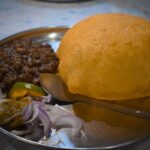
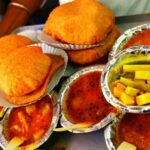
Dhaba Breakfast on the Highway: Paranthas, Chai, and a Punjabi Welcome
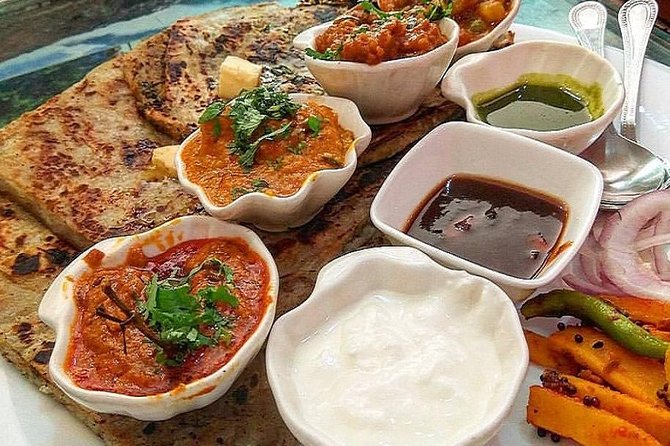
Before you even reach the village, you stop at a highway dhaba, a roadside eatery where people come for speed, comfort, and food that tastes like someone cares. Breakfast here is Punjabi-leaning and includes paranthas and chai.
This first meal does two jobs. First, it gives you energy for a long day with lots of walking and a bumpy ride. Second, it sets the tone. Dhaba food isn’t delicate. It’s hearty, spicy, and built for real hunger, not Instagram plates.
If you’ve already eaten breakfast at your hotel, don’t panic. You’ll still smell what everyone is ordering, and you can take smaller portions if you want. One practical tip: go with a water plan. You’ll be drinking chai, but you’ll also want regular water once the road time starts.
Entering Village Life: Farm Views, a School Visit, and the Ox-Cart Ride
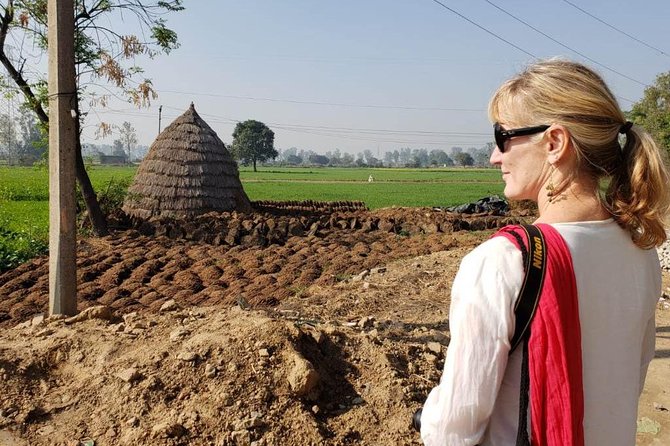
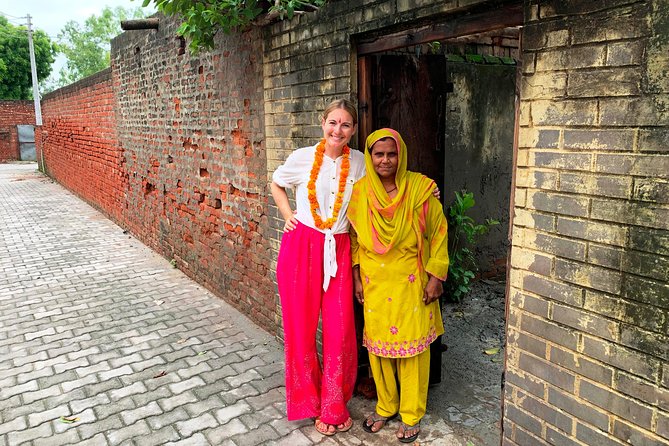
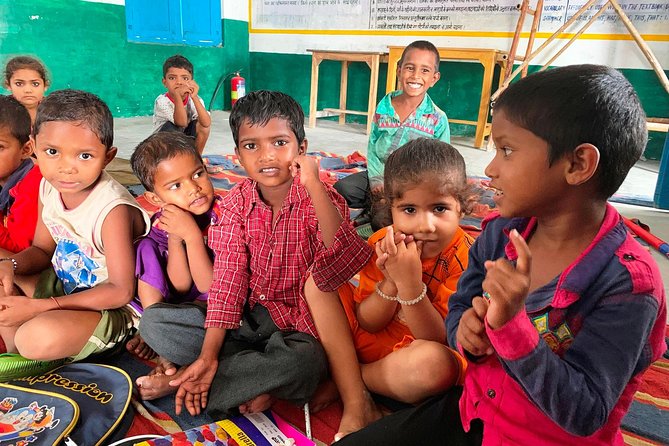
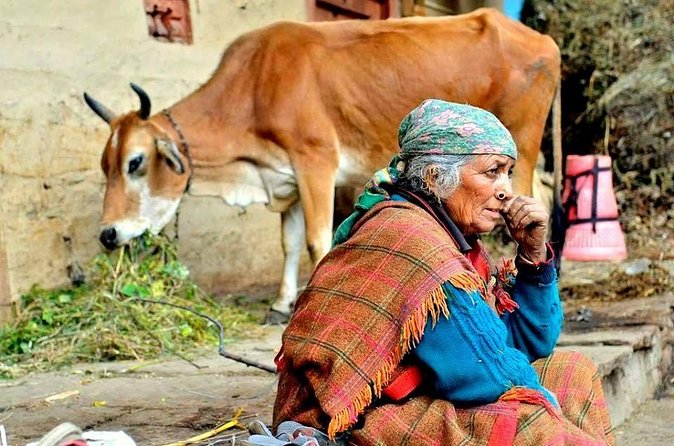
Once you reach the village area, the day shifts from roads and schedules to daily routines. You’ll explore on a village walk that includes farms and a school visit. The goal isn’t a quick photo sprint. It’s a chance to see how people structure their day—work, learning, and community life—at human speed.
Then comes the part many people talk about: the ox-cart ride. It’s not a theme park ride. It’s basic transport, old-school and a bit uneven. Expect dust, a bit of shaking, and a reminder that rural life is real life. If you’re prone to motion sickness, sit where you feel most stable and keep your focus ahead.
What I like most here is how it changes your mindset. In the city, you can rush through culture like it’s a museum. In the village, you’re moving through ordinary places where people are living. That’s why this portion sticks—it’s not just the sights, it’s the pace.
Meet the Spice Plan: What the Cooking Lesson Really Means
After the village portion, you’ll meet your host and get an intro to traditional Indian food and spices. This matters because cooking lessons often fail for one reason: people watch, then go home with no sense of what the ingredients are doing.
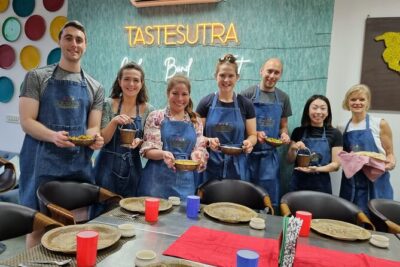
Here, the focus is less on fancy technique and more on practical understanding. Your expert home cook will teach you how to cook several Indian dishes, and you’ll actively participate rather than just observe from a chair.
One important reality check: the tour name includes cooking, but it’s not a cooking class-only experience. You’re getting a full day where cooking is one major chapter—paired with village life and meals. If you expect a tight, multi-hour, chef-only workshop, you might feel a bit disappointed. If you want a home-cook style lesson anchored in village context, you’ll likely be in your element.
Also, your guide can make a big difference. In one of the best experiences from this program, the guide Rahul spoke excellent English and helped explain what you’re eating and how to eat it. That kind of translation turns the whole lesson from food into understanding.
Lunch on an Earthen Stove: Real Traditional Cooking You Can Taste
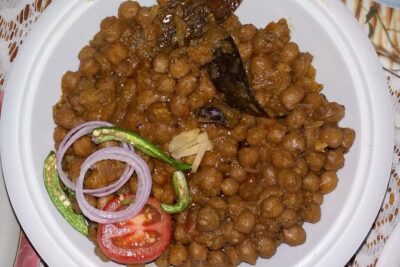
Lunch is cooked in the traditional way—on an earthen stove—and served as part of the farmhouse experience. This is the payoff for everything earlier in the day: the village walk, the spice discussion, and the cooking practice.
Food cooked on an earthen stove often tastes different because the heat and cooking style are different. It’s not just “it’s traditional, trust me.” You’ll actually notice how the flavors land—more grounded, a little smoky, and built for comfort rather than flash.
This is also where you’ll feel the value of included meals. At $79, you’re not just paying for a transfer and a quick bite. You’re paying for a whole day’s worth of structure: breakfast, lunch, cooking instruction, and light refreshments, all tied into cultural context.
More kitchens to get your hands into
The Tea Moment: Milk-Spiced Chit-Chat That Lingers
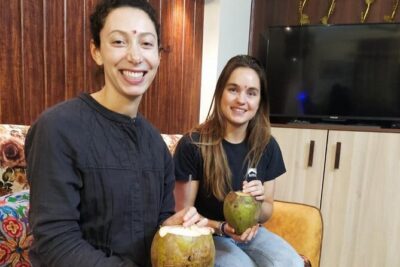
After lunch, the day doesn’t end with a door slam and a phone check. You’ll enjoy milk spiced tea, with time to chat with local people.
Tea like this is a small detail, but it’s a meaningful one. In India, tea often signals a pause in the day. It’s not just a drink; it’s a social bridge. You’ll likely leave feeling like you saw village life from a closer angle than you would with a quick sightseeing drive.
It’s also a great time to ask your guide practical questions about ingredients, daily schedules, or what you noticed during the walk. If your guide is as good as Rahul, you’ll come away with answers that feel personal, not rehearsed.
Price and Value: Is $79 a Fair Deal?
At $79, this trip can feel either like a bargain or like a miss—depending on what you expect the day to be.
Here’s what’s included: hotel pickup and drop-off, a private driver/guide, private air-conditioned transport, breakfast and lunch, village walk, cooking lesson, and light refreshments. Alcohol is not included (it’s available to purchase), so you’re mostly paying for the core cultural-food-cooking package.
If you tried to book the same day piecemeal—transport, guide, meals, and a cooking session—you’d likely spend more, even before you account for the village access and the earthen-stove lunch structure.
Where the value can slip is in expectation management. The “cooking class” label can make some people assume it’s strictly about cooking with no village component. But this is built as a combined experience. If you read that as “I’m paying for a village day with cooking as one focus,” it usually feels like good value.
Also note: the destination can be about 3 hours north of Delhi. That extra travel time is part of why the day includes village access and home cooking. If you wanted a city-only experience, this won’t match.
Logistics That Matter: What to Pack and What to Wear
This is smart casual: dress modestly and keep shoulders and legs reasonably covered. You don’t need formal wear. Comfortable clothes and sturdy shoes matter more than style.
For packing, think practical:
- Comfortable walking shoes for village paths
- A hat or sunglasses for the outdoor portions
- Water for between meals (tea is included, but you’ll still want extra water)
- Something light for sun and something warm if you’re sensitive to air-conditioned rides
Also, be ready for the ox-cart ride to be bumpy. If you expect comfort, you might get annoyed. If you treat it as a “this is how it works” moment, you’ll probably enjoy it.
Who This Tour Suits Best (And Who Should Skip It)
This works best for you if:
- You like food as a learning tool, not just a meal
- You want a small-group experience with real human context
- You’re curious about spice basics and home-style cooking
- You’d rather see rural daily life than only Delhi monuments
You might want to skip it if:
- You want a cooking class that’s mostly about technique, timing, and nothing else
- You hate early starts and long days
- You’re uncomfortable with the realities of village travel (dust, uneven ground, basic transport)
Should You Book This Cooking-Plus-Village Day Trip?
For me, the decision comes down to one question: do you want a food day with context, or a cooking day in a kitchen?
If you want the first one, this is a strong pick. The mix of dhaba breakfast, village exploration, ox-cart ride, and cooking on a real home timeline makes the day feel grounded. Add a guide like Rahul, and the explanations make the spices and meals click.
If you want the second one—pure cooking workshop vibes—read the description carefully and go in expecting a lesson inside a broader village-and-meals program. That mismatch is where disappointment tends to happen.
If your goal is to taste your way through everyday India—then yes, book it, show up early, and bring comfy shoes.
More Tour Reviews in New Delhi
- Old & New Delhi City Tour – Half or Full Day Options Available
★ 5.0 · 4,811 reviews - Half Day Private Delhi City Tour
★ 5.0 · 4,474 reviews - Same Day Taj Mahal, Agra Fort & Baby Taj Tour from Delhi by Car
★ 5.0 · 4,304 reviews - Taj Mahal Day Tour from Delhi by Superfast Train – TOP RATED TOUR
★ 5.0 · 4,166 reviews - Delhi: Old and New Delhi Private Full or Half-Day Tour
★ 4.9 · 3,776 reviews
Back in the Kitchen: Delhi Cooking
- Five Course Cooking Class & Meal
★ 5.0 · 250 reviews - AI Tour – Cook, Talk, Dine & more with locals at their Delhi Home
★ 5.0 · 238 reviews - Veg and Non veg : Private Cooking Class in Delhi home (7 meal)
★ 5.0 · 226 reviews - Indian Cooking Class in an Authentic Local Home – Learn 6 Dishes
★ 5.0 · 195 reviews - Delhi: AI Cooking Class and Much More in a Local Family Home
★ 5.0 · 85 reviews
Still Hungry in Old Delhi
- The Great Indian Food Tour: Old Delhi Food and Heritage Walk
★ 5.0 · 1,698 reviews - Old Delhi Food, Heritage&Cultural Walk with Rickshaw ride to Masterji Kee Haveli
★ 5.0 · 742 reviews - Old Delhi Street Food Tour
★ 5.0 · 497 reviews - Breakfast Walk in Old Delhi
★ 5.0 · 449 reviews - Delhi: Old Delhi Street Food Tour with Rickshaw Ride
★ 4.9 · 403 reviews
Just added: more New Delhi reviews to browse
- 4 days Golden Triangle Tour★ 5.0 · 3 reviews
- Discover Old & New Delhi: Private Tour with Street Food★ 5.0 · 3 reviews
- Taj Mahal Tour From Delhi By Private Car★ 4.5 · 3 reviews
- Golden Triangle Tour 5 Days★ 5.0 · 3 reviews
- Taj Mahal: Express Entry Ticket For Sunset Tour with guide★ 5.0 · 3 reviews
- Agra Taj Mahal Sunrise & Sunset Tour from Delhi★ 5.0 · 3 reviews
Old Delhi Food Tours, compared.
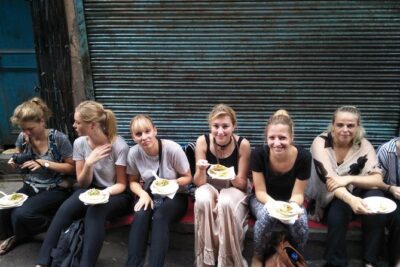 ★ 5.0The Great Indian Food Tour: Old Delhi Food and Heritage WalkFrom $431,698 reviews
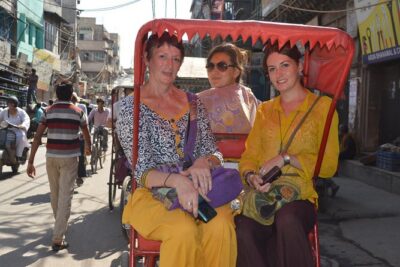 ★ 5.0Old Delhi Food, Heritage&Cultural Walk with Rickshaw ride to Masterji Kee HaveliFrom $52742 reviews
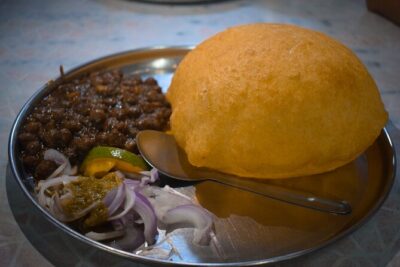 ★ 5.0Old Delhi Street Food TourFrom $40497 reviews
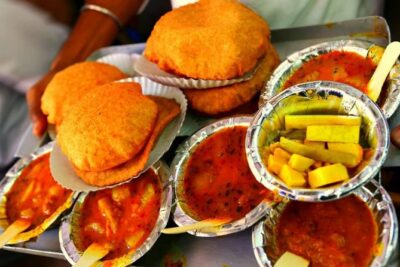 ★ 5.0Breakfast Walk in Old DelhiFrom $80449 reviews
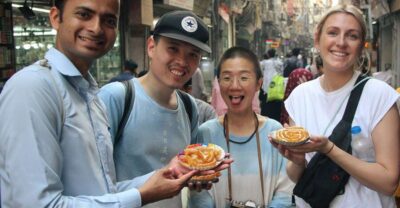 ★ 4.9Old Delhi Street Food Tour with Rickshaw RideFrom $43403 reviews
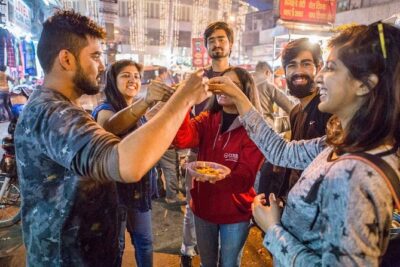 ★ 5.0Delhi Food Walk: Rickshaw Ride, Street Eats & Market TourFrom $40401 reviews
 ★ 5.0Old Delhi Street Food Tour – Explore Spices in Chandni ChowkFrom $34334 reviews
 ★ 5.0Old Delhi Food Tour: A Night Time FeastFrom $38326 reviews
Browse the lists this tour appears in