
Reviewed · DELHI COOKING CLASSES
Kailash Colony Market Tour & Amritsari Cooking Class in New Delhi
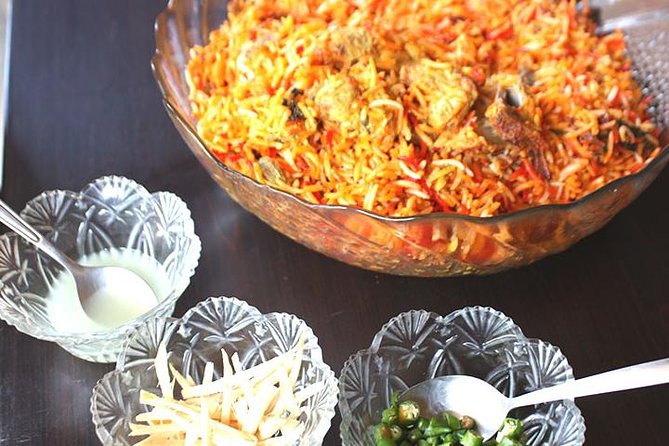
A kitchen class in a real Delhi home. I love the Kailash Colony Market walk for picking seasonal produce, and I also like the home-table feel of cooking with Shivani in a true Delhi bungalow. One drawback to plan for: there is no hotel pickup, so you’ll need to get yourself to the start point in Greater Kailash.
What makes this experience especially fun is the balance. You shop, you learn, and you actually eat what you made, together with your hostess. The lesson focuses on Amritsar/Punjabi-style dishes, so you’re not just learning Indian cooking in theory; you’re learning a specific regional approach.
You’ll have lunch or dinner options, beverages are included (local beer too), and it’s designed for a small group in a private setting. If you’re vegetarian, there’s an option, but do flag dietary needs when you book.
In This Review
- Key highlights worth your attention
- Kailash Colony Market to a real Delhi home
- Starting at Chirag Enclave: finding the place that makes it feel local
- Shivani’s welcome: home hospitality before you cook
- Kailash Colony Market walk: what you’re really learning
- The cooking lesson: 1 hour in the kitchen, 2–3 dishes you can repeat
- Amritsar-style dishes and the skills behind them
- Eating together: local beer, real conversation, and a full meal arc
- Price and value: is $148 a fair deal?
- Who should book this Amritsari cooking class in New Delhi?
- Should you book this Kailash Colony Market & Amritsari cooking class?
- FAQ
- Is this class lunch or dinner?
- How long is the experience?
- What will I cook?
- What food and drinks are included?
- Is a vegetarian option available?
- Do I get hotel pickup and drop-off?
- Can I cancel for a full refund?
Key highlights worth your attention
- Kailash Colony market walk focused on seasonal produce and spices you can use again at home
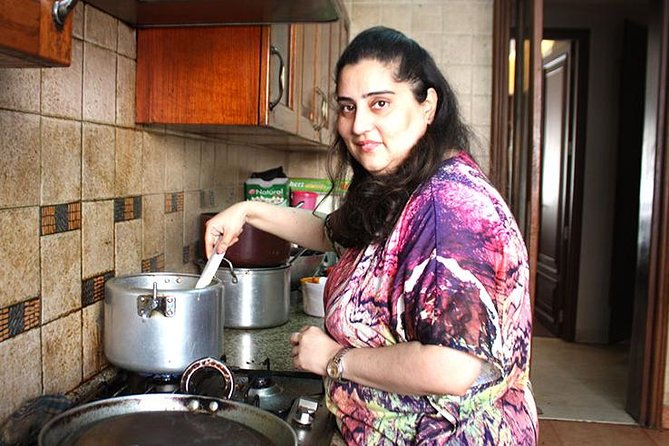
- Shivani’s home setting feels intimate and personal, not like a classroom
- Hands-on cooking of 2–3 dishes, including Amritsar/Punjabi favorites
- Dal makhni-style practice with slow-cooked whole black lentils, plus kidney beans, butter, and cream
- Food and drinks included, including local beer
- You eat together right after cooking, while you talk with your host
Kailash Colony Market to a real Delhi home
This is one of those Delhi food experiences that feels grounded, not staged. The whole arc—from market to kitchen to dining table—makes it easier to understand how ingredients become dinner in North India.
You start in Chirag Enclave, Greater Kailash. From there, Shivani takes you into the Kailash Colony Market area, where you’ll learn what’s in season and what people actually buy. You may also pick up a few ingredients to take back with you. It’s a small step, but it helps a lot: when you get home and cook, you’re not guessing where your spices or produce came from. You have a reference point.
Then you move into Shivani’s bungalow. If it’s winter, there’s an added detail to look forward to: they use the small outdoor seating area to barbeque meats and paneer (fresh cheese). Even if you’re not there in winter, the home atmosphere matters. You’re not watching through a glass window. You’re right there, helping and learning.
The biggest value is that this isn’t just a recipe download. It’s a guided walkthrough of how an Amritsar-leaning menu fits together—flavors, textures, and cooking pace.
More kitchens to get your hands into



Starting at Chirag Enclave: finding the place that makes it feel local

This class runs about 3 hours 30 minutes. That time is tight enough to stay efficient, but long enough for a real market walk and a full cooking-and-eating flow.
The meeting point is in Chirag Enclave, Greater Kailash (New Delhi). Your tour starts there and returns there at the end. There’s no hotel pickup or drop-off, which is why I’d treat this like a meet-and-go experience. If you like the independence of navigating locally, it’s no big deal. If you prefer door-to-door transport, you’ll need to plan your route ahead.
The upside of starting at a neighborhood meeting point: you’re closer to how Delhi life actually feels. You’re not being shuttled from a tourist bubble into another tourist bubble. You’re heading from one real pocket of the city into a real home.
Also, the location is noted as near public transportation. So even if you’re not carrying the whole day on a private car, you can still make it work.
Shivani’s welcome: home hospitality before you cook
Before the market, you get a welcome drink. This sets the tone quickly. Shivani welcomes you into her home and brings you into the rhythm of the evening.
This is a home experience, not a studio experience. That means the pace feels personal. You’ll likely spend time talking and asking questions, and you’ll get practical context for what you’re about to cook. In one review, a solo traveler highlighted how well looked after they felt, and how generous the hosts were with their time. That matches the vibe here: you’re not rushing through a checklist.
Beverages are included, including local beer. It’s a nice touch because it turns the night into an actual shared meal, not just a cooking demonstration with a snack at the end.
If you have dietary needs, this is also where you want to be clear. Vegetarian options are available, but you should advise the team at booking so the cooking plan fits you.
Kailash Colony Market walk: what you’re really learning
The market portion is the skill-builder. You’re not just collecting ingredients; you’re learning how to choose them.
Shivani will guide you through what’s available in season. That matters because North Indian cooking can be ingredient-specific. When the ingredient is fresh and right for the time of year, the flavor feels warmer and more rounded. You’ll also learn about the different types of seasonal produce available in the Kailash Colony area.
You may pick up a few ingredients before heading back to the kitchen. If you do, try to buy items that match what you’ll cook later. It sounds obvious, but it’s the difference between coming home with a spice bag and coming home with a plan. For your shopping list, think:
- spices that were explained during the walk
- pantry staples you’ll use often
- any fresh produce needed for the dishes you’ll cook
One review also mentioned buying spices to bring home, and feeling more confident cooking Indian food later. That tracks with what this market walk is designed to do: give you just enough knowledge to reproduce the flavor, not just the meal.
A good tip: don’t try to buy everything. Buy what you can reasonably use before it loses freshness. You’re building a cooking habit, not collecting souvenirs.
The cooking lesson: 1 hour in the kitchen, 2–3 dishes you can repeat
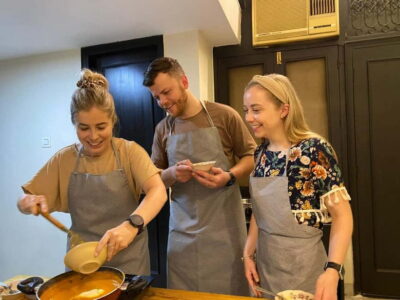
Back at the home kitchen, Shivani teaches you how to make 2–3 dishes. Expect about 1 hour of hands-on cooking before you share the meal together.
The dish list can include dal makhni, which is described as a slow-cooked dish using whole black lentils, kidney beans, butter, and cream. Even if you’ve never cooked it before, that description alone tells you the cooking style: gentle simmering, slow development, and the kind of richness that comes from patience.
You may also cook:
- a paneer-based dish (fresh Indian cheese)
- rotis (flatbreads)
This is where the experience gets practical. Recipes in books can feel intimidating because they list steps without teaching you what to watch for. A hands-on class flips that. You get real-time feedback on dough feel for rotis, and you learn how the dal’s texture should evolve as it cooks.
You’re also learning from an Amritsar connection. Shivani is from Amritsar, the Punjabi city that anchors the food style here. That regional angle is helpful because North Indian cuisine is not one single thing. Amritsar/Punjabi food leans into certain combinations and cooking methods, and you’ll taste the differences in how the meal comes together.
If you’re a home cook, this is the sweet spot. It’s not so advanced that you need professional gear. It’s not so basic that you already know everything. It’s meant for enthusiastic beginners through intermediate cooks who want a confidence boost.
More bazaars and boutiques to work through


Amritsar-style dishes and the skills behind them
A lot of cooking classes stop at the dish. This one is better because it teaches you the structure.
Here’s what you’re likely to take away:
Dal makhni technique:
Whole black lentils and kidney beans usually require attention to simmer time and texture. You’re learning how richness is built, not just how it’s assembled. The butter and cream show up as part of that transformation, not as a quick shortcut.
Paneer handling:
Paneer dishes can go from perfect to rubbery if you mishandle timing. A class setting helps you understand how long paneer needs and how it should feel in the dish. Plus, it’s a flexible ingredient for home cooking, so you can re-use what you learn for other meals.
Roti basics:
Rotis are deceptively simple. You want the dough consistency right, and you want the cook time balanced so they stay soft. When you learn it alongside a real person who cooks this way often, you stop thinking of roti as luck. You start thinking of it as repeatable technique.
One helpful detail from the broader experience vibe: hosts are happy to answer questions about Indian cultures, markets, and foods. In one account, a cheerful host named Farheen was repeatedly willing to explain everything, which is the kind of support that turns a lesson into a conversation. If you’re the type who asks lots of questions—good. This class gives you room to do that.
Eating together: local beer, real conversation, and a full meal arc
After you cook for about an hour, you share the meal you helped prepare. This is when the class becomes a dinner, not a project.
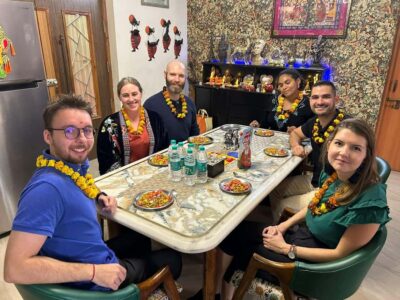
Because it’s a private, intimate experience in a real Delhi home, the table talk feels natural. You’ll likely be eating with your group, while Shivani explains more about the dishes and the food culture behind them. It’s the kind of context that makes your cooking feel less random later.
Beverages are included, including local beer. If you enjoy pairing a cold drink with spicy North Indian food, it fits nicely. If you don’t drink alcohol, you’ll still get the welcome and beverage support listed as included.
The lunch or dinner option is another practical advantage. If you’re in Delhi and want to pace your day, dinner-time can feel like a great anchor. Lunch can work if you want an earlier food memory before the evening plans pile up.
Price and value: is $148 a fair deal?
At $148 per person, this isn’t a budget cooking class. So here’s the value math I’d use.
You’re paying for four things at once:
- a private market tour and cooking class with your host
- food and beverages included, including local beer
- a home setting (not a commercial kitchen)
- hands-on instruction for 2–3 dishes, followed by you eating as part of the evening
That combination matters. Many cooking classes either give you the meal but not the market, or they give you market shopping but not real instruction, or they teach but don’t feed you like a normal dinner. This one blends the pieces into a single, time-efficient experience.
Also, group discounts are mentioned. If you’re traveling with a friend or family unit, your per-person value may feel better. And a mobile ticket is included, which reduces friction on the day.
Where I think the cost makes less sense is if you only want a quick recipe. If your goal is maximum food for minimum spending, there are cheaper ways to eat. But if you want skill, context, and a meal you can reproduce, this leans toward a smarter spend.
Who should book this Amritsari cooking class in New Delhi?
This tour fits best if you check a few boxes:
- You love hands-on cooking and want to learn something you can repeat at home.
- You’re a foodie who likes North Indian and Punjabi flavor styles.
- You enjoy market walking and ingredient education, not just cooking steps.
- You want a real home visit with a warm hostess, not a crowd-managed food show.
It’s also well-suited for solo travelers. One review praised how the solo experience felt supported and cared for, which is exactly what you want when you’re walking into someone’s home space as the only single person in the group.
If you’re vegetarian, you should book with that in mind. A vegetarian option is available, but you need to advise at booking.
What might not fit as well: if you strongly dislike walking through local markets, or if you don’t want to handle getting to Chirag Enclave on your own. The tour includes no pickup, so build that into your plan.
Should you book this Kailash Colony Market & Amritsari cooking class?
I’d book it if you want more than dinner. This is for people who enjoy learning where flavor comes from—spices, seasonal produce, and the slow rhythm of dishes like dal makhni.
Skip it if you need hotel pickup and ultra-low effort. The logistics are simple, but you do start at Chirag Enclave and you end back there.
If you’re the right match, you’ll leave with two things that actually matter: confidence in cooking a few North Indian dishes and a clearer sense of how Amritsar/Punjabi food shows up on a real Delhi table.
FAQ
Is this class lunch or dinner?
Lunch or dinner-time options are available, so you can choose based on your schedule.
How long is the experience?
It runs about 3 hours 30 minutes.
What will I cook?
You’ll learn to cook 2–3 dishes with your host. The class may include dal makhni, paneer dishes, and rotis.
What food and drinks are included?
Food is included, and beverages are included, including local beer.
Is a vegetarian option available?
Yes. You should advise at booking if you’d like a vegetarian option or if you have dietary requirements.
Do I get hotel pickup and drop-off?
No. Hotel pickup and drop-off are not included, and the tour ends back at the meeting point.
Can I cancel for a full refund?
Yes. You can cancel up to 24 hours in advance for a full refund.
More Tours in New Delhi
- Old & New Delhi City Tour – Half or Full Day Options Available
★ 5.0 · 4,811 reviews - Half Day Private Delhi City Tour
★ 5.0 · 4,474 reviews - Same Day Taj Mahal, Agra Fort & Baby Taj Tour from Delhi by Car
★ 5.0 · 4,304 reviews - Taj Mahal Day Tour from Delhi by Superfast Train – TOP RATED TOUR
★ 5.0 · 4,166 reviews - Delhi: Old and New Delhi Private Full or Half-Day Tour
★ 4.9 · 3,776 reviews
More Tour Reviews in New Delhi
- Old & New Delhi City Tour – Half or Full Day Options Available
★ 5.0 · 4,811 reviews - Half Day Private Delhi City Tour
★ 5.0 · 4,474 reviews - Same Day Taj Mahal, Agra Fort & Baby Taj Tour from Delhi by Car
★ 5.0 · 4,304 reviews - Taj Mahal Day Tour from Delhi by Superfast Train – TOP RATED TOUR
★ 5.0 · 4,166 reviews - Delhi: Old and New Delhi Private Full or Half-Day Tour
★ 4.9 · 3,776 reviews
Back in the Kitchen: Delhi Cooking
- Five Course Cooking Class & Meal
★ 5.0 · 250 reviews - AI Tour – Cook, Talk, Dine & more with locals at their Delhi Home
★ 5.0 · 238 reviews - Veg and Non veg : Private Cooking Class in Delhi home (7 meal)
★ 5.0 · 226 reviews - Indian Cooking Class in an Authentic Local Home – Learn 6 Dishes
★ 5.0 · 195 reviews - Delhi: AI Cooking Class and Much More in a Local Family Home
★ 5.0 · 85 reviews
Just added: more New Delhi reviews to browse
- 4 days Golden Triangle Tour★ 5.0 · 3 reviews
- Discover Old & New Delhi: Private Tour with Street Food★ 5.0 · 3 reviews
- Taj Mahal Tour From Delhi By Private Car★ 4.5 · 3 reviews
- Golden Triangle Tour 5 Days★ 5.0 · 3 reviews
- Taj Mahal: Express Entry Ticket For Sunset Tour with guide★ 5.0 · 3 reviews
- Agra Taj Mahal Sunrise & Sunset Tour from Delhi★ 5.0 · 3 reviews
Delhi Cooking Classes, compared.
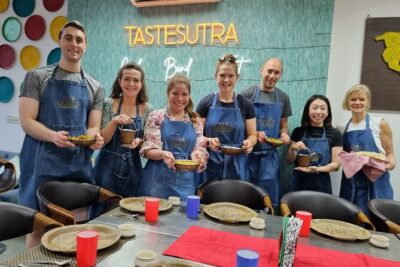 ★ 5.0Five Course Cooking Class & MealFrom $60250 reviews
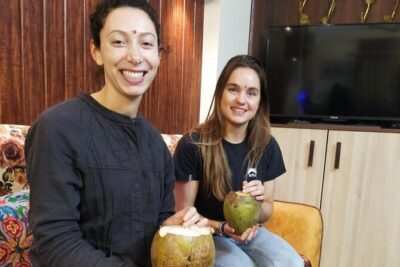 ★ 5.0AI Tour – Cook, Talk, Dine & more with locals at their Delhi HomeFrom $44238 reviews
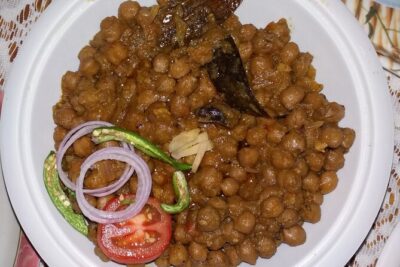 ★ 5.0Veg and Non veg : Private Cooking Class in Delhi home (7 meal)From $47226 reviews
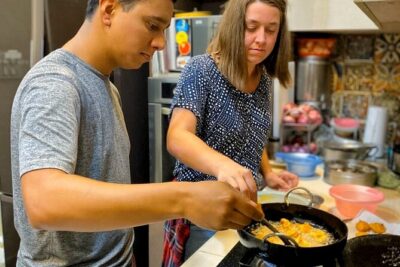 ★ 5.0Indian Cooking Class in an Authentic Local Home – Learn 6 DishesFrom $50195 reviews
 ★ 5.0AI Cooking Class and Much More in a Local Family HomeFrom $4085 reviews
 ★ 5.0Indian Cooking Class in a Local HomeFrom $4765 reviews
 ★ 5.0Spice Knight (Cooking Class -> Meal -> Local Market walk)From $8559 reviews
 ★ 5.0Vegetarian : Private Cooking Class in Delhi home ( Learn 7 meal)From $4758 reviews
Browse the lists this tour appears in