
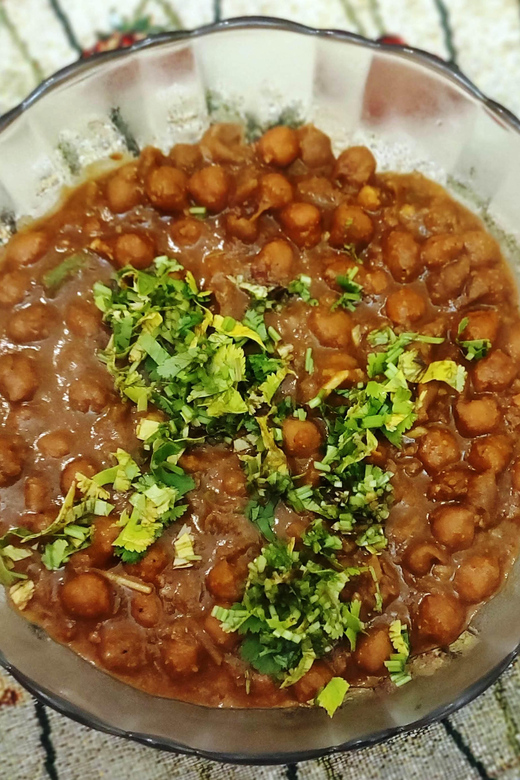
Reviewed · DELHI COOKING CLASSES
New Delhi: Traditional Indian Cooking Class & Market Visit
A home kitchen, a real market, and you cook. This Delhi experience pairs a short local market trip with hands-on Indian cooking in Lubna’s home, plus a chai welcome that puts you at ease fast. You’re not just eating. You’re learning how the flavors are built.
I like that Lubna teaches in a way that actually helps you cook later: you practice spice technique, bread work, and recipe timing, then sit down to eat what you made with her family at the dining table. I also like how flexible the class can be for real dietary limits, since Lubna has adapted menus for people who couldn’t have wheat, dairy, or citrus by using oats as a main ingredient. The main catch is practical: there’s no hotel pickup, and you’ll need to choose between the 11 am and 4 pm starts because the market piece doesn’t pair with the breakfast-style option.
In This Review
- Key things I’d put on your radar
- Entering Lubna’s Delhi Home: 1974 Haveli, Chai, and a Real Welcome
- Finding the Meeting Point Near Ashram Metro (Without Stress)
- The Market Visit: Spices, Produce, and Local Delhi at Work
- Chai, Kitchen Rhythm, and Learning Spices That Shape Flavor
- Your Menu in Action: Rogan Josh, Kebabs, Snacks, and More
- Bread and Rice: Why They Matter (And How You’ll Repeat It at Home)
- Dietary Requests: Lubna’s Flexibility Is Not Just Marketing
- Breakfast Option vs Market Visit: One Choice Changes the Day
- Eating at the Family Table: Comfortable, Social, and Actually Part of the Lesson
- Price and Value: Is $43 Fair for 3 Hours of Real Skill?
- Who This Cooking Class Suits Best (And Who Should Rethink It)
- Practical Tips to Get More Out of Your Session
- Should You Book Lubna’s Market and Cooking Class?
- FAQ
- How long is the cooking class with the market visit?
- What start times are available?
- Is the class taught in English?
- Does the experience include a market visit?
- Can I do the market visit if I choose breakfast-making?
- What kinds of dishes might I cook?
- What’s included in the price?
- What is not included?
- Where is the meeting point?
- Can I request dietary preferences?
Key things I’d put on your radar
- Market visit near Ashram metro: easy to reach, local ingredients, and sometimes street snacks if the shop is open
- Real-home setting in a 1974 haveli: relaxed, plant-friendly, and a glimpse into everyday Delhi life
- Spice-led cooking lessons: you’ll learn how spices change aroma and flavor, not just which spices to use
- You help build the meal: you prepare multiple dishes, plus 3 bread types and a rice dish
- Diet tailoring via WhatsApp: Lubna can adjust menus based on vegetarian or other restrictions
- Family-table dining: you eat together, and Lubna’s husband (Sheikh) may join the conversation
Entering Lubna’s Delhi Home: 1974 Haveli, Chai, and a Real Welcome
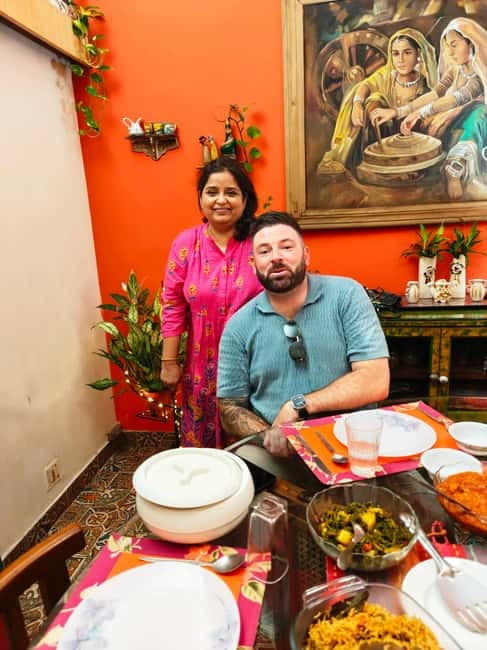
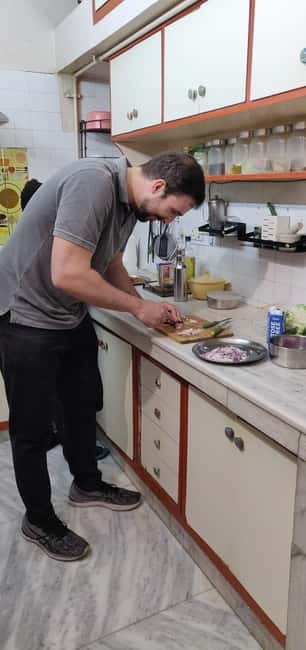
This class feels less like a “show” and more like getting invited into someone’s kitchen routine. You’ll meet Lubna in a traditional haveli-style home built in 1974, with greenery around the house and a calm neighborhood feel that’s a nice break from Delhi’s traffic energy.
The first thing you notice is how the host sets a tone. After you arrive, you’ll get a steaming cup of chai (tea) and time to settle in. That small moment matters because it turns the class into a conversation, not a lecture. Then you get to work with ingredients that are clearly chosen for the meal you’ll cook.
More kitchens to get your hands into



Finding the Meeting Point Near Ashram Metro (Without Stress)
You’re responsible for getting to the home yourself—no pickup included. That sounds daunting until you have the exact direction.
Use Maps and search for Delhi Bed and Breakfast, with the address shown as A-6 Friends Colony East, New Delhi 110065. The home is behind the HP petrol pump and about a 3-minute walk from Ashram metro station (Gate No. 3). Look for a house with a red slanting roof and white walls, on a quiet dead-end street.
If you want this to go smoothly: give yourself extra time for metro navigation and a quick walk, especially the first time you’re in that part of Delhi.
The Market Visit: Spices, Produce, and Local Delhi at Work
After booking, you’ll start with a personalized trip to a local market about a 10-minute ride away from typical tourist areas. The point isn’t shopping like a hobby. It’s seeing how people actually buy what they cook with—fresh produce, spices, and colorful staples that make Indian meals taste like Indian meals.
In some cases, you might roll through the neighborhood by tuk tuk. Either way, the market walk is where you start understanding the logic behind the menu. Lubna can point out ingredients you’ll later use in the kitchen, and she’ll explain what makes a spice blend suit a dish.
There’s also an extra layer of fun if a shop is open: you may be able to try street food during the market stop. One class example included Diwali shoppers adding energy to the stalls, which gives you a snapshot of Delhi during a real busy moment—not a staged one.
Chai, Kitchen Rhythm, and Learning Spices That Shape Flavor
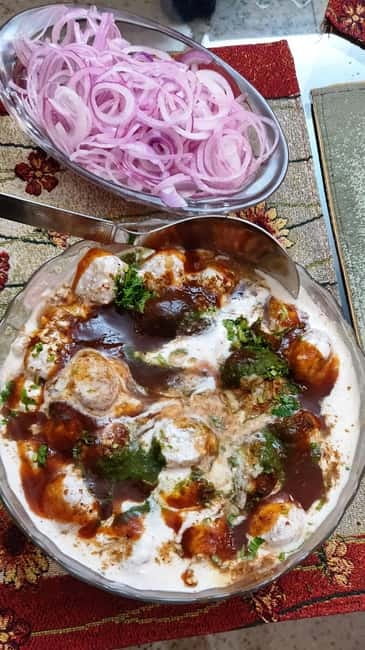
Back at the home, the class turns hands-on quickly. Chai comes first, then you begin cooking with Lubna guiding you step by step in English. The menu is traditional and can cover everything from appetizers to desserts, but the included meal is the core: you’ll make multiple dishes and eat what you prepare.
The centerpiece of the teaching is spices—how they shape aroma and flavor. Instead of just handing you a list, Lubna explains how subtle technique affects the outcome. That’s why this class is useful even if you already cook Indian food at home. You’re not only collecting recipes. You’re learning the mechanics.
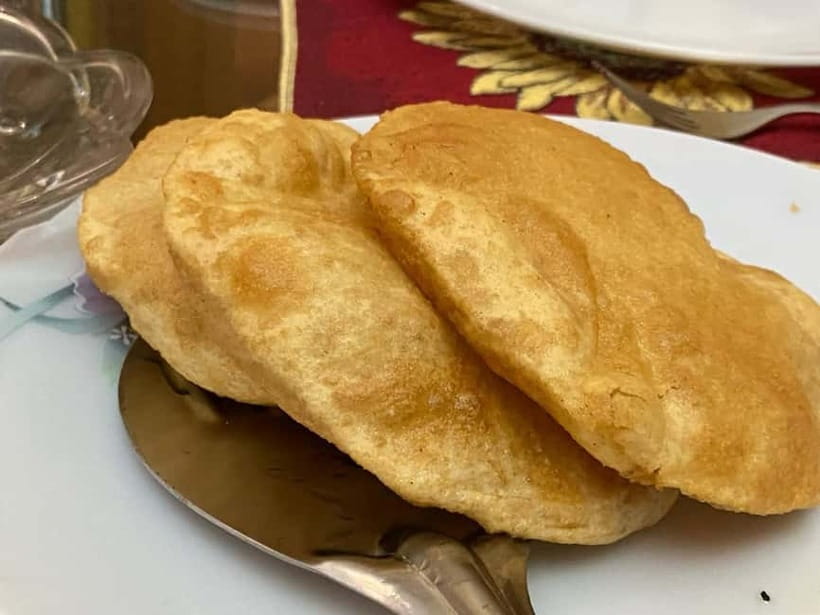
You’ll also learn bread-making basics as part of the overall class structure. The experience includes 3 bread types, and reviews point out that the bread guidance can include practical technique you can repeat later.
Your Menu in Action: Rogan Josh, Kebabs, Snacks, and More
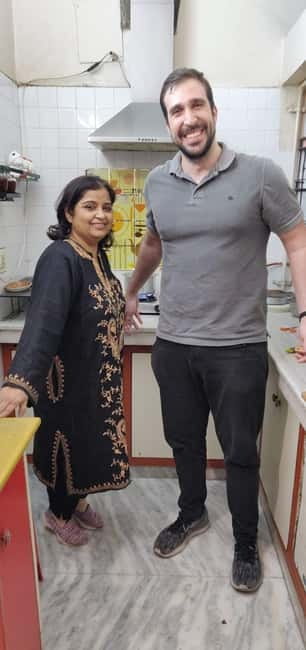
One of the best parts is choice. Lubna asks what you want to cook and can tailor the menu to your preferences. The class is designed for you to prepare your favorite Indian main dishes, with guidance on how the dishes fit together.
Suggested options include dishes like Rogan Josh and kebabs (both vegetarian and chicken variations). The session can also include breakfast ideas and snack items such as bread pakora and samosas. During meals you may also see dishes like aloo chaat and lentil-based components showing up in the kitchen flow, depending on what you agree on in advance.
Here’s how to think about it: Indian meals aren’t usually one dish. They’re a combination—something saucy, something hearty, something crisp or fried, and often breads and rice. This class mirrors that reality, so when you try to recreate the meal at home, it feels complete rather than random.
More bazaars and boutiques to work through


Bread and Rice: Why They Matter (And How You’ll Repeat It at Home)

This isn’t just “make one curry.” The experience includes 3 bread types and 1 rice dish. That structure is a big value point because it teaches you the stuff that most people struggle to recreate: texture.
Indian breads and rice aren’t interchangeable. You’ll work on bread at a learning pace that lets you actually participate, not just watch. And you’ll see how the rice dish supports the rest of the meal—either balancing spice intensity or bringing comfort to the plate.
Even if you’re not a confident cook, the “you do it” format helps you memorize steps the practical way: mix, shape, cook, and adjust.
Dietary Requests: Lubna’s Flexibility Is Not Just Marketing
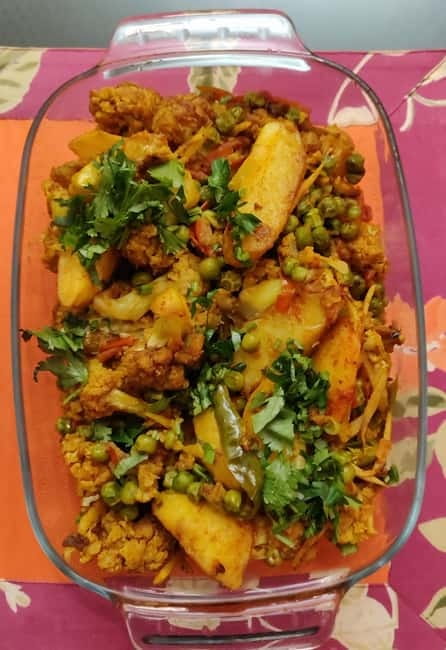
This is one of the strongest reasons to book. Lubna adapts recipes based on the requirements you share in advance—vegetarian preferences and other restrictions included. After booking, you’re encouraged to message her on WhatsApp to discuss your culinary interests and tailor the experience.
A standout example from a prior guest: someone couldn’t consume wheat, dairy, or citrus. Lubna created dishes using oats as the main ingredient, and the guest ended up writing down the recipes to take home. That tells you the class mindset is problem-solving, not rigid “one menu fits all.”
If you have dietary needs, don’t be shy. You’ll get a better experience when you communicate early.
Breakfast Option vs Market Visit: One Choice Changes the Day
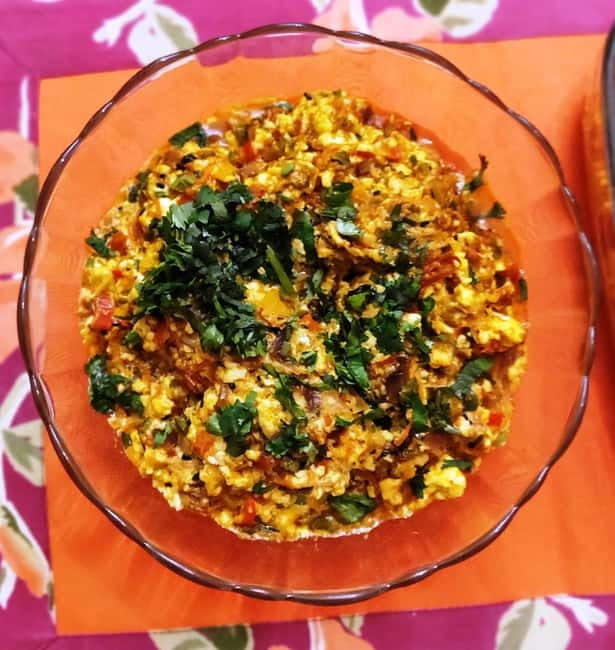
Lubna’s cooking classes start either at 11 am or 4 pm. You’ll pick which one you want before you go.
There’s also a breakfast-making option. Important detail: the market visit is not possible with the breakfast option. If you want breakfast-style cooking, you can book the 11 am tour and message Lubna to check if it can be converted to breakfast or if you’d rather focus on snack items only.
So your decision is simple:
- Want market learning and a full market-to-kitchen day? Choose the standard class schedule.
- Want breakfast cooking instead? You’ll likely trade off the market portion.
Eating at the Family Table: Comfortable, Social, and Actually Part of the Lesson
After cooking, you gather around the family dining table and eat your creations. Lubna’s family may join, and Sheikh (her husband) has been mentioned in past classes as a welcoming presence during the meal.
This part matters because it shows you how the dishes work together on a plate. It also gives you room to ask questions while the food is fresh and you’re still thinking about technique. The vibe is relaxed and friendly, not stiff.
Price and Value: Is $43 Fair for 3 Hours of Real Skill?
At $43 per person for a 3-hour class, the value is strongest in three places: ingredients, coaching, and follow-through.
- Ingredients are included and you’re cooking several dishes, not one tiny plate.
- Coaching is hands-on with spice instruction and bread/rice work, which are the hardest skills to learn from a video.
- You leave with recipes for different dishes, which helps you actually recreate the menu later.
No hotel pickup is the main cost you’ll need to plan around. You’ll also have out-of-pocket expenses that might include shopping stops, metro fares, ride-hailing, or extra snacks. If you budget for your own transport and you show up ready to cook, the $43 feels like a fair trade for learning you can use at home.
Who This Cooking Class Suits Best (And Who Should Rethink It)
This class is a great fit if you:
- want authentic Indian cooking in a real home setting
- enjoy learning spice technique and bread/rice basics
- like market experiences that are practical (ingredients, not just photos)
- need menu tailoring for vegetarian preferences or other restrictions
You might rethink it if:
- you’re unwilling to travel to a private home meeting point
- you want a large, organized group tour experience with lots of sightseeing stops
- you only care about one single dish and don’t want the full meal format
The private group setup helps keep things calm and personal.
Practical Tips to Get More Out of Your Session
A few habits make a big difference:
- Message Lubna on WhatsApp early with what you want to cook and any dietary restrictions. The tailoring approach is part of the value.
- Tell her your comfort level. If you’re a beginner, ask for pacing. If you’re experienced, ask specifically about techniques and spice mixing.
- When you’re in the market, ask what’s best to buy and what you can skip. The point is learning what matters, not collecting everything.
Also, since the class starts either at 11 am or 4 pm, choose the time that matches your Delhi energy. Delhi can be intense. A calmer start can improve your cooking focus.
Should You Book Lubna’s Market and Cooking Class?
Yes, if you want a genuine Delhi food experience that teaches more than it entertains. The market stop plus hands-on cooking plus a shared meal hits the sweet spot for learning Indian cooking in a way you can repeat.
Book it especially if you care about spices, bread technique, and adapting dishes to your dietary needs. The lack of pickup is manageable if you’re comfortable using metro and walking a few minutes.
If you want my straight answer: this is one of those rare cooking classes that feels practical, personal, and worth the time—particularly for people who plan to cook Indian food again after the trip.
FAQ
How long is the cooking class with the market visit?
The total duration is 3 hours.
What start times are available?
The class starts at either 11 am or 4 pm.
Is the class taught in English?
Yes, the instructor speaks English.
Does the experience include a market visit?
Yes. You’ll do a local market trip before cooking.
Can I do the market visit if I choose breakfast-making?
No. The market visit is not possible with the breakfast-making option. If you book the 11 am tour, you can message Lubna to ask about converting it to breakfast or focusing on snack items.
What kinds of dishes might I cook?
Suggested options include Rogan Josh and kebabs (veg and chicken), plus snack items like bread pakora and samosas. The exact menu can be tailored based on what you want.
What’s included in the price?
Included are the hostess, all ingredients, 3 main dishes, 3 bread types, 1 rice dish, and you eat the meal you prepare, plus tea/water.
What is not included?
Hotel pickup and drop-off are not included, and you may have out-of-pocket costs like metro fares, ride-hailing, additional snacks, and any shopping you choose to do.
Where is the meeting point?
Use Maps for Delhi Bed and Breakfast with the address A-6 Friends Colony East, New Delhi 110065. The home is behind the HP petrol pump and about a 3-minute walk from Ashram metro station Gate No. 3. Look for a house with a red slanting roof and white walls on a quiet dead-end street.
Can I request dietary preferences?
Yes. After booking, Lubna encourages you to message her on WhatsApp with your requirements (like vegetarian preferences or other dietary needs), and she can tailor the menu.
More New Delhi Shopping Runs
- Delhi Food Walk: Rickshaw Ride, Street Eats & Market Tour
★ 5.0 · 401 reviews - Old Delhi Food-Spice Market-Temples Tour Soon Featured on NETFLIX
★ 5.0 · 304 reviews - Old Delhi Odyssey: A Tour of Religion, Spice Market, & Best Food
★ 5.0 · 284 reviews - Customized Half Day or Full Day Delhi Shopping Tour with Female Consultant
★ 5.0 · 273 reviews - Private Customized Delhi Shopping Tour with Female Consultant
★ 5.0 · 160 reviews
More Tour Reviews in New Delhi
- Old & New Delhi City Tour – Half or Full Day Options Available
★ 5.0 · 4,811 reviews - Half Day Private Delhi City Tour
★ 5.0 · 4,474 reviews - Same Day Taj Mahal, Agra Fort & Baby Taj Tour from Delhi by Car
★ 5.0 · 4,304 reviews - Taj Mahal Day Tour from Delhi by Superfast Train – TOP RATED TOUR
★ 5.0 · 4,166 reviews - Delhi: Old and New Delhi Private Full or Half-Day Tour
★ 4.9 · 3,776 reviews
Back in the Kitchen: Delhi Cooking
- Five Course Cooking Class & Meal
★ 5.0 · 250 reviews - AI Tour – Cook, Talk, Dine & more with locals at their Delhi Home
★ 5.0 · 238 reviews - Veg and Non veg : Private Cooking Class in Delhi home (7 meal)
★ 5.0 · 226 reviews - Indian Cooking Class in an Authentic Local Home – Learn 6 Dishes
★ 5.0 · 195 reviews - Delhi: AI Cooking Class and Much More in a Local Family Home
★ 5.0 · 85 reviews
Just added: more New Delhi reviews to browse
- 4 days Golden Triangle Tour★ 5.0 · 3 reviews
- Discover Old & New Delhi: Private Tour with Street Food★ 5.0 · 3 reviews
- Taj Mahal Tour From Delhi By Private Car★ 4.5 · 3 reviews
- Golden Triangle Tour 5 Days★ 5.0 · 3 reviews
- Taj Mahal: Express Entry Ticket For Sunset Tour with guide★ 5.0 · 3 reviews
- Agra Taj Mahal Sunrise & Sunset Tour from Delhi★ 5.0 · 3 reviews
Delhi Cooking Classes, compared.
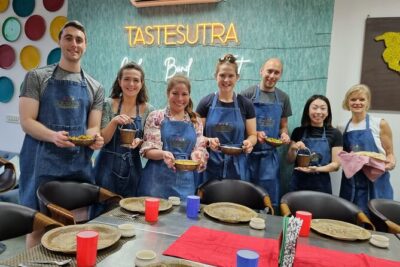 ★ 5.0Five Course Cooking Class & MealFrom $60250 reviews
 ★ 5.0AI Tour – Cook, Talk, Dine & more with locals at their Delhi HomeFrom $44238 reviews
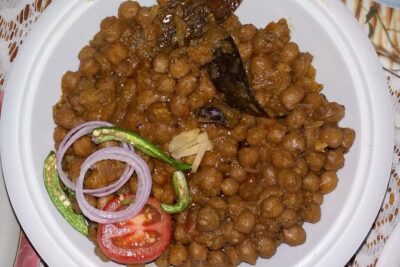 ★ 5.0Veg and Non veg : Private Cooking Class in Delhi home (7 meal)From $47226 reviews
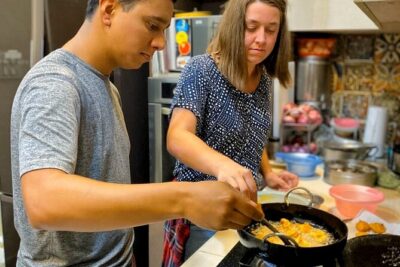 ★ 5.0Indian Cooking Class in an Authentic Local Home – Learn 6 DishesFrom $50195 reviews
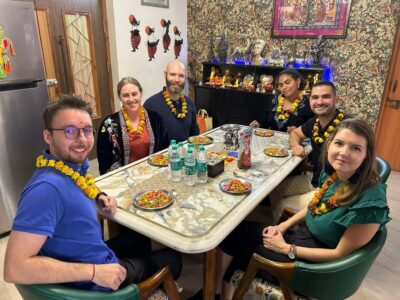 ★ 5.0AI Cooking Class and Much More in a Local Family HomeFrom $4085 reviews
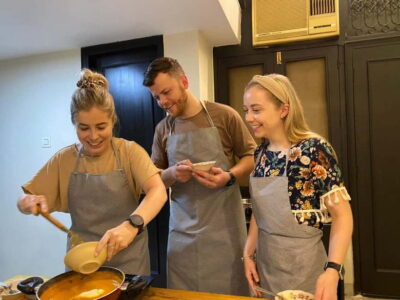 ★ 5.0Indian Cooking Class in a Local HomeFrom $4765 reviews
 ★ 5.0Spice Knight (Cooking Class -> Meal -> Local Market walk)From $8559 reviews
 ★ 5.0Vegetarian : Private Cooking Class in Delhi home ( Learn 7 meal)From $4758 reviews
Browse the lists this tour appears in