

Reviewed · WALKING TOURS
Delhi: Monkey Safari guided walking tour
Monkeys, temples, and sunrise photos in one walk. This Delhi Monkey Safari mixes guided nature time with culture, so you’re not just looking for animals—you’re learning why they’re here and how they fit into daily life. I like that it’s led by experienced guides with a real focus on urban wildlife and what to notice with your eyes, not just your camera.
You’ll also enjoy the hands-on vibe of getting close to monkeys in their own world, plus the storytelling around Hindu mythology and what monkeys symbolize in Indian culture. And if your guide is Santan, you’ll get that calm, practiced energy—he points out details as you go, and keeps the group moving at a comfortable pace.
The main catch: it’s still a walking tour, and it’s not for everyone. With the early start and time on foot, comfortable shoes matter, and kids under the listed age range (and people with low fitness) should skip it.
In This Review
- Key things to know before you go
- Urban wildlife at dawn: why Delhi’s Monkey Safari feels different
- Meeting at R K Ashram and getting your bearings fast
- Connaught Place at sunrise: the photo stop that sets the tone
- Temple stops: Hanuman and the meaning behind monkey culture
- Walking with macaques and langurs: what “close” really means
- Chai break and street snacks: why the food stop fits the day
- Price and value: what you’re really buying for about $27
- Small-group pace and what to bring (without overthinking it)
- Who should book this Monkey Safari—and who should skip it
- Should you book this Monkey Safari walking tour?
- FAQ
- Where do I meet for the Monkey Safari walking tour?
- How long is the tour?
- How much does it cost?
- Is the tour guided and in English?
- Is it a small group?
- What’s included in the price?
- Are tickets or attractions involved that require skipping lines?
- What should I wear or bring?
- Are there any rules about alcohol, drugs, or bare feet?
- Is the tour suitable for kids or young children?
- Can I get a refund if I cancel?
Key things to know before you go

- Small-group feel (up to 3 people) keeps questions easy and makes the pace more personal
- Naturalist-style guidance helps you spot behaviors, not just monkeys
- Sunrise photo stop in Connaught Place gives you a good early-morning rhythm
- Temple stops add meaning, especially around Hanuman and Hindu monkey symbolism
- Rhesus macaques and langurs are likely, and you’ll learn how to observe them safely
- Banana-feeding time is part of the experience, but the guide should set the rules for you
Urban wildlife at dawn: why Delhi’s Monkey Safari feels different
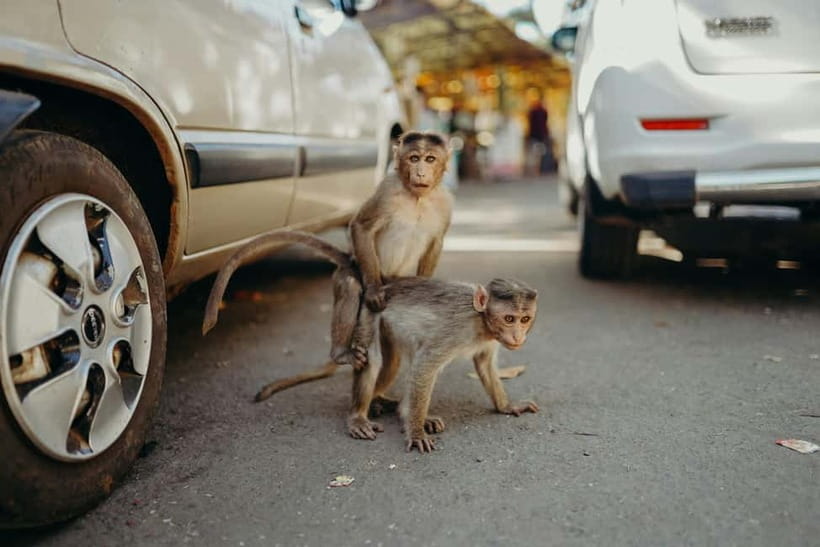
Delhi has a way of surprising you: big city life rubbing shoulders with wild instincts. That’s the core idea behind this Monkey Safari. You walk into green areas where monkeys act like monkeys—moving in groups, reacting to sounds, and showing off that fast, curious social behavior.
The best part is how the guide frames what you’re seeing. Instead of treating monkeys like street characters, you get to think like a wildlife observer for a couple of hours. You’ll learn what to watch for—how monkeys communicate, how they forage, and how they interact—so your photos look sharper and your brain feels more satisfied afterward.
This isn’t a long wildlife expedition. It’s short on time purposefully, so you still get a full morning window without feeling like you disappeared for half the day. At about 2.5 hours, you’re getting a concentrated dose of monkey-watching plus culture and city scenery.
New Delhi at a walking pace, a few more routes




Meeting at R K Ashram and getting your bearings fast
You’ll meet at outside gate no 2 at R K Ashram metro station. If you arrive by metro, you’ll spot an AXIS Bank ATM on your right—a simple landmark that makes the start less stressful.
From there, the walk and route keep you oriented. You’re not thrown into a maze with no context. The guide helps you get set for the day, which matters because monkey time rewards the people who stay calm, watch, and listen.
A smart heads-up: this is designed to start early, when monkeys are more active. That means you’ll want to be on your feet and ready to move. If you’re the type who hates early mornings, plan a backup strategy: keep expectations realistic, pace yourself, and treat it like a morning exercise with great rewards.
Connaught Place at sunrise: the photo stop that sets the tone

One of the built-in highlights is a sunrise photo stop in Connaught Place. This is the moment where the day switches gears from travel mode to observation mode. The early light makes street scenes look more cinematic, and it’s a gentle way to warm up before you shift into quieter green spaces.
Connaught Place also gives you an easy cultural reference point. It’s familiar enough to help you orient in the city, and different enough to make the morning feel special instead of rushed. You’ll walk along scenic routes on the way, so it’s not just a single “stand here and take pics” moment.
Practical tip: bring a phone camera with enough battery and consider a small lens wipe if it’s humid. Morning air can get a little hazy, and quick clean-ups help your photos look crisp.
Temple stops: Hanuman and the meaning behind monkey culture
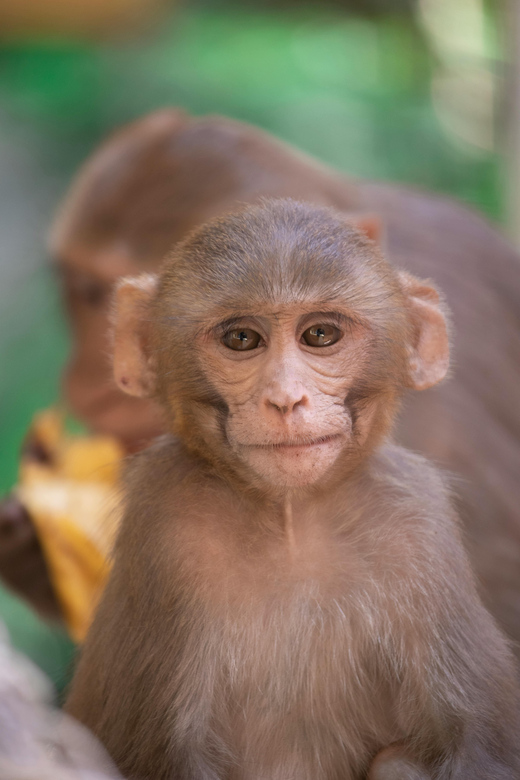
Monkeys in India aren’t just animals. They’re part of stories, religious practice, and everyday symbolism—especially around Hanuman. This tour builds that context into the morning by including temple time, which changes how you interpret what you see later.
You may visit places connected with Hanuman and other religious sites before heading to the monkey area. In a few departures, you’ll also have time for a more expansive temple experience and background from your guide. One of the nice touches is that the guide explains what you’re looking at, so you’re not just following along blindly.
In particular, the Hanuman connection is a big deal. The guide’s explanations tie Hindu mythology to real-life attitudes toward monkeys—why people tolerate them, how myths shape behavior, and why coexistence matters. That cultural angle is one of the most praised parts of the experience because it turns monkey-watching into something more thoughtful than a zoo visit.
And yes, there’s food. Some mornings include tasting or receiving sweets at a temple stop. Even if you’re not a big sweets person, it’s one of those small moments that makes the cultural side feel grounded rather than performative.
Walking with macaques and langurs: what “close” really means
The Monkey Safari portion is built around observing monkeys in their natural environment—where they forage, play, and interact like they’ve got places to be. You’ll likely see monkeys such as Rhesus macaques and langurs, and the guide will help you distinguish what you’re seeing and why it matters.
The “close” feeling comes from positioning and time. This isn’t about rushing. It’s about slowing down enough to notice behavior patterns—how they move in social groups, how they respond to noise, and how attention shifts from one monkey to another. That’s also where the guide’s naturalist approach pays off.
Feeding time is a highlight for many people. Some mornings include banana feeding, with the guide setting expectations so it stays safe and respectful. The big point here: follow the guide’s instructions without improvising. If they say stop, stop. If they tell you where to stand, that’s not random—it’s usually about keeping space for the animals and keeping your group out of scramble mode.
If you’re nervous around monkeys, you’re not alone. The good news is that the guide helps you handle it like a calm observer. Stand where you’re told, keep your movements smooth, and focus on watching rather than staring straight down. You’ll still get memorable shots, just without the frantic vibe.
Also, this isn’t only about cute photos. You’ll hear about conservation and the idea of coexisting with urban wildlife. That part matters, because it reframes the encounter as a relationship between people, animals, and the city—not a simple “look at monkeys” moment.
More guided days, made simple



Chai break and street snacks: why the food stop fits the day
After monkey time, you get a well-timed break: chai. In several accounts, the tour ends up at a popular chai spot known as The Chai Politician—the kind of place with a distinctive look, and chai served in clay cups. If you’ve ever had chai that tastes like it was made with real attention, this is the category it falls into.
You might also try masala tea prepared directly on the street and, in some cases, a local street dish. The best advice: don’t treat the food stop like an afterthought. It’s part of the tour rhythm. You walk early, you watch animals, and then you take a breath and reset with something warm and local.
For anyone with a spicy-food threshold, take it slow. One of the practical “heads up” you’ll appreciate on a food stop like this is that street flavors can be intense. If you’re sensitive, ask for recommendations, and stick to mild choices first.
Price and value: what you’re really buying for about $27
At $27 per person for about 2.5 hours, you’re not paying for a long bus ride and a big branded show. You’re paying for a guided morning that mixes three things at once:
- wildlife-style observing with a guide
- cultural context via temples and mythology
- a city experience with sunrise photo time and a chai stop
What makes the value feel real is the mix of support included. The tour includes a water bottle, transportation, and a local wildlife guide. In a small group (limited to 3 participants), that attention adds up fast—less waiting, more time for questions, and a smoother pace.
If you’re traveling solo, that price can still feel fair because the group stays tiny. If you’re traveling as a couple or friends, it can be great value compared with private tours, where you pay more mainly for exclusivity instead of better information.
Small-group pace and what to bring (without overthinking it)
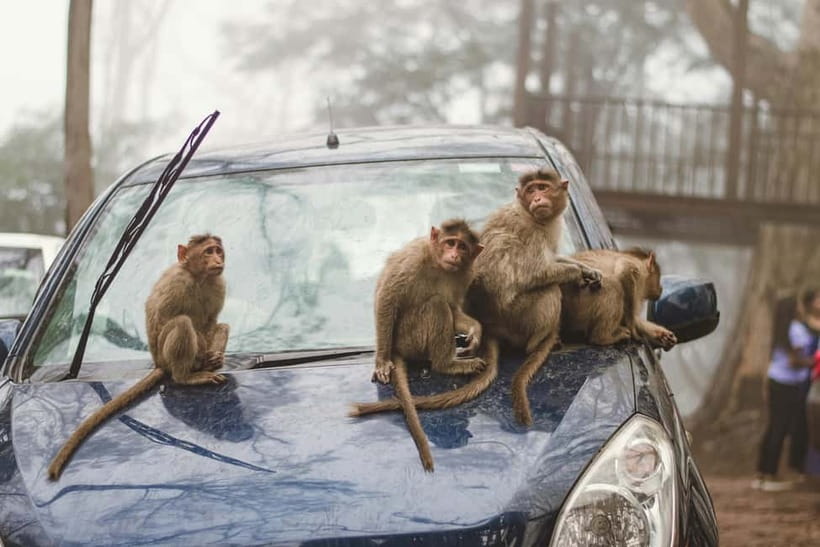
This tour is live guided in English, and it’s a small group. That matters because monkey-watching can involve quick changes in spacing and attention, and a guide needs to manage the group easily.
Here’s what to bring:
- comfortable shoes (closed-toe is required)
- light layers if morning is cool
- your camera and a fully charged phone
Here’s what not to do:
- don’t bring alcohol or drugs
- don’t show up barefoot
- skip anything that slows you down—this is a walking experience
Also, the tour mentions skip the ticket line, which can help if you’re trying to save time in temple areas. The point isn’t to rush. It’s to keep your morning from getting tangled in slow waits.
Who should book this Monkey Safari—and who should skip it
This tour is a great fit if you:
- like animals but prefer learning to just staring
- want a cultural tie-in, not a separate temple visit day
- enjoy morning walking and early light for photos
- feel comfortable walking through busy city areas before moving into greener spaces
It’s not a fit if you:
- have low fitness or want a totally seated tour
- travel with kids under the listed ages (the tour explicitly isn’t suitable for children under 2, 3, 4, or 5—follow the age limits on the booking)
- need an option that’s stroller-friendly or baby-friendly (babies under 1 and very young kids aren’t included)
- are older than 95 years (the tour states it isn’t suitable)
One more thought: if you’re deeply afraid of animals, you might still find the guide’s calm approach helpful. But you should go into it knowing it’s a real wildlife-adjacent walk. You’re not in a controlled enclosure.
Should you book this Monkey Safari walking tour?
Yes, if you want a short Delhi morning that mixes urban wildlife, temple storytelling, and practical guidance. The small group size and the naturalist-style explanations make a difference. And if you care about taking better photos, the sunrise timing plus the guided positioning gives you a better shot than wandering on your own.
Skip it if you want a low-effort, mostly seated experience, or if the walking and early start won’t work for your body or your group. It’s a moving tour with real-life animal encounters. That’s the point—and also the only real limitation.
If you book, do one thing that pays off: bring comfortable closed-toe shoes and go in ready to watch quietly. When you do, Delhi’s monkeys feel less like a surprise and more like a story you can finally read.
FAQ
Where do I meet for the Monkey Safari walking tour?
Meet outside gate no 2 at R K Ashram metro station. If you arrive by Delhi metro, there’s an AXIS Bank ATM on your right to help you find the spot.
How long is the tour?
The tour lasts about 2.5 hours.
How much does it cost?
It’s listed at $27 per person.
Is the tour guided and in English?
Yes. You’ll have a live tour guide in English.
Is it a small group?
Yes. It’s a small group limited to 3 participants.
What’s included in the price?
You get a water bottle, transportation, and a local wildlife guide.
Are tickets or attractions involved that require skipping lines?
The activity includes skip-the-ticket-line.
What should I wear or bring?
Wear comfortable, closed-toe shoes. Bring your own personal items and plan to walk.
Are there any rules about alcohol, drugs, or bare feet?
Yes. Alcohol and drugs are not allowed, and bare feet aren’t allowed. Alcoholic drinks in the vehicle aren’t allowed either.
Is the tour suitable for kids or young children?
The tour states it isn’t suitable for children under the listed ages, and it specifically notes it’s not suitable for children under 2, 3, 4, and 5 (as listed), and also not suitable for babies under 1 year.
Can I get a refund if I cancel?
You can cancel up to 24 hours in advance for a full refund.
New Delhi on Foot: More Walks
- The Great Indian Food Tour: Old Delhi Food and Heritage Walk
★ 5.0 · 1,698 reviews - Old Delhi Food, Heritage&Cultural Walk with Rickshaw ride to Masterji Kee Haveli
★ 5.0 · 742 reviews - Breakfast Walk in Old Delhi
★ 5.0 · 449 reviews - Delhi Food Walk: Rickshaw Ride, Street Eats & Market Tour
★ 5.0 · 401 reviews - New Delhi Slum Walking Tour
★ 5.0 · 360 reviews
More Tours in New Delhi
- Old & New Delhi City Tour – Half or Full Day Options Available
★ 5.0 · 4,811 reviews - Half Day Private Delhi City Tour
★ 5.0 · 4,474 reviews - Same Day Taj Mahal, Agra Fort & Baby Taj Tour from Delhi by Car
★ 5.0 · 4,304 reviews - Taj Mahal Day Tour from Delhi by Superfast Train – TOP RATED TOUR
★ 5.0 · 4,166 reviews - Delhi: Old and New Delhi Private Full or Half-Day Tour
★ 4.9 · 3,776 reviews
More Tour Reviews in New Delhi
- Old & New Delhi City Tour – Half or Full Day Options Available
★ 5.0 · 4,811 reviews - Half Day Private Delhi City Tour
★ 5.0 · 4,474 reviews - Same Day Taj Mahal, Agra Fort & Baby Taj Tour from Delhi by Car
★ 5.0 · 4,304 reviews - Taj Mahal Day Tour from Delhi by Superfast Train – TOP RATED TOUR
★ 5.0 · 4,166 reviews - Delhi: Old and New Delhi Private Full or Half-Day Tour
★ 4.9 · 3,776 reviews
Just added: more New Delhi reviews to browse
- 4 days Golden Triangle Tour★ 5.0 · 3 reviews
- Discover Old & New Delhi: Private Tour with Street Food★ 5.0 · 3 reviews
- Taj Mahal Tour From Delhi By Private Car★ 4.5 · 3 reviews
- Golden Triangle Tour 5 Days★ 5.0 · 3 reviews
- Taj Mahal: Express Entry Ticket For Sunset Tour with guide★ 5.0 · 3 reviews
- Agra Taj Mahal Sunrise & Sunset Tour from Delhi★ 5.0 · 3 reviews
Walking Tours, compared.
 ★ 5.0The Great Indian Food Tour: Old Delhi Food and Heritage WalkFrom $431,698 reviews
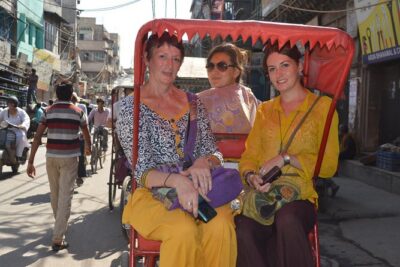 ★ 5.0Old Delhi Food, Heritage&Cultural Walk with Rickshaw ride to Masterji Kee HaveliFrom $52742 reviews
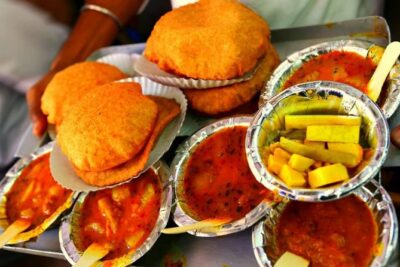 ★ 5.0Breakfast Walk in Old DelhiFrom $80449 reviews
 ★ 5.0Delhi Food Walk: Rickshaw Ride, Street Eats & Market TourFrom $40401 reviews
 ★ 5.0New Delhi Slum Walking TourFrom $28360 reviews
 ★ 5.0Old Delhi Heritage Walking TourFrom $13247 reviews
 ★ 5.03-hour Old Delhi Heritage Walking tour with Rickshaw RideFrom $7240 reviews
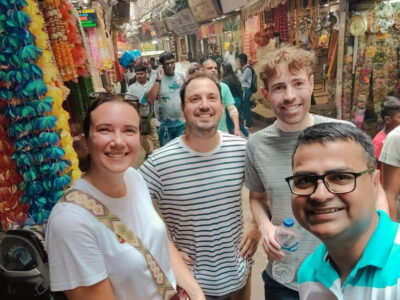 ★ 5.0Old Delhi: Spices, Heritage and Bazaars Walking TourFrom $13173 reviews
Browse the lists this tour appears in