
Reviewed · DELHI RICKSHAW & TUK-TUK TOURS
Heritage Delhi Photography Walk (2 Hours Guided Walking Tour with Rickshaw Ride)
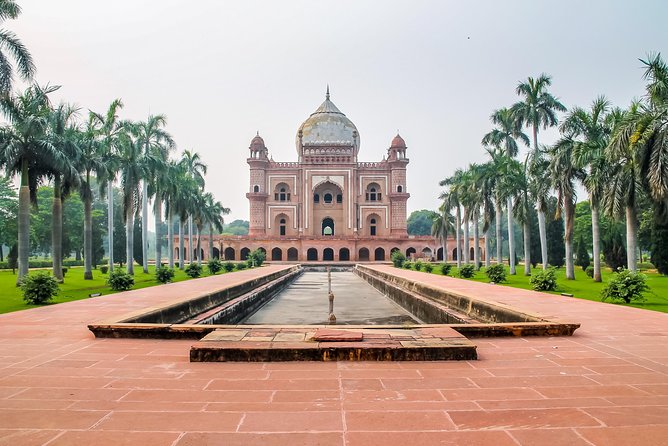
Delhi turns your camera into a passport. This Heritage Delhi Photography Walk threads together Safdarjung Tomb, Lodhi Garden, and the Lodhi street art area, with a friendly guide who talks you through what to shoot and when. Expect winding lanes, historic shapes, and people-focused details, not just postcard views.
What I like most is the small group size (up to 12), so you get real attention instead of getting lost in the crowd. I also love that the guide brings photo timing tips and keeps the conversation going, including practical guidance that helps your pictures (not just your memory) improve fast.
One thing to consider: this is an outdoor walk and it depends on good weather, so you’ll want a plan for a rescheduled date if skies don’t cooperate.
In This Review
- Key highlights to look for
- A photo walk that actually teaches you how to see
- Price and what $18.62 really buys
- Logistics that shape your experience (good and bad)
- Stop 1: Safdarjung Tomb photos in a tight 30 minutes
- Stop 2: Lodhi Garden, more than a break from the city
- Stop 3: Lodhi Art District street art and quick composition practice
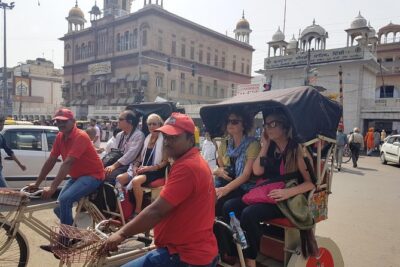
- The cycle rickshaw ride: a moving photo stop
- Guides make the difference: Saumya and Shika’s timing tips
- What it feels like during the walk
- Who should book this tour
- How to get better photos on this exact route
- Should you book this Heritage Delhi Photography Walk?
- FAQ
- How long is the Heritage Delhi Photography Walk?
- Where does the tour start and end?
- What is included in the tour price?
- Are entrance fees included for the historical sites?
- What group size should I expect?
- Will the guide speak English?
- What if the weather is bad?
Key highlights to look for
- Cycle rickshaw between sights: a classic India ride that’s part transportation, part photo moment
- Guided photo coaching: you’ll get tips on how to frame buildings, trees, and street art
- Safdarjung Tomb photo stop: late 18th-century mausoleum architecture in a compact time window
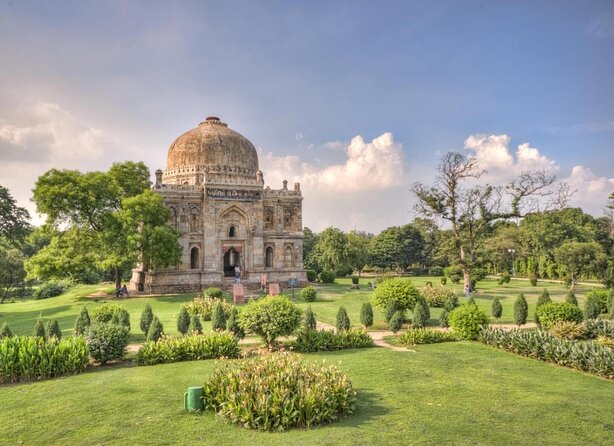
- Lodhi Garden beyond the roses: Rose Garden plus Sikandar Lodi Tomb and Shah Sayyid Tomb areas
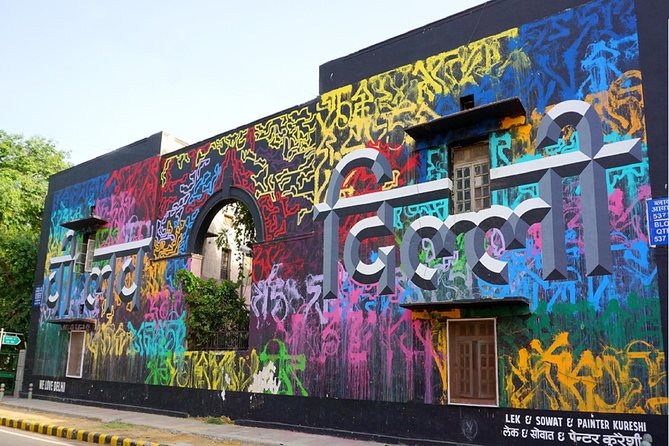
- Lodhi Art District quick-hit: graffiti and wall art themes like nature and life/death
- Guides with real pacing sense: examples include Saumya and Shika, who advise on best light and timing
A photo walk that actually teaches you how to see
If you’re the kind of person who brings a camera and then… freezes when the view is too big, this tour helps. You don’t just get taken from point A to point B. You get prompted to notice specific things: angles on stone, shapes in green spaces, and the visual rhythm of street life and walls.
The tour is built around three very different Delhi scenes. That mix is smart for photos. Safdarjung Tomb gives you clean heritage lines. Lodhi Garden brings softer light and layered textures. Then Lodhi Art District flips the mood to contemporary street art with bold themes you can’t recreate from a museum brochure.
The other reason this works well is pacing. It’s short—about two hours—so you’re not trudging all day. And with a max group size of 12, you’re more likely to hear your guide clearly and get feedback on what you’re trying to capture.
More of the city from the back of a rickshaw


Price and what $18.62 really buys
At $18.62 per person for a roughly 2-hour guided walk, this is priced like a focused experience rather than a full-day sightseeing package. That matters, because your “value” here is the guidance: a trained storyteller/guide, photo tips, and conversation that helps you shoot better even if you’re not an expert.
What you should mentally budget extra for: entrance fees for historical sites are not included. The tour specifically notes that the ticket for Safdarjung Tomb isn’t included. Lodhi Garden is a park stop with notable tomb areas inside it, so if you plan to go in at every point, double-check what fees apply on the day.
If you’re comparing costs, treat this as: you’re paying for direction + timing + local storytelling, plus a short, fun cycle rickshaw ride. You’re not paying for a private driver all day, hotel pickup, or an air-conditioned vehicle (more on that below).
Logistics that shape your experience (good and bad)
This is a meet-at-the-site tour. You’ll start at the Safdarjung Tomb ticket counter (listed near Airforce Golf Course / Delhi Race Club area) and end up near the Lodhi Gardens / Lodhi street art area.
No hotel pickup. No drop-off. That can be a drawback if you’re staying far away or hate navigating the city on your own. But for many people, it’s also a win: you start right where the photos begin, and you don’t lose time in transit.
Also, remember there’s no air-conditioned vehicle included. That’s totally normal for a short walking tour in Delhi, but it does mean you’re planning your timing and clothing for the weather.
Finally, you’re asked to rely on good weather. If it’s rained out or conditions are poor, the tour provider will offer a different date or a full refund. For a photography trip, that’s important because light and skies really do matter.
Stop 1: Safdarjung Tomb photos in a tight 30 minutes
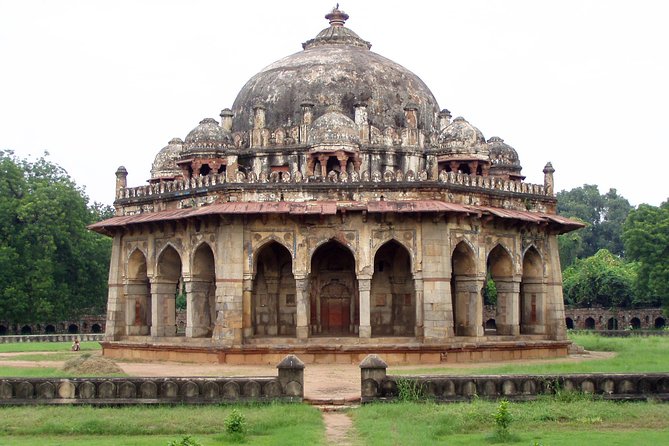
Safdarjung Tomb is the kind of place that photographs well without much explanation. Late 18th century mausoleum architecture gives you strong geometry—arches, stone surfaces, and symmetrical views that look sharp even if your camera is basic.
You only have about 30 minutes here, and that’s a good thing. It keeps you from spending the whole tour stuck at one angle. In that short time, your guide’s job is to help you find the best viewpoints fast.
What to bring to this stop:
- Your normal camera, plus something for quick adjustments (a phone works fine too)
- A willingness to move a bit—tombs reward different positions
- Patience with people. Historic sites are busy, and part of the photo story is seeing how visitors and locals share the space
Because admission is not included, arrive ready to pay the entry fee at the site if required. If your plan is strictly photography (not long indoor exploring), you’ll still get plenty from the exterior and immediate surroundings within the time window.
Stop 2: Lodhi Garden, more than a break from the city
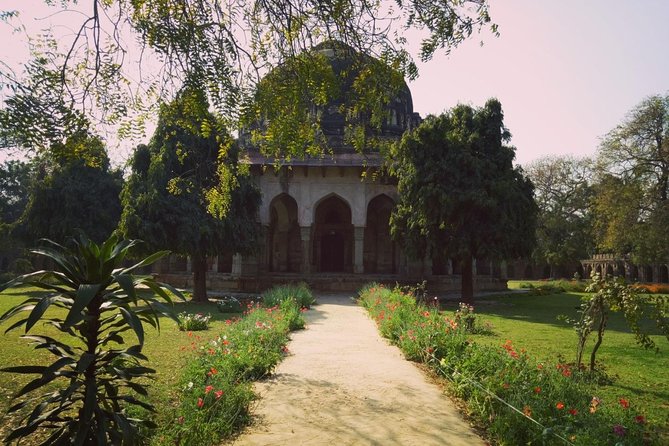
Lodhi Garden is where the tour gives you a different texture of Delhi. Instead of stone and formal lines, you get trees, paths, and layered greenery—plus the tomb areas inside the garden.
You’ll spend about one hour, and the time is long enough to do more than snap a couple of quick photos. Here’s what makes it special for a photographer:
- Tree and flower tones: you can find different shades of leaves and blossoms depending on season
- Soft architecture: tombs inside a garden setting feel calmer and less traffic-heavy than monuments in busy squares
- Multiple subject types in one place: nature, structure, and historical details all share the same frame options
The tour includes mentions of the Rose Garden, as well as Sikandar Lodi Tomb and Shah Sayyid Tomb. Even if you don’t focus on every single tomb feature, having them in the same stop means your guide can help you plan a route that avoids dead ends.
Practical photo advice for this stop:
- Look for contrast: dark stone against lighter leaves
- Try side angles for depth—garden photos often feel better when you show layers
- If the light is good, take a minute to shoot the same subject from two heights (standing vs. slightly lower)
Also, remember: entrance fees aren’t included for the historical sites. If you plan to step into tomb areas, check what tickets are needed on the day so you’re not surprised mid-walk.
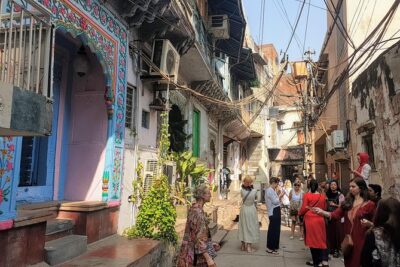
New Delhi at a walking pace, a few more routes

Stop 3: Lodhi Art District street art and quick composition practice
Then comes the turn toward contemporary Delhi. The Lodhi Art District stop is about 30 minutes, designed as a fast, high-energy photo break.
Street art is tricky for tourists because it’s easy to see a wall and forget the basics of photo composition. A good guide fixes that by pointing your camera toward themes and shapes, not just colorful paint. This tour aims at exactly that.
The street art themes mentioned include:
- nature
- the origin of the world
- life and death
That matters because it gives you an easy way to plan shots. Instead of randomly photographing the biggest wall, you can look for the theme elements—faces, symbols, or repeated motifs—and build a small “story set” of photos.
If you’re a beginner, treat this stop like a composition lab:
- capture the full wall once
- capture one character/symbol up close
- capture a texture shot (paint, cracks, layered surfaces)
- finish with a wider shot that includes the surrounding lane feel
It’s short, but that’s part of the design. You’ll leave with more variety than you’d get if you tried to photograph every surface like it’s an all-day art festival.
The cycle rickshaw ride: a moving photo stop
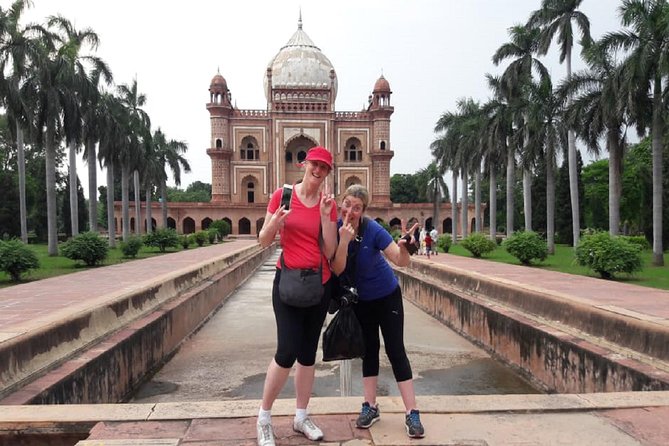
Between sights, you hop on a cycle rickshaw. This is one of those experiences that’s both practical and memorable—part transportation, part little parade through Delhi lanes.
For photos, a rickshaw ride can be a cheat code:
- you get a moving perspective without walking the whole distance
- you can frame street life through windows and doorways
- you can catch quick “in-between” scenes you’d miss if you were only stopping for monuments
Just keep expectations realistic. You won’t have studio lighting or time to set up a tripod. The goal is moments, angles, and quick framing.
And yes, it’s a classic Delhi experience. If you only have limited time in the city, this kind of transport detail becomes a highlight you’ll be glad you didn’t skip.
Guides make the difference: Saumya and Shika’s timing tips
The big praise point here is the guide. You’re not just walking; you’re being coached and entertained.
In the guide stories shared from past participants, Saumya stands out for light and timing advice. She helped someone pick golden hour for the best photos, and she also pointed out that at night it illuminates. Even if your tour happens in daylight, her kind of tip is still useful: it teaches you to think like a photographer—time of day changes the entire mood of stone, leaves, and painted walls.
Another guide mentioned is Shika, who also communicated about timing and helped someone get the best hour for photos. That kind of pacing is what keeps a short walk from feeling rushed. With only two hours total, the guide’s ability to read the light and your group’s energy level matters a lot.
So when you book, go in with the mindset that you’ll actually use the advice. If the guide says the light will hit better in a specific spot, take the extra minute. Those small moves are what separate average vacation photos from a set you’ll truly enjoy later.
What it feels like during the walk
This tour is described as fun and enjoyable with heartwarming stories at each point. Even if you’re not a “history person,” that storytelling is useful. It turns a building or park into something you understand in a few minutes, which makes your photos feel more intentional.
The tour also leans into heritage plus the modern city. That’s where the three stops work as a sequence. Tomb to garden to street art isn’t just “three places.” It shows Delhi’s layers: old forms, daily life in parks, and modern visual culture on walls.
And with a group size capped at 12, you get a better chance to keep up with the conversation and ask questions when something catches your eye.
Who should book this tour
This is a strong fit if:
- you want a guided photo lesson, not just sightseeing
- you’re curious about both heritage sites and contemporary street art
- you travel with a camera (phone is fine) and want help using it better
- you like small groups and walking tours where you actually hear your guide
It may not be ideal if:
- you want a slow, museum-style experience at each site
- you hate walking in heat and you don’t handle outdoor tours well
- you need hotel pickup or a private car to feel comfortable
Remember the time. Two hours is efficient, so it rewards people who are okay moving a bit and capturing the “best angles” rather than lingering forever.
How to get better photos on this exact route
You’ll get photo tips from your guide, but you can help yourself with a few simple habits:
- Start with one goal: tomb symmetry, garden textures, or street art themes
- Take one wide shot early at each stop so you can anchor your later photos
- Don’t ignore the small details: door frames, tree shadows, and wall texture often look great
- If the light changes fast, ask your guide what spot to prioritize next
Also, because entrances aren’t included, decide what you want photos of: exterior architecture, garden paths, or deeper tomb-area details. Your shot list should match your ticket plan.
Should you book this Heritage Delhi Photography Walk?
I’d recommend booking it if you want a high-value, short Delhi photography session that mixes heritage monuments with garden atmosphere and street art. The biggest selling point is the guidance—especially the real-world light and timing coaching mentioned by guides like Saumya and Shika.
Skip it only if you need hotel pickup, an air-conditioned ride, or you want long time at each location. This walk is built for movement, focused framing, and learning how to see faster.
FAQ
How long is the Heritage Delhi Photography Walk?
It runs for about 2 hours.
Where does the tour start and end?
It starts at the Safdarjung Tomb ticket counter and ends at Lodhi Gardens near the Lodhi street art area.
What is included in the tour price?
It includes a guided walking experience with a storyteller/guide, a cycle rickshaw ride between sights, and photography tips. It also includes a mobile ticket and mentions group discounts.
Are entrance fees included for the historical sites?
No. Admission tickets for historical sites like Safdarjung Tomb are not included.
What group size should I expect?
The tour has a maximum of 12 travelers.
Will the guide speak English?
Yes. The guide is described as speaking English and other languages.
What if the weather is bad?
The experience requires good weather. If it’s canceled due to poor weather, you’ll be offered a different date or a full refund.
More Tours in New Delhi
- Old & New Delhi City Tour – Half or Full Day Options Available
★ 5.0 · 4,811 reviews - Half Day Private Delhi City Tour
★ 5.0 · 4,474 reviews - Same Day Taj Mahal, Agra Fort & Baby Taj Tour from Delhi by Car
★ 5.0 · 4,304 reviews - Taj Mahal Day Tour from Delhi by Superfast Train – TOP RATED TOUR
★ 5.0 · 4,166 reviews - Delhi: Old and New Delhi Private Full or Half-Day Tour
★ 4.9 · 3,776 reviews
More Tour Reviews in New Delhi
- Old & New Delhi City Tour – Half or Full Day Options Available
★ 5.0 · 4,811 reviews - Half Day Private Delhi City Tour
★ 5.0 · 4,474 reviews - Same Day Taj Mahal, Agra Fort & Baby Taj Tour from Delhi by Car
★ 5.0 · 4,304 reviews - Taj Mahal Day Tour from Delhi by Superfast Train – TOP RATED TOUR
★ 5.0 · 4,166 reviews - Delhi: Old and New Delhi Private Full or Half-Day Tour
★ 4.9 · 3,776 reviews
More Rides Through the Lanes
- Old Delhi Food, Heritage&Cultural Walk with Rickshaw ride to Masterji Kee Haveli
★ 5.0 · 742 reviews - Delhi: Old Delhi Street Food Tour with Rickshaw Ride
★ 4.9 · 403 reviews - Delhi Food Walk: Rickshaw Ride, Street Eats & Market Tour
★ 5.0 · 401 reviews - Old Delhi: Private Tour of Chandni Chowk, Tuk Tuk & Food
★ 4.9 · 345 reviews - 3-hour Old Delhi Heritage Walking tour with Rickshaw Ride
★ 5.0 · 240 reviews
Just added: more New Delhi reviews to browse
- 4 days Golden Triangle Tour★ 5.0 · 3 reviews
- Discover Old & New Delhi: Private Tour with Street Food★ 5.0 · 3 reviews
- Taj Mahal Tour From Delhi By Private Car★ 4.5 · 3 reviews
- Golden Triangle Tour 5 Days★ 5.0 · 3 reviews
- Taj Mahal: Express Entry Ticket For Sunset Tour with guide★ 5.0 · 3 reviews
- Agra Taj Mahal Sunrise & Sunset Tour from Delhi★ 5.0 · 3 reviews
Delhi Rickshaw & Tuk-Tuk Tours, compared.
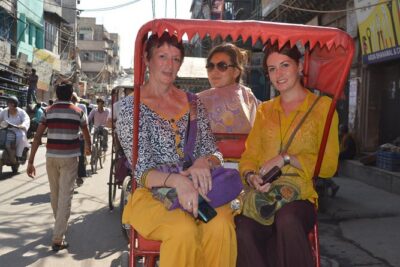 ★ 5.0Old Delhi Food, Heritage&Cultural Walk with Rickshaw ride to Masterji Kee HaveliFrom $52742 reviews
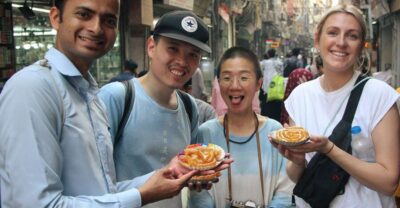 ★ 4.9Old Delhi Street Food Tour with Rickshaw RideFrom $43403 reviews
 ★ 5.0Delhi Food Walk: Rickshaw Ride, Street Eats & Market TourFrom $40401 reviews
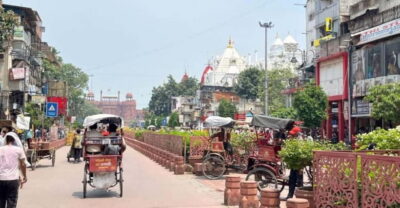 ★ 4.9Old Delhi: Private Tour of Chandni Chowk, Tuk Tuk & FoodFrom $70345 reviews
 ★ 5.03-hour Old Delhi Heritage Walking tour with Rickshaw RideFrom $7240 reviews
★ 4.63-Hour Old Delhi Heritage Walking tour with Rickshaw rideFrom $10158 reviews
 ★ 4.7Old Delhi: 3-Hour Tuk-Tuk/Rickshaw TourFrom $25137 reviews
 ★ 5.0Luxury Rickshaw Tour of Old DelhiFrom $85106 reviews
Browse the lists this tour appears in