

Reviewed · DELHI SLUM TOURS
New Delhi: Sanjay Colony Slum Tour with Locals
Real Delhi starts where maps end. This Sanjay Colony slum tour uses a local-led approach so you can understand daily life in Okhla in a way that feels practical, not like a spectacle. The guides frame the neighborhood through everyday routines, community work, and what families are trying to build.
I especially like the clear structure of the stops, including Learning by Locals and an outside view of the s.d.m.c primary school, plus tea and a water bottle to keep you comfortable for the full 1 hour 45 minutes. One consideration: the tour touches on hard realities, like daily challenges such as finding water and working in informal systems, so you’ll want to come with respect and emotional readiness.
In This Review
- Key Points You’ll Actually Care About
- Entering Okhla: What Makes This Tour Feel Different
- Getting There: Metro Gate Meet-Up and the “Don’t Overthink It” Logistics
- First Stop: Harkesh Nagar Okhla Metro Gate and the Local-Led Walk
- Learning by Locals: The Short NGO Stop That Changes the Tone
- s.d.m.c Primary School: What You Can Learn From an Outside Look
- Tea, Water, and Timing: A 1 Hour 45 Minutes Plan You Can Handle
- Respect and Interaction: How to Show Up the Right Way
- Price and Value: How $12 Becomes More Than Just a Ticket
- Who Should Book This and Who Might Skip
- Should You Book Sanjay Colony with Locals?
- FAQ
- How long is the Sanjay Colony slum tour?
- What does the tour cost?
- Where do I meet for the tour?
- Where does the tour end?
- Is pickup offered?
- Is a mobile ticket provided?
- How big is the group?
- What’s included in the price?
- What are the main stops on the tour?
- What’s the cancellation policy?
- Is the tour suitable for most people?
Key Points You’ll Actually Care About
- Small group size (max 6 per booking) keeps questions possible and helps the tone stay human.
- Local guides like Badal and Sukhmani bring personal stories and a community focus.
- Tea and water provided means you’re not scrambling for refreshments mid-walk.
- A real NGO stop at Learning by Locals connects daily life to education and youth support.
- Short school viewing windows help you understand schooling without turning it into theater.
Entering Okhla: What Makes This Tour Feel Different
Sanjay Colony is the kind of place that most visitor plans gloss over. Instead of treating it like a quick photo stop, this tour slows down enough for you to connect the dots: where people live, how work gets done, what schools look like from the outside, and what support systems exist nearby.
What I like most is the way the tour is set up to reduce guesswork. You meet at Harkesh Nagar Okhla Metro (Gate No. 2), and the walk is guided—so you’re not wandering through residential streets wondering what is okay to ask or where you’re allowed to go. That matters here. The neighborhood is not a museum, and the best experience comes when you keep the focus on listening.
You’ll also learn that Delhi has over 700 slums, and Sanjay Colony is home to roughly 60,000 people. That scale helps put individual stories into context: this isn’t one isolated hardship. It’s a major part of the city’s reality.
More community walks through working Delhi



Getting There: Metro Gate Meet-Up and the “Don’t Overthink It” Logistics
The meeting point is very specific: Harkesh Nagar Okhla Metro, Gate No. 2. The exact reference point is listed as near G7VG+62H in Harkesh Nagar, Okhla (Delhi 110020). You end back near the metro as well, at Metro Gate G-16, Okhla Phase II.
Two practical upsides for you:
- It’s near public transportation, so you’re not stuck arranging a private car just to start.
- You get a mobile ticket, which makes day-of entry easier.
Pickup is offered, too. And if you book a private tour with the car, the provider drops you back to your hotel. Otherwise, you’ll be dropped at the metro station, with help on taking an Uber or taxi.
If you’re short on time in New Delhi, this kind of metro-based plan is gold. You can fit it into a day without losing half your schedule to traffic.
First Stop: Harkesh Nagar Okhla Metro Gate and the Local-Led Walk
The tour begins right at the edge of the neighborhood, at the Harkesh Nagar Okhla Metro Gate No. 2. From there, you join the local-led walk through Sanjay Colony.
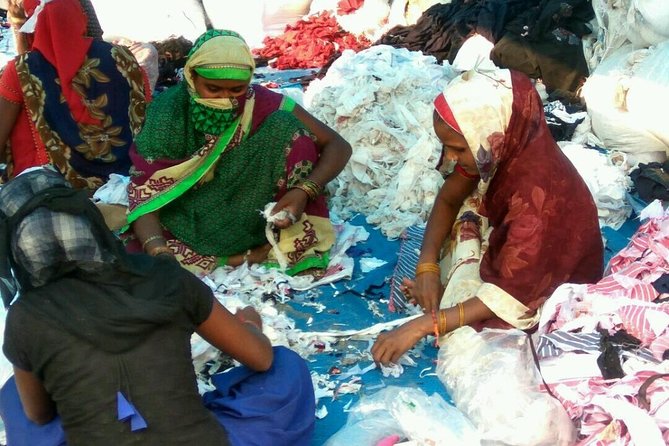
This first segment is where you learn how the place functions day to day. You’ll hear about daily challenges of living in the area and get a sense of the neighborhood rhythm—work, home life, religion, and the practical hurdles that shape routines.
You’ll also connect what you see to livelihoods. One highlight is learning about clothing-industry work and local systems tied to it. The neighborhood’s economy isn’t something you can read off a sign; it’s something you understand through the way people describe their work and their options.
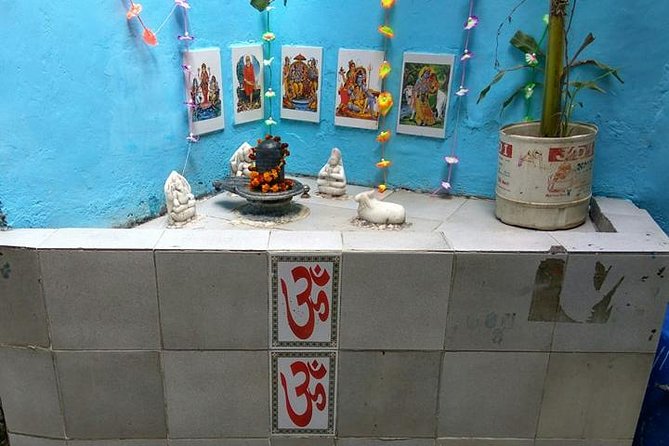
A temple visit is also part of what the tour is designed to include. Even if you only see it briefly, it adds context: religion here isn’t just a building. It’s part of daily structure and community identity.
Learning by Locals: The Short NGO Stop That Changes the Tone
Stop two is Learning by Locals, a local NGO. This is one of the most important pieces of the tour because it reframes the visit from observation to impact.
The stop runs about 15 minutes. That’s short, but it’s not random. You’re there to understand the education and empowerment work happening in the community. You’ll see how projects support young people and what the organization is trying to improve on the ground.
This is also where the tour tends to feel especially meaningful. In the feedback I reviewed, people repeatedly highlighted the school and youth connection, and how inspiring it felt to see the students and hear about what the NGO is building.
It’s worth noting the tone matters. One review described how the experience handled visitors’ worries about being disrespectful, and it came across as genuinely respectful and well-managed. That kind of approach is a big reason this tour earns such high marks.
s.d.m.c Primary School: What You Can Learn From an Outside Look
Stop three is the s.d.m.c primary school. You’ll see the public school from the outside and learn about the education system.
This part is about perspective. From the outside, you won’t get a formal campus tour in the way you might at a paid sightseeing attraction. Instead, it becomes a practical conversation starter: what schooling looks like locally, what families are facing, and how education connects to future opportunities.
Even the short 5-minute window is useful because it ties back to what you learned at Learning by Locals. If the NGO stop gives you the “what they’re doing,” the school view helps you connect it to the real environment where students are growing up.

Tea, Water, and Timing: A 1 Hour 45 Minutes Plan You Can Handle
The tour runs about 1 hour 45 minutes. That’s a workable length for a community-based experience. Long enough to ask questions and connect the themes—daily life, work, education, faith, and day-to-day obstacles—without dragging on.
Good news: you’re provided local tea and a water bottle. That’s a big deal in Delhi, and it also keeps the tour comfortable and steady rather than rushed.
For your planning, I’d think about it like this:
- Start by arriving early enough at the metro gate to check in without stress.
- Wear comfortable walking shoes, because you’ll be doing a neighborhood walk.
- Keep your phone charged. The tour provides a mobile ticket, and having your confirmation ready helps avoid last-minute friction.
The group is small, which affects the pacing. With max 6 per booking (and an overall cap of 10 travelers), you’re not competing for attention, and the guide can adjust the pace to your questions.
Respect and Interaction: How to Show Up the Right Way
Community tours work best when you treat them like a conversation, not a camera assignment.
This tour is designed around asking questions. Guides explain everyday life and community projects, and you get space to learn directly instead of guessing from stereotypes. In feedback, people emphasized how welcomed they felt and how seriously the guides took respect and sensitivity.
If you’re worried you might say the wrong thing, don’t freeze. A simple approach helps:
- Listen first, then ask one clear question.
- Avoid turning serious topics into casual jokes.
- Keep your tone kind and your curiosity grounded.
You might also find it helpful that the guides are real people, not scripts. Names that came up clearly include Badal and Sukhmani, both praised for being friendly and for sharing stories that made education work feel personal rather than abstract.
Price and Value: How $12 Becomes More Than Just a Ticket
At $12 per person, this tour is priced like a budget activity—but with a serious value twist.
Here’s what you’re getting for the price:
- Local guide included
- Local tea and a water bottle provided
- A stop at Learning by Locals (ticket included)
- A guided walk plus context on daily life and the clothing-industry work around the area
For comparison, a typical short guided experience in many cities can cost far more without including anything like refreshments or a community-impact stop. Here, the fee functions more like access to local interpretation—plus a structured itinerary that makes the visit feel organized and respectful.
The small-group cap also matters for value. When you pay the same price but the group is tiny, you usually get better conversation and fewer awkward crowd dynamics.
Who Should Book This and Who Might Skip
This tour fits best if you want more than Delhi’s monuments.
You’ll likely enjoy it if you care about:
- how people actually live in a major city district
- education and local NGO work
- hearing stories about daily challenges in a respectful, guided way
You might choose something else if you’re looking for a light, easy sightseeing day with minimal emotional weight. The tour includes difficult realities and the practical constraints of daily life, so it’s not meant to feel like a stroll through a postcard.
Should You Book Sanjay Colony with Locals?
If your trip plan has room for one experience that adds real human context, book it. The price is low, the time is manageable, and the guided structure means you’re not left to figure things out on your own.
I’d book especially if you like tours with a learning mission that connects directly to education and youth support at Learning by Locals. The consistency in the feedback about guides and the school connection is a strong sign this isn’t just a walk with a loud microphone.
FAQ
How long is the Sanjay Colony slum tour?
It lasts about 1 hour 45 minutes.
What does the tour cost?
The price is $12.00 per person.
Where do I meet for the tour?
You meet at Harkesh Nagar Okhla Metro Gate No. 2 (near the listed G7VG+62H point).
Where does the tour end?
You end near Metro Gate G-16, Okhla Phase II, near Harkesh Nagar.
Is pickup offered?
Yes, pickup is offered. Drop-off is described as returning you to the metro station gate, and if you booked the private tour with a car, you’ll be dropped back to your hotel.
Is a mobile ticket provided?
Yes, you get a mobile ticket.
How big is the group?
There’s a maximum of 6 people per booking, and the activity can have up to 10 travelers.
What’s included in the price?
Local tea, a water bottle, and a local guide are included.
What are the main stops on the tour?
The stops are Harkesh Nagar Okhla Metro Gate No. 2, Learning by Locals, and the s.d.m.c primary school (viewed from outside).
What’s the cancellation policy?
You can cancel for free up to 24 hours in advance for a full refund.
Is the tour suitable for most people?
The listing says most travelers can participate, and it runs near public transportation.
More Tours in New Delhi
- Old & New Delhi City Tour – Half or Full Day Options Available
★ 5.0 · 4,811 reviews - Half Day Private Delhi City Tour
★ 5.0 · 4,474 reviews - Same Day Taj Mahal, Agra Fort & Baby Taj Tour from Delhi by Car
★ 5.0 · 4,304 reviews - Taj Mahal Day Tour from Delhi by Superfast Train – TOP RATED TOUR
★ 5.0 · 4,166 reviews - Delhi: Old and New Delhi Private Full or Half-Day Tour
★ 4.9 · 3,776 reviews
More Tour Reviews in New Delhi
- Old & New Delhi City Tour – Half or Full Day Options Available
★ 5.0 · 4,811 reviews - Half Day Private Delhi City Tour
★ 5.0 · 4,474 reviews - Same Day Taj Mahal, Agra Fort & Baby Taj Tour from Delhi by Car
★ 5.0 · 4,304 reviews - Taj Mahal Day Tour from Delhi by Superfast Train – TOP RATED TOUR
★ 5.0 · 4,166 reviews - Delhi: Old and New Delhi Private Full or Half-Day Tour
★ 4.9 · 3,776 reviews
More Community Walks in Delhi
- Sanjay Colony Slum Tour
★ 5.0 · 498 reviews - New Delhi Slum Walking Tour
★ 5.0 · 360 reviews - Delhi: Ethical Sanjay Colony Slum Tour
★ 4.9 · 242 reviews - Sanjay Colony Slum Tour with Local Guide
★ 5.0 · 160 reviews - Delhi: Old Delhi Slum Tour by Metro or Car
★ 4.9 · 55 reviews
Just added: more New Delhi reviews to browse
- 4 days Golden Triangle Tour★ 5.0 · 3 reviews
- Discover Old & New Delhi: Private Tour with Street Food★ 5.0 · 3 reviews
- Taj Mahal Tour From Delhi By Private Car★ 4.5 · 3 reviews
- Golden Triangle Tour 5 Days★ 5.0 · 3 reviews
- Taj Mahal: Express Entry Ticket For Sunset Tour with guide★ 5.0 · 3 reviews
- Agra Taj Mahal Sunrise & Sunset Tour from Delhi★ 5.0 · 3 reviews
Delhi Slum Tours, compared.
 ★ 5.0Sanjay Colony Slum TourFrom $21498 reviews
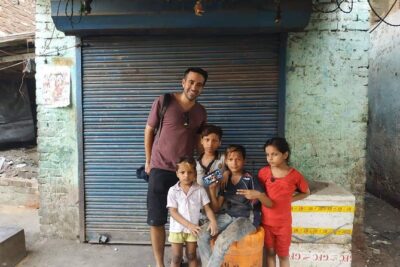 ★ 5.0New Delhi Slum Walking TourFrom $28360 reviews
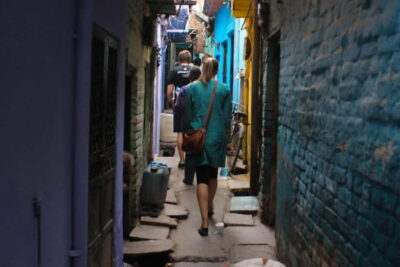 ★ 4.9Ethical Sanjay Colony Slum TourFrom $18242 reviews
Sanjay Colony Slum Tour with Local GuideFrom $13160 reviews
★ 4.9Ethical Sanjay Colony Slum TourFrom $18242 reviews
Sanjay Colony Slum Tour with Local GuideFrom $13160 reviews
 ★ 4.9Old Delhi Slum Tour by Metro or CarFrom $1955 reviews
 ★ 5.0Small- Group Delhi Slum Walking TourFrom $2326 reviews
 ★ 5.0New Delhi Sanjay Colony slum Tour (Private Tour)From $3520 reviews
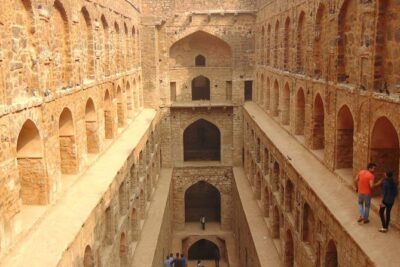 ★ 5.0Moral Slum Tour in Delhi with hotel pickup & dropFrom $6917 reviews
Browse the lists this tour appears in