
Reviewed · DELHI SLUM TOURS
New Delhi – Ethical Sanjay Colony Slum Tour with Local guide
Some places you visit, and some places change how you see. This Sanjay Colony tour shows you everyday life in a dense Delhi community, with real conversations and real context. I especially like how it connects daily survival to bigger themes like education and faith, without turning people into a headline.
You’ll get a clear look at the rhythms of life in and around the settlement: how work happens (including clothing-industry activity), what home life can be like, and what issues—like finding water—shape the day. I also appreciate the way the tour ends by connecting your visit to an ongoing local effort through Learning by Locals.
One consideration: this is not a “sit in comfort and take photos” outing. Photography inside isn’t allowed, and the topics can be hard to hear, especially if you’re sensitive to questions of poverty and basic services.
In This Review
- Key things you’ll notice on this Sanjay Colony slum tour
- Arriving at Harkesh Nagar Okhla: start on time, start ready
- The public school stop: learning how education fits into real life
- Sanjay Colony streets: seeing work up close, not from a distance
- A household visit: understanding home life and the practical problems
- Temple visit and faith: why religion shows up in daily survival
- Learning by Locals: where your support gets turned into education
- The walk’s timing and flow: 1.5 hours that stay focused
- Tea, water, and respectful closure
- Price and value: why $19 makes sense here
- Who should book this tour, and who might want to skip it
- Should you book this Sanjay Colony tour?
- FAQ
- Where is the meeting point?
- How long does the tour last?
- What language is the tour guide?
- What’s included in the tour price?
- How big is the group?
- Is photography allowed?
- Is the tour wheelchair-friendly?
- Is the tour suitable for very elderly guests?
- Where does the money go?
Key things you’ll notice on this Sanjay Colony slum tour
- Small group size (up to 6), which makes it easier to ask questions and actually hear answers
- A public school visit from the outside, focused on how education works in Delhi and in the community
- Faith isn’t a side note: you’ll visit a temple inside the slum to understand what religion does for people
- Home life and daily challenges get specific, including issues like water and hygiene
- Tea and water are included after the walk, so you can slow down and process
- Money support is built in: 50% of profits go back to the non-profit Learning by Locals
Arriving at Harkesh Nagar Okhla: start on time, start ready
The tour begins at Harkesh Nagar Okhla Metro, outside Gate No. 2. That’s helpful because you can plug it into your Delhi day without complicated transfers. Plan to arrive a few minutes early so you don’t feel rushed when the group gathers.
Because this is a walking experience in a crowded, working area, wear comfortable shoes and keep your phone accessible for navigation rather than constant checking. You’ll be on the move long enough that you don’t want stiff soles or fragile footwear.
Also, bring the right mindset: this isn’t about “touring hardship.” It’s about learning how people live, work, learn, and keep going—while you stay respectful and curious.
More community walks through working Delhi



The public school stop: learning how education fits into real life
One of the smartest parts of this tour is the focus on education. You’ll visit a public school from the outside—so you can see the setting without trying to intrude. The point isn’t to grade the school or look for “success stories.” It’s to understand what schooling looks like in this part of Delhi and why access and support matter.
In practice, education in an informal settlement often depends on more than desire. It’s shaped by schedules, household responsibilities, and whether a child can attend consistently even when daily survival needs are intense. By placing the school stop early in the experience, the tour helps you see education as a daily factor, not a concept you hear about from far away.
If you’re the type who likes good questions, this section is where you’ll get them: you’ll be able to ask how learning is organized, what challenges families face, and how people see education in their long-term plans.
Sanjay Colony streets: seeing work up close, not from a distance

After the education stop, you continue into Sanjay Colony to get an on-the-ground feel for how daily life runs. You’ll start with a guided walk through the area—short enough to keep it manageable, long enough that you notice patterns: where people gather, where activity concentrates, and how the neighborhood functions as a community.
A major highlight is seeing the role of work in the clothing industry. You don’t just hear about jobs; you see how clothing-related activity fits into life in the settlement. That matters because it connects economy to everyday decisions. Work isn’t only income—it can also affect what time people can spend on school, health, and family.
You’ll also have chances to interact with locals and hear personal stories. Two guide names have shown up in recent experiences: Shiva and Salman (a volunteer). That’s a good sign that the tour isn’t just a script. You’re likely to meet someone who can answer follow-up questions with real perspective.
A household visit: understanding home life and the practical problems
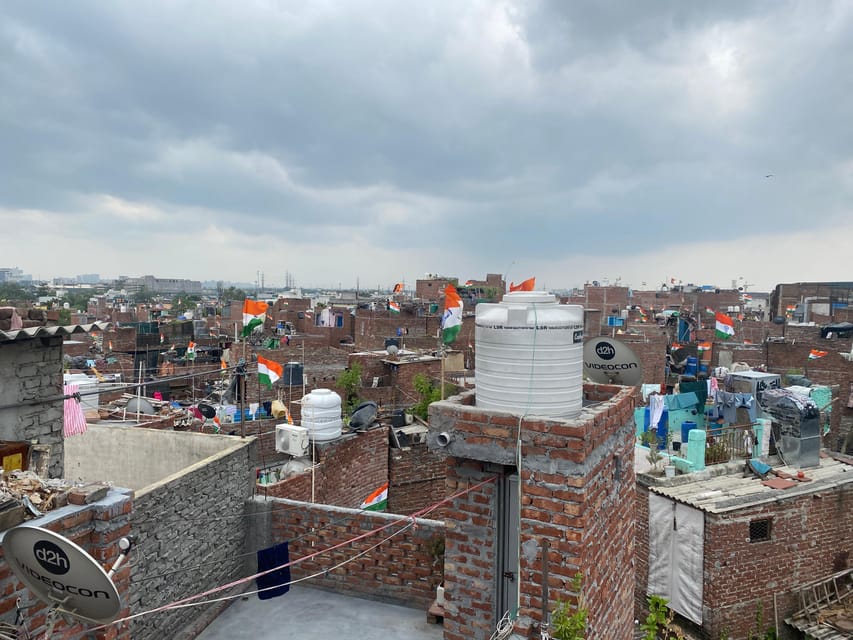
Part of this experience includes a household visit where you can get a sense of how families live in their homes. This is where you’ll notice the contrast between what “housing” means on paper and what it means day-to-day—space, privacy, movement, and how families organize life around limited resources.
This is also where you’ll get concrete about the challenges many residents face daily, including:
- finding water
- electricity-related realities
- hygiene and sanitation
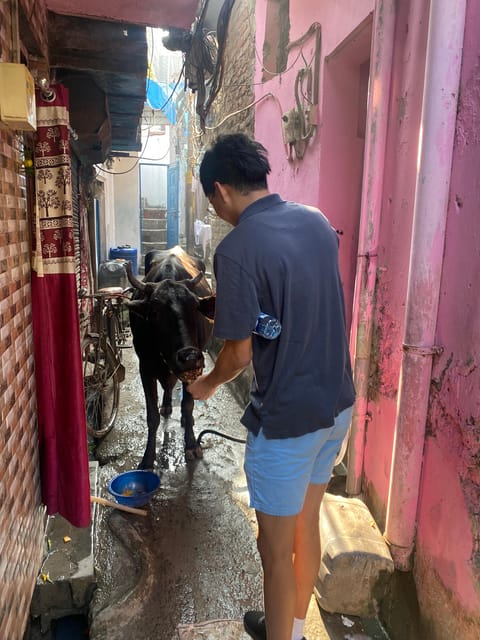
The tour doesn’t treat these topics like abstract sociology. Instead, you’ll learn why these issues show up constantly in routine decisions, not just during emergencies. And because you can ask questions along the way, you can tailor what you want to understand: how daily water needs are handled, how hygiene is maintained with limited options, or what “improvements” look like from inside the community.
One more practical note: photography inside isn’t allowed. So if you normally rely on photos to “save the memory,” plan on saving it with your questions, your notes, and what you observe when you’re not behind a screen.
Temple visit and faith: why religion shows up in daily survival
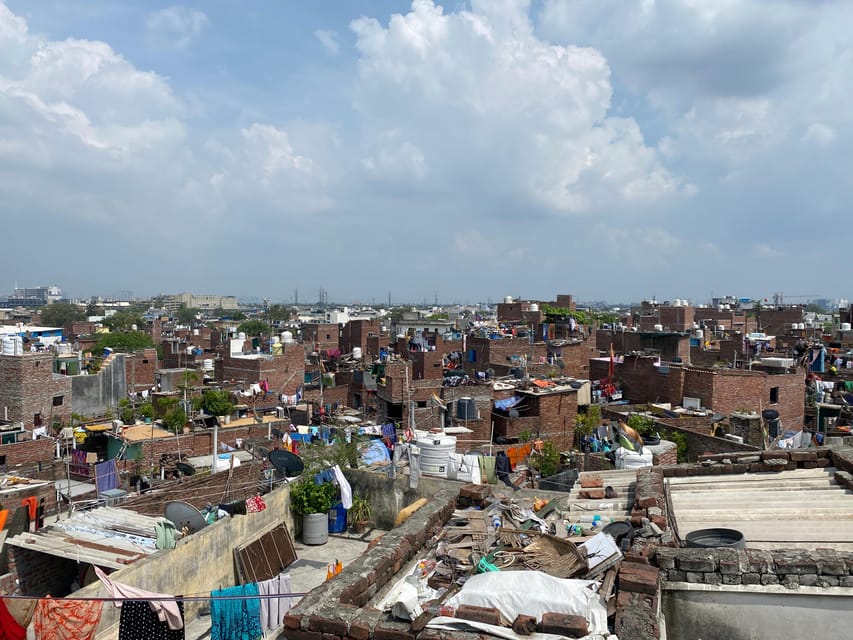
You’ll also see the role of faith in people’s lives through a temple visit inside the slum. This isn’t presented as a “cultural stop” where you look and move on. It’s there to help you understand how faith operates as comfort, guidance, and community glue—especially when life is difficult and unpredictable.
A temple visit can change how you interpret everything you’ve seen so far. When you understand why people gather, pray, and rely on shared belief systems, you start to notice the emotional infrastructure beneath the physical challenges.
If you’re visiting with an open mind, you’ll likely find this stop to be one of the most human moments of the tour. It’s also often where conversations become more personal, since faith tends to connect to family history, hope, and values.
More guided days, made simple


Learning by Locals: where your support gets turned into education
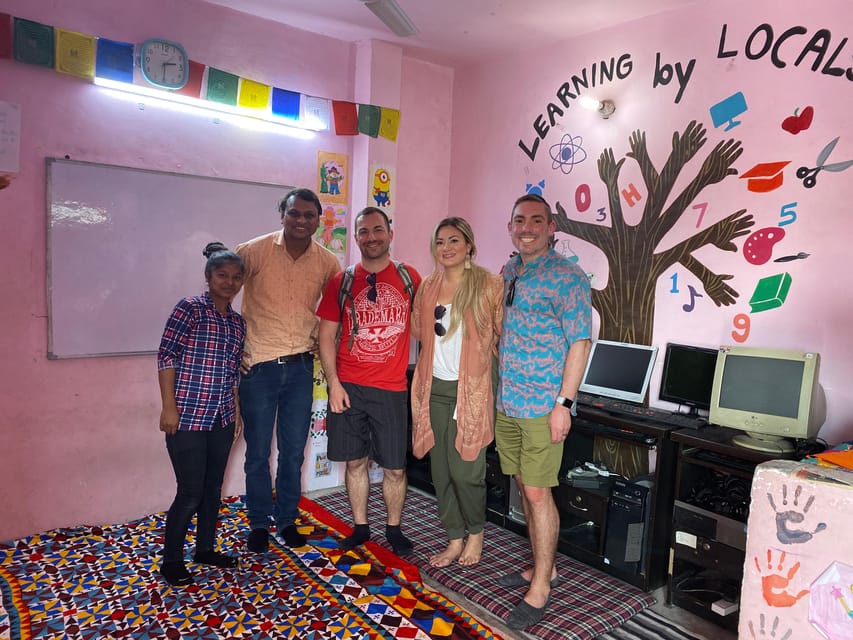
The tour includes a visit connected to Learning by Locals, an education-focused non-profit in the area. You’ll spend time there as part of the experience, which makes your visit feel less like “observation” and more like a connection to ongoing work.
This is also where the tour’s ethics become concrete. 50% of profits go back to Learning by Locals. That’s important because it means you aren’t only paying for your guide’s time. You’re contributing to the support system that helps children and young people keep learning.
Recent groups also noted coordination that helped the day run smoothly. One account specifically mentioned Pradeep coordinating the visit and ensuring the group got safely back home by tuk-tuk after the tour. While your exact logistics may vary, it’s a reassuring signal that the team cares about what happens after you finish walking.
The walk’s timing and flow: 1.5 hours that stay focused
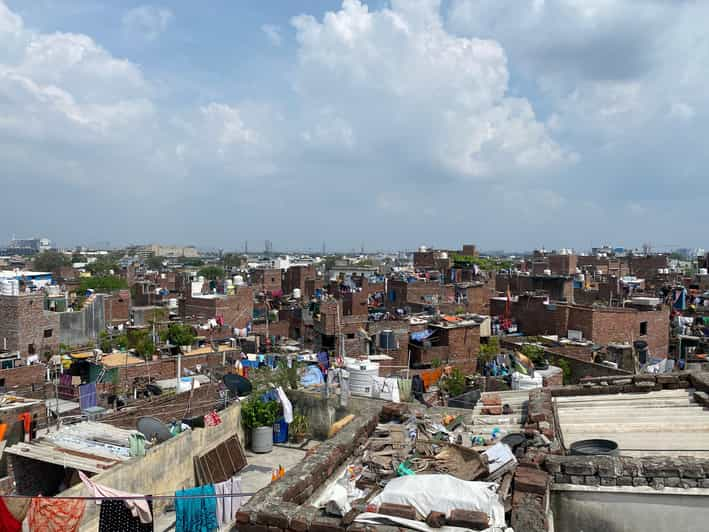
This experience runs for about 1.5 hours. The pacing is tight enough to keep it energetic, but not so rushed that you can’t ask questions. You’ll spend time at a few distinct moments—education from the outside, a guided introduction inside the settlement, longer stops that relate to local work and home life, a scenic viewpoint along the way, and then the temple before you wrap up.
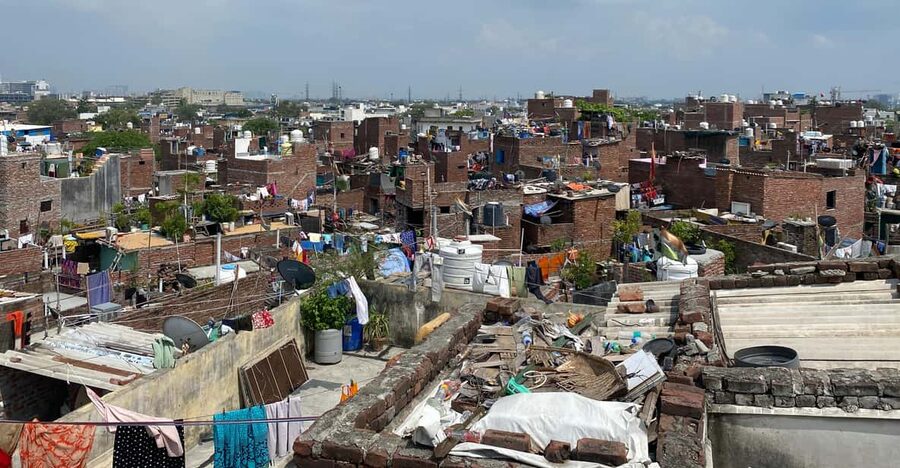
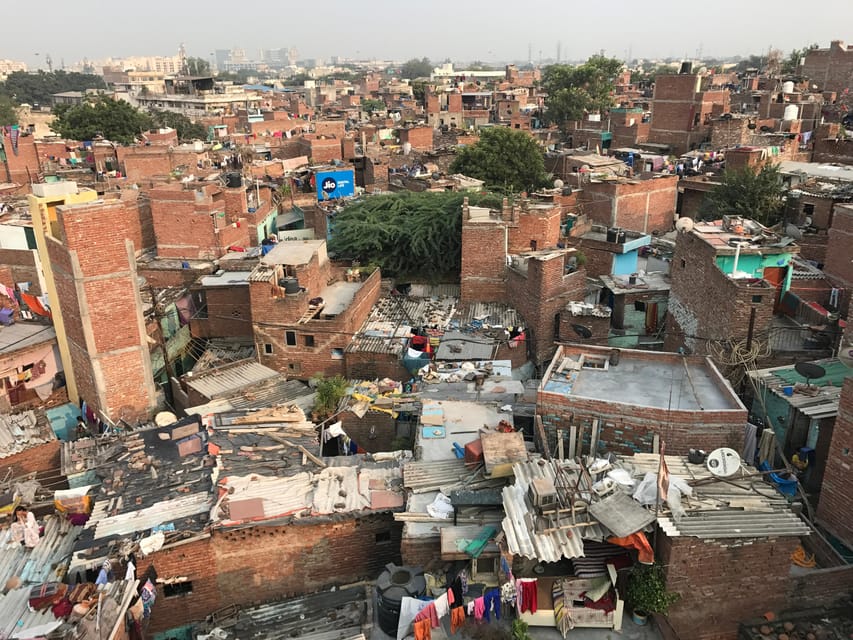
The “viewpoint” part is worth mentioning because it gives you breathing room. After talking about daily challenges, you get a brief change of perspective. Even without taking photos, it helps you understand scale and geography—how the neighborhood sits and how tightly packed the area feels.
If you like structure, this tour gives you it. If you prefer unplanned wandering, you may find the guided rhythm a little limiting. But the upside is that you get the key themes in a short window.
Tea, water, and respectful closure
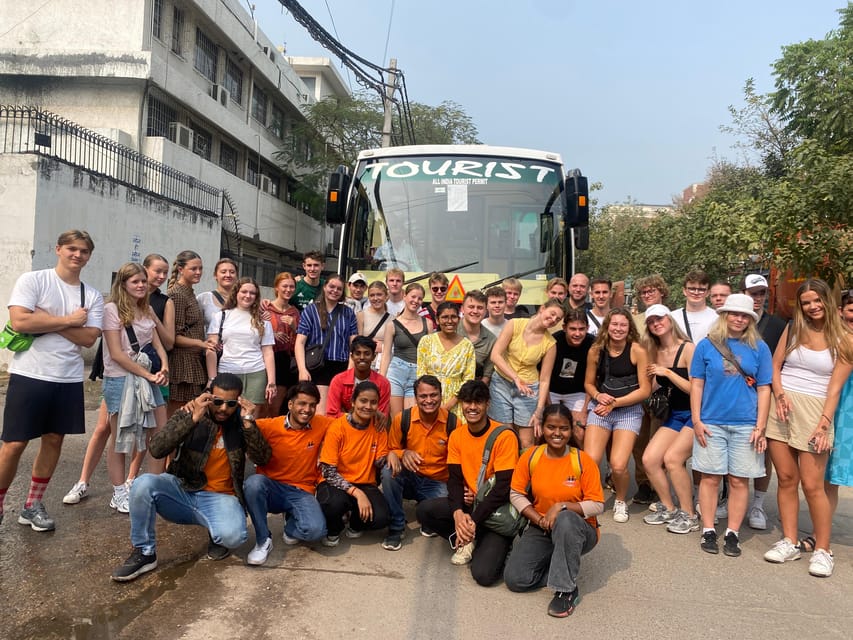
After the tour, you’ll be offered a cup of local tea and a water bottle. This isn’t just a perk—it’s a practical way to end the experience. When you’ve been hearing serious realities, tea gives you a calm pause before you jump back into your day.
Small-group format also matters here. Limited to 6 participants, the tour doesn’t get swallowed by a crowd. That kind of limit helps keep the conversation real, and it makes it easier for your guide to manage questions and transitions.
Price and value: why $19 makes sense here
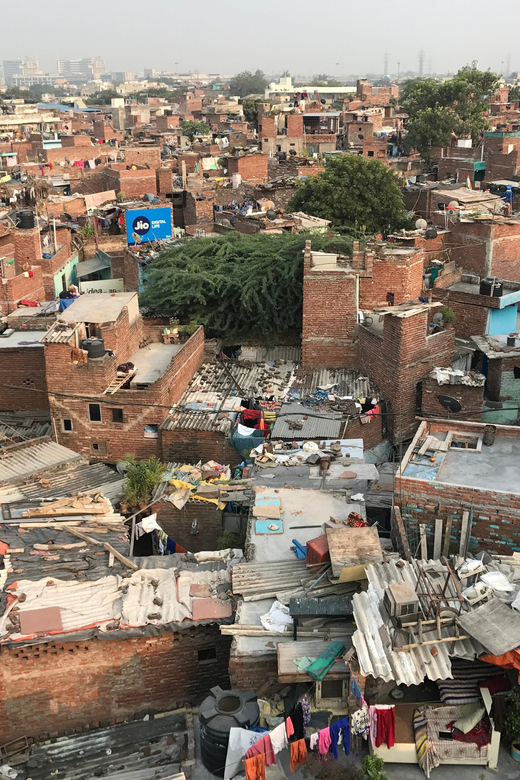
At $19 per person for 1.5 hours, the price is surprisingly approachable for a guided program that includes:
- a local guide
- local tea
- a water bottle
- multiple guided stops tied to education, work, home life, and faith
- support funding through the Learning by Locals non-profit (50% of profits)
Is it still a lot for a casual Delhi afternoon? Sure, compared to a free walk with a general map. But if you want context—what you’re seeing, why it matters, and how to ask questions without awkwardness—this format is good value.
In other words: you’re paying for guidance, translation of context, and a built-in support link. That’s where the value lives.
Who should book this tour, and who might want to skip it
This is a strong fit if you:
- like community-based experiences with conversation
- want to understand education and faith in daily life
- prefer small-group settings over big bus-style tours
- can handle serious topics with respect
It may be less comfortable if you:
- don’t want to discuss water, electricity, hygiene, and other daily challenges
- need a fully photo-based experience
- have mobility limits (the tour isn’t suitable for wheelchair users, and it’s also not suitable for people over 95 years)
Should you book this Sanjay Colony tour?
If you want a short, focused way to understand Sanjay Colony through the lenses of education, daily work, home life, water realities, and faith, this tour is a solid choice. The small group size, English-speaking guidance, included tea and water, and the direct tie to Learning by Locals make it feel both personal and purpose-driven.
Book it if you’re curious and respectful, and you’re ready to ask thoughtful questions. Skip it if you need a relaxed, purely sightseeing outing or if the topic matter is likely to upset you.
FAQ
Where is the meeting point?
You meet your guide at Harkesh Nagar Okhla Metro station, outside Gate No. 2.
How long does the tour last?
The tour duration is 1.5 hours.
What language is the tour guide?
The live tour guide speaks English.
What’s included in the tour price?
You get local tea and a water bottle, plus a local guide.
How big is the group?
It’s a small group with a maximum of 6 participants.
Is photography allowed?
Photography inside is not allowed.
Is the tour wheelchair-friendly?
No. It’s not suitable for wheelchair users.
Is the tour suitable for very elderly guests?
No. It’s not suitable for people over 95 years.
Where does the money go?
50% of the profits go back to the non-profit in the slum called Learning by Locals.
More Tours in New Delhi
- Old & New Delhi City Tour – Half or Full Day Options Available
★ 5.0 · 4,811 reviews - Half Day Private Delhi City Tour
★ 5.0 · 4,474 reviews - Same Day Taj Mahal, Agra Fort & Baby Taj Tour from Delhi by Car
★ 5.0 · 4,304 reviews - Taj Mahal Day Tour from Delhi by Superfast Train – TOP RATED TOUR
★ 5.0 · 4,166 reviews - Delhi: Old and New Delhi Private Full or Half-Day Tour
★ 4.9 · 3,776 reviews
More Tour Reviews in New Delhi
- Old & New Delhi City Tour – Half or Full Day Options Available
★ 5.0 · 4,811 reviews - Half Day Private Delhi City Tour
★ 5.0 · 4,474 reviews - Same Day Taj Mahal, Agra Fort & Baby Taj Tour from Delhi by Car
★ 5.0 · 4,304 reviews - Taj Mahal Day Tour from Delhi by Superfast Train – TOP RATED TOUR
★ 5.0 · 4,166 reviews - Delhi: Old and New Delhi Private Full or Half-Day Tour
★ 4.9 · 3,776 reviews
More Community Walks in Delhi
- Sanjay Colony Slum Tour
★ 5.0 · 498 reviews - New Delhi Slum Walking Tour
★ 5.0 · 360 reviews - Delhi: Ethical Sanjay Colony Slum Tour
★ 4.9 · 242 reviews - Sanjay Colony Slum Tour with Local Guide
★ 5.0 · 160 reviews - Delhi: Old Delhi Slum Tour by Metro or Car
★ 4.9 · 55 reviews
Just added: more New Delhi reviews to browse
- 4 days Golden Triangle Tour★ 5.0 · 3 reviews
- Discover Old & New Delhi: Private Tour with Street Food★ 5.0 · 3 reviews
- Taj Mahal Tour From Delhi By Private Car★ 4.5 · 3 reviews
- Golden Triangle Tour 5 Days★ 5.0 · 3 reviews
- Taj Mahal: Express Entry Ticket For Sunset Tour with guide★ 5.0 · 3 reviews
- Agra Taj Mahal Sunrise & Sunset Tour from Delhi★ 5.0 · 3 reviews
Delhi Slum Tours, compared.
 ★ 5.0Sanjay Colony Slum TourFrom $21498 reviews
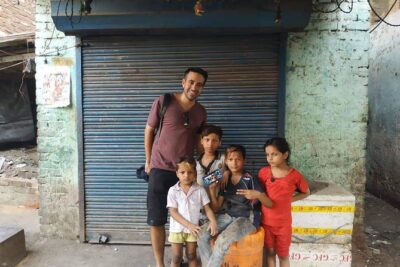 ★ 5.0New Delhi Slum Walking TourFrom $28360 reviews
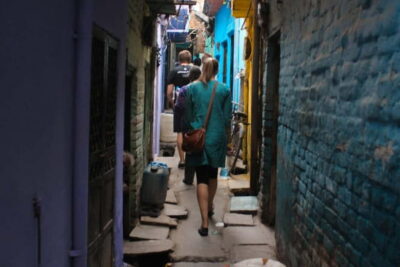 ★ 4.9Ethical Sanjay Colony Slum TourFrom $18242 reviews
Sanjay Colony Slum Tour with Local GuideFrom $13160 reviews
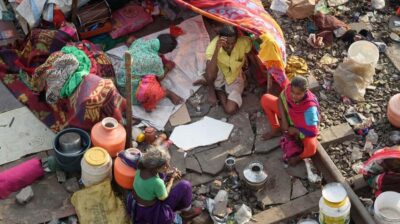 ★ 4.9Old Delhi Slum Tour by Metro or CarFrom $1955 reviews
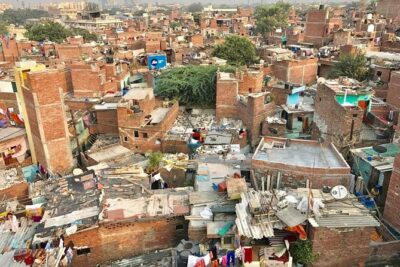 ★ 5.0Sanjay Colony Slum Tour with LocalsFrom $1246 reviews
 ★ 5.0Small- Group Delhi Slum Walking TourFrom $2326 reviews
 ★ 5.0New Delhi Sanjay Colony slum Tour (Private Tour)From $3520 reviews
Browse the lists this tour appears in