
Reviewed · DELHI SLUM TOURS
Half Day Slum Walking Tour Delhi
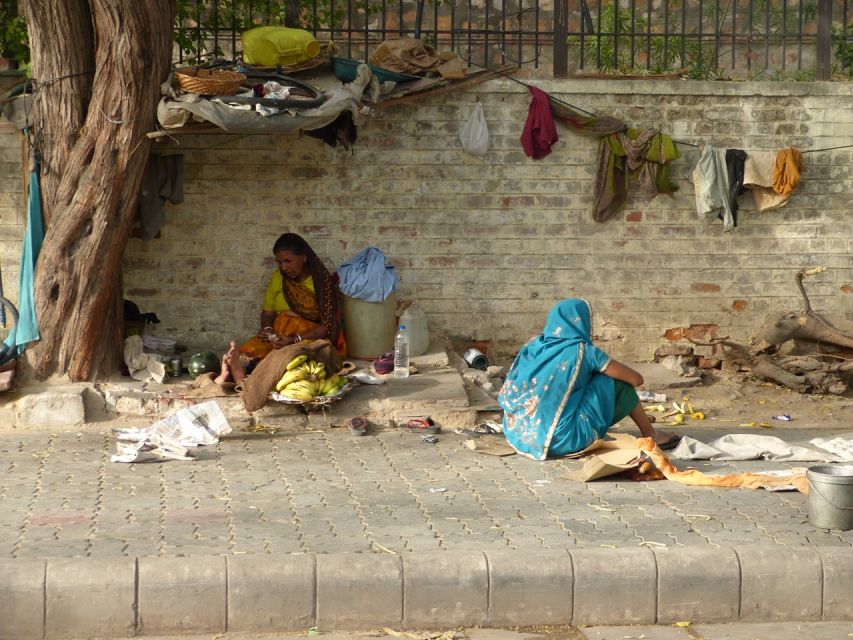
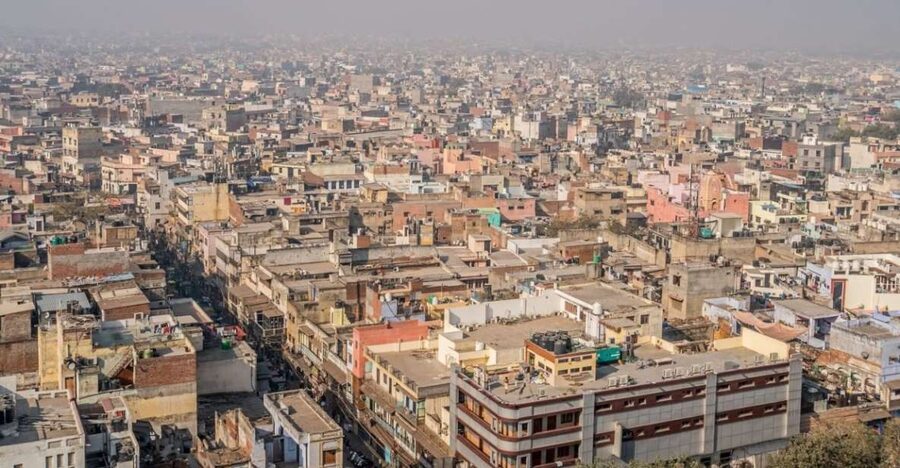
This walk is education on street level. You spend a half-day in Delhi slum neighborhoods with an English-speaking guide, learning how everyday work, housing, and community ties actually function. You also visit a Hindu temple and a mosque, so the trip shows more than just houses and streets.
I especially like the way the tour stays safe and respectful. You get conversation, not intrusion, and the guide helps you read what you’re seeing without turning people into a side show.
One thing to consider: this is not classic sightseeing. You need an open mind, and it is not suitable for pregnant women.
In This Review
- Key Highlights You’ll Feel Fast
- Half-Day Format: What You Can Learn in One Afternoon
- The Safety and Respect Formula That Makes This Work
- What You’ll Actually See: Work, Home, Education, Sanitation, Health
- Community Energy: Why the Guide Emphasizes Conversation
- Religion on the Route: Hindu Temple and Mosque Visits
- The Chai Break and the Nearby Market Moment
- Price and Value: Why $57 Can Be Fair for This Kind of Tour
- Who This Tour Fits Best (And Who Might Want to Skip)
- Practical Tips: ID, Rules, and How to Get the Most Out of the Walk
- The Big Takeaway: How This Tour Changes Your City Lens
- Should You Book the Half Day Slum Walking Tour Delhi?
- FAQ
- What is included in the Half Day Slum Walking Tour Delhi?
- Where does the tour take place?
- Do you visit both a Hindu temple and a mosque?
- What should I bring?
- Are alcohol or drugs allowed?
- Is the tour suitable for pregnant women?
- What language is the tour conducted in?
- What happens at the end of the tour?
- How flexible is booking and cancellation?
Key Highlights You’ll Feel Fast
- Safe, non-intrusive guidance that keeps the focus on conversation and dignity
- Micro businesses and daily life you can actually observe, from working routines to community habits
- Community connections that include friendly greetings, including kids from the neighborhood
- Religion in context with stops at both a Hindu temple and a mosque
- Chai break with mineral water included, so the half-day stays manageable
Half-Day Format: What You Can Learn in One Afternoon
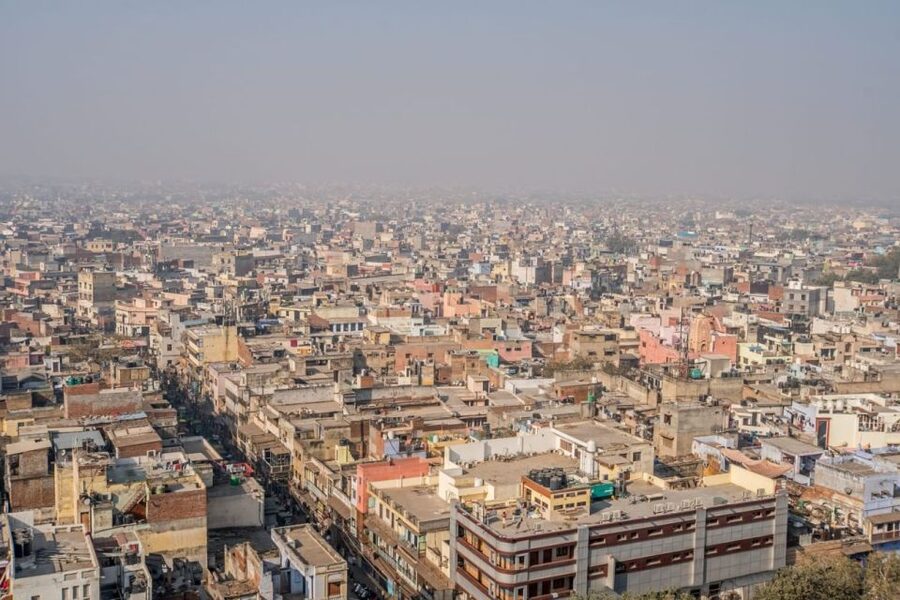
A half-day is the sweet spot for this kind of tour. Long enough to see how a neighborhood works, short enough that you’re not out there all day feeling wiped out.
The flow is simple: you’re picked up in an air-conditioned car, go walking with an English-speaking story teller and guide, and then you’re dropped back at your Delhi hotel at the end. That structure matters because slum walking tours can be emotionally heavy; having reliable transport and a clear end point makes it easier to stay present.
The other big benefit of the half-day timing is that it forces focus. Instead of trying to cover everything, the guide can talk through education, sanitation, health, and economic reality at a human pace.
More community walks through working Delhi



The Safety and Respect Formula That Makes This Work
The tour is designed to be non-intrusive. That means you’re not barging into private spaces, and you’re not treating residents like exhibits. The guide acts as a buffer, translating what you’re seeing into understandable context.
In the reviews, solo women also described feeling comfortable and safe with their guide. That lines up with the tour’s stated goal: respectful, communicative visits rather than voyeurism.
Practically, the safest mindset is the one the tour asks for: be polite, keep your questions thoughtful, and follow the guide’s pace. You’ll be in a living neighborhood. If you remember that, you’ll avoid the two most common problems: wandering too far and speaking in a way that turns people into objects.
What You’ll Actually See: Work, Home, Education, Sanitation, Health

This isn’t a slideshow about poverty. It’s a look at how life runs when resources are limited—and how people build stability anyway.
You’ll observe the micro aspects that flourish in informal settlements, especially business. Think small-scale enterprise and everyday routines that keep households functioning. This is one of the most important parts of the tour because it counters the lazy stereotype that slums only mean suffering. You see initiative. You see problem-solving.
The guide also frames the social and economic realities in multiple areas:
- Education and how learning fits into daily schedules
- Sanitation and health challenges people face
- Working life and residential life side by side
Some groups also report meeting teachers from an NGO school and visiting a house inside the neighborhood. Even if those moments vary by route and timing, the overall theme stays consistent: you’re meant to understand the system around daily living, not just take photos.
One more context point that helps you make sense of what you’re seeing: the settlement originally developed on forest land and is home to more than 5,000 people. That history isn’t a trivia fact. It’s a reminder that these communities are shaped by land use, policy, and time—not just by individual choices.
Community Energy: Why the Guide Emphasizes Conversation
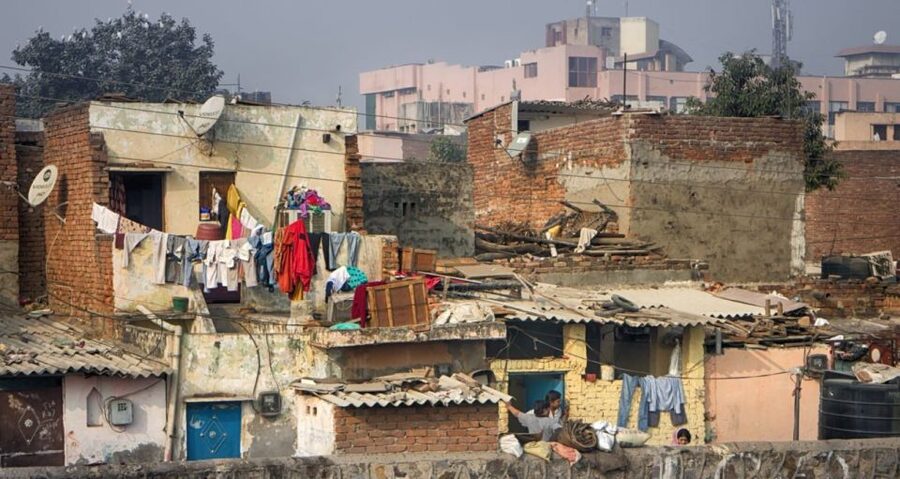
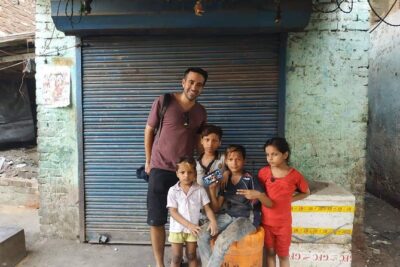
I like tours that treat residents as people first. This one does that. You get conversation support from your local guide, and you’ll have time for respectful interaction—often including friendly greetings from kids nearby.
That matters because slum stereotypes tend to be one-note. Without guidance, it’s easy to assume the only story is hardship. With guidance, you’re pushed toward a wider view: strong community bonds, shared responsibilities, and the kinds of social structures that help people cope and organize.
Some reviews also mention that the tour feels “charged with positive energy,” which matches the stated intent. It’s not pretending conditions are easy. It’s acknowledging that community has its own power.
A good way to approach it: listen longer than you talk. If you keep your curiosity respectful, you’ll learn more and feel better about the experience later.
Religion on the Route: Hindu Temple and Mosque Visits
This is a tour detail I really appreciate. You don’t leave religion as an abstract concept. You see it in the neighborhood, in the places people use and value.
You’ll visit both a Hindu temple and a mosque. That’s more than a checklist stop. It gives you a practical look at how faith fits into community life across different groups.
In a setting where you might be focused only on housing and sanitation, religious sites add another layer: routine, tradition, and spiritual community. You’ll also get a chance to understand local etiquette through your guide, which is crucial in religious spaces where behavior matters.
If you’re the type who likes to understand how cities actually work, these two stops will help you connect the dots fast.
New Delhi at a walking pace, a few more routes

The Chai Break and the Nearby Market Moment
The tour includes mineral water, and there’s a tea break if you want it. That sounds small, but it helps you keep your head clear. A slum walking tour can involve heat, walking, and emotional context. Staying hydrated keeps you from turning cranky or overwhelmed.
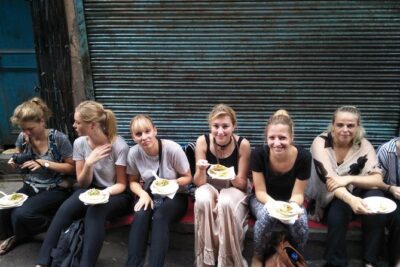
Some groups also report chai after the tour in a local market area. Even if your exact timing differs, the tea break role is consistent: it’s a pause where you can reset and reflect on what you’ve learned with the guide close by.
Here’s the practical tip: if you drink tea, do it slowly. Use the quiet moments to ask follow-ups like how education and health programs operate, or what kinds of ongoing projects exist in the community.
Price and Value: Why $57 Can Be Fair for This Kind of Tour
At $57 per person, this isn’t a bargain-basement walking tour. But it also isn’t priced like a luxury experience. You’re paying for real components:
- An English-speaking story teller and guide
- Hotel pickup and drop-off
- Air-conditioned vehicle transfers
- Water and a tea break
- A structured, respectful route that helps you avoid awkward missteps
For me, the value is in the guidance. In neighborhoods like this, a good guide is the difference between learning and causing harm. If the guide is responsible for safe, respectful interactions—and helps translate what you see—your money is buying that human expertise.
One more value point: the tour helps you debunk negative stereotypes and understand complex social structure. That’s hard to do on your own, especially if you don’t speak the language or you’re unsure how to behave respectfully.
If you want a quick photo stop and nothing else, this won’t match your expectations. If you want context and conversation, it’s one of those trips that feels worth the cost.
Who This Tour Fits Best (And Who Might Want to Skip)
This tour is best for people who:
- Want an educational experience, not just sightseeing
- Can handle real-life social context with respect
- Prefer a structured guide-led approach
It’s also a good fit if you’re traveling solo and value clear safety habits. Reviews included examples of single female travelers feeling comfortable and well cared for by the guide and driver.
It may be less suitable if you are:
- Uncomfortable with poverty-focused learning and direct social realities
- Looking for a first-time India trip that feels purely comfortable and low-emotion (this kind of learning style can be a lot for some people)
- Pregnant (the tour explicitly states it is not suitable for pregnant women)
If you’re unsure, think about your personal tolerance for discomfort. This isn’t danger-focused. It’s reality-focused.
Practical Tips: ID, Rules, and How to Get the Most Out of the Walk
A few practical things will make your tour smoother:
Bring what they ask for:
You’ll need your passport or an ID card.
Know what’s not allowed:
Alcohol and drugs are not permitted.
Plan for walking:
It’s a walking tour through an informal settlement. Wear comfortable shoes and clothes you don’t mind getting dusty. Also, expect the pace to be guided by access and conversation, not by a sightseeing timetable.
Use the car time well:
Because pickup and drop are included, you can arrive ready. Use the ride to get oriented, then save your big questions for when you’re on foot and the guide can give context.
Photos may be handled for you:
One review mentioned photos taken by the driver and shared at the end. That suggests photo handling can be part of the experience, but you should confirm what’s possible for your group.
If you want good photos, ask the guide about etiquette before you start shooting. In these spaces, respect first.
The Big Takeaway: How This Tour Changes Your City Lens
By the end of the half-day, you’re not leaving with only images. You’re leaving with a different way to read Delhi.
You learn that community isn’t one-dimensional. You see how business can exist in tight spaces. You understand how education, sanitation, and health challenges connect to work and housing. And you witness religion in a neighborhood context, which helps explain what binds people together.
Most of all, the tour trains your eyes. It pushes you to look for structure and agency, not just limits. That’s the value that tends to stick long after the chai cools.
Should You Book the Half Day Slum Walking Tour Delhi?
Book it if you want a respectful, educational half-day that connects daily life to social realities, with hotel pickup, an English-speaking guide, and clear structure. It’s also a smart choice if you care about seeing beyond stereotypes and you’re comfortable walking in real neighborhoods.
Skip it if you’re looking for an easy, comfort-only sightseeing afternoon, or if you need a trip designed for pregnancy or similar constraints. And if you hate the idea of having to think about difficult topics, you may not enjoy the focus.
If you do book it, go with curiosity and patience. Follow your guide’s rules, ask thoughtful questions, and let the neighborhood teach you instead of trying to fit it into your assumptions.
FAQ
What is included in the Half Day Slum Walking Tour Delhi?
The tour includes an English-speaking story teller and guide, mineral water with a tea break if desired, hotel pickup and drop-off, and transfers/sightseeing by an air-conditioned car.
Where does the tour take place?
The tour takes place in Delhi, visiting Delhi’s largest slum area during a half-day walking tour.
Do you visit both a Hindu temple and a mosque?
Yes. The tour includes a chance to visit a Hindu temple and a mosque.
What should I bring?
You should bring your passport or an ID card.
Are alcohol or drugs allowed?
No. Alcohol and drugs are not allowed on the tour.
Is the tour suitable for pregnant women?
No. The tour is not suitable for pregnant women.
What language is the tour conducted in?
The tour is conducted in English.
What happens at the end of the tour?
At the end of the tour, you will be dropped back off at your Delhi hotel.
How flexible is booking and cancellation?
You can reserve & pay later, and you can cancel up to 24 hours in advance for a full refund.
More Tours in New Delhi
- Old & New Delhi City Tour – Half or Full Day Options Available
★ 5.0 · 4,811 reviews - Half Day Private Delhi City Tour
★ 5.0 · 4,474 reviews - Same Day Taj Mahal, Agra Fort & Baby Taj Tour from Delhi by Car
★ 5.0 · 4,304 reviews - Taj Mahal Day Tour from Delhi by Superfast Train – TOP RATED TOUR
★ 5.0 · 4,166 reviews - Delhi: Old and New Delhi Private Full or Half-Day Tour
★ 4.9 · 3,776 reviews
More Tour Reviews in New Delhi
- Old & New Delhi City Tour – Half or Full Day Options Available
★ 5.0 · 4,811 reviews - Half Day Private Delhi City Tour
★ 5.0 · 4,474 reviews - Same Day Taj Mahal, Agra Fort & Baby Taj Tour from Delhi by Car
★ 5.0 · 4,304 reviews - Taj Mahal Day Tour from Delhi by Superfast Train – TOP RATED TOUR
★ 5.0 · 4,166 reviews - Delhi: Old and New Delhi Private Full or Half-Day Tour
★ 4.9 · 3,776 reviews
More Community Walks in Delhi
- Sanjay Colony Slum Tour
★ 5.0 · 498 reviews - New Delhi Slum Walking Tour
★ 5.0 · 360 reviews - Delhi: Ethical Sanjay Colony Slum Tour
★ 4.9 · 242 reviews - Sanjay Colony Slum Tour with Local Guide
★ 5.0 · 160 reviews - Delhi: Old Delhi Slum Tour by Metro or Car
★ 4.9 · 55 reviews
Just added: more New Delhi reviews to browse
- 4 days Golden Triangle Tour★ 5.0 · 3 reviews
- Discover Old & New Delhi: Private Tour with Street Food★ 5.0 · 3 reviews
- Taj Mahal Tour From Delhi By Private Car★ 4.5 · 3 reviews
- Golden Triangle Tour 5 Days★ 5.0 · 3 reviews
- Taj Mahal: Express Entry Ticket For Sunset Tour with guide★ 5.0 · 3 reviews
- Agra Taj Mahal Sunrise & Sunset Tour from Delhi★ 5.0 · 3 reviews
Delhi Slum Tours, compared.
 ★ 5.0Sanjay Colony Slum TourFrom $21498 reviews
 ★ 5.0New Delhi Slum Walking TourFrom $28360 reviews
 ★ 4.9Ethical Sanjay Colony Slum TourFrom $18242 reviews
Sanjay Colony Slum Tour with Local GuideFrom $13160 reviews
★ 4.9Ethical Sanjay Colony Slum TourFrom $18242 reviews
Sanjay Colony Slum Tour with Local GuideFrom $13160 reviews
 ★ 4.9Old Delhi Slum Tour by Metro or CarFrom $1955 reviews
 ★ 5.0Sanjay Colony Slum Tour with LocalsFrom $1246 reviews
 ★ 5.0Small- Group Delhi Slum Walking TourFrom $2326 reviews
 ★ 5.0New Delhi Sanjay Colony slum Tour (Private Tour)From $3520 reviews
Browse the lists this tour appears in